ArticleGame Studio Unlocked
The Video Game Executive Playbook: Part One
19 Jul 20261 pages~29 min full read
The primary challenge facing independent game studios is not a deficiency in creative talent, but a systemic failure in executive leadership. Founders frequently struggle to transition from individual contributors to organizational leaders, a shift that requires prioritizing the enterprise’s health over personal creative preferences. Success in this sector demands that executives master the core disciplines of defining long-term vision, recruiting high-caliber talent, and ensuring financial stability. Leadership is not an innate trait but a learnable skill set rooted in emotional regulation, objective decision-making, and a commitment to the needs of the organization.
Effective studio management requires a delicate balance between immediate crisis mitigation and sustained strategic planning. Executives must protect their teams from external volatility while maintaining the speed and conviction necessary to navigate a competitive industry. Because seniority often leads to a decline in self-awareness, leaders must actively solicit candid feedback and cultivate environments where team alignment is driven by a clear understanding of the rationale behind high-level decisions. By prioritizing unique strengths and fostering a culture of accountability, leaders can move beyond reactive firefighting toward proactive opportunity management.
This framework for professional development emphasizes that executive growth is a continuous, non-linear journey. Sustained success relies on structured self-reflection, the deliberate challenging of personal biases, and the maintenance of a trusted peer network to provide critical oversight. By embracing humility and committing to ongoing self-improvement, studio leaders can mitigate the risks of failure and build resilient organizations capable of thriving in the global video game market. Ultimately, the transition to effective leadership requires a fundamental shift in perspective, moving away from personal craft toward the stewardship of the entire studio ecosystem.
Game Studio Unlocked · 2026
Game Studio Unlocked · 2026
Game Studio Unlocked · 2026
Game Studio Unlocked · 2026
Game Studio Unlocked · 2026
Game Studio Unlocked · 2026
Game Studio Unlocked · 2026
Game Studio Unlocked · 2026
Game Studio Unlocked · 2026
Game Studio Unlocked · 2026
Game Studio Unlocked · 2026
Game Studio Unlocked · 2026
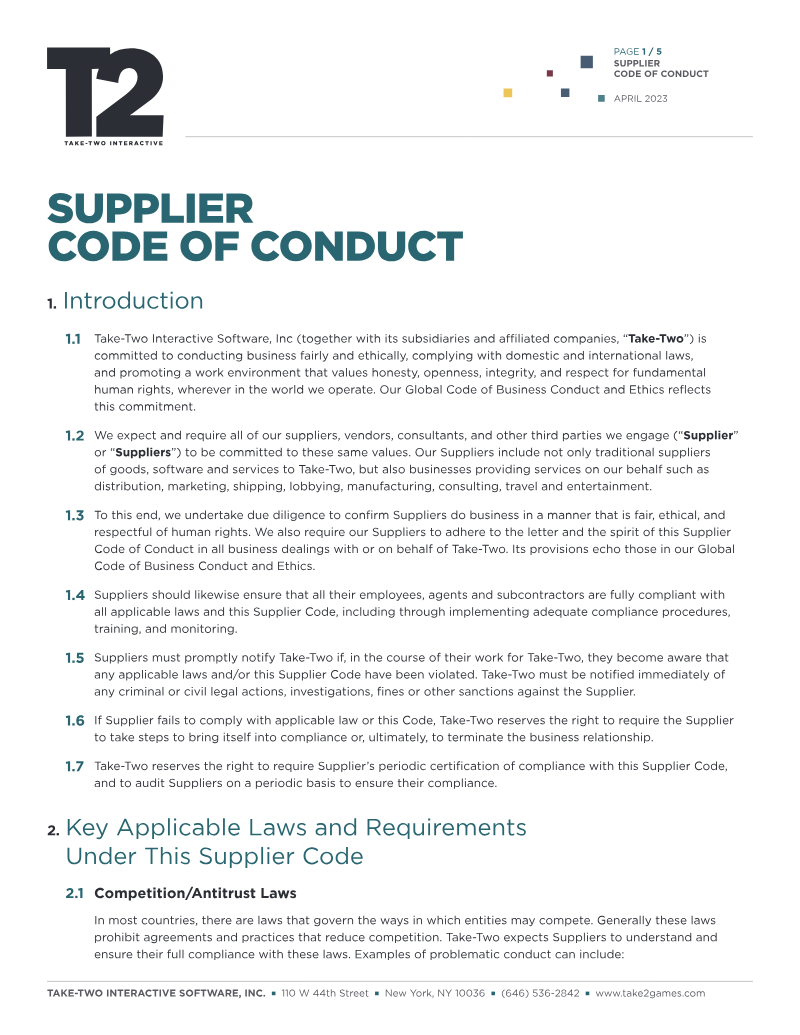
Take-Two Interactive · 2026
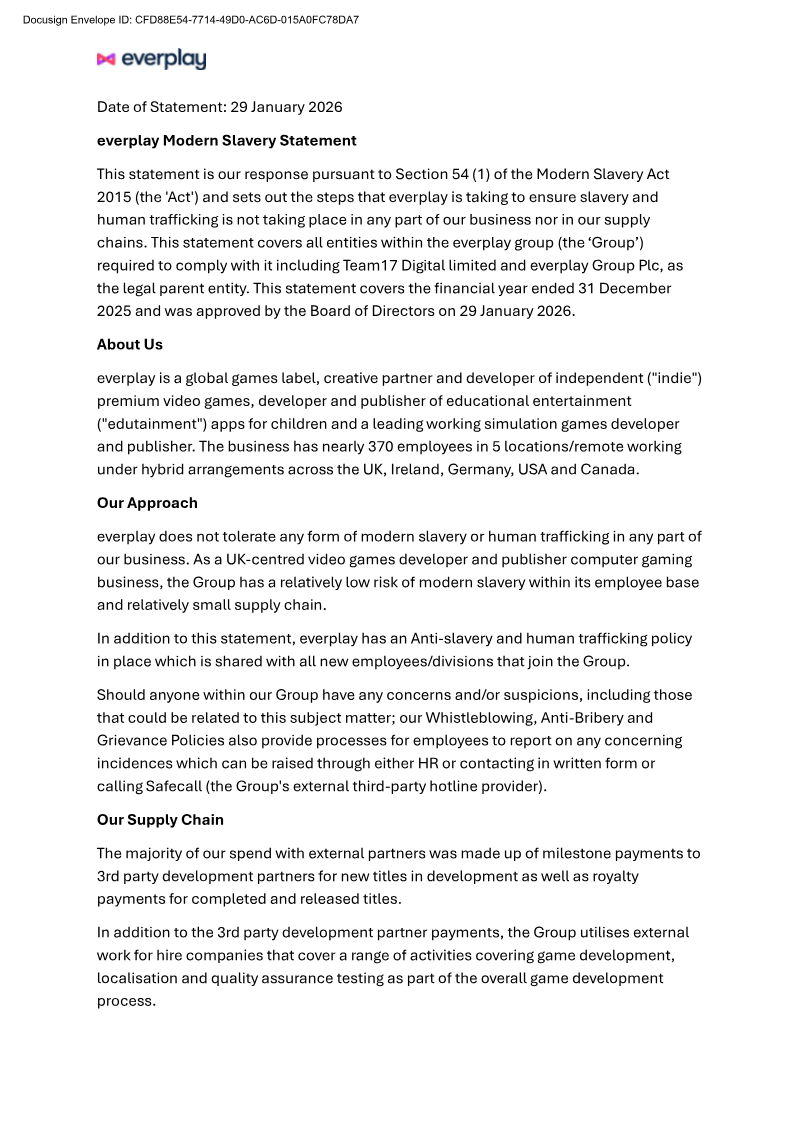
Everplay
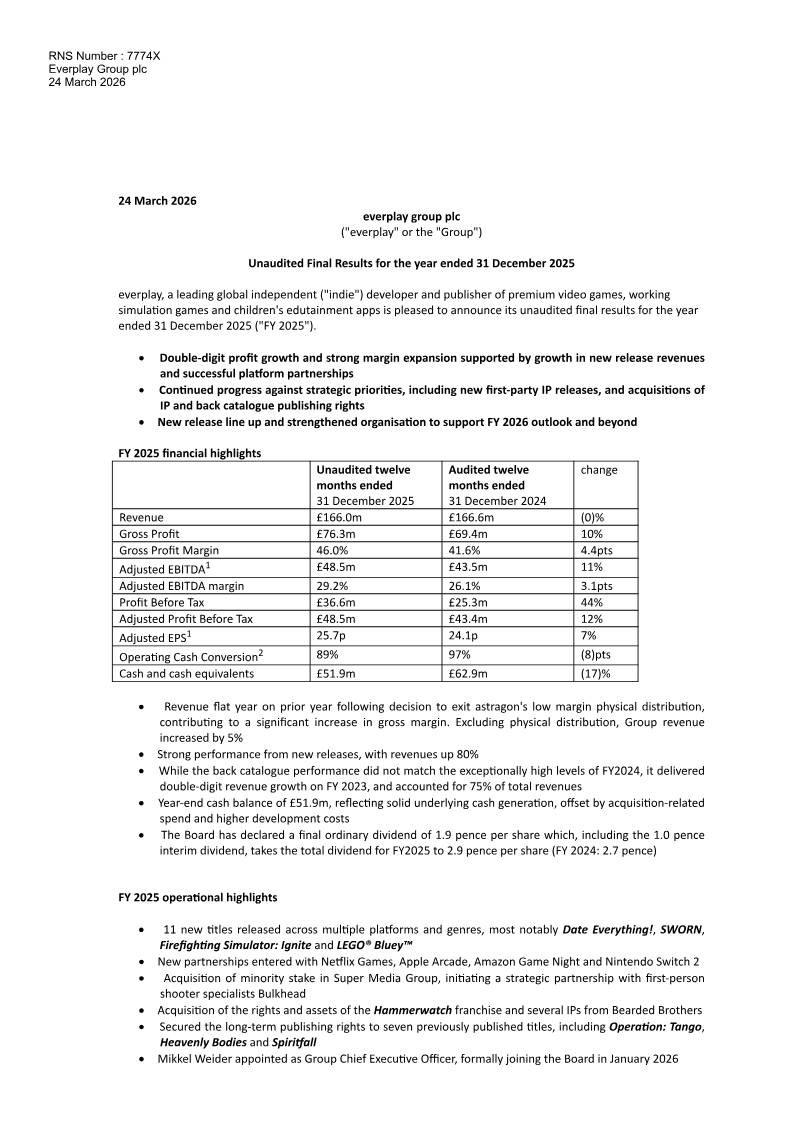
Everplay Group · 2026
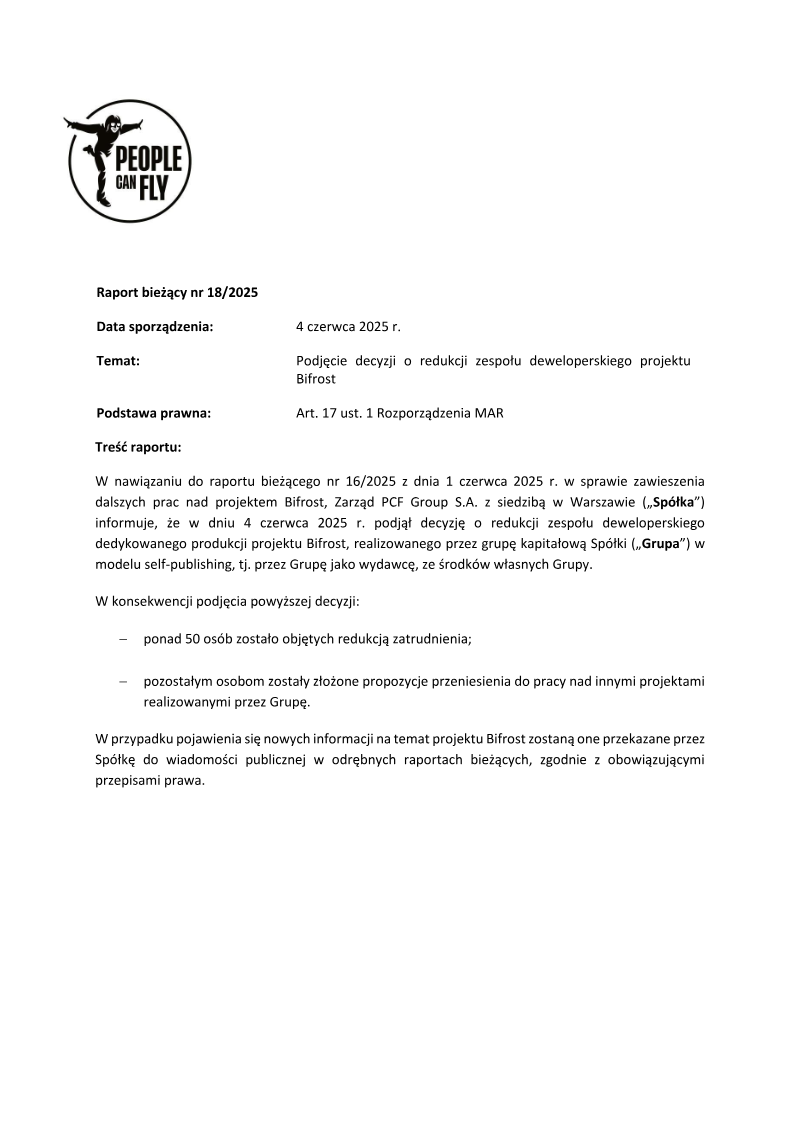
PCF Group · 2025
Konvoy · 2025
Informa · 2024
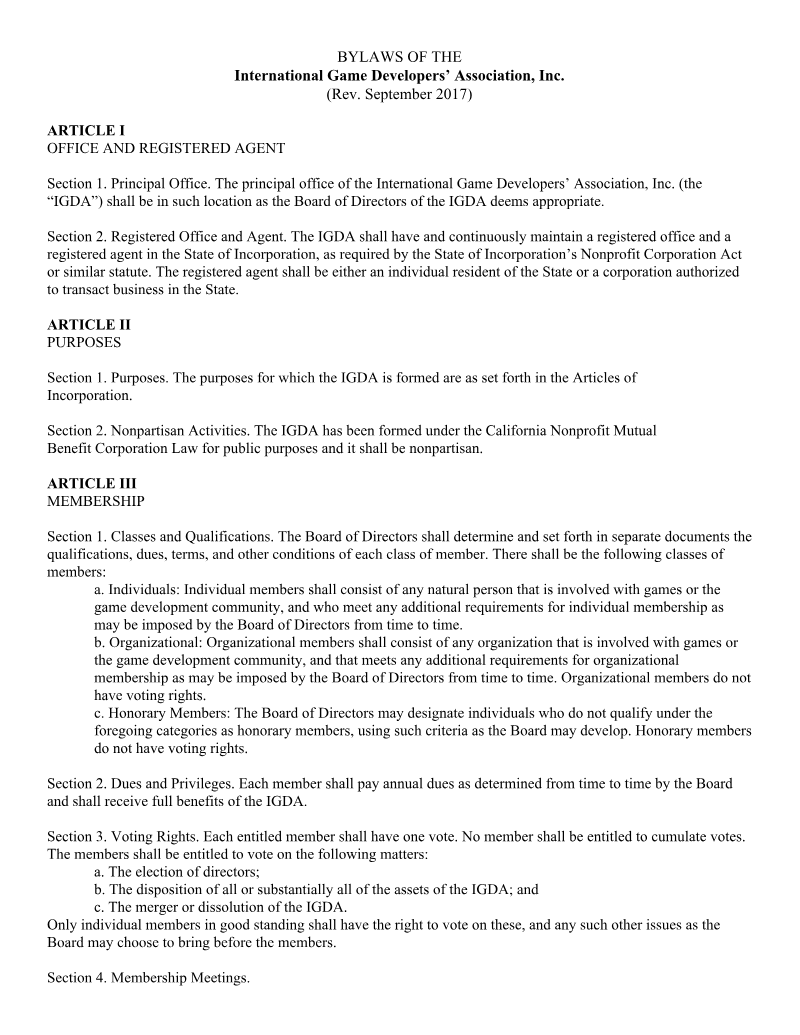
International Game Developers’ Association · 2023
Dataspelsbranschen · 2023
Perforce · 2023
GDC · 2022
International Game Developers' Association · 2019
Ubisoft