ArticleGame Studio Unlocked
What Bad Looks Like in the Games Industry
23 May 20261 pages~17 min full read
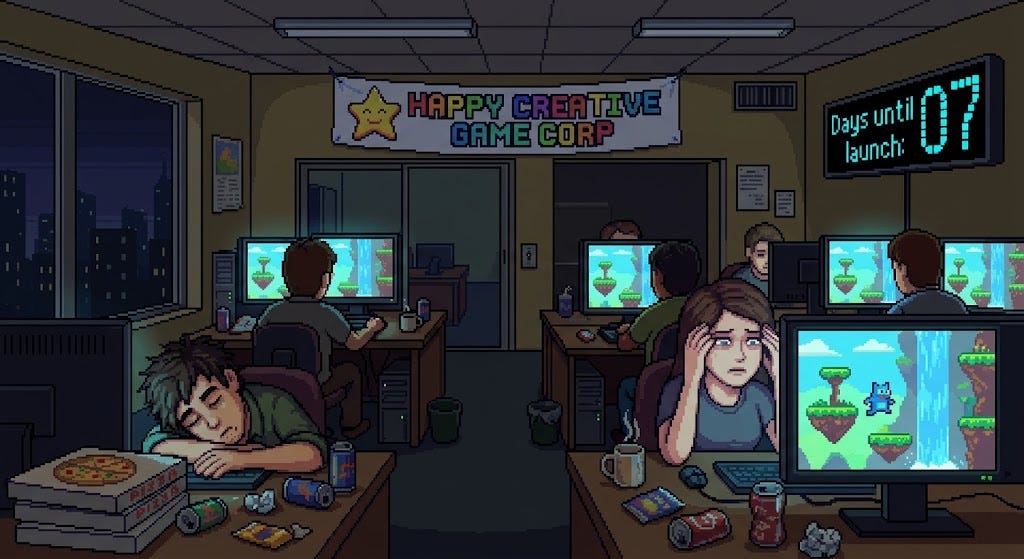
Systemic dysfunction currently defines the modern gaming industry, characterized by a pervasive culture of labor exploitation and strategic mismanagement that threatens long-term creative viability. The normalization of mandatory, unpaid overtime, coupled with widespread reports of pay discrimination and harassment, reflects a deep-seated failure in leadership accountability. These issues are exacerbated by a volatile hiring cycle that prioritizes rapid expansion followed by mass layoffs, treating highly skilled developers as fungible assets rather than the foundation of creative success.
Between 2022 and 2025, the industry experienced the loss of approximately 45,000 jobs despite generating record-breaking revenues. This paradox stems from a strategic obsession with short-term shareholder returns and the pursuit of fleeting market trends, such as Web3 and live-service clones. These initiatives have frequently resulted in billions of dollars in losses and the forced alignment of talent with projects that fall outside their areas of expertise, ultimately degrading both employee morale and the quality of the final products.
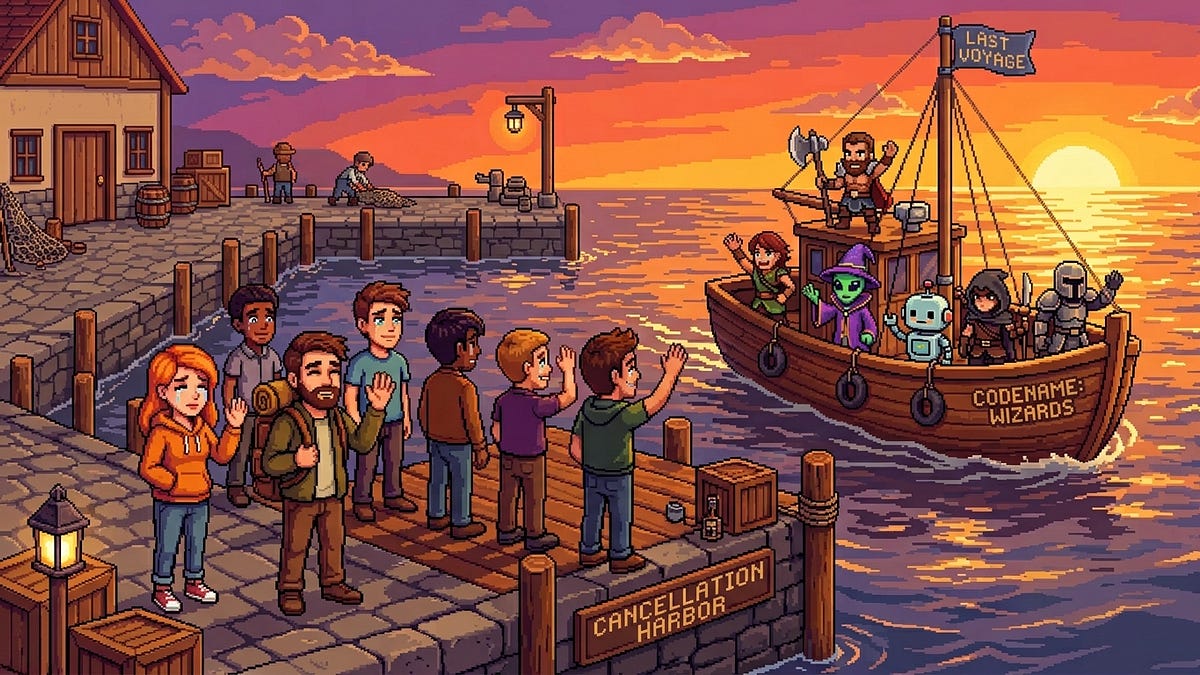
The strategic logic behind recent corporate maneuvers, particularly the liquidation of established, successful studios by major parent companies, has sparked significant concern regarding the future of the medium. By dismantling proven teams and beloved franchises, corporate entities are eroding the institutional knowledge and creative stability necessary for sustained growth. Overcoming these challenges requires a fundamental shift in leadership philosophy, moving away from reckless, trend-chasing expansion toward a model that prioritizes sustainable development practices and the long-term health of the workforce. Without such a transition, the industry risks further destabilization and the continued loss of the talent that drives its economic and cultural value.
Game Studio Unlocked · 2026
Game Studio Unlocked · 2026
Game Studio Unlocked · 2026
Game Studio Unlocked · 2026
Game Studio Unlocked · 2026
Game Studio Unlocked · 2026
Game Studio Unlocked · 2026
Game Studio Unlocked · 2026
Game Studio Unlocked · 2026
Game Studio Unlocked · 2026
Game Studio Unlocked · 2026
Game Studio Unlocked · 2026
Konvoy · 2025
Informa · 2024
Perforce · 2023
GDC · 2022
Poki · 2026
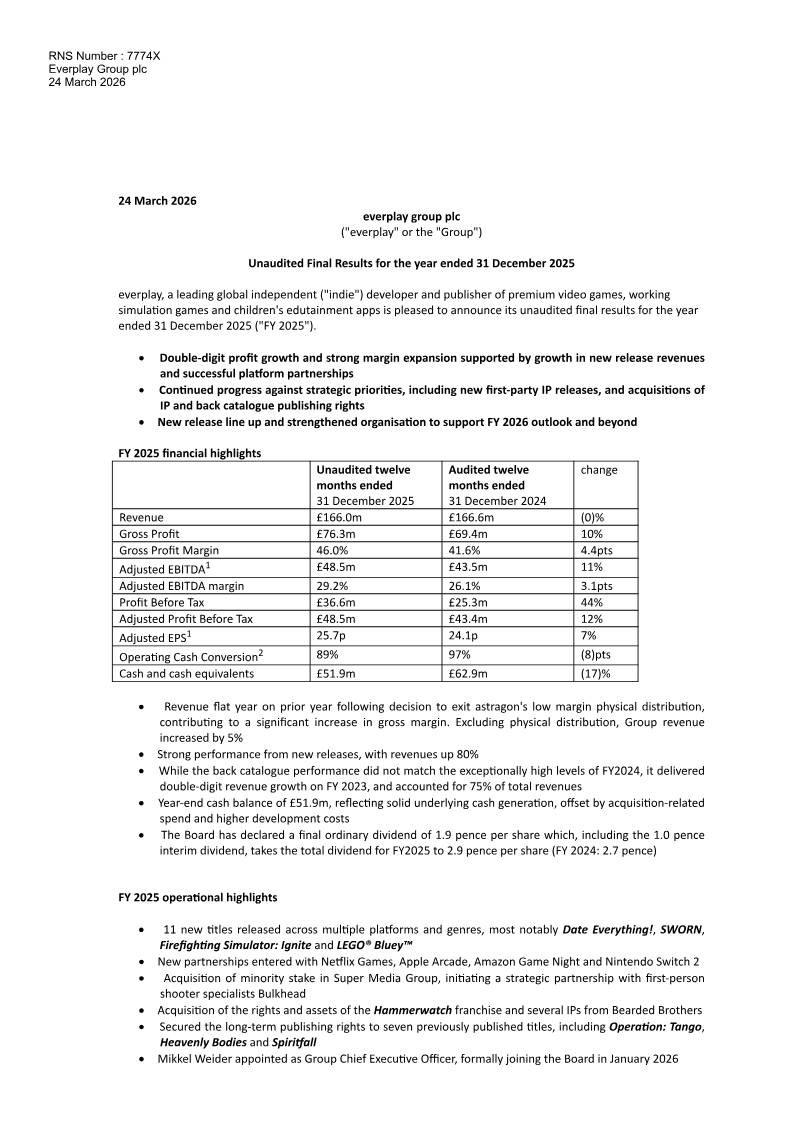
Everplay Group · 2026
8Bit · 2026
Take-Two Interactive · 2026
Poki · 2026
Ukie · 2025
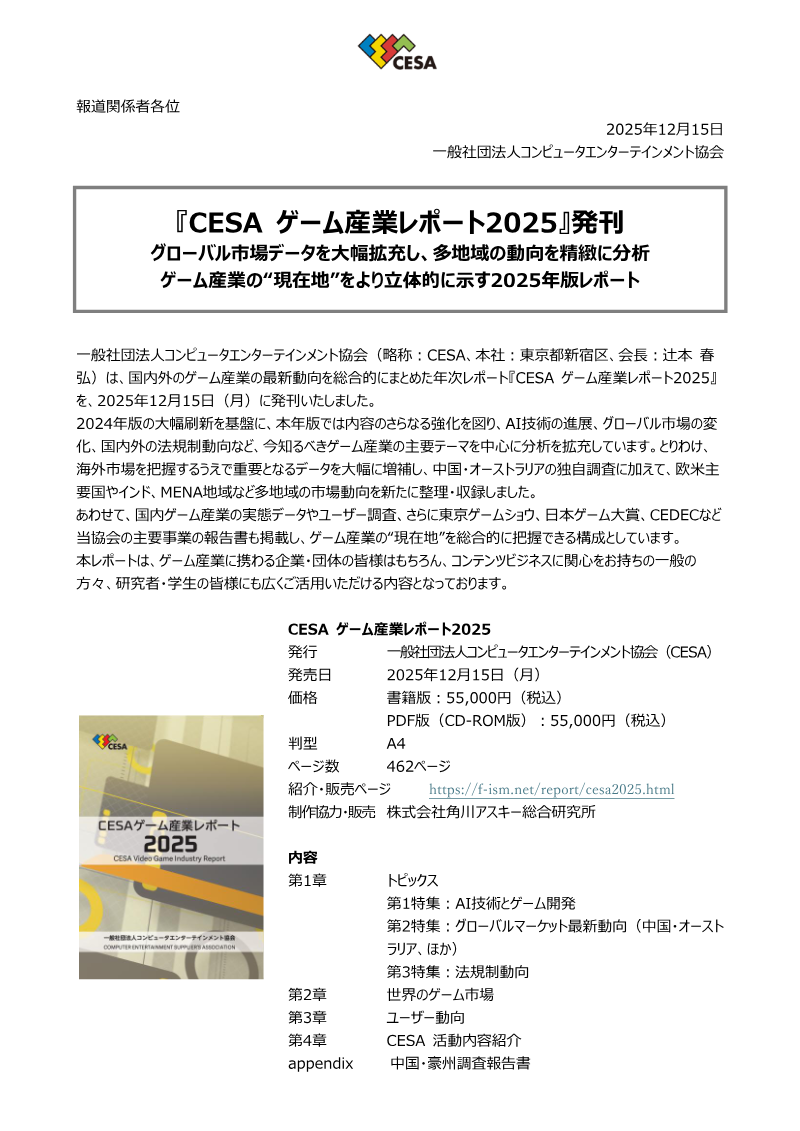
CESA – Computer Entertainment Supplier's Association · 2025
InvestGame · 2025