ArticleGame Studio Unlocked
How to Get to a Game Publisher Term Sheet
5 Jun 20261 pages~17 min full read
Securing a game publisher term sheet is a complex, often misunderstood process for independent studios. The primary objective is to provide clarity on the evaluation criteria used by publishers in 2026, emphasizing that while terminology remains inconsistent across the industry, the core requirements for funding remain stable. The thesis holds that a compelling, high-quality demo is the single most critical factor in securing a deal, far outweighing the importance of pitch decks or supplementary materials.
Publishers evaluate potential partners based on three weighted pillars: the quality of the demo, the capability of the development team, and the strategic fit of the project within their portfolio. A successful demo must demonstrate a clear core loop, market differentiation, and technical execution, while being optimized for a publisher’s limited attention span. The analysis clarifies that a demo is not a "vertical slice" containing every feature, but rather a focused, representative portion of the game designed to prove its value proposition. Furthermore, the team’s ability to execute is scrutinized, with a preference for groups that have previously shipped titles together.
The scope of this guidance covers the modern indie game publishing landscape, addressing the realities of high competition where success rates for pitches are often below one percent. Rather than viewing rejections as definitive failures, studios are encouraged to focus on building assets that directly address publisher evaluation metrics. By prioritizing the demo over secondary materials and ensuring the project aligns with a publisher’s specific business strategy and portfolio, studios can better navigate the opaque funding process and improve their chances of reaching a formal agreement.
Game Studio Unlocked · 2026
Game Studio Unlocked · 2026

Game Studio Unlocked · 2026
Game Studio Unlocked · 2026
Game Studio Unlocked · 2026
Game Studio Unlocked · 2026
Game Studio Unlocked · 2026
Game Studio Unlocked · 2026
Game Studio Unlocked · 2026
Game Studio Unlocked · 2026
Game Studio Unlocked · 2026
Game Studio Unlocked · 2026

InvestGame

InvestGame · 2026
tinyBuild · 2026
Capcom · 2026
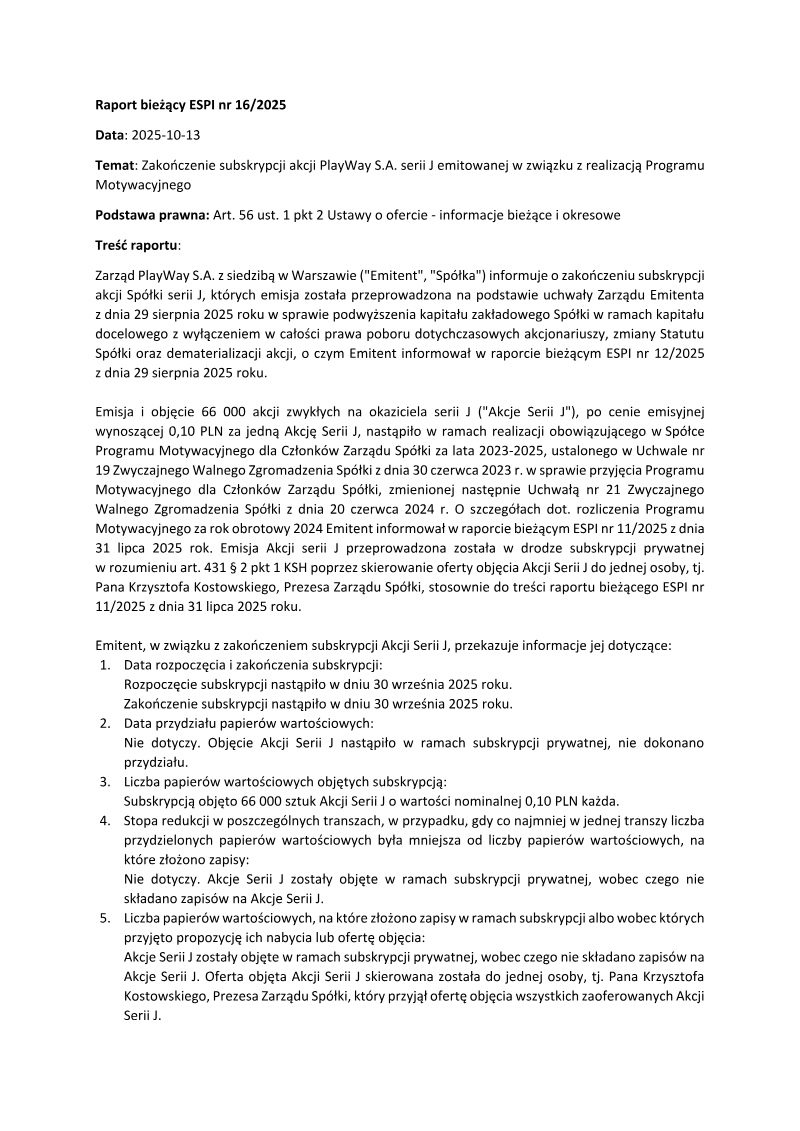
PlayWay · 2025
tinyBuild · 2025

tinyBuild · 2025
CD Projekt · 2025
Koei Tecmo · 2025
Drake Star · 2025

The Games Fund · 2025
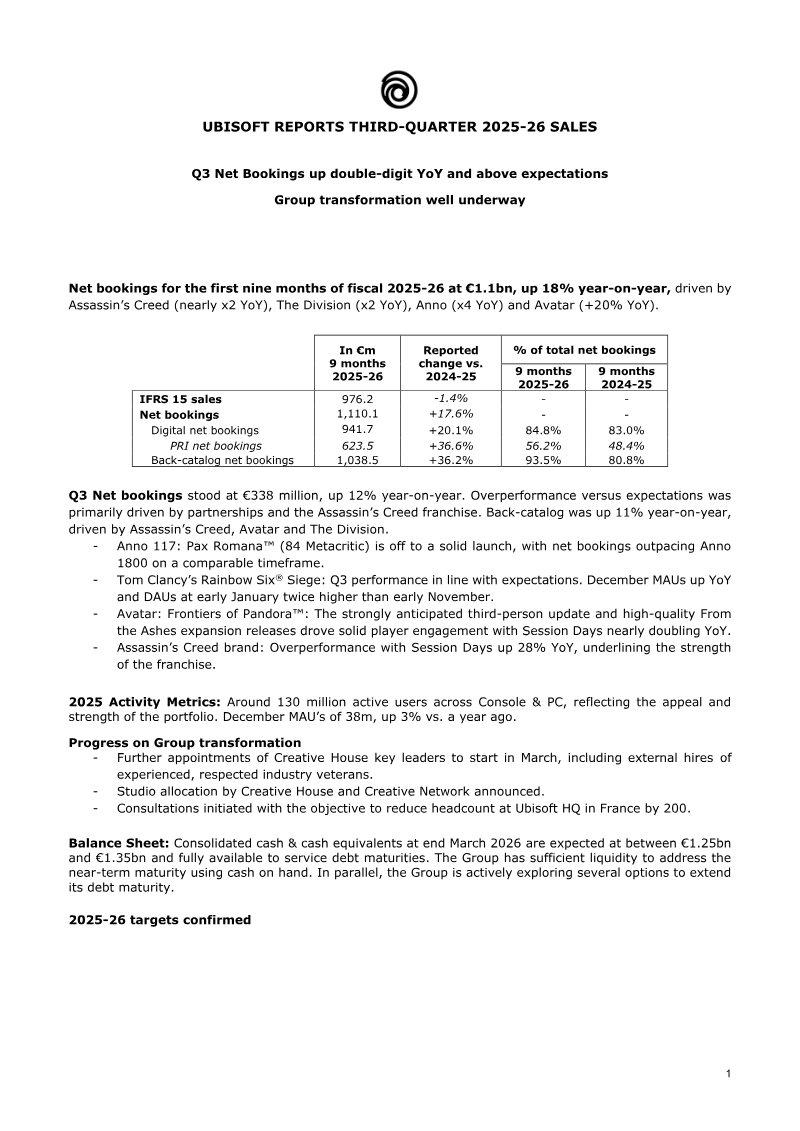
Ubisoft · 2025