ArticleGame Studio Unlocked
The NUMMI Story: Building Teams That Actually Work
27 Apr 20261 pages~14 min full read
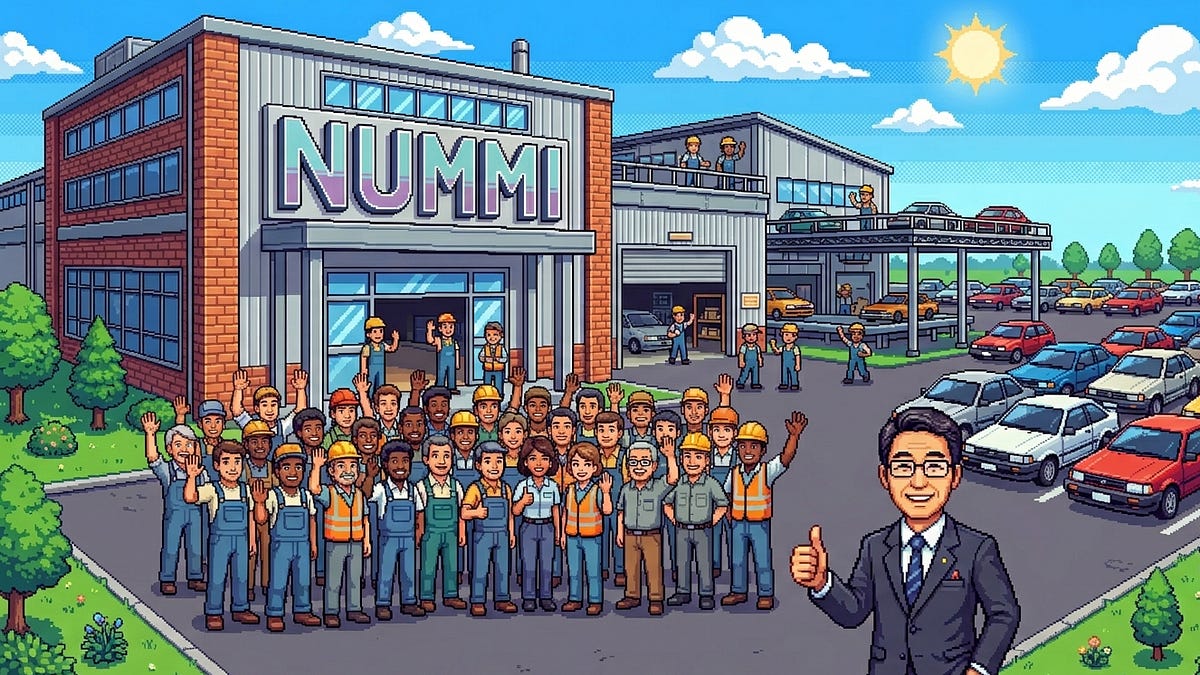
The historical transformation of the New United Motor Manufacturing, Inc. (NUMMI) plant serves as a critical case study for modern game studio leadership. The central thesis posits that organizational failure is rarely a result of talent deficits but rather a consequence of systemic mismanagement that treats employees as interchangeable inputs. By shifting from an adversarial, top-down management model to one rooted in trust, dignity, and worker agency, studios can unlock significant improvements in quality and operational efficiency.
The NUMMI experience demonstrates that a workforce previously labeled the worst in the American automotive industry could achieve world-class quality standards within one year under new management. This turnaround was not achieved through new equipment or personnel, but through a cultural shift that empowered frontline workers to identify and address defects in real time. Toyota’s methodology prioritized immersion and partnership, treating worker feedback as a valuable asset rather than a disruption. This approach proved that when employees are trusted to exercise judgment, they voluntarily align their efforts with organizational goals.
The games industry currently mirrors the failed management practices of the pre-1984 General Motors era, characterized by normalized crunch, high turnover, and the treatment of developers as disposable resources. While many studios attempt to adopt lean production techniques, they often fail to replicate the underlying belief system that makes such processes effective. True operational success requires moving beyond superficial process implementation to foster a culture where developers feel respected and empowered. Ultimately, sustainable game development depends on the recognition that process should serve people, not the other way around.
Game Studio Unlocked · 2026
Game Studio Unlocked · 2026

Game Studio Unlocked · 2026
Game Studio Unlocked · 2026
Game Studio Unlocked · 2026
Game Studio Unlocked · 2026
Game Studio Unlocked · 2026
Game Studio Unlocked · 2026
Game Studio Unlocked · 2026
Game Studio Unlocked · 2026
Game Studio Unlocked · 2026
Game Studio Unlocked · 2026
Poki · 2026
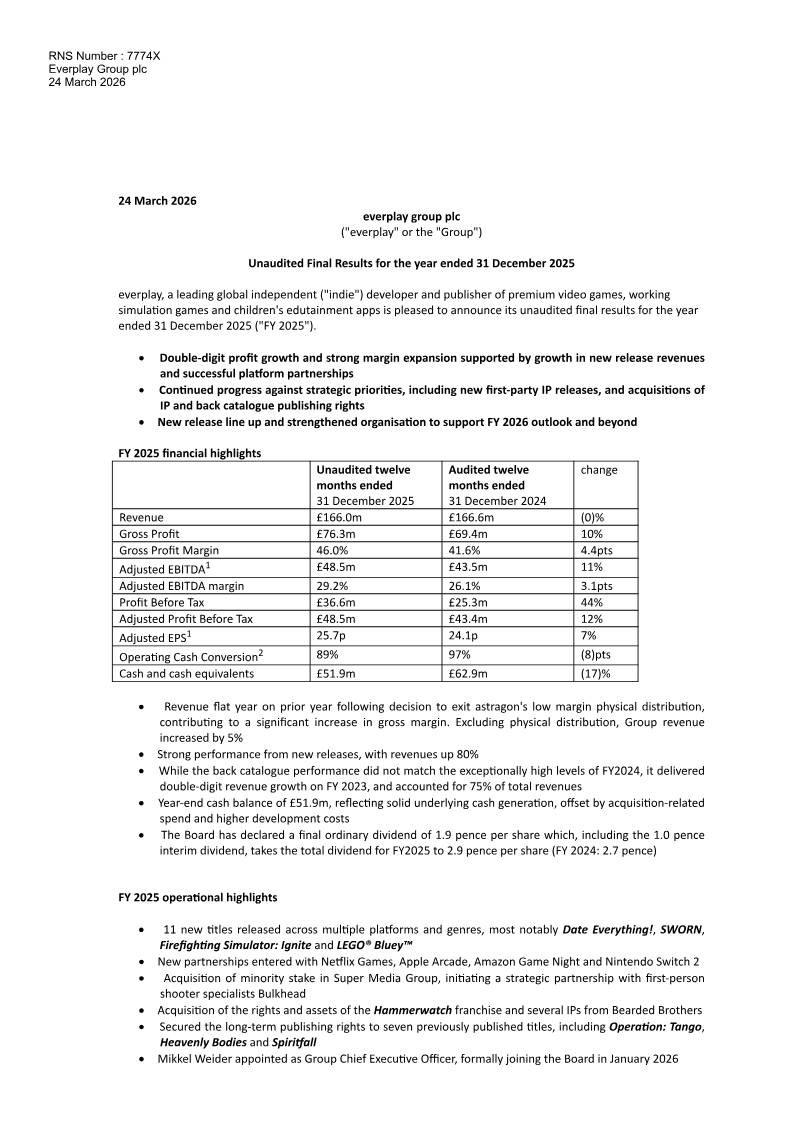
Everplay Group · 2026
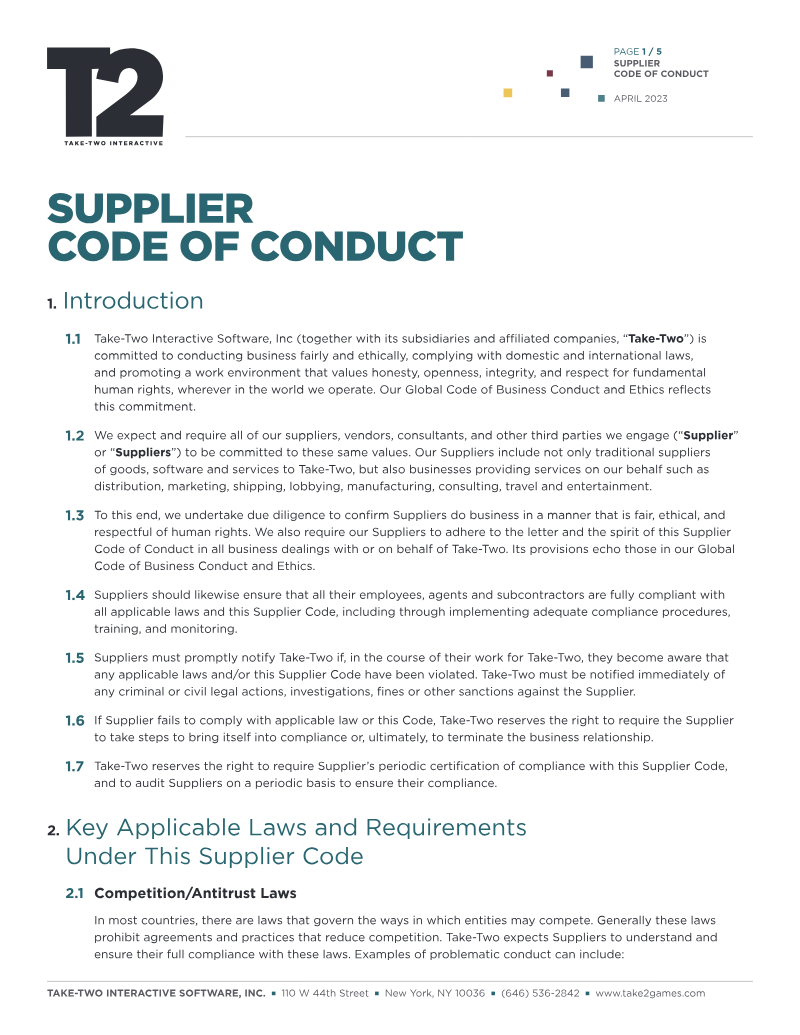
Take-Two Interactive · 2026
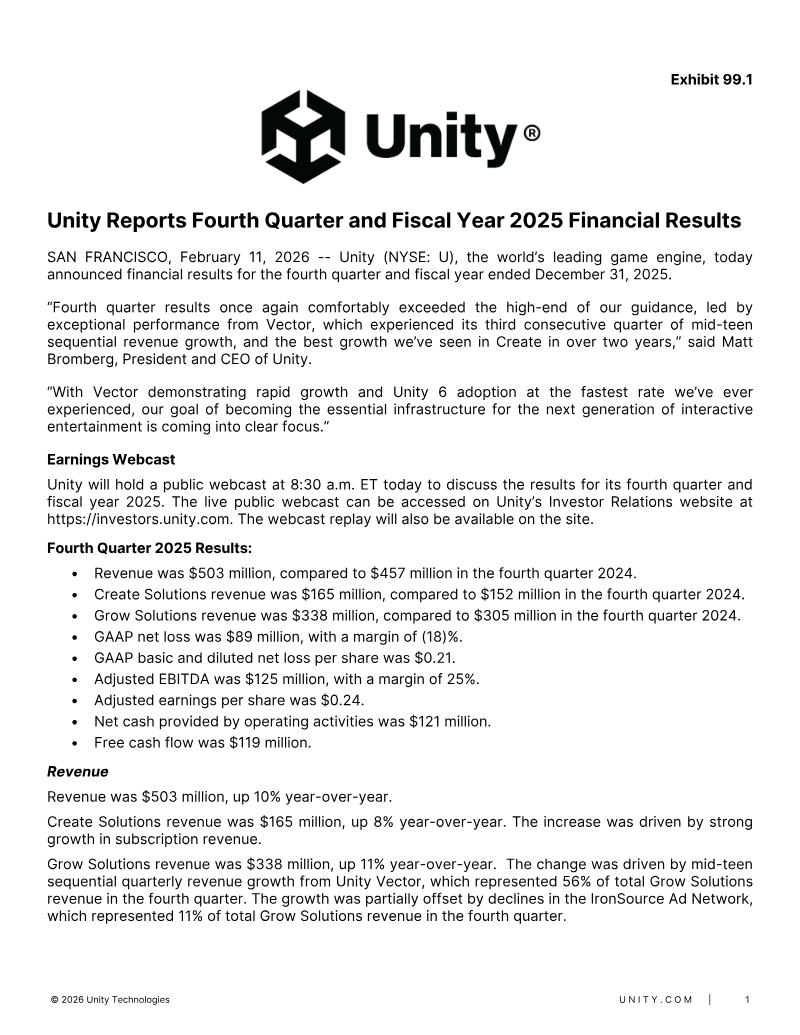
Unity · 2026
Poki · 2026
InvestGame · 2025
PCF Group · 2025
Metaplay · 2025
Konvoy · 2025
Google Cloud · 2025
VG Insights · 2025
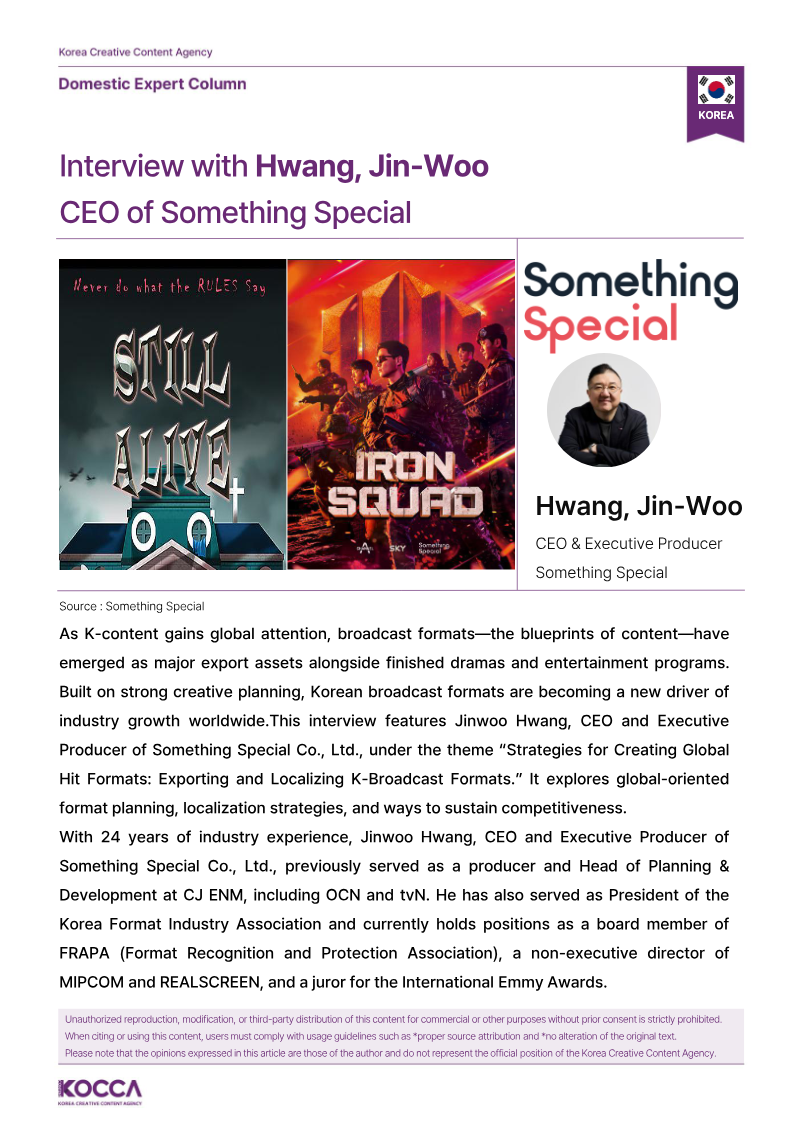
KOCCA – Korea Creative Content Agency · 2025