Time
Company
Documents about Time
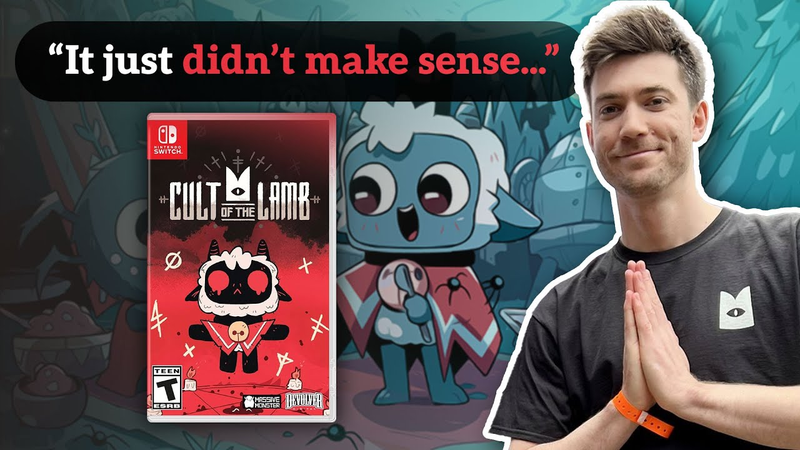
The Long, Perilous Journey of Creating "Cult Of The Lamb" — Full Time Game Dev Podcast Ep. 008
The development of Cult of the Lamb represents a strategic pivot from the rapid, high-turnover environment of the Flash gaming era toward a disciplined, premium-focused model for PC and console markets.
- The visual identity of Cult of the Lamb was a conscious decision to blend cute, Saturday-morning cartoon aesthetics with dark, gritty themes, drawing inspiration from the success of games like Don't Starve and The Binding of Isaac.
- Maintaining a consistent color palette—specifically black, red, white, and a 'holy' neon green-blue—was critical for the game's UI and marketing, ensuring a cohesive visual identity across all assets.
- The development team prioritized strong, clean silhouettes for character design to ensure they remained recognizable and iconic, often simplifying shapes to prevent visual clutter.
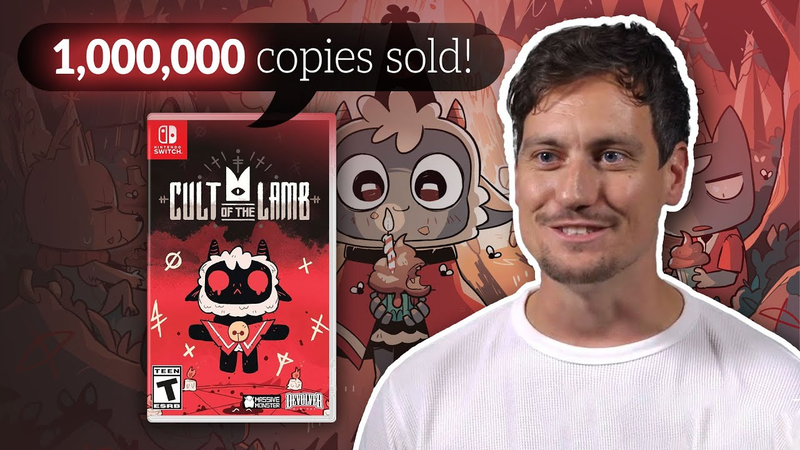
How This Game Dev Sold 1,000,000 Copies of His Game (In A WEEK) — Full Time Game Dev Podcast Ep. 007
The commercial success of Cult of the Lamb, which achieved one million sales within its first week, serves as a case study for the efficacy of high-concept game design and agile production methodologies.
- Massive Monster achieved over 1,000,000 sales of 'Cult of the Lamb' within its first week of release.
- The development process for 'Cult of the Lamb' relied on brutal iteration and A/B testing systems rather than following a rigid, pre-written game design document.
- The team utilized three core design pillars to guide development, ensuring every feature and decision reinforced the game's central vision.
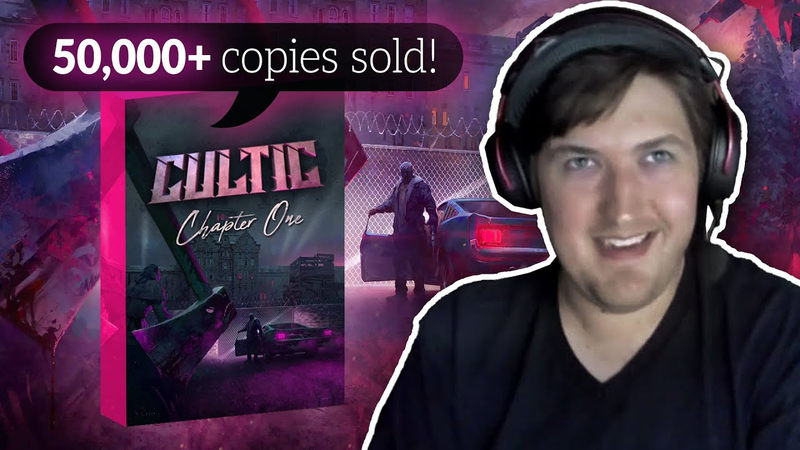
How This Game Dev Sold 50,000+ Copies of His Game — Full Time Game Dev Podcast Ep. 006
Achieving commercial success as a solo game developer requires a disciplined synthesis of creative passion, technical versatility, and market-driven pragmatism.
- The developer of Cultic achieved commercial success by selling over 50,000 units through a strategic blend of creative differentiation and market-driven pragmatism.
- Visual identity serves as a strategic tool; the developer utilized a 3D-to-sprite aesthetic to mask technical limitations while ensuring the game stood out in a saturated market.
- Transitioning to full-time development required a disciplined 'second shift' approach, balancing a full-time job with dedicated late-night development for over a year before securing a publishing partnership.

How This Game Dev Got 100 Million Views In 1 Day — Full Time Game Dev Podcast Ep. 005
The transition from solo hobbyist to professional game developer requires a shift from perfectionism toward market-driven production and sustainable workflows.
- A strong, marketable game concept is the foundation of success, as evidenced by the viral nature of Choo-Choo Charles, which achieved over 100 million views in a single day and reached the number four top-selling spot globally on Steam at launch.
- Game developers should prioritize creating a Game Design Document (GDD) for any project beyond a game jam to organize ideas, define the core gameplay loop, and identify the unique hook that drives marketability.
- Viral marketing can be achieved by making content creators part of the game, such as including them as characters, which provides them with a mutually beneficial reason to feature the game in their own thumbnails and videos.
The Path To Full Time Game Development Income | EP 007
Achieving financial sustainability in independent game development requires a strategic hybrid model that balances high-margin contract work with the long-term pursuit of original intellectual property.
- Achieve financial sustainability by adopting a hybrid model that uses high-margin work-for-hire contracts to fund the development of original intellectual property.
- Secure predictable cash flow by targeting non-gaming sectors such as cybersecurity, manufacturing, and food service, where project budgets typically range from $10,000 to $100,000.
- Position the studio as a high-value problem solver by creating interactive experiences for corporate trade shows and internal events rather than competing as a commodity laborer.
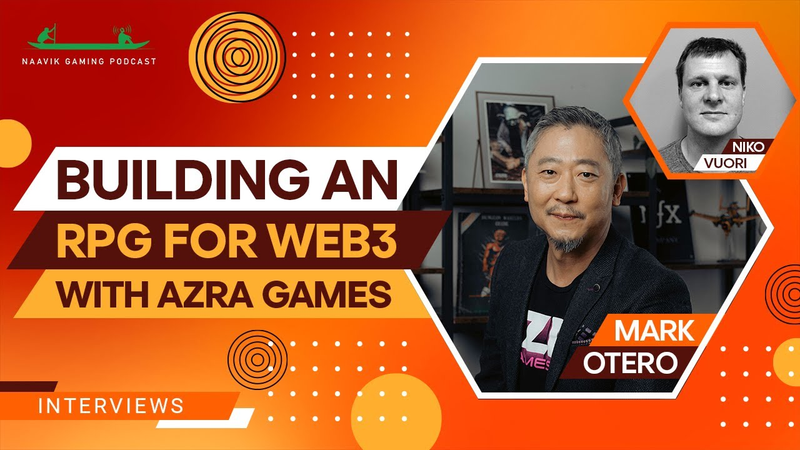
Building an RPG for Web3 With Azra Games
Azra Games is pioneering a new approach to the role-playing game genre by integrating digital ownership into high-quality, intrinsically rewarding experiences.
- Azra Games is developing 'Legions and Legends' with $25 million in funding, focusing on high-quality RPG gameplay to bridge the gap between traditional gamers and crypto-native participants.
- The studio utilizes AI-driven production workflows to reduce development costs by over 50% while maintaining a local-first office culture.
- To mitigate the 'Time Value Paradox,' the studio employs a dual-funnel system that separates traditional players seeking intrinsic satisfaction from crypto-native speculators interacting with utility tokens.

2023 Independent Games Festival (IGF) Awards
The 25th annual Independent Games Festival Awards served as a pivotal platform for celebrating creative innovation and technical mastery within the global independent gaming sector.
- The 25th annual Independent Games Festival Awards prioritized titles demonstrating experimental mechanics and unconventional storytelling, exemplified by 'Betrayal at Club Low' winning both the Seumas McNally Grand Prize and the Nuovo Award.
- Industry leaders identified the elimination of exploitative labor practices, such as crunch and burnout, as a critical requirement for the long-term sustainability of the independent gaming sector.
- The event established a direct link between creative success and ethical workplace standards, advocating for industry-wide adoption of pay transparency and prioritized employee well-being.
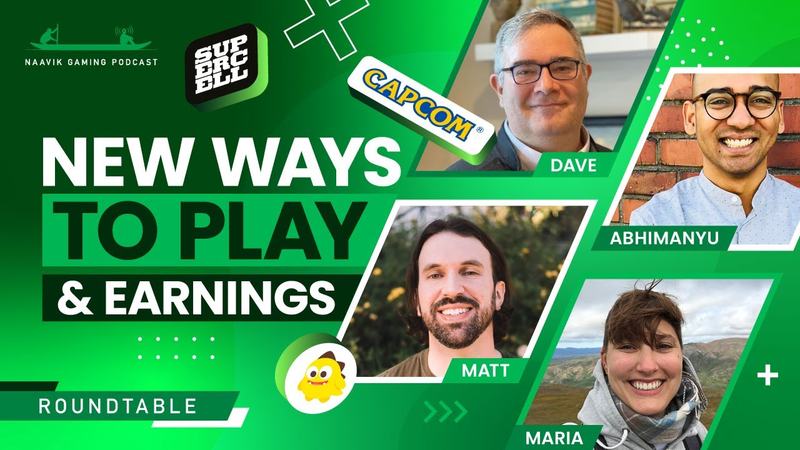
Is It The Right Time to Invent New Ways Of Playing & Developing New IPs?
The global gaming industry is currently navigating a period of financial contraction and strategic uncertainty, characterized by a shift away from high-risk innovation toward the preservation of established intellectual property.
- The gaming industry is currently prioritizing the optimization of established 'forever franchises' over radical innovation due to post-COVID market corrections and rising operational costs.
- Major firms like Supercell and Capcom are struggling to balance the preservation of legacy intellectual property with the necessity of developing new, genre-defining experiences.
- Companies are increasingly favoring the acquisition of proven intellectual property over the development of new studios to maximize profitability through standardized tools and infrastructure.
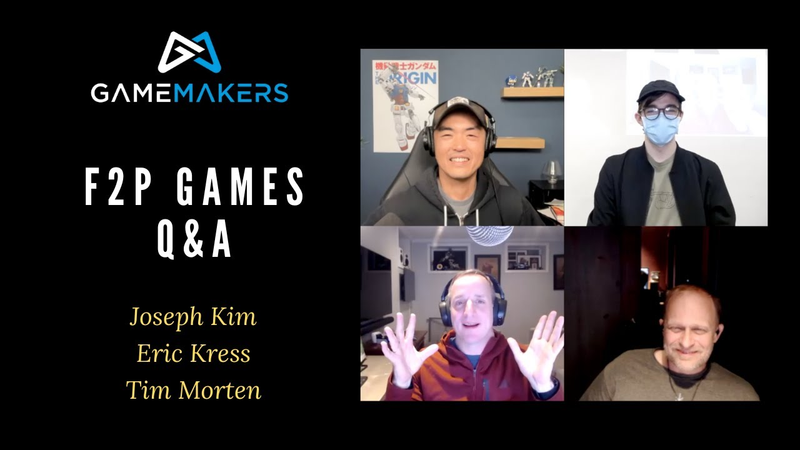
F2P Games Q&A: Future of Games, RTS, Company Culture, and More (Joseph Kim, Eric Kress, Tim Morten)
This discussion features industry experts Joseph Kim, Eric Kress, and Tim Morten addressing business strategies, market trends, and organizational culture within the gaming industry.
- Product development must prioritize solving tangible consumer problems over speculative technology, as emerging platforms like VR, AR, and blockchain currently lack the mass-market utility required for widespread adoption.
- Startups should utilize a single 'North Star' metric at both the organizational and team levels to prevent the inefficiency of multitasking and ensure resources are focused on high-impact growth and retention initiatives.
- Modernizing the RTS genre requires balancing high-skill competitive depth with improved onboarding and social features to increase accessibility and player retention.

Freelancing Tech Art Part-Time: A Few Dos and Don'ts
Technical art represents a high-demand niche within the gaming industry, offering significant opportunities for full-time professionals to supplement their income through strategic freelance consulting.
- Treat freelance technical art as a formal business entity with separate financial accounts and professional accounting services to manage tax obligations.
- Implement a 15% time buffer on all project estimates to account for unforeseen technical complexities and ensure accurate delivery schedules.
- Protect proprietary client data and maintain professional standards by utilizing robust version control systems like Perforce for all project assets.
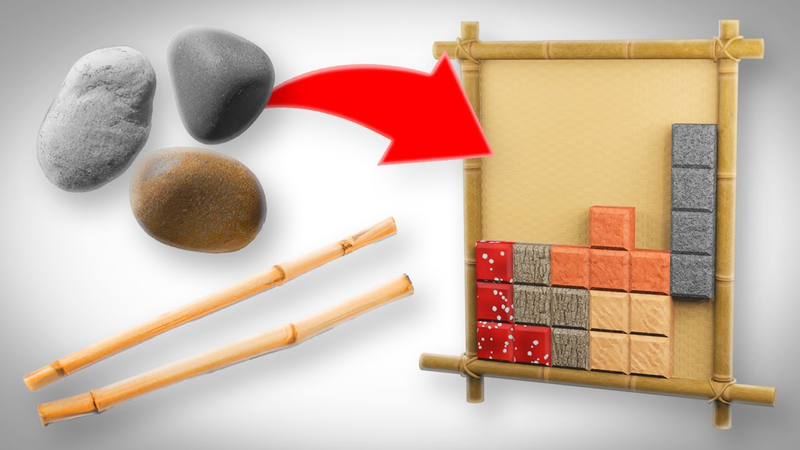
Game Developers Touch Grass For The First Time
This project explores the creative potential of game design outside of traditional digital environments by challenging two professional game developers to create functional games using only natural materials found in a forest.
- Physical constraints and natural materials can serve as a catalyst for innovation, forcing developers to abandon habitual digital design patterns.
- The project successfully developed four distinct prototypes using only forest materials, ranging from simple skill-based tests to complex strategy games.
- Integrating 'satellite mechanics'—such as teleportation and destruction tiles—into a physical bridge-building game created a depth of strategy that the developers found difficult to conceive within standard digital workflows.

Making 90s Games Full Time — Full Time Game Dev Podcast Ep. 004
The development of retro-inspired, point-and-click adventure games represents a viable path for solo developers to secure professional publishing deals and transition into full-time careers.
- Solo developers can secure professional publishing deals by creating retro-inspired, point-and-click adventure games that leverage pre-rendered 3D graphics.
- Using tools like Blender and Visionaire Studio allows developers to achieve a high-fidelity aesthetic that serves as a distinct marketing hook while avoiding the technical overhead of real-time engines.
- Rigorous project management, including modular design and detailed documentation, is required to prevent scope creep and manage the complexity of large-scale environments.