1 free read left. Create a free account for unlimited reading + AI research.
Create free account
Is It The Right Time to Invent New Ways Of Playing & Developing New IPs?
Key insights
6 takeaways- 01Major firms like Supercell and Capcom are struggling to balance the preservation of legacy intellectual property with the necessity of developing new, genre-defining experiences.
- 02The industry's current focus on immediate financial results and risk aversion creates long-term strategic vulnerabilities by stifling the creative development of next-generation gaming experiences.
- 03Experimental initiatives like web3 integration have largely faltered due to technical friction and a failure to prioritize mass-market accessibility, leading firms like Netmarble to pivot back to revitalizing aging portfolios.
- 04Companies are increasingly favoring the acquisition of proven intellectual property over the development of new studios to maximize profitability through standardized tools and infrastructure.
- 05The gaming industry is currently prioritizing the optimization of established 'forever franchises' over radical innovation due to post-COVID market corrections and rising operational costs.
- 06To combat market saturation and declining streaming viewership, developers are shifting marketing budgets away from broad campaigns toward long-term partnerships with niche, personality-driven content creators.
Ask AI about this video
Transcript
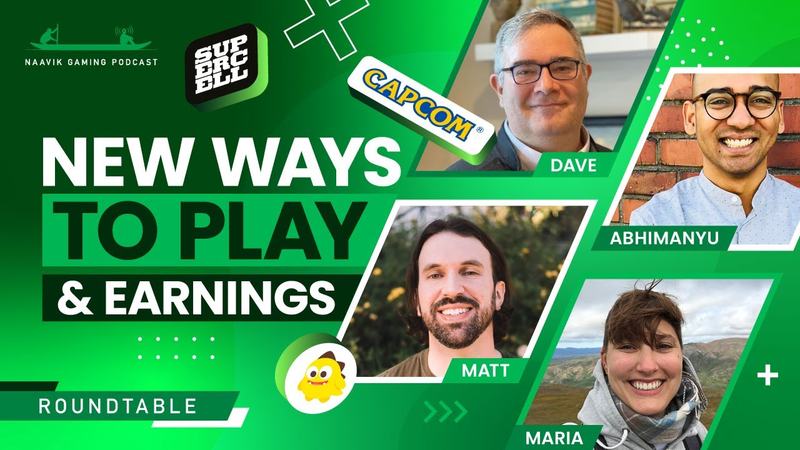
[Music] welcome to the novic gaming podcast where it is our mission to explore the business and future of video games we bring together the industry's brightest Builders investors and thinkers to keep a pulse on current events dissect emerging Trends and games share Lessons Learned and have a great time this podcast is also part of novic growing ecosystem which ranges from free and premium research to Consulting and AD advisory services for more information visit [Music] www.nic.edu Manu Kumar co-founder of navic Matt Dian content contributor at navic and Dave Elton who's going to do a small intro hi Dave hi thank you for having me so I'm Dave Elon I'm president
at Blue Line Studios uh I've been in the games industry for just under 30 years uh it's kind of hard to believe it's been that long but it's been a fantastic Journey uh I've worked with companies large and small uh I've had the you know good fortunes of working on uh you know big franchises small games uh everything in between uh I've even dabbled in the world of theme park uh theme ride creation as well so it I considered a a very fortunate career and I've been able to see a lot and hopefully I can share you know some of what I've learned over the last little while Dave you have to say what theme park it was because this is amazing uh okay so there are two different theme parks um the smaller one uh it was actually a Twilight IP where is a VR ride Twilight Twilight where you're on a on a motorcycle on a motion base um that one is at Lionsgate entertainment World in Zai China
uh and the one that was a bit of a dream when I found out what it is I'm be working on um we did the a AR software for Mario Kart for Nintendo World at Universal Studios um so that was uh that was fantastic uh it was a fantastic experience working with both uh I can't say enough about you know lion skater Universal they're they're great teams yeah it's so interesting if you're working in the video game industry there's just a lot of these mediums that we don't use talk about cool yeah well alongside theme parks today we're also going to be covering uh net marble and capcon earnings we're also going to look at game only Acquisitions that have been popping up more often supercell released a last minute yearly letter unfortunately just in time for us to create some thoughts on it uh and also looking at stream hatchers Report with the a pulse on streaming and first off we have Manu Supercell
sure yeah I can I can go first so so this was actually going to be an update about uh Squad Busters uh the new game that you know they dropped a couple of weeks back but um yeah while I was doing the prep preparation for that today uh ilka's you know famous annual letter uh came out uh and basically had to you know replan the whole thing uh but but yeah I mean it was uh it was it was a good read as as it all uh like you know as it is every year um and and yeah he did say like a lot of things but I I will like maybe just start with saying that um you know ilka's letters have like incre and maybe this is just me feeling it but ilka's letters year on year they just increasingly feel more like public apology statements for you know like supercell not being like able to do what they do or what they have done uh for you know uh with Clash of
Clans and Clash Royale and Heyday and things like that and I don't know maybe it's just me but you know it always kind of feels like that and he kind of always outlines the problems that they're facing how they're thinking about their future and you know how they want to like change all these like just structural fundamental things about how they do things uh in the future but you know it's one of those action speaks louder than words kind of situations for me and um and yeah still I mean that said uh there was like a lot of interesting stuff in the letter um on the on the bad news side you know I mean revenue is down again 6% year on year uh they they made um what is it yeah 1.8 billion EUR um and that was down 6% year on year iita was uh down even more about 14% year on year about 632 million euros various reasons for this including you
know the whole postco hangover which basically is kind of affecting the entire industry um he did mention the whole at impact but you know um 90% of super cells installs are all are all organic so you know there's not too much of that uh impact then he also mentioned the whole turning off of you know Russia and bellus um turning off games in these countries that affecting a lot of it and then just like increased in investments in R&D and you know other Studios and such so all of that kind of resulting in you know this greater iita drop um versus uh Revenue then um then like so then the first half of the letter is all about like that whole you know apology kind of a uh kind of a thinking but um but yeah he was kind of mentioning you know like just various challenges that supercell uh kind of faces and how they're thinking about you know new games in the
future um I guess some of the key highlights more future Focus so first is supercell is basically going multiplatform so I mean we kind of saw that coming with the whole North America studio and stuff um but yeah that was definitely interesting it it is just hard to ignore games like you know genin impact and Marvel snap and just the general like crossplatform or multi-platform for a strategy that you know a lot of uh a lot of the bigger games are kind of going for second highlight was you know just heavy heavy liveops based thinking so we've kind of start we already start started to see like the beginnings of that in supercell when they started expanding their teams you know for G like their long-standing games and wanted to kind of uh move closer to like how live Ops is usually done or mostly done by the rest of the freet topl space um and then the third highlight um and this actually this actually was a big
portion of the letter and he kept bringing this point up again and again in different ways which is um Hing so super supercell has actually just become very very aggressive in hiring and you know like he mentioned things like just general team growth across the board um very specifically calling out that you know they're uh or hybrid first you know in uh in their uh hiring and how they operate these days it's it's not no more like office first um and they're also um relaxing the whole you know super a super sellion requires uh 10 plus years of experience in games so you don't need that anymore and honestly like even you know on my own LinkedIn feed I have actually started to see just more and more people joining supercell so hiring as a topic is becoming quite big for them
um but yeah I mean that that was um those are like some of the highlights of the letter but I guess one thing one thing I want to more talk about is you know um just like bigger picture like what does kind of supercell need to do to maybe uh reverse their strategy or reverse their you know fortunes until now um I guess my overall take is you know uh supercell really has like all of the pieces of the puzzle figured out um you know they can they can create like great meta system metag game systems the you know balancing models that you know the rest of the industry kind of tries to copy uh liveops also they have like you know figured out to a good extent and they're expanding their teams to kind of do that and things like that but the one thing that I've always felt with all their more recent um game launches is that just that secret sauce that they used to have have about this core game
experience something like something very Innovative has kind of been lost um and Ila did mention in that letter you know he's he said something like um we don't have all the answers but if you do let me know and I felt um I was really trying to think hard like okay like what what are they not asking themselves when they kind of launch these new games and um the one question that uh I felt is maybe missing from that letter is and this is a question that is answered yes for all their previous games is when they launch a new game are they kind of asking themselves whether this new game is a new way to play um you know it could be like even if they're building for an existing genre so I felt like the answer to this question was always yes in the past you know um Heyday when I played that it
felt like that Clash of Clans also felt like that Clash Royale definitely felt like that um braw stars maybe less so but still like yes enough you know on that question but everything after that you know like um everdale and they did that uh the tower Rush the tower Rush game or something uh and then even the squad Busters you know none of it like really like is a strong yes to this question of is it a new way to play um and yeah I have to like give a shout out to like Jordan who's part of our Consulting team he he did this recent podcast with JK on game makers and um they were discussing the shooters report and one of the reasons that they or one of the reasons that Jordan kind of said that extraction Shooters is you know really kind of growing is because it's an entirely new way to play
that same genre uh Battle Royale and and yeah I I don't know if supercell is kind of asking themselves this question hard enough internally before they kind of put something out um so yeah anyway I stop there but when you first said that it was a public apology I was like is that a good thing or a bad thing okay it sounds like your take is that it's not a good thing and well I mean I I don't know that that honestly that's just like my personal take but uh the impact of it is you know we like we would then discuss the letter and if Ila is here like listening to this you know maybe he he's this question of is it a new way to play and maybe that's like uh you know something he feeds back to the team but do you think that supercell becoming a global operation so expanding from from Finland increasing the company's head count do you think that could have impacted the supercell magic because they're scaling more I wonder if the
magic sauce just has to evolve with the scaling of the company I don't know like I mean I I think one of the bigger reasons that they're kind of expanding outside of the helsinki's off helsinki's office is also to just break out of the way things are done in Helsinki you know the shadow of Clash of Clans and Clash Royale is bigger in Helsinki then it might be in China or in um in the North American studio and such so I think that's probably one of the core reasons that they want to expand find new people with new ideas um and you know and like try to find that magic again so um I do wonder if that's a little bit of it is it you know are they trying to make supercell games actually to their detriment in that uh you know the the teams are organized in a super you know in a supercell way uh the process for how they develop games in the supercell
way do they end up creating a lot of similar games to what they had originally because the structure is the same um are they looking at you know potentially breaking out of that structure by having you know different ideas different ways of looking at how you actually make games um you know I think it's it's a dilemma that a lot of companies have like you know how do I create a game that is true to my audience but is something brand new and like early days for supercell they were building up what does that mean to be a supercell game and now they have that definition of what a supercell game is and um you know do they need to work on redefining what that means today U I think one of the other one of the other bits he was talking about was uh you know he reiterated a few times making a hit game is hard uh which is 100% true 100% agree with that um Dave with your experience in the industry do you see this has a common pattern with companies that were
successful in gaming and then over time they struggle to to reinvent themselves and do you if yes do you have examples of companies that did manage to succeed oh that's a great question um funny enough one of the game one of the companies we're going to be covering today Capcom I think is one of those cases where it was a company that has seen what its success has been in the past and then continues to uh you know churn inside those those franchises a company that has uh succeeded um recently I think that's that's really hard to actually find something for a number of reasons one you know as as games become larger and and more entrenched like we talk about the forever franchises um you kind of want to have something that is you know very much a a franchise a label something that's very easy for people to um be able to
understand when you say there's a new Final Fantasy game coming out people know what a Final Fantasy game is like or a Call of Duty or um you know even a supercell game you know it's a very defined characteristics to those which really help in that in the marketing efforts um so I think it's it's tough to come up with breakout games that kind of really really redefine the mold for a company in part just because do they want take that risk because you know trying to get something new in front of people uh is really expensive and it's really hard to do um you know it's it's it's a huge Challenge and it's something I think the mobile game teams have a really hard time figuring out do they take the risk in in trying to redefine themselves or or create something really new i' also I'd also add like you know I I don't think like supercell has like a
it doesn't have like a re like reinvention problem like if if they're thinking about this in the way that you know we need to like reinvent ourselves or or something I I I wouldn't like say that that's the right way to think about it it's just more about you know going back to their Roots like kind of what made them great and um that's why this question about you know like at least for me like is is it a new way to play is kind of rooted so and all their new yeah just their new games have all been like these incremental you know Innovations um like that Legend of Soul guard game also which was basically like you know I forget what the name of it was but it was basically Legend of Soul guard um and even Squad Busters like it's basically taking you know um brawl Stars uh braw star gamepl and then adding in like this one Rog like round
mechanic in it uh maybe that's enough to kind of you know make it feel like uh a new way to play but I haven't played it I'll have to like actually get my hands on it to kind of you know uh feel that thing but um but yeah at least watching YouTube videos and stuff it still feels little bit more in the incremental Innovation Camp versus you know something bigger um um well we'll we'll be rooting for supercell I find that supercell is almost the the the grand the grandfather of the industry at least in my emotional connection with that company it's I really hope that they succeed and keep bearing the flag of what what Excellence looks like in the industry so yeah hopefully hopefully the next year's letter will not be an apology letter it'll be a success letter you mentioned Manu that the letter asked like if you know how to if you have the answer like please let us know and I was just sort of thinking
like you know a million gaming podcasts and consultancies and blogs lit up with that comment because everyone has a an opinion on super an opinion yeah um I think another topic which is the next topic that everyone has an opinion of is DJ daaku so yeah Matt how did that Super Bowl ad go yeah I I I hope you all have opinions I certainly have opinions um so yeah I'll just do like a really quick recap for those of you who are not really following web 3 gaming so high level there's a company called limit break it's run by Gabe Laden who is formerly of machine Zone they have this project called Digi daaku and it's been on the radar of everyone following web 3 games uh for a while now because they spent $6 and a half million dollars to reserve a 32nd ad in the Super Bowl of American football for our non-american listeners um and so this was really hyped up Gabe was you know all over Twitter um pumping this up and
um I think it was a little bit of a letdown in my opinion um H so let me just explain what happened here so they had a 30- second ad during the Super Bowl it threw up a QR code where um viewers could scan the QR code and then go try and mint one of these 10,000 free nfts uh that I guess are going to be a part of a game that has yet to be released um and you know somehow go INB yeah as it goes yeah somehow this connects to the broader ecosystem of other nfts that that limit break has put out in the past that that are also free by the way um and where I think it was a bit of a let down uh one is in the execution so as you can imagine 10,000 nfts to a Super Bowl audience of millions you know they were gone in an instant um this was exacerbated by the fact that Gabe himself tweeted out a link to Mint before the commercial actually went live so you know if you're
if you're active in web3 gaming or in nfts you follow folks like him on Twitter very closely and you know this is a this is a financial opportunity for a lot of folks as well uh as we'll discuss in a moment so these uh these nfts minted out you insanely quickly and uh for those of you that you know may have tried and didn't get one it redirected viewers straight to his Twitter page um not to the game or to limit breaks website but to his page um and we'll come back to that in in a moment as well so again no game to play right it's just to M the nfts um so even if you were lucky enough to get in uh be one of the 10,000 to Mint an nft you still had to have an ethereum ready wallet uh in order to Mint this nft and this is where I think this is there was a bit of a let down in the sense that like the way that this was hyped up and maybe I'm misinterpreting but the way it was hyped up was it was going to on board the masses to web 3 gaming it was
going to expose a lot of people that knew nothing about crypto games to uh you know the blockchain into nfts and whatnot and if you are like hey let me check this out but then you get in you're like what's a wallet and how does this work like that that's you know it's an instant friction point now is it fair to expect um limit break to solve all these problems by themselves no probably not but you have to anticipate that there's going to be some amount of people that don't have a wallet that don't understand how nfts work um so from that standpoint and from the sort of the execution mishaps I think it's a bit of a let down in the sense that it's it didn't necessarily adopt it didn't bring the masses to web 3 gaming however I will say that it's not necessarily a failure from limit breaks perspective right even though um the ad redirected everyone to gab's Twitter and it feels like a really expensive engagement farming effort like he is the mouthpiece for this company and for this game or set of games whatever it is and so from that perspective I think it was very
successful right he's he's gotten a lot of attention for this project certainly he's raised awareness uh among the general public although it might be difficult to measure that um if you want to look at like Twitter followers as a proxy for that you know he had about 845,000 followers at the time the ad ran and now he's well up over a million uh when I checked yesterday I'm sure it's higher now um and as I said he's essentially the mouthpiece for limit break so it's good exposure for them um the drop minted out and uh at the time of writing it was trading at a pretty healthy clip it was uh around a 0.221 eth floor price with uh more than 1,200 eth total volume traded this is north of a million dollars US um and only 4% of them are listed so you know that indicates quite a few people are holding on and they're going to see you know how does how does this impact the game or how does this appreciate in value um again this is the financial speculation aspect of nft you can argue whether that's good or bad for gaming generally
I think there's reasonable arguments to made on both sides um so I guess the question I have for the group is um twofold one do you think it was successful and two however you'd like to define success and two was it worth the six and a half million dollar that they spent for the 30 second ad plus whatever it cost to produce the the spot itself so I'll turn it over to you all what do you think uh silence was it worth $6.5 million um I think the one thing it it did poorly but did to some degree is get the name in front of a lot of people um but you know looking at the commercial it wasn't I don't think it did a fantastic job of branding the game or branding the company or or anything like that you know the biggest part was that QR code sitting in the center and and how many people you know watching the game are
you know phone ready going oh I got to capture that QR code and interact with it right away um and I mean honestly if it was a case that they were just looking to get 10,000 people to Mint uh he could have done that through his Twitter following and I'm pretty sure that you know the vast majority of that of those 10,000 went just from the Tweet before before the community Tri aired um yeah so do I think it was worth $6.5 billion maybe at a stretch uh I think it depends of what they really hoped as what their their end goal was like what was their what was their target for this and I think it was you know trying to get a broader reach and maybe they succeeded at some level of that I guess for me like the biggest Miss in this whole thing was why the hell 10,000 like if you're going to be sh this ad to you know uh I guess like
yeah American football in America is very similar to Cricket in India it's kind of like a religion I guess a religious kind of sport um I mean why would you limited to just 10,000 you know I mean even if you put a QR code over there and it's only you know visible for 15 seconds and whatnot um that QR code was everywhere after you know that 15 second commercial but once your 10,000 uh you know those nfts are gone then you can forget about onboarding the masses you know into this so that just for context it's like the viewership of the Super Bowl is like 113 million uh compared to 10,000 yeah I I was actually thinking about like what the number could have been and I was going to say 1 million but if it's it should have actually been like a 1 million Min but yeah 131 million yeah it should have been like a 100 200 250 million mint you know uh that's that's
like onboarding the masses not 10K and then you know 1.1 million Twitter followers but uh yeah that was probably the biggest Miss in this whole thing so yeah probably agree with Dave uh not worth 6.5 million and also just um a lot of hopes for the broader web3 Gaming Community especially the developer Community were in on this thing you know and and that's like also I think Gabe also just let down the developer Community I think the web 3 gaming Community has more to learn with how Rihanna did the market marketing for her business through the the concerts yeah Rihanna was great by the way uh one thing I wonder is you know in In fairness to limit break there was some news just the day before the Super Bowl that um all cryptocurrency ads were
being banned and I wonder you know did they have to descope or change their approach in any way as a result of maybe late breaking decisions from the Super Bowl I speculating here to be clear but I wonder if if that impacted their their plans at all but I don't know I don't think it was a complete failure on limit break's part but I do think that the hype and the expectations maybe did not match the way that it was communicated yeah we have to jump on to the next update so that we can start diving into the deep Dives yeah any other thoughts here do do better next time gab um firey Manu you also have the next update yeah I mean like yeah look at me who am I talking to I mean Gabe is Gabe right but still he can do better with the 200 million that he got um anyway um so yeah I guess yeah last update this is
actually more of a curiosity for me and something I've just kind of noticed you know happen more often which are which are these like game only Acquisitions um probably the most recent news was you know original games um acquiring merged them from bigger games um you know some other examples more recent ones still front kind of acquiring I ion Throne uh scopely acquiring stumble guys um and yeah maybe even like supercell kind of giving away everdale I would put in the same bucket to some extent um and yeah there are like more examples like this and even some more like from from the from the past itself um but yeah it's it's just a thing uh it's kind of like a style of uh inorganic growth that's been popping up a little bit more uh recently and um I was trying to think about okay like you know why this happens um and I was able to come up with three reasons but you know uh I'll I'll also like hand
it over to Dave to kind of explain like the true why for why this happens but my three three reasons were one is you know it could potentially be you know the the acquiring entity uh just has like a completely new game vision for for that game so you know uh it kind of becomes like a bill versus bu decision for them and when it makes sense then they would just you know buy um the other is they kind of keep the game the same but they have like a completely new liveops vision for it so you know um either from a user acquisition perspective or or just like general you know more product focused liveops and then the third is um I wasn't able to come up with like a you know more formal name for this but I'm just going to call it uh inorganic growth without the extra baggage so uh of you know like the people and stuff so um but yeah these these were like three
reasons I was able to come up with but yeah I think Dave has like more expanded thoughts on this so but that yeah give us the give us the truth Dave why why is this happening more often uh how about I'll give you my uh version of the truth or at least as as I've experienced it over the years um yeah teams acquire uh IP uh rather than companies uh for a few different reasons uh I think you've you've really touched on a couple of the the bigger ones um and I'll kind of cover it from both the publisher side as well as from the developer side uh on the publisher side um there are a number of cases where even full companies have been built around taking games that have been successful in the past uh still have an active live operations to it but I think that they can do it um either as you said you know have a better or more clear or more upto-date version of what that liveops plan could be or they look
at it in terms of um they have a very strong marketing uh and user acquisition platform and can look at remonetized that particular title um be it adding in new types of uh add Revenue into it uh as well as potentially looking at are there ways they can make the the liveop side of things cheaper so if a game team has built up a game you know inside you know the United States or Canada or someplace where the game team can be more expensive than uh working with game teams and in other areas of the world um they can look at can we add new forms of monetization into this game can we reduce our live operations costs and end up with a you know a game with much better margins than what the original developer uh was able to do and there have been whole companies built around this sort of uh concept um you know early days it would be uh was it rocku I think it was uh and
then more recent um you know some aspects of uh some of the the companies work on aggregating a lot of companies um you know still front as an example another company would be popach um where they've taken games um interestingly for that particular company they were part of the team that developed the Smurfs with Capcom many many many years ago and have now reacquired the Smurfs properties and redoing the games um so that's one of the main reasons on the publishing side especially you know if they think they can do a much better margins uh with those particular games they don't have to take the risk of trying to create something new it's it's known it's established and they can see if they can do a better job DEA games Deca games is another example they built their home they've been acquired by embo group I think yeah um and then on the other side on the developer side why they sometimes look to actually sell their games um you
know some companies don't want to keep on growing some companies like to be a particular size and uh you know they if they've created a game that uh has been around for a while and you know they've been working on the same game for three five seven years they want to try something new and so they may look to see if they can extract you know some value out of the work they've done to that point pass it on to somebody else and allow them to try something new um and allows them to uh you know refocus also as another potential example like part of the reason why some companies look at selling a particular set of games is because they do want to change you know what the focus of that particular uh brand or company is um and that's how you know some of the larger groups of sales have happened as well do you think another reason why we've seen companies sorry Studios sell games is also due to the economic downturn that
if you need to bring in some some cash flow fairly quickly you can sell a game yeah absolutely like there will be an mg minimum guarantee component to it generally um in some cases rev share and sometimes it's just outright purchase but absolutely there would be uh certainly some some inflow of Revenue at that point maybe one last question on this like do you um do you kind of see it as it will will it be an increasing Trend uh because yeah yes it is kind of happening like more often right now but it's also like a you know um an like a Redux m& kind of move um yeah so do do do you see it as kind of an increasing Trend um I think so I think so like part of that is um you know just as the tools as more common tool sets taking place
becomes easier to take somebody's game and make it your own if something's based off a Unity it becomes you know very easy for you to transfer the the game code from one team to another because you're already working from a common code base um in the past there were a lot more you know company specific uh code bases that would make it a lot more challenging to do that kind of transfer um and just the fact that you know games are set up more so today especially with with the effects of Co everyone working remotely everything is set up so that it's easy to be transported between different people around the world and that sort of packaging you know it does make it a little bit easier to to make that U that change and thirdly you know making new games is hard so you know if you're able to breathe new life into something that you know already has a fan base already has you know makes really people excited about coming in playing that game every day you know then if you have that
opportunity to to do that then I think a lot of people would jump on that exactly if we look at the operational cost to try to develop uh another hit game if we look at the cost of acquiring a game that already has proven kpis I I I really agree with that with that take Dave okay well let's go on to the earning season again and we have Capcom first on the line yeah Capcom earnings so this was interesting for me just having not really spent a lot of time looking into this company in the past um the kind of headline uh takeaway here at least as Capcom would state it is that they are on track to have uh 10 consecutive fiscal years of ful year operating income growth so certainly impressive consistency um on their part um they for the quarter they were down in a couple of areas that net sales were
down operating income were down year-over-year uh 9.6% and 5% respectively um and they talked about pursuing Strategic investment in uh Personnel so aiming for long-term growth in that area but um the you know something that Dave alluded to earlier is they've been really um really effective at um harvesting profits from their existing IP um they're sort of um traditional franchises particularly in this in this uh recent quarter Monster Hunter and Resident Evil uh contributed to their sort of existing like Legacy IP um sales and um that's that's my kind of big takeaway is that they have they have maintained this conservative but consistent growth by doubling and tripling down on the franchises that have worked for them historically now there's nothing wrong with that um but eventually they're going to have to develop some new IP I would think um and
so one thing I wanted to take a look at is what's coming down the pipeline um now they they they mentioned they are on track to achieve 10 consecutive fiscal years of ful year operating income growth and I think a big contributor to that will be their next big release which is Street Fighter 6 um and that's set to launch at the end of their um Q4 of their fiscal year which is June but they also have a couple of um again you know brand extensions or you know remakes coming right Resident Evil 4 remake is coming in March um they have a a Mega Man game coming in April uh Mega Man Battle Network Legacy Collection I'm a big Mega Man Fan from my childhood so that will be cool um but I don't know that it's necessarily moving the needle from like a financial perspective at least not massively let's say um and then things get a little bit hazy right um they have announced a number of other titles for 23 uh there's a Monster Hunter mobile
game coming in partnership with Tei Tey group uh to be announced sometime 2023 um that's a big move for them I you know I did a quick check they do have a bunch of mobile games but I don't know that they have any massive breakout hits um it's a lot of like Ace Attorney they have um you know Mega Man and uh Street Fighter on mobile but I don't know that these are really like you know long running live service games um and then they have a couple of new IPS that they have announced previously but very few details so one is called EXO Primal which is like a team-based third person shooter with Dinosaurs involved and uh there's another one called pragmata even fewer details on that one that one was initially set to come out in 2021 was delayed to 2023 we haven't really seen much or heard much from this game this is some sort of sci-fi action adventure game um so little news on new projects I think you know more to come
hopefully we'll maybe we'll hear something at E3 this year um and then the other thing I I'll note is that there's competition coming so uh EA is doing a game called wild hearts in partnership with uh K techmo which is going to be like a monster hunter competitor um I might even classify horizon horizon zero Dawn is a monster hutter type of competitor um uh we also have Silent Hill Revival coming to challenge them on the Resident Evil survival horror front uh we just had Kalisto protocol come out although that wasn't like terribly successful uh point being some of their sort of traditional genres are seeing increased competition and they need to grow new you know uh original IPS um so for the group you know what do you make of these results and you know are they do you think we're like sugar coating the results a little bit 10 years consistent
growth you know that's impressive but are they hiding some you know underlying strategic concerns by not talking about new IPS more um these for example like uh EXO Primal pragmata not mentioned in the uh presentation that I was looking at the Q3 presentation that I was looking at this was sort of speculation from previous announcements so I don't know any concerns on your part I I I can understand if we look at the earnings that we were analyzing last week and also some earnings that were announced in in between that episode and this episode we are seeing it beatas uh go down but that's because companies are deciding to invest more in trying to build what the future is going to look like like what are the next five 10 years of this of this company and is Capcom Shackled to wanting to portray that consistent growth quarter on quarter will they take the risk of the financials looking not as great because they want do that for their investment what what do you think
Matt uh it certainly is a risk right like it's it's not easy to develop new IP and and start new stuff and you know they have a history as we talked about of doubling down on what works and one thing I I didn't mention which is like a prime example of doubling down on historical Trends is that they actually saw growth in their physical arcade segment um so you know if you've ever been to Japan they have these like arcades that are you know you know quite popular right um yeah that was like the the thing uh that I wanted to ask about like what what is that arcade Revenue line because that was the one that kind of contributed most to that to their at least most recent quarter growth right uh I I don't have the number in front of me but um the the call outs that they had were one was um a bounce back from covid lows uh seeing more people coming back into their arcades and they actually opened up two new physical locations uh two new arcades so they're growing that business um which
is really interesting I think um and not the norm across the industry right there's not a whole lot of like physical arcade location-based gaming you know growing uh worldwide from what I can tell yeah and Japan definitely has seen the contraction as well there I know sega's closed down a number of their right locations so it may be a case of Capcom seeing you know a bit of an opening I think it'll continue continue to be a a soft market for the games industry as a whole in Japan but um yeah they they may see a bit of a bit of an opening I do think that a large percentage of the growth just is the fact that you know Co has subsided some and a lot of the restrictions have have come off and people are able to go back um so I certainly don't anticipate that same level of gr showing up next year Well I'm going to Japan very soon I'll do some primary research in this this area let you know are you I'm going to Japan in in August when are you going
I'm going in like three weeks ah well enjoy that sounds amazing likewise let me know what you think of the Capcom arcades when you go well let yeah let let us know when you're by get some boots on the ground Prim research maybe maybe check novic Pro for the updates on this one is there any other takes on uh capcon Matt or should we move on to marble uh not unless the rest of the group has any thoughts um you know my my general take is like I you know because we haven't heard much from pragmata Exo Primal I'm a little bit skeptical as to what's happening there you know we've seen a lot of delays in the co era games getting pushed back games getting cancelled um and you know they've they've um signed this partnership to work with te group for the Monster Hunter mobile um you know 10cent obviously incredible track record uh of developing mobile games but um it's not always an easy working relationship um with between Chinese
companies and companies from other countries maybe it's easier for Japan and China than it is like us and China I don't know um but all I'm saying is it's not a sure guarantee right we don't know yeah I do think um I mean one way to look at it for a lot of their remakes uh there's been a fair amount of turnover in the gaming population or a lot of additions to the gaming population since those games you know originally came out uh and you know Resident Evil certainly looks a lot better uh you know on a PlayStation 4 or five than it did on the original PlayStation um so I think you know from that aspect they're able to still bring in new you know new players to to their franchises as well as having those nostalgic looks at uh at games that uh you know people such as myself played when we were younger and you know now being able to go back and and experienced them especially uh you know looking a lot better than you know with
the 50 polygons per creature on the on the PlayStation one um I do think at some point they will need to make that shift though to adding in new IP um I think Monster Hunter still has uh definitely some room to grow in terms of continuing to expand on a number of different platforms um but at some point I think they will longer term need to get to uh to some new U IP the game that I'm definitely excited about is um the new Street Fighter that that's like the it's like the street fighter open world Street Fighter experience right and you can actually be the character and things so that could actually have like some pretty heavy live Ops potential and things so if ail were here he would be extremely hyped again about streight fighter and if dead spaces remake the success is anything to to give confidence to Capcom about Resident
Evil's remake hopefully they'll be able to also see that success and we'll go to net marble next Dave it's your topic all right uh net marble okay so uh we're gonna see um some trends that have been seen by a lot of other companies uh in in net Marvel's results so um overall they're actually able to grow their revenue year-over-year uh but they saw a loss for the year overall and this unfortunately continued a bit of a trend from the previous year so in 2021 uh they were profitable but they were down 43% from 2020 and then this year they've transitioned into a loss for the overall year um they certainly look to be uh trying to control some of their spending right now uh if you look at the Q4 evida uh it's at you know 91%
growth quarter over quarter um but you know they still are transitioning year every year in a loss in that area as well um if you look at where just so people have a context in terms of where their sales are uh you know they're a Korean based company but about 15% of their sales occurs in Korea 85% worldwide uh and their top uh grossing game at least in terms of looking at just from IEP continues to be contest of Champions um RPG is a category so through the success of continued uh live operations with contest of Champions uh in seven day seven deadly spins uh has meant that the their RPG uh categories is grown for them um now for me it was really interesting because you know most recently I'm familiar with you know contest of Champions that but when I looked at what you know the next big
games for them they continue to be actually their slots category so uh the if you look at from a revenue perspective you know contest of Champions number one but then they have like three slots games that continue to do really well for them uh and then suddenly Denny s comes in after that um this or the last year they they introduced a number of games and this uh you know we were talking about do you stick with something that's known do you try something new um that marble tried a number of different genres um so you know taking a little bit of difference from contest of Champions and their slots titles they had know MOA and there battler in there uh some casual titles as well um now unfortunately for them uh and this is something the CEO called out uh they were hit by um some delays in some of the games they wanted to release as well as the the revenue coming in from those new games wasn't quite to the level that they were [Music]
hoping uh another big contrast for me in terms of You know what last year's press announcement looked like versus what this year's press announcements look like last year there was a big emphasis same with I think a lot of companies on uh introducing new business Strat strategies around blockchain around metaverse and there certainly is not that Focus uh right now with that um with the most recent announcement uh net marble is still either through themselves or through their subsidiary companies still working on nft titles and still working that way but they haven't you know leveled up their uh their marketing in that regard so I think they're taking a step back seeing how everything kind of plays out in that regard and then we'll probably look to continue I don't see them abandoning blockchain or AB in ints but I think they're going to take a step back a little bit and uh focus at least more
publicly at this point pardon me on their uh on their you know their Topline titles right now we didn't discuss where Enix is earnings but from all of the companies that originally talked about going into blockchain gaming they're definitely the ones still holding the torch as something they they want to deeply pursue and Dave what what about the earnings like what picture of the future did a pain because with Capcom we're talking about there's a risk that they're not investing enough in in new IPS what what's your take in terms of net marbles future thinking I really wonder if this year actually pushes them a little bit more towards the let's play a little bit more safe um and you know they they called out as part of their release that um you know the the games that they put out didn't see the revenue that they wanted to uh but also called out the the games that they had in live Ops did see increases uh in Revenue um so I I
actually do expect to see that uh net marble probably pulls back a little bit from uh new IP or or trying to get as you know as broad as they possibly can to finding things that allow them to get that message out you know if they're doing a new game potentially a li another licensed property for them so they are able to get uh that sort of built-in population ready to come play um or focus a little bit more on on the live operations for the things that they need to work yeah I think that the whole um if they do decide to like play it safe you know going forward um I feel like that's probably like the biggest risk to to the company uh because at least like looking at their you know just kind of going through their um their latest earnings report the one like more fundamental issue I saw was just the structure of their game the
active games portfolio and it's a very old portfolio you know it's I mean like like you mentioned Dave you know like Marvel contest of Champions that's like number one then they have three slots games uh coming from that Spinx uh acquisition as like two three and four then there's um Seven Deadly s R cross okay that's maybe a little bit more recent and you know kouni cross World also a little bit more recent but then after that it's all you know old games and so yeah one old portfolio and two one big risk is this entire portfolio uh is heavily uh UA dependent you know if you want to be I mean it requires like some pretty like uh heavy targeting to kind of find uh those new people the seven deadly SS uh launch um I okay so Marvel contest of Champions
has the Marvel IP Marvel future fight it's you know maybe at position 10 or 11 also has the Marvel IP Seven Deadly SS has an IP but maybe not like AS Global as Marvel um so but everything else you know is also like kind of lacking uh that IP portion of it so I was I was just kind of like trying to think to myself like yeah what what do they really need to do uh because the basically a company that's been stagnating on revenues for the longest time and they're just kind of you know just kind of keeping things moving along with their liveops games and you know okay the money is coming in from these liveops games we'll make some incremental improvements and then you know um and you know basically have stay alive um but I mean if they really want to see growth I I think it's basically rooted in those new games like you know what what are the new games that are going to be coming out and what's going to like you know uh move Marvel or
basically take the position of Marvel contest of Champions as kind of like the number one Revenue generator so yeah I want to play a little bit of Devil's Advocate on companies should be investing on building new IPS because the patterns that we've been seeing in the last couple earnings uh seasons is that with a more limited ability to purchase consumer they're choosing their favorite IPS the strongest IPS and if you're just a good game you're likely to just not achieve the targets that you had initially set and so I think we're all in alignment yes you should be building new games to rejuvenate your portfolio but is it the best time to be trying to reinvent the wheel with new IPS we look at supercell and supercell is trying to build a new game with the supercell IP and we see this also across other other Studios so do you think that there's a right answer I mean I guess the way I see it
is that if I mean net mble is a public company and you know people want to see growth not not like you know year onye stagnation and growth and IP are different though right like you can you can have organic growth if you put an IP on a new game um so to Maria's Point like it is risky to develop new IP that we don't know necessarily resonates with an audience but if you have a new take on Marvel or seven deadly sins or whatever um you can get organic growth through leveraging an IP I mean maybe Dave can speak to that a little bit more oh yeah I mean I guess I'm not trying to say like um it has to be new IP I'm just saying like new games you can slap on like an existing IP to it but um like yeah if you're if you're going to just like rely on the existing portfolio and you know which is a pretty old one um then there's yeah I don't see like a part to growth with that kind of
approach but um looking at their new game pipeline I didn't see any kind of like big existing IP also kind of slapped onto those right so they're all more new IPS I think yeah maybe except A3 um which is there and I think that's going to be part of their challenge is that you know from a cost perspective of developing the game itself it's the same if it's a a you know a brand new IP or an existing IP and I think you know where they've seen some level of success is where they've been able to have that IP attached on top of it to help break through the noise um you know and I do think that that's probably where they'll they'll look to go and that they can reduce the number of new games that they've got coming out um but potentially focus it more on something that is
familiar um so I mean to your point Maria I um you know new product they they did see growth they saw growth in Revenue where they had their challenges and the how much they were spending was was a lot more um so I think if they you know one way to look at is if they reduce the number of new titles have something that's a little bit more focused in terms of where they're able to transfer some of their audience existing audience and see you know can they transfer Marvel contest of Champions into another game um you know as is a possibility um but yeah I I think they've got a lot of new games that they're trying to figure out how to get to the Public's uh to Public's notice and that's it's a big challenge right now and then I think we'll just jump into our last topic today which is a review of stream hatches report so Manu what what can we learn from it yep so um
yeah for for the uninitiated so stream Hatchet is um uh streaming analytics Focus company and they they usually come out with these you know annual reports um about what's happening in the entire streaming Market but you know that's mostly gaming um it's always packed with a lot of great information and lots of good numbers we'll probably put the link in the show notes and people can check it out but just to kind of keep it quick um there were kind of like five key themes or key takeaways for me at least from this entire report um probably the first one so streaming as a whole is kind of facing this postco slump so you know um the the yearly um the yearly hour the yearly hours watched uh were basically down about uh 13 and a half% second uh big takeaway was twitch still dominates I think it has about like 85% of the
market and Facebook gaming is dead so that I mean that's that's kind of also expected because Facebook or meta uh kind of said they're kind of you know shutting things down with this whole Facebook gaming division um third third big uh takeaway for me was you know um in terms of the games that are dominating on streaming itself um a lot of shooters a lot of action adventure games and you know lots of mobas um number four um I was definitely uh you know just Pleasant like it was pleasant to see that the there's a rise of like female streamers um and you know just more of that diversity kind of increasing uh in in the streaming space uh but um one thing that was also interesting to note is that there was also a rise of just personalities um as streamers uh in in um across like you know the different channels so and what
I mean by personalities is um people who just have like a a very um um a sticky but like very individual feel to themselves they don't need to be Mass market in terms of like how they kind of approach their content and niches are um equally strong as like the mass Market channels um I I'll come back to that that point a little bit later um but yeah that so that would kind of be like the fourth and the fifth is um if you a brand and you want to like you know uh do good in the uh or like kind of make the most of uh streaming as a growth strategy then focus on long-term campaigns one of the biggest uh and most popular brands um that have seen that has seen like uh great growth uh through kind of investing in uh streamers is not VPN apparently so that that was definitely interesting to see uh and if you're uh a game uh then don't forget to
do your Twitch drops um because every time uh there's been a twitch drop for uh you know these different games there's been just triple digit uh percentage growth for you know things like ours watched and things like that so um so yeah these These are kind of like the five like like bigger you know uh takeaways for me from this report um you can check out like the whole report to like you know get deeper into the numbers and thing but um yeah in terms of like developer takeaways I guess I had like one key point over here um and it goes back to that whole personalities uh thing I was talking about um basically U I guess my my big point over here is that just niches are niches are becoming as important as like you know the mass Market uh channels or you know content creators
and um if you look at um so YouTube gaming or YouTube more broadly also kind of does this like culture YouTube culture Trends report at the end of every year and one one of the things that they called out they did the survey uh and one of the things they called out was um 65% of you know the Gen Z population um just want like personally personally relevant content versus Mass Market content um and they actually prefer to um they prefer to identify with content that nobody is talking about so just like this feeling of you know um like feeling like just an individual who has a different and a very unique way of kind of uh you know operating or kind of living in the world I guess um so kind of rooted in that that's why I felt like you know this niches are as important as is you know the mass Market thing and I think the way that developers could think about it
is that they should just not shy away from even if you don't have like the biggest budgets for you know an influencer growth strategy I don't think developers should really shy away from just approaching a bunch of like smaller content creators who have very very like engaged audiences that also maybe relevant for that uh for the game they're building and you have seen like games like you know um stumble guys is probably the most recent example that can kind of made uh or had a lot of success uh thinking like that um Among Us I mean yeah maybe maybe a little bit of it even though it was more of you know someone kind of found the game and kind of blew it up but still like Among Us has kind of continued uh its streak over time and um there are still like the niche influencers still like you know playing it and kind of keeping it alive um and yeah there are like more examples but um I guess yeah that would be like one of my key developer takeaways to just not shy away from um
you know going for like the smaller influencers even if you don't have you know the biggest budget uh for this but yeah C curious to hear what you guys think I I read the the documentation and the highlights of of the report I think something a question that it left unanswered in my perspective was yes twitch continues to dominate it may be that I'm an elder millennial but if I tried to use twitch I don't understand what's going on there's just so much information overload and user experience so yeah my unanswered question is will the current platform streaming platforms be left behind if they don't start innovating and changing what the streamer experience and content creator relationship will be in the next 5 10 years because I don't see a whole lot of innovation happening but again I'm not a big streamer cons streaming consumer yeah I think um again like
going back to that YouTube t Trends report um yeah maybe a way to say it is that like content is actually just becoming cheaper and cheaper over time but where the real value lies at least from like a platform perspective like a twitch or you know a YouTube gaming is how uh how they're able to connect uh viewers to the right content um and maybe that's like you know a portion of that Evolution or innovation that you're also talking about apart from you know fixing ux issues to make it easy to like onboard people uh I mean thankfully there's no like QR code pointing to gab's Twitter over here but but um but yeah I think I think yeah the real value with the with the platforms would be like figuring out that you know their Discovery algorithms uh so that they're basic like you know um able to like connect the right people with the right content uh no matter like
if it's Mass Market or just generally M that's an interesting point about connecting people to content and I wonder if we'll see someone like Tik Tok bite dance get into this space um because that's their whole thing right is personalization algorithms um you know your point about platforms is really interesting Maria because uh if you think about it twitch YouTube even Facebook gaming these are like Mega Tech corporations right you know if you wanted to start up a competitor it would not be easy right you're taking on these gigantic companies and from a a content creator perspective um what choice do you have but to go to Twitch where most of or YouTube I guess where most of the audience is um and you just kind of have to live with whatever um royalty splits or um functionality that they have Des decided to you know give to the creators I don't think they have a lot of options outside of doing their own thing or you know blazing a new Trail um so maybe
we'll see something you know out of the web three space eventually but I'm sure there are companies working on that but um yeah I mean there creators are beholden to the platforms at least when it comes to live streaming at the moment and twitch has like now increased its take rate from like those premium creators so hopefully they reinvested into Discovery algorithms more more loot what twitch drop features yep okay well we'll wrap up today's episode here um Dave Matt man thank you so much for joining today and you can always find us next week so thank you for tuning in if you enjoyed today's episode whether on YouTube or your favorite podcast app make sure to like subscribe comment or give a five star review and if you want to reach out or provide feedback shoot us a note at podcast nov. or find us on Twitter and Linkedin plus if you want to learn more about what navic has to offer make sure to check
out our website www.nic.edu and advisory Services again that is www.nic.edu [Music] oh
Summary
The global gaming industry is currently navigating a period of financial contraction and strategic uncertainty, characterized by a shift away from high-risk innovation toward the preservation of established intellectual property. Companies like Supercell and Capcom are grappling with the tension between maintaining legacy success and the necessity of developing new, genre-defining experiences. While financial performance for major players has faced downward pressure due to post-COVID market corrections and increased operational costs, the prevailing industry response has been to prioritize incremental improvements and the optimization of existing franchises rather than pursuing radical gameplay innovation.
This conservative approach is driven by the high costs of user acquisition and the perceived safety of "forever franchises." Even when companies attempt to break into new frontiers, such as the integration of web3 elements, execution often falters due to technical friction and a failure to prioritize mass-market accessibility over niche engagement. Consequently, the industry is increasingly favoring the acquisition of proven intellectual property over the development of new studios, leveraging standardized tools and remote infrastructure to maximize the profitability of existing titles. This trend is particularly evident in the strategies of firms like Netmarble, which has retreated from experimental blockchain initiatives in favor of revitalizing aging portfolios through recognizable brands.
Long-term sustainability remains a significant concern as reliance on legacy titles may mask underlying strategic vulnerabilities. To combat market saturation, developers are increasingly turning toward nuanced marketing strategies, moving away from broad, mass-market campaigns in favor of long-term partnerships with niche, personality-driven content creators. As the streaming landscape experiences a post-COVID decline in total viewership, the ability to cultivate highly engaged, smaller communities has become a critical component for growth. Ultimately, the industry is at a crossroads where the pressure to deliver immediate financial results often stifles the creative risk-taking required to invent the next generation of gaming experiences.