1 free read left. Create a free account for unlimited reading + AI research.
Create free account
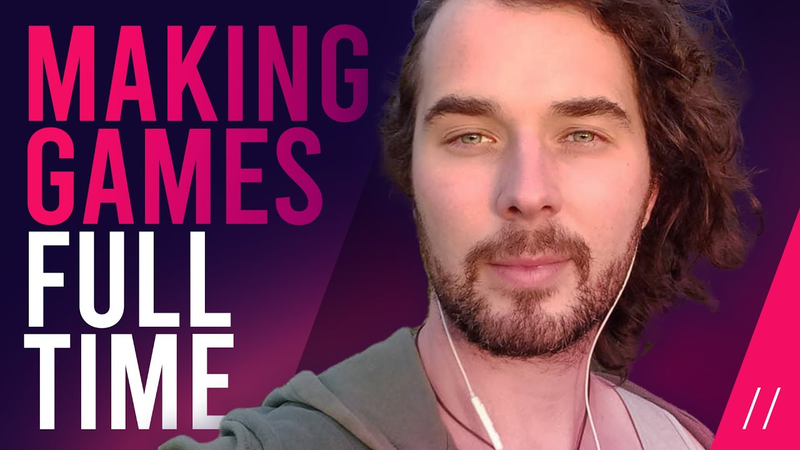
Making 90s Games Full Time — Full Time Game Dev Podcast Ep. 004
Key insights
6 takeaways- 01Solo developers can secure professional publishing deals by creating retro-inspired, point-and-click adventure games that leverage pre-rendered 3D graphics.
- 02Using tools like Blender and Visionaire Studio allows developers to achieve a high-fidelity aesthetic that serves as a distinct marketing hook while avoiding the technical overhead of real-time engines.
- 03Rigorous project management, including modular design and detailed documentation, is required to prevent scope creep and manage the complexity of large-scale environments.
- 04Developers should prioritize maintaining creative control during publishing negotiations to ensure the project remains a vehicle for personal growth and industry networking.
- 05Success in the independent sector relies on balancing disciplined production workflows with authentic community engagement to transform passion projects into viable commercial products.
- 06Maintaining a consistent visual identity and providing regular updates on social media and digital storefronts are essential for building the loyal player base needed to negotiate with publishers.
Ask AI about this video
Transcript
All right, so we are recording. Guys, my name is Thomas Brush. Most of you know that, but if you don't, my name is Thomas Brush and I make indie games for a living. And so does my buddy here, Aaron. Aaron, how you doing, man? Tell us a little about about yourself, about your studio, about your game. Sure. Hey guys, I'm Aaron Gwynaire and I run the one-man team Defy Reality Entertainment. And I've been making a point-and-click adventure game called Nia since 2018 and I haven't looked back since. Still heavily into production. And it's very Myst style, the original Myst and Riven games that came out in the '90s. Runs in the same way, screen to screen, point-and-click. And yeah, that's that's what I do. I do everything and I'm going to be talking about um signing a deal, a publishing deal and the different jobs that I do as a solo game developer. Sweet. I mean, it's it's so cool being able to talk to people like you because I
It's cool that people are doing what I'm doing, which is you sign deals and then you make games full-time. You work with publishers, you get funded and you're making your game, you know, full-time before you even finish your game, which is just super cool. So we're going to talk all about that. We'll also talk about world building and puzzle design if you want to, Aaron. I know you're into that. That sounds good. And also like pre-rendering, real-time graphics, all that. So there's going to be some technical aspects of this podcast, guys, and then there's also going to be funding aspects. And I know a lot of you are interested on how do you get funding? Me and Aaron, we're not like some like superhero people. We're we're normal dudes and we found funding and you guys can, too. All right, Aaron, I'm going to run an intro here and then I'll see you on the other side. Awesome. [music] [music] By the way, guys, feel free to download my free 2D game kit below. It's totally
free. It's my treat to you. I [music] used this exact 2D game kit to make a game for PewDiePie in 14 days and then I got to play it in front of his subscribers, which was really awesome. So download that, use it however you want. It's my treat to you. Yeah. Okay. So let's go ahead and chat really quick about this beautiful beautiful game. Can you give us an idea really quick of what it's built in, what you're using software-wise? Yeah, sure. So um Nia uses Blender. Um it uses Blender as the main 3D modeling tool tool for the for the game, for everything that you're seeing. Is that Maya? Are you saying Maya? What are you saying? Blender. Oh, why did I think your game is called Nia? Oh, yeah, I thought I said Maya. Nia is the game and then you're using Blender. Sweet. Yeah, yeah. Um And um everything is modeled in Blender and then
basically I render images from the world and then these are edited in Photoshop. And um the lighting, everything, the textures are all, you know, they're brought brought to life more. And then I bring that into Visionaire Studio 5, which is a great engine for point-and-click games. Um I I was using an engine before that called Adventure Maker, but that when I started getting back into game development it wasn't supported anymore. So Visionaire was a great tool that was suggested to me by a French game developer who was making kind of similar Myst style games. So yeah, everything's um pre-rendered. It's not real-time, which is interesting because it's like a cross between 2D and 3D. Even though I'm creating 3D environments Yeah. they're brought to the surface, the actual game, as in 2D format in as actual images. So you
actually click through the environment. And yeah, these these when you're moving through, you can actually change the transitions as well. So you can kind of fade between the images. You can disable them as well. And you might see a bit of what's called journey mode, which is interesting because the game is in development. You're seeing the build as it currently stands and so you suddenly see these animations where there's no textures and there's all kind of like blocks of color. And that's the actual viewport OpenGL format from Blender and these are kind of quick animations that have been kind of rendered out brought into the engine and so then I can see how they perform within the build. So and how Yeah. Quick question for you. Um Why would we I guess games like Resident Evil, right? I think about Resident Evil that did this, the old like OG first Resident
Evil or at least the one on like GameCube. That was the one that I played. Yeah. I understand the technical reason why you would do that um in that old hardware. But what's the reasoning behind not just, you know, rendering it in Unity without, you know, creating these images? Yeah, there's a couple of reasons behind that. And they're kind of personal reasons, really. Um I'm no programmer. I don't I tried programming when I was younger, in my teens, and that's when I got into game development, sort of mid-2000s. Yeah. I'm 30 now, soon to be 31. And it was kind of I knew that with this pre-rendered point-and-click style especially with Adventure Maker back in the day, you didn't need much programming at all. It was very sort of visually scripting, kind of like you're clicking boxes and you're setting action parts into those boxes to fade to an image, to create a sound and condition.
And so for me it just worked. It worked really well. Also I love the pre-rendered graphics as opposed to what you can achieve in even Unreal 4. Not so much Unreal Engine 5, um Unreal Engine 4, should I say. Um the the fidelity and the clarity and the realism that's captured within Cycles rendering engine within Blender Yeah. It's just like when I first saw when I started getting into Blender, which was 2018 as well, by the way. Wow. software. Yeah, I was using a software called Animator before that when I was in my teens. That's what got me into 3D modeling, so I already had a really nice sort of background in 3D modeling. Yeah. And I thought Cycles rendering engine come to life with this little test I was doing. So ah, this these graphics they remind me of um of Riven, the 1997 Cyan Cyan game, which is a massive
inspiration to Nia. And it runs in the same way, point-and-click. And it was I was just like, wow, this is great. This is what I need to use. I need to use Blender to create this game and and it's just the shadows and everything and so that works for me and um I kind of think it's just it's it's doing what they did back in the day and taking that charm that I think those games had, the soul. And you take that away, in my opinion, and you make that a real-time game, like they've done with Myst and they re-released Myst in last year. And it's Don't get me wrong, it's a wonderful game. But when you take that kind of point-and-click pre-rendered touch away, for me personally and I think I understand it's also the viewpoint of a few other people that are in the sort of Nia community that are following the game, it kind of takes something away as well. And I think it's one of the big draws to Nia is that it's
bringing that back. Especially with the um you know, the people who are into the the Myst games, it's kind of almost retro and old school, but it's refreshing. I think that's really cool to bring that into like sort of like younger generations that haven't really sort of experienced that kind of gameplay before. And I think that makes it quite unique. Yeah. I'm seeing I'm [clears throat] looking at it right now. I'm seeing some 3D aspects. Like you just went up a 3D elevator and stuff. Yeah, so that's Can you explain that a little bit? Sure. That's like actual animations rendered in Blender. Oh, wow. Yeah, so it's all rendered in Blender. I actually run two computers. I run this one here that I'm on at the moment for modeling and Visionaire and Photoshop and all other other stuff like documentation, whatever I do, and eventually music as well and sound design. And then this one over here that I have over here, renders everything. So that's actually
rendering a quite a big animation at the moment. Um So that renders all the time. That's always rendering, whether it's scenes for the game or animations. Yeah. Um so it's on the go and this computer is also rendering stuff in the background usually as well. So it's one of the kind of um cons against real pre-rendered is that it it's time-consuming. You know, when you've got Unreal, and I've never used the engine, but what I've seen of it is that you can pretty much, you know, from what I gather, correct me if I'm wrong, but you can throw things in and instantly get like a you know, everything's rendered in real-time. So you don't have to wait for frames to come in and you don't have to throw them into the engine and, you know, put them together. So it's you don't have to wait for things to render like, you know, I mean, I've got two very fast computers, so they render very fast. But it's the amount of renders. Nia has got the very big world. Right.
What you're seeing in this video is just a fraction a portion of the entire world. So yeah. That's so cool. Yeah, like I think I think you could probably accomplish a similar like a similar look that I'm seeing here in Unreal or like Unity. But you're right like there's this sort of OG community that crave these classic games. The problem is you know it is you're you're creating this you're basically promising to your market and to your publisher and we'll talk about that in a second that you're creating this classic game. Like that in a way is that's the marketing feature right? That's the hook which is this is classic and we're not really going to stray from that. Is that sort of your mentality? Definitely. Um a great thing with Neo is that it does have so many marketing hooks which I've discussed and being kind of informed about with the marketing team for my publisher too.
Um I think the peculiarity the fact that it's such a peculiar game in that sense because it's the way it's presented the way it's created. Um And I guess that is um I definitely you know have seen as well particularly with Unreal Engine 5 it means it's insane what that engine's going to be able to achieve for game develop game developers. But even then that would be the only engine I think that particular engine would be the engine that would sway me to kind of real time. Right. I think it's basically like if you look at stills even from a game that is made in an a real time engine there's always this element of um sometimes I guess depending on what kind of art style you're going for whether it's stylized or very photorealistic there's always this kind of the plasticky kind of look to things sometimes. Yeah. I think even with when you're getting a camera close to it like in a real time game
it gets close to an object you can see those kind of edges of things. You can see well if you're running a really fast computer like I do and you're able to add all those polygons and all that detail and render it in a path traced ray traced um engine Yeah. you're going to get this cuz it's it's it's recreating how sunlight actually reacts to things in the real world. So you're going to have this instead of rasterization which is used more I think in like a real time engine you're going to have more uh this clarity to things. But I think it you're right. I mean you can you can probably create very similar looks and if you you know you're doing something with Unreal or Unity you can do it in Unreal and Unity if you want if you know those engines and if you can program you know I admire anyone who can program like like you who can really do that work. Um So I wish my brain was a bit more
kind of targeted in that way but I'm just so visual. I know I'm all about story I'm all about the artwork the uh you know everything in that in those regards you know. Yeah I mean I'm the same way. I'm the exact same way and I don't know if you've ever felt this way but like super insecure that you're only really gifted in these areas and it you feel like it's such a limiting factor with your games. And like for me I always feel man there's no way that I can compete with these like hyper successful indie games you know like Hollow Knight or even Cuphead. Cuphead regardless of its look it's got really good mechanics meaning it's it's coded really well and it's really really fine tuned and precise. I always feel really insecure about that and it's it's so funny for me and and I want to sort of segue this into publishers. It's so funny for me because
publishers apparently are really and I say apparently because I've just been shopping around a couple of my my games they're really hungry for these classic games. They're really they're really hungry for classic games that have a very distinct look and flavor. And was that your was that true for you when you started shopping this with publishers? Well for me um kind of backtracking a bit as well what you said with um kind of feeling insecure about creating a game that maybe you feel like you're taking inspiration from my games but you think oh well that's such a you know big game. I think for me it's um it's weird but the overwhelming side of it never really occurred to me. I think it came down to certain things that were happening in my personal life that I thought you know I need to focus on the process over outcome with this. And cuz I had a music background
and so things weren't they were going like well you know but it wasn't I wasn't achieving what I really wanted to achieve out of it. What were you doing musically? What what do I do musically? Yeah what what were you doing? I was a singer songwriter so I was performing my own songs I was writing singing playing guitar I was recording music I was teaching music as well we had we had me and my wife we had a music tuition business in Western Australia. Nice. Called the Five Realms Music Tuition. And so yeah I was doing a lot with music in my 20s and um but it's the um the size of the game that I wanted to create with Neo really didn't I didn't feel like I was inadequate. It was kind of like the fact that I just wanted to create a world. I think that's the most um the biggest thing for me it's the goal. I kind of [clears throat] forget about the the other things and because Neo is such
a it is about the world it's about the world foremost as opposed to say mechanics and things that are very similar like you know you can add complicated things it's about exploring a world through a very simple point and click system. Yeah. Um it was more about being in that world and feeling really immersed myself and feeling like I was actually in it. So that led to you not feeling insecure. Like you feel It's like I was immersed myself. I was just I was in my element and I focused on my element. I focused on the things that I was which you've talked about you know I believe in your other videos as well. Focus on your strengths and um you know you do learn things along the way though. Even the strengths that you have you realize wow you know there's so much still to learn and you're you know when you're building a game like Neo which started in 2018 you know that's a long time a long period of development and uh also being committed to a game you have to have something behind you to be be able to
not quit. Yeah. And I think it's that process over outcome. If you really focus on that more than what you're going to what but this happens what if this happens and the worries that might happen you know you need to focus on what you're really enjoying and the enjoyment and the passion and the drive and um Well did did you not feel that did you not feel that flow state when you were doing music? Did you not feel like you were in your element with music? Uh interestingly enough I was. I mean I loved performing I loved um you know I loved writing songs and I think maybe I you know uh being able to like talk through things with my wife as well it was coming from a more of like an ego based place and it was unhealthy it was toxic. Yeah I've been there. And uh it can't happen not to everyone but if you start falling into that whole ego trip thing it's just you're not on a
great path. And I think the great thing about the game development and this is like I'll show an example here and this is a blue book blue diary book that I wrote in my teens that I still have and it's like my process of getting into game development. Oh I love that. have this and I remember my my wife reading this back in you know when I I met this time I sort of first got to know her it was about 2015 I believe 2016 and she read it and she realized this is what I was supposed to be doing like game development. This is where my soul was really into things. Yeah. So in a weird way you can let go of your ego with game development for some reason. Is it cuz it's not perceived as cool? Um I think it's because it's a it's coming from deeper within me. It's coming from more of my heart and my soul and it's kind of like like I was saying about creating a world. Yeah. You're you're developing a
world that you know is you're not focusing on yourself. You're not in the spotlight. You're not on stage you're not everyone's focusing on the game that you're creating. And I like that. I think it was really good for me to do that and I think that's why the game has come about so you know it's taken it has built the way it has and grown the way it has and developed the way it has and I think that's one of the driving forces behind it. Yeah. And it's been a very good uh a very what wonderful journey because of that. Hm. I think that's great. I I really do. It's um I I've been in this weird place mentally for the past 2 years where like my studio is starting to become more of a business and there's you know I just got done with a meeting with an advisor to help me, you know, understand, you know, how to grow revenue and all that. You know, you you start to focus on that.
But, then I'm like, well, do I want to do that? Like, do I do I want that? Yeah. You know, probably not. And so, there's another side of me, half of me, that's like, no, I want to make great games. Like, I just want to make what I want to make. Yeah. And that led me to make Father, which is like similar to you in the sense that I was inspired by classic shooters. I love classic shooters. And it's funny because half of me thought, well, who wants that anymore? You know, what publisher, what investor is going to want to invest in that? And I just sort of put it aside for a little bit. Yeah. A couple of months of just like, yeah, we'll we'll see. But, I got really insecure about it cuz it's it was what I loved, but I didn't think it was marketable. But, what this call is sort of helping me understand is like, if you love something, there's probably a market for it somewhere. And that's true for you, you know? You found a
publisher. Yeah, um I did. I found a publisher. Um well, they found me, um because It happens that way sometimes. Yeah, um interestingly enough, I had um I had certain things in place if I wanted to find one. I was gathering uh I had about before I had um signed a contract, I had about 2,500 wish lists that I'd gathered myself. Unpaid marketing, it was basically from Facebook posts I was doing in groups and stuff. This is how I gained my community. And um uh a couple of Reddit posts and stuff like that, but it was mainly Facebook. And then um yeah, it was 2020, um November 2020, that the CEO of MicroProse, um David Lagettie, he contacted me. And you know, I
didn't really know who he was, and I I didn't really know too much about MicroProse, either. But, you know, looking back in their history, they were a huge Yeah. um publisher back in the day, like the the '80s, releasing games like Civilization and um uh the different tycoon games. Well, um Railroad Tycoon, I believe it was called, and Darklands. So, a lot of sort of sort of simulation kind of uh games. And but, they also had a a um a catalog of various different other kinds of games as well. Yeah. Which is quite interesting cuz uh Naya is, you know, a point-and-click adventure game and very sort of different to even the games that sort of like releasing currently as well. So, [snorts] you know, I I was contacted by David from MicroProse, and I um the the one thing that was offered to me was full-time. You can go full-time and make this game.
I was like, that was the big light bulb for me. I was like, oh, we're going. Like, wow. And you know, there were other situations where funding, like in Australia, Naya had some funding. Um but, then circumstances um happened, and I came back to England. Yeah. And then it was uh you know, something I thought might happen. Maybe funding will happen, but I just I was in my element again. I was just making the game. I had no deadlines, either. I was just like, yeah, I'm just going to create this world. I'm just going to And I had this community building, and it was 2000 around the time MicroProse contacted me, it was when I was having these spikes of wish lists. And I think certain things were happening where I was kind of improving things in Photoshop, and then I was kind of pushing the game a bit further graphically. And it was just an amazing time. I even had an offer um from Infinity Ward. No way. Quickly, you
know, the call of um Call of Duty games, and I don't know much about those games at all, to be honest. Um so, I had to kind of look into it. I was like, oh, well, okay. And I was like, yeah, so I actually turned that down. I was like, they said, you know, if you're going to have an interview, you can talk to some of the artists, and if you get the job, you can come over to LA and work in our studio. But, you know, it was it was quite cool. Um but, then I was just like, in my head, I was like, I've got this game, you know? I've been into this game now for well, by then, it was uh over 2 years. Yeah. And I had so much work to do. And it's just like, that was where my passions were. So, this is a really interesting thing of like people that get into game development. They want to work in the studio. They want to you know, get into the job. The great thing about game development is you can get away from that kind of grind of uh the mentality of being into of working a an office job, and you can,
especially in the day and age we live in now, I mean, Thomas yourself, you're like, you bring to the forefront the reality of what we can do now Yeah. as, you know, game developers, how we can, you know, inspire others, and how people can, you know, it's wonderful. You know, you never had that back in the day, and and it's um it's a I chose to sign with MicroProse, and that was um it's been wonderful ever since. Yeah. reached out to you, and they were like, hey, you want some money? We want to publish the game. Yeah, yeah, they um they pay me a full-time salary that I worked out, and we did, you know, we agreed upon. Yep. It's it's um a monthly um salary as well. It's paid monthly. Yeah. Um which is wonderful. Um it works out really well for me, and I've got Patreon as well, so that helps out, too. And um
And do you have do you have a a YouTube channel, by the way? I do. Um some of the the video that you're watching now is kind of like dev log for the Guys, be sure to click the link link below to check out Aaron's channel. And also, there's links to your Patreon below, as well. Um That's so cool. So, so it's it's pretty funny how how your story mirrors mine, um because Yeah, yeah. we're both making classic games. Father's straight-up classic first-person shooter with like some It's more stylized. It looks a little bit more modern, but Yeah, very different games. Yeah, yeah, but they're classic, and like Mhm. it was so funny because I I got same thing happened to me. Um I can't disclose too much, but you know, a publisher reached out to me, and they're one of those classic '90s studios. They're still around. They've got funding, and they're like, hey, we'd love to release a game that's just like all our other games.
Yeah. find that really interesting, um mainly because I thought that that wasn't a thing. Like, I thought everyone was supposed to make sandbox games now, or multiplayer games. But, we can still make these classic games, which kind of gives me chills in a weird way, cuz it's just like, oh, could I make classic games for the rest of my life? Cuz I love Yeah. I just love replicating my childhood. It's so fun. But, more importantly, here's what's cool. These companies, these studios, they know how to market these games, cuz that's their MO. Like, they've been doing this since the '90s. But, I don't know, you know, what when this company What was the company again that's publishing your game? MicroProse. Yeah, I I didn't When did they start doing their their games? I believe it was the early '80s. That's crazy. So, they know they know how to market this thing. If it's a million-dollar game, they're going to make it happen, right? They know what they're doing. Yeah, exactly right. I mean,
[clears throat] uh there were so many things that I discussed with David about Naya. And um he you know, he saw something that was quite different. Um he was looking as well at how, you know, with the Myst, like Myst is a big uh big series of games. Um Myst originally came out in 1993. Mhm. Um the sequel, Riven, came out in 1997, and that's the biggest inspiration for Naya. I just love that game. Uh for the time, it was graphically just, you know, amazing what they could achieve. They were using the same software they used for Jurassic Park. Cuz they had a huge their sales of Myst, it was the best-selling game till 2001, Wow. till Sims took over. And so, they used uh their, you know, their funds to be able to fund Riven as well. So, it was a huge budget. And it's like, I'm taking on a game that's on the same scale as Riven, and you know, I'm doing it by myself. Like, some of people say to me, like, why are you taking on such an ambitious project
all by yourself for your first game? Yeah. And uh again, it comes down to the passion and the the drive you've got for it. Don't try not to think about all the other stuff. You have to set yourself milestones, cuz that helps you actually get the game done. Something that you definitely talk about, as well, Thomas. I'm learning that now for myself, even. I still struggle with it. It's one thing I think you just have to think, well, you do have to get the game done. You have to finish it at some point. And I think without the the publisher, you know, I could have spent another 10 years making this game if I wanted to, but you know, you say, right? You want to And it's something I've learned from you, as well, is you know, you want to create This is what a career that you want to build, you know? You want to create this career for yourself. Well, you know, you've got to finish it at some point. Yeah. at the same time, it's creating that balance of being able to enjoy the process. Because, you know, I've never released a game. This is my first game. Yeah. I've tried games in the past. Games They're
more kind of like They were games that I was starting and creating the 3D worlds, but then music always used to take over in my teens. And then, you know, I had a game in 2011 that I was making called Portals: Journey to the Pearl Islands. And that backstory that I created actually is now used for Naya. I love that. So, I had this huge backstory that I fleshed out more. And um so, yeah, it's um you just, you know, you kind of just you go with it and you try not to think about what other people are doing too much, too. I think that helps. Well, I can imagine if you like, for example, Reddit. Like, if you were to post something like like this on Reddit, which you have, I could be wrong here, but I'm just using my own personal experience with Reddit, you're going to get a backlash, perhaps, in one regard, people saying it's not OG enough. Like, why what Myst was this way. Why isn't it like that? And then maybe [clears throat] you'll get people backlash backlash saying, "Why are we still making games like this? Why is it made out of just pictures?"
You know, it was Did was that some backlash you got? That happens you know, the whole backlash of like, "Why are you doing this in real time?" That's the common That's a common thing. Yeah. Um and um there are so many reasons for that. Um There are personal reasons for that, you know, I I love the way that Myst and Riven were made. Yeah. So, for me it's copying that kind of principle in that sense, but it's also the way that they I prefer the fidelity, especially with Cycles of Rendering in Blender, how it creates such a photorealistic look. Yeah. But the backlash with the Reddit, it's an interesting one. Reddit did pretty well at one point. I actually got a massive spike in wish list when I first started with Reddit. And it's interesting cuz I target like, you know, the indie game dev pages and stuff. Yep. But it's also the Myst community.
And so, when you're targeting the Myst community in Reddit, it's like, bam, you're you know, you It's actually really interesting how it works. Um for me, I think it's it's the fact that it you post too much, you know, and then people That's where the backlash can be. Uh I found that maybe posting a lot of the same thing can just It wears on people. Yeah. So, you kind of spice it up and it becomes like people think that's too spammy what you're doing. It's like, but interestingly enough is there's always an audience that you're targeting. So, you you might be on a page that I've been like PC Master Race has actually done really well. It's a page on Facebook that I'm part of. And it's like the community there just love the game. And these are people that probably don't even play Myst or point-and-click pre-rendered style games, but they just love the way it looks. And it's all interesting how it actually converts people. It's like I'm sure it's converted people before in the sense
that like, "I don't usually play this style of game, but wow, I love this world that you've created." And that's an example of how game art is so important as well. And you you you're very aware of this yourself, but the way the game presents itself, it speaks for itself. There's two things two things that I can take from your what I'm looking at right now in terms of marketability. And I love marketing. The first one is it looks incredible. You're you're a master. Like I'm I'm impressed. Um but the second So, the look and feel in that again, yeah, correct. Like, for me, look and feel with my games with Neverhood and The Neverhood Pinball, that was the selling feature with Kickstarter. That was the selling feature with publishers. That was the selling feature with the actual platforms. So, look and feel is so important. Um but also what's important from a marketing perspective is I don't know if this is the right term, but something like trendjacking, which is
taking something that's popular and then putting your own spin on it. This is so great to do right now. I mean, we're so lucky that we're What are we? 30 years, 40 years into the game industry? Yeah. So, why are we reinventing stuff, especially in the in the game market? Like, we need to stop reinventing stuff. Like, you can create your own twist, but there's no reason to reinvent something when you have a $150,000 budget. Like that's not the time to reinvent something. That's the time to take something that's already working and use it to your advantage and use it as a marketing tool. So, for example, my game is just like Myst or I was inspired by Myst. I played it when I was 15, that kind of thing, you know? Exactly right. An interesting you said about like it's not as like old school as Myst. There hasn't really been too much sort of backlash about that really. It's kind of you know, it's
it's just instantly like Myst. Everyone's like, "Oh, wow, you know, I could see them the inspiration here." Like the Myst vibes, you know? It's it's been I've been quite lucky in the sense that they have I had I've had a lot of positive responses. Um which has been really good. The feedback I've got maybe from certain GIFs of play gameplay is um you know, like maybe there's too many clicks to get to a certain position. And if that crops up, this is another thing about feedback which I've experienced. If you get feedback that kind of keeps cropping up and you get the repeated kind of thing, then that's something to look into. Yeah. Um which I've improved on. And I've [clears throat] seen it now. It's just like, "Wow, that's really improved the game." And I suppose the the added twist to this game as opposed to like Myst and how it played and Riven and even Myst 3: Exile and the other Myst games, um is that it has an like inventory as well. And you actually use your
inventory within the game. You pick up items and I think that adds a bit of an extra kind of that point-and-click classic Yeah. Dragon Lord, Longest Journey, you know, Monkey Island these classic point-and-click games, it brings that into the game, too. So, you're kind of mixing the two together. Naya has a bit more of a sci-fi feel. Includes more FMV footage. So, you're seeing there like when you are That's actually an option in the game, which you which I'm setting as kind of like a default currently, but I'm in two minds about that at the moment. Where when you go up a staircase or you go up some ladder or down a ladder or transition into a particular scene, you actually see yourself moving through it. It's a pre-rendered FMV sequence. And that adds an extra element of kind of immersion into what is otherwise a point-and-click Yeah. Was that something that all these OG games did? They would have that sort of video that would take them up a
ladder? Well, Riven and Myst never did that. They only had the animations of you being in like a cart, for example, which Naya will have as well. I'll have some really cool kind of things like that. Yeah. Um but it's um it came from my inspirations from games like Dragon Lord 2, part of the Dragon Man and Schizm, which were kind of Dragon Lord 2 was released in 1996. And Schizm was more of I think sort of end of the '90s. Maybe '98. I think it might have come out in '98 actually, yeah. So, yeah, end of the '90s. Um but it had more of the literally instead of clicking to go forward, you would watch an FMV of you moving forward wherever you were. If you clicked right, you would turn you would turn. It was like real time, but pre-rendered. It was It was really interesting. And I found that really cool. So, I thought, "Well, I'm going to incorporate that." But I'm making a really big game. It's only me doing it. I don't have time to create
animations of you moving forward at every position. I'm looking at this. How is there a other than you saying, "I'm going to I'm going to move the camera around and take pictures in Blender." Is there a way in which you can automate it so that it sort of goes down a track and it just takes takes pictures of all four angles without you having to do each position? Like, how are you taking these pictures? Yeah. Yeah, the closest thing you can get to is basically copy and pasting your node positions. So, yeah, every position is like a node and it consists of A, B, C, and D or maybe A look at. Cuz you can look up in the game, too, and look down and zoom in things as well. So, you got cater for those things. And um each angle might be different. Um so, you might, you know, for going up a particular like rock surface to see a ladder, well, that camera has to be tilted up, you know, a bit more. And it's perspective. So, actually when you're moving forward, the camera is actually tilted down slightly to see more of the walkway. It's never
completely straight. Gives the illusion of you moving forward. Um this is kind of stuff that [clears throat] I've kind of learned from There's a really cool book from Myst and Riven. It sits up there. Gives some really cool insights on how they made those games and the the kind of tricks of the trade that they used. I was like, "Wow, this is amazing." Cuz he I use a 3D model of a human uh which is his the his name is Evlea. And um he won a special offer that I was doing. That was one of the the prizes he won to to name this 3D model. So, he called him Evlea. Yeah. And it means um I believe it means traveler, but um, not too sure about that one. Uh, I'll have to look into that. But yeah, so basically I used this Evlia character. He has nothing to do with the game and it's it's scaling model. So the camera is set at head height. And whenever I render those scenes, everything is then consistent. So you're not kind of going from
down there and up here and moving around when you're, you know, you always if you're moving forward, you need to keep that camera really straight because I've seen it and problems I've come up with I still need to rectify. So yeah. Is this world, is it all one file in Blender? Like let's say, I'm looking at it right now, you can't see it, but it's just this sort of water world with a bunch of pipes. Is and and you're sort of on the surface of the ocean. Is this all one world in Blender? It's um, the interesting thing about like, you know, you could see it on my screen right here and the and I have minimized everything I'm working on in Blender. The world is basically a selection of scenes that I model separately then bring into one big scene. Wow. Uh, I think that one of the scenes consists of like maybe about 80,000 8,000 polys. You're talking about really big detailed scenes. [clears throat] And so when this is not something I kind of
learned at the beginning, but I learned along the way. Keep render times down. You can break these scenes down by using clips and stuff like that to break a bigger scene down, but then just keeping it can um, restrained into a small area. So the render times are faster. You can you can render things quicker. And reality is the illusion is it feels like a whole world, right? You're moving through, you're clicking through. It's all separate scenes, all separate files. And um, it's a a logistical I want to say it's a logistical nightmare. I was going to say. I'm [laughter] a very organized person. I love uh, you talk about documentation. I'm always I'm about document I talk about it. I'm not good at it, but I but I talk [clears throat] about it. Oh, wow. Yeah, I mean a game like this you need documentation. Oh, I can't imagine. Like especially labeling scenes, labeling angles. Yeah. Definitely there's um, there's I think a 30-page
document I have for one island of the game. And it's just like I describe myself going through it. I literally describe myself going through the scene. It keeps everything like a narrative almost. And then I can pull when I'm eventually ready to design that world, I can like I've got It's like four books here of sketch works and note notes of the game just uh, just shows uh, various different things of um, different worlds I need to create, the different um, separate models and what they do, how they how they're incorporated into the game. So it's not just documentation on words, it's also keeping things um, keeping things in a sketch format so then I can bring those that sort of concept art and um, and um, bring it into maybe bring it into Blender. But the thing about using concept art I find is that you um, you never keep to the original.
It always changes. You you have a sketch and it's like you bring it in it's like, "Oh, I'm going to do this now." And I think I one of the things that kind of you've touched upon as well is you need to you need to be your own producer, right? You need to wear all these different hats, which you know about. Um, it's just you have to kind of tell yourself you need to stop this and move on to the next thing now. You've I know. So you're a perfectionist. Oh, yeah. I'm a massive perfectionist. It came Have you always been that way? Yeah, I think I think I have. I think I have. I've actually got um, I don't know what it is. I mean there's pictures of me here just like doing my sketching when I was like a little kid. I've always been into it. It's something I've always wanted to do. Um, I've always been into painting, drawing. I wrote a 264-page manuscript when I was 11.
Um, it was a sort of Tolkien uh, kind of Raymond E. Feist Yeah. That doesn't surprise me cuz it looks like you're really into world building and like creating cultures and creating like whole whole whole structures of cultures and like their languages and it it's just amazing what I'm looking at here. It's it's crazy. It's creating the backstory. So you know, you create a massive world, you've got to create the backstory. You've got to create the history for it. So that is represented within the graphics and you as you play the game, you uncover the graphics. I had an interesting comment recently actually about a guy you know, he just didn't get it. He didn't get the style. He didn't I think he preferred like games like Tomb Raider, which I love too by the way. I love Tomb Raider, all those games. But he preferred that style and he just felt like, you know, with these games like Nier and Myst and Riven you have to backtrack a lot. You have to do a lot of backtracking. And I explained to him I I I saw his point. It was a valid point.
But one of the things you do within a game like you said, Thomas, of cultures that
from what I recall and uh, it was just concept art. And I had I was when I was fleshing out the story that I created in 2011. And so um,
you know, that was a a big idea in itself. Nier was just going to be a test demo. Hmm. It was literally going to be a small little environment that I was going to release. A small little thing. Uh, you know, it was Blender was fresh. I was like using Blender. I was picking it up very quickly because you got to understand as well that I've got background in 3D modeling already. So I kind of knew the visual space and visual kind of spacing of the things was very it was you know, it was there for me anyway. Just the tool needed to, you know, refine the tool and everything. But yeah, so basically you know, Nier uh, took on a world of its own. Yeah. And it became bigger and bigger. And I was like, "Wow, this this game and Nier just popped out of my head." I remember I think I was in my studio you know, in uh, in in Mandurah, Western Australia. And um, I was like, "Wow." Nier. Something about it stuck out. And um, it stuck. Uh, that's the name
like, you know, I love creating place names, being that kind of stuff. And there's a lot of different place names in the game which you come across. So Yeah. I'm I'm a really big fan of that, too. I love that's one of my favorite things is just coming up with all these different world names. Yeah. Which I find, you know, wonderful. And I think that's why it relates to your content so much is that you have this you have this drive to create worlds yourself. You know, you focus on the story. You focus on the atmosphere. You focus on those things. And interestingly enough because I know that, you know, I'm not where you're at in your career. But it's really interesting to see how when as you've progressed, you know, all the different sort of challenges you've had to face, but the growth that you've had as well. And I find that, you know, interesting cuz everyone's on their different journeys. Yeah. And how you create a business and how
then the mind I mean, that's kind of one thing with taking on a publisher. It does change. Oh, yeah. You're funded. You're You're a paid to make a game now. You are, you know, it's I have The great thing about me and you um correct me if I'm wrong, but I believe you had creative control over your first project. And it's it's funny cuz like most publishers, they're going to grant that if you ask for it. Like they're I I honestly, I think publishers are really hungry right now. I think they're It sounds weird, but I don't think there's enough content out there. Interesting. I think publishers are super hungry. So if you if you say, "Hey, I want I want creative control and I want flexibility on the schedule and maybe you increase the number by an additional 20 grand or something." I don't know. Or maybe more, maybe 100 grand more than what you were thinking. They They'll probably say yes if your game's good because they're hungry. They're hungry for content. But you're totally right. Like it changes the moment you sign a contract, it changes
uh your whole mentality. Uh you're like, "Okay, now we the the clock is ticking." And now it becomes Well, it becomes a product. It started as a passion project. Now it becomes a product. And that's a good thing, you know? It is. It sets yourself like I said these milestones of just being able to get the project done. And, you know, if I've got other games to make, then I need to make those as well. I want to make those and they'll be their own journeys. They'll have their own journeys. And interestingly enough, because Neer is like nearly come up coming up to its four-year dev cycle. Like this is the fourth, you know, year anniversary for Neer coming up. Um it's like a time capsule. The way I see it is that you know, when you create a game that takes so long and um you take on such a big project by yourself, it becomes a time capsule of your life. You know, the the person you were at the beginning is a completely different person to who you're going to be at the end. So that's the benefit one of the benefits of taking on a big game.
And I guess, you know, people who want to take those small projects on to build their confidence and build their, you know, just build themselves up as a game developer. That's a very sure clever thing to do. Um for me, it's a different journey. I feel my journey is taking me on this path. It's it will, you know, succeed, it will fail, but whatever the case may be, you know, this is the journey I'm on. And so far, it's been really good. It's been a really good journey. It's, you know, it's it's given me many opportunities um to be able to have a publisher contact me and sign in the contract, going full-time. Also being able to talk to the original developers of Myst and Riven as well. That's pretty cool. Yeah, just being able to chat to them and being able to kind of like, you know, pick their brains and just being like, you know, you know, finding out more about how what their process was.
It's it builds you know, your confidence. I mean, I have a list of things here and this is something that would maybe would apply maybe to your audience as well to boost their own confidence as they develop games. Um being able to create a list of all the achievements you you have. I'm all about lists. I love lists. I love to do notes. I'm I'm all about writing things down. I'm, you know, I have things here that you can see of like James Cameron um quotes from James Cameron, uh Lucas and all these people that have made have been successful in what they do, but the the things that have made them successful, you know? Um so that's quite an important thing, I think. If you're very visual as well, that really helps. You're able to draw upon that and it gives you power. It empowers you. I think that's something I'm the same way. I'm the same way. I love I love I love printing out stuff, putting putting lists on my wall. And ultimately, just sort of creating a story
uh a story of what you've achieved and where you're going. I'm a I'm a big fan of sort of creating and telling my own story and and sort of using that to visualize where we're going and where where the studio is going. But man, like this is this is so I'm really looking forward to this game. Like this looks so good. You should be super super proud of what you've achieved. We're at about um an hour here, I think. So is there anything else that you wanted to leave with the audience before we wrap up here? Well, um I would just say follow your dream. Follow your what your goal is, what your passion is, what you feel is deep within you that you want to explore and um develop and um follow that because, you know, most you'll succeed in what you really love to do. Whatever that succeed um
success is. Um and so, you know, that's the advice I can give to people who are watching this. And as opposed to maybe making a small game, taking on a long big project as well can open up opportunities to you. For sure. Even if it flops. So Even if it flops, it can still open up opportunities. There was something you said in one of your videos, Thomas, where if you're presented a brick at the end of it, you know, are you going to be happy with that? Are you going to be happy with the the outcome of that? Well, have you enjoyed the process? Have you learned things? Have you developed? Then you succeeded already. [laughter] And I feel like, you know, I was speaking to my wife about this as well. Like, you know, she says you've made it already. You You've made it in the sense that you you know, you're doing this full-time. This is your job now. You know, I was a carer before I became full-time. So I was a, you know, caring for um the elderly. And um you know, that was a rewarding job in itself, but you know, I'm able to
do this full-time now and put all my energy into it and you know, if you're able to create a long game, then that can also show a publisher that you're uh you are determined. You know, I had the Steam page set up as well. So that's another thing, you know? You're determined, you have a drive, you have a vision, you have a, you know, you're you have something there. They'll look into that. Yeah. And they'll, you know, see if it'll work for them and, you know, they have you know at the end of the day, it's uh it's one step closer. And And most people, I think most people, unfortunately, they're not interested in getting one step closer to, you know, what you said, your your dream. Um whatever that is. The reason most people I think aren't interested in making that step closer to their dream is cuz it's just really, really scary. It is a scary thing. I'm I mean, I lay awake at night still to this day
despite, you know, we have money in the bank. We're doing great. Life is good. Mhm. The studio has gone great and I still lay awake at night with insecurity, confusion, um not really knowing uh what the future looks like. So I'm still scared. I'm still confused. The difference between me and a lot of people who don't do what I do, who wish they could, Mhm. the difference is, well, uh I was willing to take that step even though it was scary. You know? Yes. You have to take that step. You have to You have to have um Yeah, it comes down to that that that inner passion to see something come to fruition, to come to make it real. Yeah. And um that really helps. That definitely helps. And one thing I I'd like to leave on as well, Thomas, is uh you know, when I first found out about your channel, it was actually in uh in Australia. I vividly remember this. I was with my wife and her kids and we
were um in this car park and they went into the shops. It was this open like open-top car park and it was right at the top. And I was sort of at the car and I turned on my phone. I was looking at YouTube and I saw one of your videos come up. I just remember watching it thinking, you know, wow, like, you know, actually it was one of your much, you know, it was 2000 and it would have been 2018 around the time. That's a long time ago. Yeah. Yeah. And um you were at a different point in your journey. Yep. And I remember then watching another video down the track. Of course, I've been developing Neer and um you were having a chat with uh with David. Um And uh you created the uh the Last Fox. Yeah. Yeah. The um What's that game? I always forget the name. It's The First Tree. The First Tree. The First Tree. Yeah. But it it is about a fox, correct? Yes. Yeah, the First Tree. And um yeah, and I was like, "Wait a sec.
That's Thomas Brush." [laughter] And yeah, you you you've changed like so much in that space of time. Oh, yeah. And I didn't even like recognize who you were. Yeah. Well, that's the thing. You should change. People should be changing. If if Like I Here's Here's a really fun question. This is more of just a philosophical one. But like if you look back on yourself 3 years ago and you're you're like not cringing, then you're probably not doing this right. You should You should be looking back going, "Man, I was an idiot." Because that means you've grown and that means that you've gotten a little bit smarter and that's that's especially true with game dev. What how how I make games now is totally different than how I make games 3 years ago. In particular relating to schedules and budgets and team management and ideation and game design documents. So, everyone needs to everyone needs to realize change is good. Cringing at yourself is a good thing.
That's a good thing. It's you know, self-development. You know, it's the best thing you can you can do for yourself. Being self-aware as well. Becoming self-aware of um you know, things that you can change and even your own faults and just being able to admit them to yourself and being able to kind of work on them. And you know, I have to say my wife has helped so much with that. Oh, me too. Um and it's you know, it's been that's what it's about too. Those relationships you have and friendships you have. Being able to grow together and helping each other grow. Yeah. And what you're doing Thomas as well with this channel I have to say you know, you're doing a wonderful thing. You're enabling people to grow and to follow their passions and their dreams and what they you know, in game dev. Yeah. And even if it's not game dev, it might be something else they'll pursue but they've taken something away from your videos and they're using it in something else. They're using it in that. Man, Aaron that that means a lot to me, man. I appreciate it and it's it's fun it's fun being able to
I mean, essentially talk to my subscribers on this podcast. I mean, it's so cool how many of my subscribers like you are full-time game developers. So, to wrap to wrap things up here, just want to say congratulations on being a full-time game dev. It's incredible. It's awesome. Thank you so much. Thank you. Thanks so much for joining. And guys, just remember click the link below, support Aaron. This is somebody who needs support because not not that you need financial support, you got a publisher, but you need support because you deserve it. This this game looks incredible. I'm really impressed by what you've done. Um Thank you so much. Definitely wish list Neo on Steam and um yeah, I'm I'm updating the Steam page at least once a week. So, there's always updates going on over there and I've also got um a few like you know, Facebook, Twitter and so definitely follow Tik Tok as well which I've started recently. Um so, you know, it's another angle on the game development which is quite fun to play with. Yeah. So, yeah, definitely
follow Neo's progress on there as well. All right. All right, Aaron. I'm going to run an outro here. I appreciate your time and I'll see you on Discord after this podcast and we can chat a little bit. Awesome. Sounds good. Take it easy. Bye. Get over here. Tik Tok. Hey. Thanks for watching. By the way, if you haven't downloaded that free 2D game kit below, click below it's my treat to you. I used [music] this game kit to make a game for PewDiePie in 14 days and I actually got to play it with him in front of his audience which is really cool. [music] This game kit is totally free. It's my treat to you and you can use it however you want. You can make a commercial game and make a million bucks off this game kit. I don't care. Or you could just use it for a hobby project. It's my treat to you. [music] And by the way, if you haven't clicked like, that would mean a ton to me. Hit subscribe. [music] And also, this is important. Hit that notification bell. Here's why. If you get notified of when I'm live, you can
watch me make [music] my next game and let me know in the chat what you think about the game or any ideas you have [music] and you might just show up. Your chat might just show up in the next video that I upload. All right. I'll talk to you later. Bye. [music]
Summary
The development of retro-inspired, point-and-click adventure games represents a viable path for solo developers to secure professional publishing deals and transition into full-time careers. By leveraging pre-rendered 3D graphics created in tools like Blender and Visionaire Studio, creators can achieve a distinct, high-fidelity aesthetic that serves as a powerful marketing hook. This approach prioritizes visual clarity and nostalgic appeal over the technical demands of real-time engines, allowing developers to focus on creative vision while effectively targeting a dedicated niche audience.
Success in this space requires rigorous project management to mitigate the risks of scope creep and perfectionism. Maintaining a consistent visual identity is essential, as is the use of modular design and detailed documentation to manage the logistical complexity of large-scale environments. Beyond technical execution, building a sustainable career relies on active community engagement. Consistent updates across social media platforms and digital storefronts are critical for maintaining visibility and fostering a loyal player base, which in turn strengthens the developer’s position when negotiating with publishers.
Ultimately, the journey of independent game development functions as both a professional endeavor and a process of personal growth. While securing a publishing partnership can provide the necessary resources to scale a project, developers are encouraged to maintain creative control and view the development cycle as a means of building industry connections and self-confidence. By balancing disciplined production workflows with authentic community interaction, solo creators can successfully navigate the uncertainties of the industry, transforming passion-driven projects into professional products that resonate with modern audiences.