Miniclip
Documents about Miniclip
Cutting Through the Game Recession Fluff - The Metacast by Naavik
The gaming industry is currently navigating a period of structural recalibration rather than a traditional economic recession.
- The gaming industry is undergoing a structural recalibration rather than a traditional recession, characterized by internal consolidation and a strategic response to rising user acquisition costs.
- Large-scale acquisitions, such as Miniclip’s purchase of the studio behind Subway Surfers, are being used to secure established intellectual property and loyal user bases to mitigate marketing risks.
- Solana is utilizing a mobile ecosystem as a loss-leader strategy to simplify wallet management and lower the barrier to entry for decentralized applications.
Shaping the Metaverse Brick by LEGO Brick - The Metacast by Naavik
The gaming industry is currently navigating a period of significant structural transition, characterized by strategic experimentation with emerging technologies and a shift toward massive, consolidated ecosystems.
- Epic Games is partnering with the LEGO Group to build a child-safe metaverse environment, directly challenging the market dominance of Roblox and Minecraft by leveraging high brand trust.
- Large publishers are utilizing underperforming titles as low-stakes R&D to test blockchain and digital ownership frameworks, waiting for established best practices before committing to web3 at scale.
- The industry is shifting away from high-fee platform models toward developer-friendly policies and lower distribution costs, positioning this approach as a competitive alternative to Meta’s ecosystem strategy.
PlayStation Subscriptions: The Good, the Bad and the Strategy - The Metacast by Naavik
The Web3 gaming sector faces a critical inflection point following the $620 million Ronin network hack.
- The $620 million Ronin network hack highlights a critical need for Web3 developers to prioritize decentralized infrastructure and rigorous security audits over rapid development cycles.
- Sony’s PlayStation Plus strategy focuses on user retention through a curated library of legacy content, deliberately avoiding day-one access to new exclusives to protect the traditional console model.
- Microsoft’s Game Pass strategy pursues a platform-agnostic, Netflix-style model that prioritizes cross-device accessibility and immediate release value over traditional console exclusivity.
Game Industry M&A in 2022
The video discussion examines the evolving landscape of mergers and acquisitions within the global video game industry as of early 2022.
- The game industry is experiencing a structural shift in M&A, moving away from mid-tier consolidation toward a bifurcated strategy focused on both larger-scale acquisitions and smaller-scale targets.
- High-profile industry consolidation, exemplified by Microsoft’s acquisition of Activision and Take-Two’s acquisition of Zynga, reflects the ongoing pressure on major companies to drive growth through M&A.
- The supply of 'easy' mid-tier acquisition targets has largely dried up after a five-year bull run in industry M&A activity.
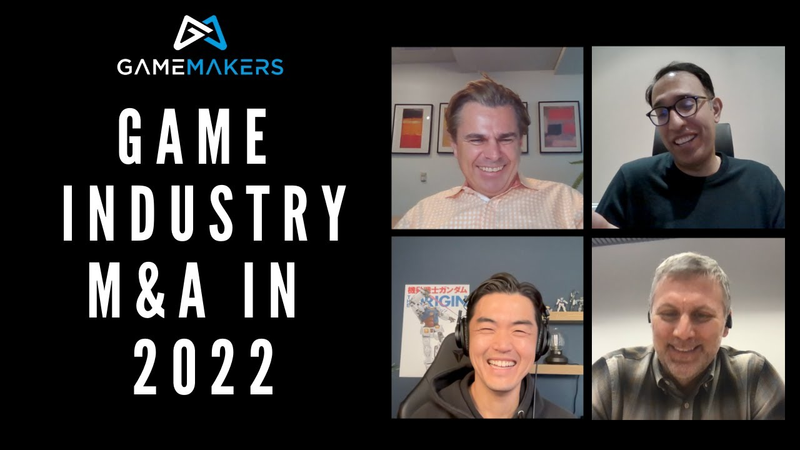
Game Industry M&A in 2022 and Beyond! Miniclip, Drake Star Partners, & FunPlus Weigh In
The global gaming industry is undergoing a period of rapid, transformative consolidation, characterized by a shift toward platform-centric strategies and the pursuit of established intellectual property.
- The gaming industry is shifting toward a 'fewer, bigger, better' investment strategy, exemplified by major acquisitions like Microsoft’s purchase of Activision Blizzard and Take-Two’s acquisition of Zynga.
- Total deal values in the gaming sector are projected to reach $150 billion in 2022, though this growth is being tempered by cooling public markets and increased regulatory scrutiny.
- Rising user acquisition costs and mobile privacy changes are forcing companies to prioritize platform-centric strategies and the acquisition of established intellectual property.
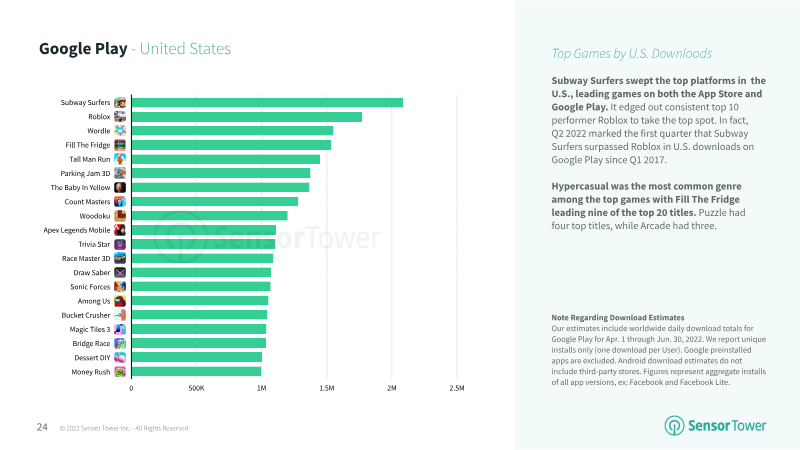
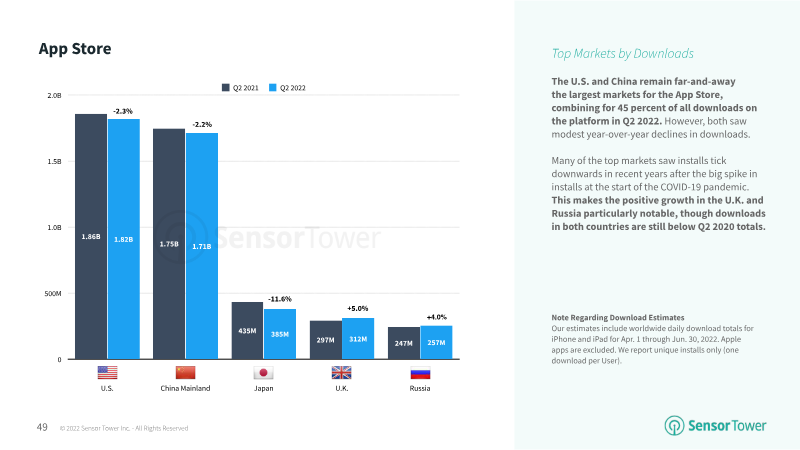

Store Intelligence Data Digest: Q2 2022
The global mobile application market experienced a pivotal transition in the second quarter of 2022, characterized by a 2.5% year-over-year decline in total downloads to 35 billion.
- In a historic shift for the U.S. App Store, consumer spending on non-gaming applications surpassed gaming revenue for the first time, driven by a 129% increase in non-game subscription revenue compared to 2019 levels.
- The global mobile market saw a 2.5% year-over-year decline in total downloads to 35 billion in Q2 2022, though Google Play retained the largest share with 27.2 billion installs.
- Meta solidified its market dominance by owning four of the top five most-installed apps globally, contributing to an 11% year-over-year increase in the company's total downloads.

Games Industry M&A Outlook: Who's Getting Acquired Next?
The games industry is currently undergoing a period of intense consolidation driven by the necessity for scale, the rising costs of user acquisition, and the maturation of the mobile gaming sector.
- Industry consolidation is being driven by the need for scale, rising user acquisition costs, and the maturation of the mobile gaming sector.
- Major players are prioritizing the acquisition of established 'forever franchises' to ensure long-term stability as tier-one markets reach saturation.
- Successful acquirers like Zynga and Miniclip are adopting decentralized operating models that emphasize studio autonomy and the retention of existing management teams.
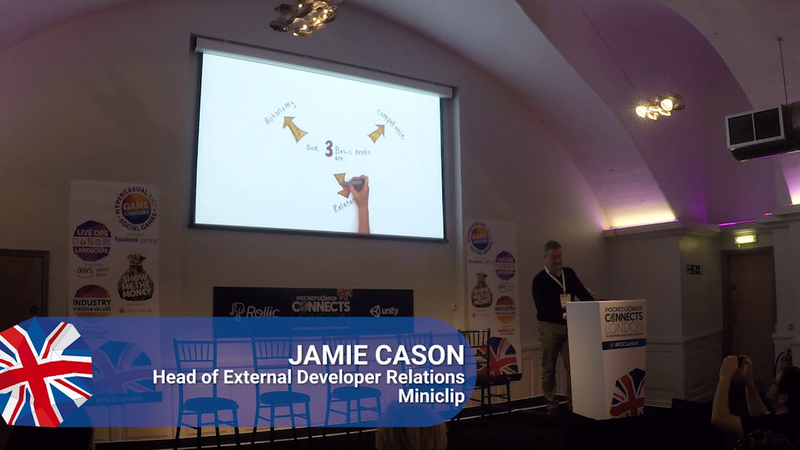
Keynote: Miniclip The Importance of Having Relevant Values to Ensure a Happy & Productive Workplace
The mobile gaming industry holds significant global influence, reaching approximately 2.4 billion people and accounting for 74 percent of total app spending.
- The mobile gaming industry reaches approximately 2.4 billion people and accounts for 74 percent of total global app spending, necessitating a focus on ethical organizational structures.
- Corporate culture should be aligned with the three pillars of self-determination theory—autonomy, competence, and relatedness—to drive both employee engagement and player retention.
- As gaming companies scale beyond the startup phase, they must transition from informal, founder-led cultures to formalized, consultative processes to maintain purpose and prevent workplace toxicity.
India GDC 2019 | Day in the Life at a Games Conference
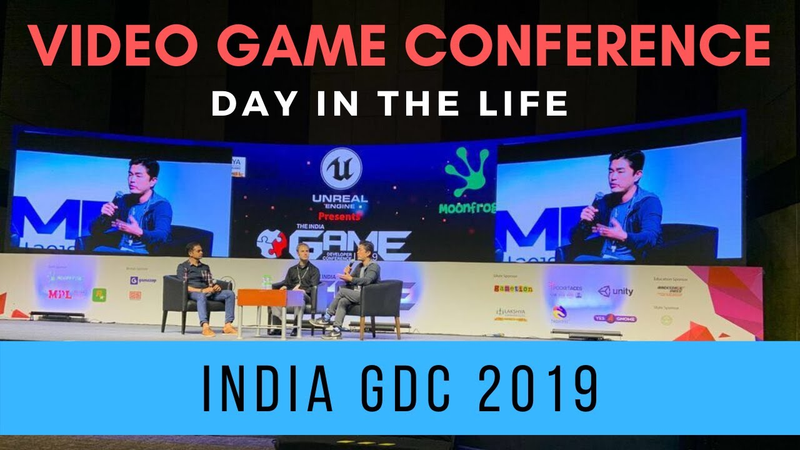
India GDC 2019, held in Hyderabad, served as a central hub for over 3,000 video game industry professionals and 200 speakers to discuss the evolving landscape of the Indian gaming market.
- India GDC 2019 in Hyderabad hosted over 3,000 industry professionals and 200 speakers, signaling the country's transition from a support-focused hub to a center for original product development and mid-core gaming.
- Global studios including GSN Games, Imangi, and Miniclip are actively leveraging India’s large player base and technical talent pool to drive their regional and international strategies.
- Modern mobile game publishing success in the region is increasingly reliant on data-driven decision-making, specifically through the use of soft launches and rigorous analysis of retention, engagement, and conversion metrics.

Flip Diving: A Case Study in Mobile Ad Monetization
Flip Diving, a ragdoll physics simulation game developed by MobileVolt Games and published by Miniclip, serves as a primary example of sophisticated rewarded video ad integration within the mobile gaming industry.
- Flip Diving maximizes ad revenue by incentivizing many short gameplay sessions per day, as first-impression ad slots command higher CPM bids than subsequent impressions.
- The game utilizes a complex, multi-layered rewarded video ad strategy that allows players to watch ads to continue failed rounds, double coin rewards, or speed up gacha timers.
- The core progression loop is anchored by a 'spin machine' gacha mechanic, which serves as the primary gateway for unlocking avatars, tricks, and additional content.
How Miniclip retro-fitted monetization to Agar.io
The mobile adaptation of the web-based sensation Agar.io faced a significant monetization challenge following its initial release as a free-to-play title.
- Miniclip retrofitted a comprehensive monetization framework into Agar.io in November 2015 to transition the viral web hit into a commercially viable mobile product.
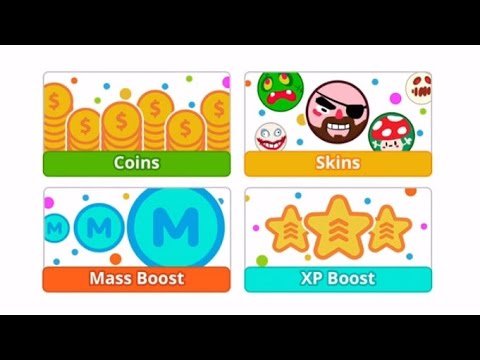
- The monetization strategy centers on a virtual currency system that supports rewarded video ads, Tapjoy offer walls, and tiered in-app coin purchases.
- To drive long-term retention and engagement, the game uses a pseudo-VIP system that rewards players with bonus mass and currency for connecting Facebook accounts.

FTUE: Slither.io
Slither.io represents a modern evolution of the classic snake genre, blending traditional mechanics with the competitive, multiplayer dynamics popularized by Agar.io.
- Slither.io relies on a minimalist, pick-up-and-play design that eschews formal tutorials to drive rapid re-engagement and viral growth.
- The game’s monetization strategy is currently limited to intrusive, non-rewarded video advertisements, which underperforms compared to industry standards favoring opt-in, rewarded formats.
- The title lacks a robust in-app purchase economy, restricting its ability to compete with major industry players that utilize large-scale user acquisition budgets.