indie
CompanyUnited States
Documents about indie
Add Voice Acting To Your Indie Game FAST & FREE
Integrating voice acting into indie game development is a viable, cost-effective strategy when leveraging accessible digital audio workstations and standard hardware.
- Technical post-processing can compensate for amateur vocal performances, allowing developers to achieve professional-grade results without hiring expensive studio talent.
- Developers can produce high-quality audio assets independently by investing in standard hardware like the Shure SM7B microphone and Focusrite Scarlett interface.
- Free software such as Audacity enables essential audio manipulation, including pitch adjustment, reverb application for room acoustics, and graphic equalization for frequency refinement.

Preparing My Game For Release... (Final Devlog!)
The final stages of indie game development involve a transition from creative design to the administrative and technical rigors of a commercial launch.
- The transition to launch requires shifting focus from creative design to administrative and technical rigors, including finalizing legal requirements like privacy policies.
- Developers must prioritize critical bug fixes over minor polish to avoid development limbo and adhere to a viable release schedule.
- Managing community feedback and playtester suggestions requires a structured workflow, utilizing tools like Trello to organize and triage an endless stream of tasks.
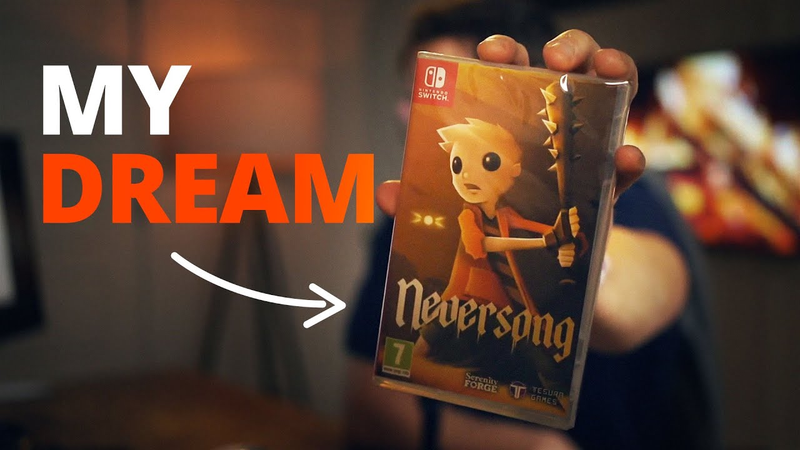
Unboxing my INDIE GAME DREAM (collector's edition!!!)
The primary purpose of this account is to document the realization of a long-term professional goal: the production of a physical collector’s edition for an indie game.
- Scaling an indie game from a digital-only release to a physical collector's edition is best achieved through strategic partnerships with specialized publishers like Serenity Forge and Tessera Games.
- Collaborating with established publishers allows developers to offload complex manufacturing and distribution logistics, enabling them to focus on core creative output.
- Maintaining high-quality, original 2D art assets throughout the development cycle is essential for producing premium physical merchandise like posters, trading cards, and pins.
HOW TO DRAW 2D CHARACTERS IN PS (10 MINUTE TUTORIAL)
This tutorial outlines a streamlined, ten-minute workflow for creating 2D game characters in Adobe Photoshop, emphasizing accessibility for developers regardless of their prior artistic experience.
- Use a T-pose reference image as the foundation to establish accurate character proportions before beginning the construction process.
- Construct character silhouettes using basic geometric shapes like circles and rounded rectangles to prevent visual clipping during future animation cycles.
- Select character colors based on the intended game environment to ensure sufficient visual contrast and ensure the character remains distinct from the background.
What I Learned After 10 YEARS of Game Dev
Drawing from a decade of experience in the independent game industry, this analysis outlines five core principles for achieving commercial success as a full-time developer.
- Prioritize marketability by letting marketing strategy dictate game design before production begins to ensure the project has a clear, viable audience.
- Build an audience early by cultivating a following across social media, Steam wishlists, and email lists to facilitate direct communication during product launches.
- Adopt a modular asset workflow to significantly reduce production time compared to traditional, bespoke, hand-drawn development methods.

2022 will be THE BEST YEAR for Indie Game Devs
The independent game development landscape is entering a period of unprecedented opportunity, driven by evolving revenue models, the integration of blockchain technology, and the emergence of the metaverse.
- Indie developers are shifting away from traditional unit sales toward subscription-based models like Xbox Game Pass and Apple Arcade, which provide stable upfront capital.
- Blockchain technology and NFTs allow developers to capture premium pricing on limited-edition in-game items that exceed standard retail costs.
- Integration of blockchain-based secondary markets enables developers to earn ongoing royalties from the resale of digital assets.
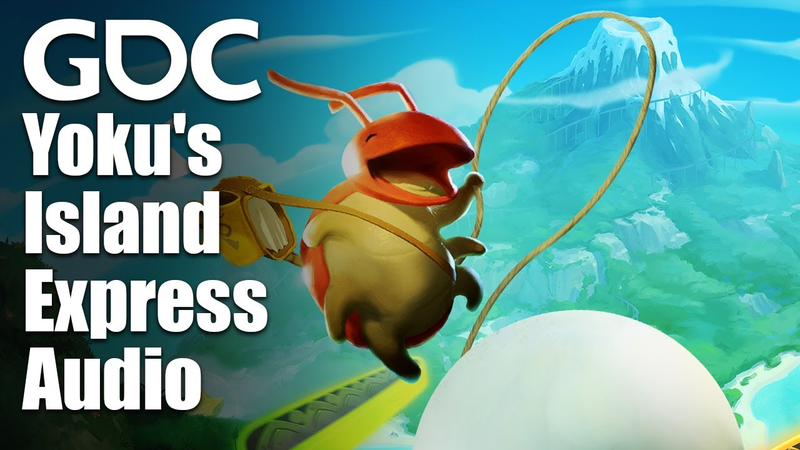
Adventures in III Audio: 'Yoku's Island Express'
The development of audio for the indie title Yoku’s Island Express demonstrates that applying AAA production standards to smaller-scale projects requires rigorous pre-production, clear communication workflows, and formalized contractual agreements.
- Applying AAA production standards to indie projects requires rigorous pre-production, formalized contracts, and clear communication workflows to manage technical risks.
- The integration of Wwise provided the necessary scalability to manage the technical limitations of the project's custom-built game engine.
- Strategic outsourcing to the Materia Collective enabled the inclusion of high-quality live musical performances despite the constraints of an indie budget.
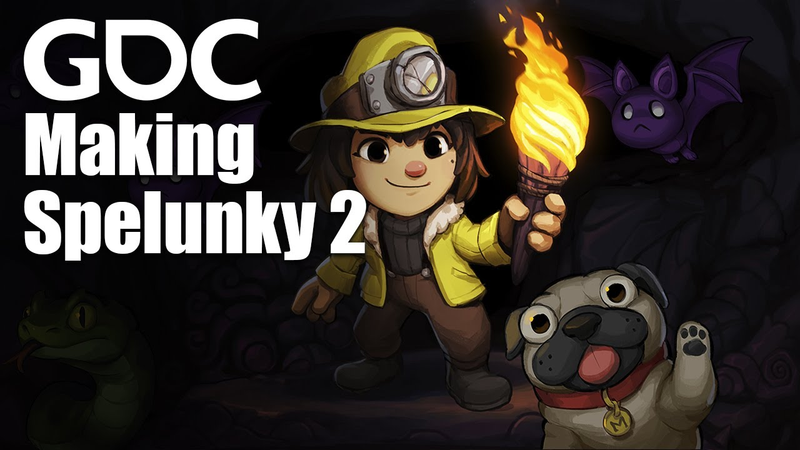
One More Run: The Making of 'Spelunky 2'
Spelunky 2 serves as a deliberate evolution of the roguelike genre, functioning as a framework that prioritizes high interactivity, destructible environments, and emergent gameplay.
- Spelunky 2 was developed with a focus on preserving the core 'spiky' design philosophy of the original, which prioritizes player agency and a world that feels indifferent to the player rather than purely focused on progression.
- The development team utilized custom internal tools to manage complexity, including a system to set game variables, record replays, and manipulate camera and time settings, which served both as a testing suite and a source for marketing assets.
- Level design for the sequel was managed through externalized files edited in text editors with custom flags, a process the developer found more efficient than building a dedicated in-game editor.
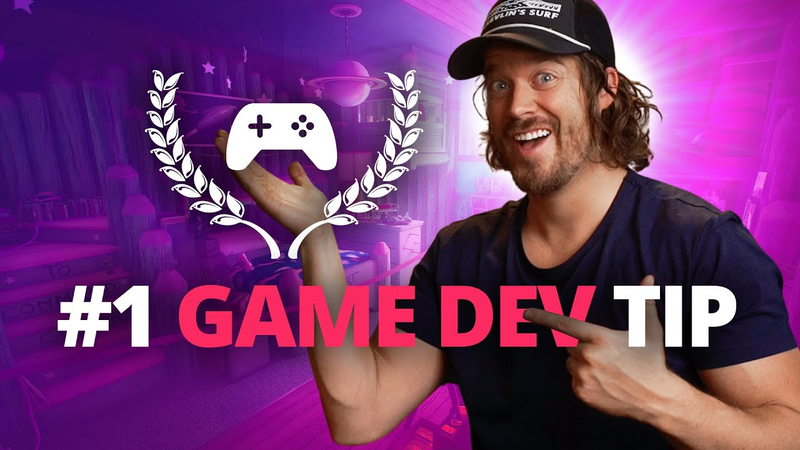
My #1 TIP for NEW indie game devs
Securing a publishing deal as an indie game developer with limited industry experience requires a strategic approach to professional branding.
- New indie developers should adopt a 'fake it till you make it' mindset to overcome a lack of industry tenure and build immediate professional credibility.
- Curate a professional press kit that highlights modest milestones, such as game jam placements or positive alpha tester feedback, to signal competence to publishers.
- Use professional visual design elements, such as award laurels, to frame small achievements in a way that projects authority and professional maturity.
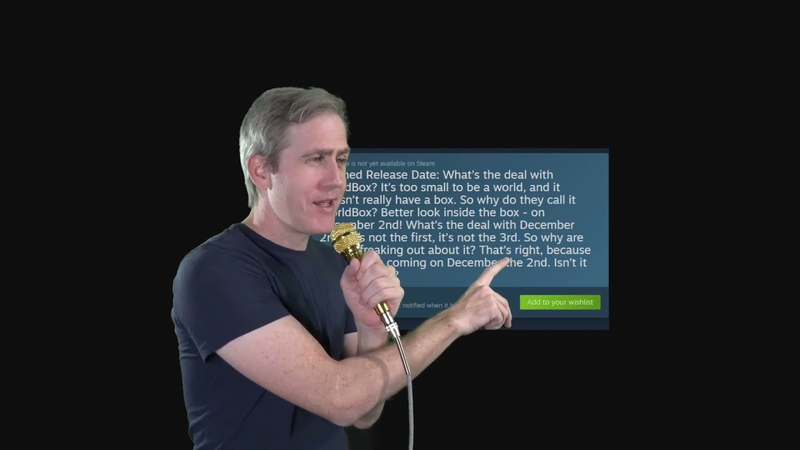
WorldBox release date hack
Steam store pages allow developers to bypass standard character limitations in the release date field, providing a strategic opportunity to increase game visibility.
- Developers can bypass standard Steam release date field character limits to inject custom marketing copy into store listings.
- This technique forces custom text to appear in the Steam wishlist widget and the hover tooltip, areas that typically do not display a game's short description.
- The hack serves as a functional workaround to provide immediate context to potential players who interact with a game listing before clicking through to the store page.
I made HALF-LIFE... but it's 2D
This analysis outlines an efficient workflow for creating 2D game environments and character assets, using a reimagining of the Half-Life 2 setting, City 17, as a practical case study.
- Maintain visual cohesion in 2D environments by applying consistent lighting rules, specifically using 45-degree highlights and lowlights across all assets.
- Establish atmosphere and contrast by prioritizing foreground elements, which are essential for grounding the player's perspective and setting the mood in darker game environments.
- Increase asset creation efficiency by using custom brushes, stamps, and foundational shapes from resources like the Noun Project to build complex cityscapes.
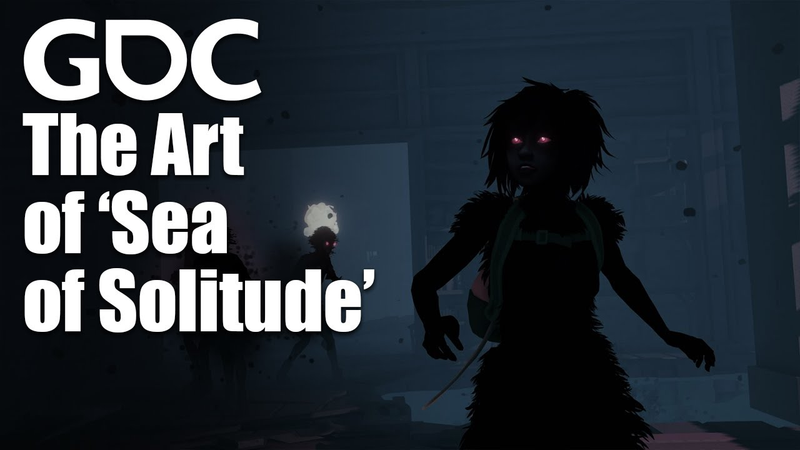
Paint It Black: The Art of 'Sea of Solitude'
Sea of Solitude functions as a deeply personal exploration of human loneliness and mental health, utilizing a surreal, metaphorical landscape to externalize the protagonist’s internal struggles.
- The game's core design philosophy centers on 'turning the inside out,' where the protagonist's internal emotional state directly dictates environmental factors like water levels and weather patterns.
- To achieve a unique visual style, the team implemented custom Unity tools that allowed for precise control over shadow and ambient occlusion coloring, preventing the environment from appearing blunt or flat.
- The developers manipulated the specular component of materials by applying subtle color gradients, creating a dynamic, living world that reacts to player movement without being overtly noticeable.