indie
CompanyUnited States
Documents about indie
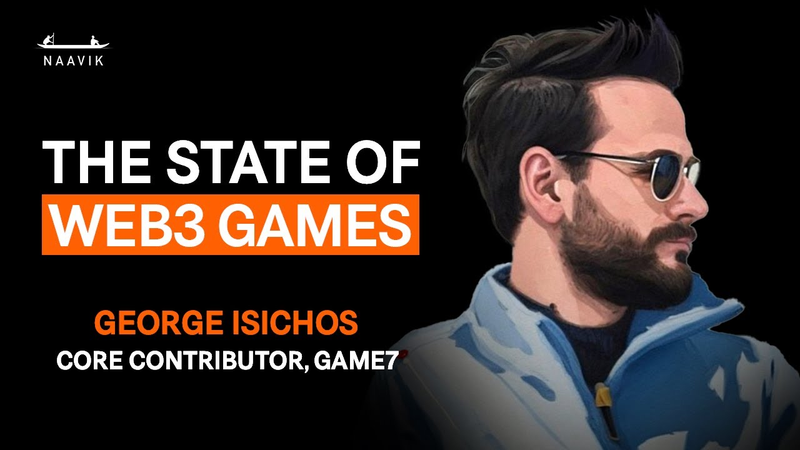
The State of Web3 Gaming with Game7
The Web3 gaming sector is undergoing a significant maturation process, transitioning from speculative, infrastructure-heavy development toward a focus on playable, high-quality experiences.
- Web3 gaming is shifting from speculative, infrastructure-heavy models toward high-quality, 'Web2-first' experiences that prioritize entertainment value over blockchain-native mechanics.
- Venture capital funding for the sector increased by 17% in 2024, with investors now favoring smaller, milestone-driven investments over speculative, large-scale rounds.
- The industry is moving away from inflationary 'play-to-earn' structures in favor of 'play-to-airdrop' campaigns, which are currently used as temporary engagement tools.

TWIG #308 Plarium Gets Raided / Take-Two Divests / EA CEO Flirts With Disney
The gaming industry is currently navigating a period of significant structural realignment, characterized by a cooling of mobile valuations and a strategic retreat from non-core assets among major publishers.
- Aristocrat divested its mobile studio Plarium to Modern Times Group for $820 million, a valuation reflecting a cooling mobile market and geopolitical risk.
- Take-Two Interactive is offloading its ad-tech platform Chartboost and the Private Division publishing label to prioritize high-margin core intellectual property over operational complexity.
- The gaming industry is experiencing a structural shift as traditional venture capital models struggle to reconcile with the hit-driven, creative-led nature of AAA development.

A New Frontier: Where Transmedia Meets UGC
The gaming industry is undergoing a fundamental transition from traditional, static intellectual property management toward the development of co-creative transmedia ecosystems.
- The gaming industry is shifting toward co-creative transmedia ecosystems where user-generated content (UGC) is integrated directly into major franchises to transform games into long-term content engines.
- UGC integration significantly boosts engagement, as evidenced by 'Ark: Survival Ascended,' where 74 percent of the player base uses mods, leading to a 42 percent increase in average playtime.
- The adoption of mods has become cross-platform, with 69 percent of mods for major titles now being utilized on consoles rather than being restricted to PC.
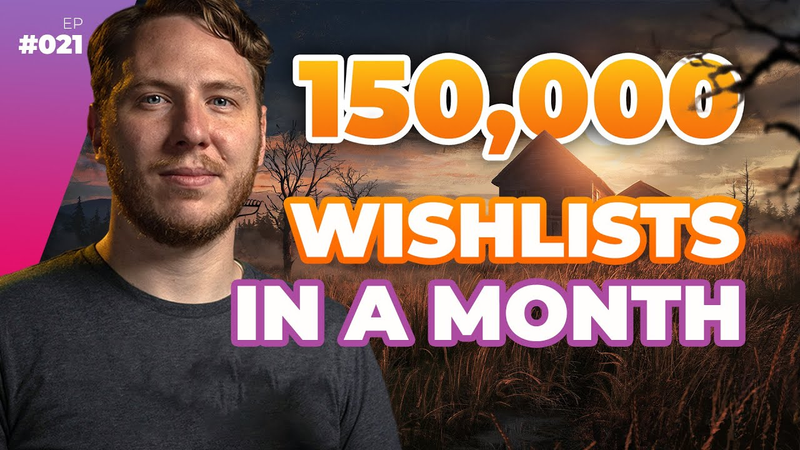
How This Game Dev Got 150,000 Wishlists In A Month — Full Time Game Dev Podcast Ep. 021
Transitioning to full-time independent game development requires a strategic balance between creative ambition and financial pragmatism.
- Developer David Wehle achieved 150,000 wishlists for his upcoming game, 'We Harvest Shadows,' within one month by leveraging a high-quality, standalone demo.
- The game's marketing strategy relied on a 'genre-bending' approach that combined farming simulation with horror, a niche identified by analyzing market trends and player fatigue toward 'soulless' games-as-a-service titles.
- Strategic exposure through high-profile influencers, including Jacksepticeye (30 million subscribers) and Gab Smolders, significantly accelerated wishlist growth after they praised the demo's emotional depth and unique mechanics.
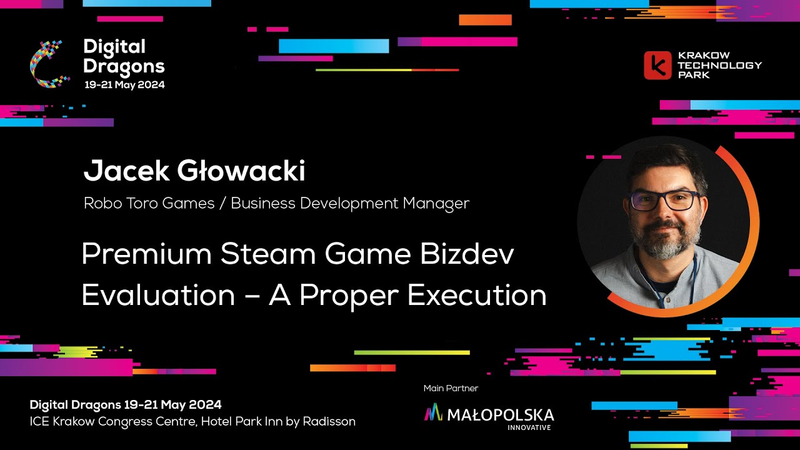
Jacek Głowacki - Premium Steam Game Bizdev Evaluation – A Proper Execution
Strategic business development in the premium Steam marketplace requires a transition from intuition-based decision-making to rigorous, data-driven financial modeling.
- Conducting a formal business analysis is essential for project viability, as 13,871 of the 14,541 games launched on Steam in 2023 generated only 9% of the total annual revenue.
- To estimate potential sales, identify up to five key Steam tags that define your game, filter by similar price points to ensure comparable scope and budget, and apply the 'Boxleiter ratio' to convert review counts into estimated sales figures.
- Establish a clear break-even point by calculating the number of units required to recoup development costs, then compare this against the median sales performance of your identified competitors to validate the realism of your business goals.
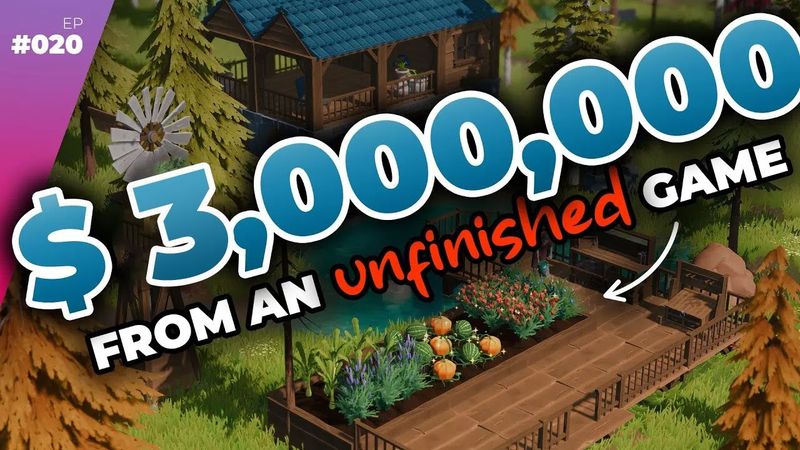
How He Made $3,000,000 From His Indie Game — Full Time Game Dev Podcast Ep. 020
The indie game industry offers significant financial potential for developers who prioritize unique creative visions and sustainable production models.
- Early Access is a viable strategy for long-term development, as evidenced by Lens Island growing to ten times its initial scope during a three-year Early Access period.
- Steam treats an Early Access launch and a 1.0 full release as two distinct opportunities for store visibility, providing developers with two separate chances to gain traction and exposure.
- The conversion rate of wishlists decreases over time, meaning a large pool of wishlists accumulated over several years may be less effective than a smaller, more recent pool generated during a Steam Next Fest.
The Marketing Money Talk: How to Budget Your Indie Game's Promotion Campaign
Successful indie game promotion relies on a flexible, prioritized budget that treats marketing as a multiplier for a game’s inherent quality rather than a fixed percentage of development costs.
- First-party store support (e.g., Steam, Xbox, Nintendo) provides the highest reach and should be prioritized, as no other marketing channel matches the impact of features like the 'Popular Upcoming' list or store pop-up banners.
- Marketing should be viewed as a multiplier rather than a primary driver of success; it accelerates growth for games that already resonate with players but produces diminishing returns for games that fail to find an audience.
- When budgeting for trailers, expect to spend between $5,000 and $10,000 for a professional-grade trailer, while high-end agency productions involving actors or mixed reality can range from $10,000 to over $50,000.
How To Avoid Game Dev Burnout
The primary challenge of indie game development is the inherent unpredictability of the creative process, which often leads developers to prioritize extreme work hours over physical and mental health.
- Chronic, high-stress game development habits—such as skipping meals, sleep deprivation, and prioritizing work hours over health—can lead to severe physical consequences, including life-threatening cardiac events like arrhythmia and heart failure.
- Sustainable game development requires treating physical health, including consistent exercise and proper nutrition, as a non-negotiable priority rather than an optional activity to be sacrificed during crunch periods.
- Game development is inherently stressful because it involves building complex products without a blueprint, leading to constant uncertainty regarding development timelines, technical feasibility, and the ultimate quality of the game.
How To Make Indie Games Full Time (Before Finishing Your Game)
Transitioning to a full-time career in independent game development requires a strategic, multi-stage approach to funding that often necessitates personal financial sacrifice and diversified income streams.
- Julian Ball funded the development of Lens Island through a combination of personal savings, a pre-existing YouTube channel, and a $60,000 Kickstarter campaign.
- Lens Island has achieved significant commercial success, selling approximately 200,000 copies and generating roughly $3 million in gross revenue over three to four years.
- The studio's financial requirements scaled significantly over time, moving from a lean operation supported by personal savings to a peak burn rate of $100,000 per month.
Is It Too Late To Make Indie Games?
The indie game industry is not in a state of decline, but rather experiencing a shift in how success is defined and achieved.
- The indie game market is not struggling; rather, the industry's challenges are concentrated within AAA studios and publishers that prioritize risk-averse, uninspired 'solid' games over unique, innovative experiences.
- Indie developers possess a competitive advantage because they are not constrained by corporate structures or shareholder demands, allowing them to take the creative risks necessary to build games with strong, unique hooks.
- Large-scale publishers often impose corporate oversight that can water down an indie developer's original vision, potentially making the final product less competitive in a crowded market of 30,000 annual Steam releases.
4 CRITICAL LESSONS I've Learned (After 10 Years Of Making Indie Games)
Drawing from over a decade of experience in the indie game industry, this analysis outlines four essential strategies for developers aiming to achieve professional success and financial sustainability.
- Prioritize the validation of the first 15 minutes of gameplay to ensure a high-quality experience that elicits a positive emotional response before committing further development resources.
- Scale game development exclusively by expanding upon the validated core segment rather than building out unproven concepts, which prevents the dilution of overall quality.
- Focus narrative and linear game development on the 'bookends' by front-loading rewards to hook players and ensuring a high-value, satisfying conclusion to maintain engagement through potential mid-game grinds.

Breaking In & Leveling Up: Meet the Game Industry’s Next Generation
The game industry is currently navigating a critical transition in talent acquisition and workplace culture, driven by a disconnect between the demand for junior developers and the lack of structured mentorship programs.
- The industry faces a hiring paradox where studios demand prior experience that entry-level candidates cannot obtain, forcing new talent to gain initial experience at indie studios or startups.
- Sustainable growth requires eliminating toxic crunch culture and adopting modern management practices, such as four-day work weeks, to improve long-term employee retention and productivity.
- Studios must move away from rigid hiring criteria that prioritize traditional 'hardcore gamer' backgrounds and instead focus on diverse, modern skill sets.