Disney
CompanyUnited States
Documents about Disney
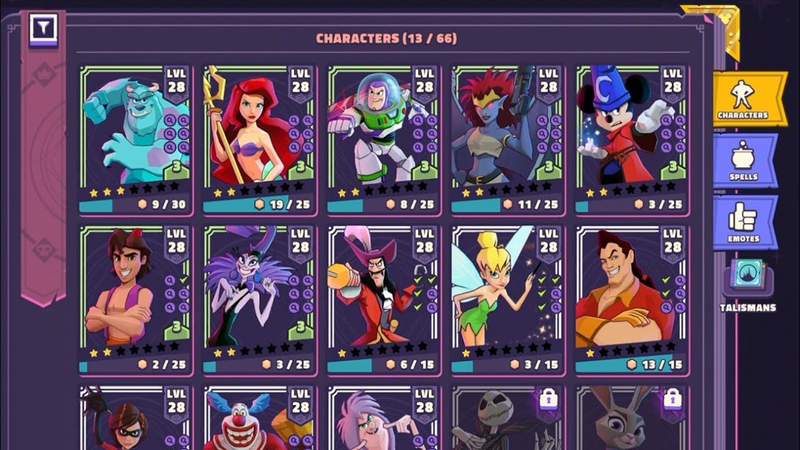
How does DISNEY SORCERER'S ARENA retain, engage and monetize?
Disney Sorcerer’s Arena, a squad-based turn-based RPG developed by Glu Mobile, utilizes a complex, multi-layered monetization and engagement model built upon the broad appeal of the Disney and Pixar intellectual property.
- Disney Sorcerer’s Arena utilizes a shard-based collection system for Disney and Pixar characters, mirroring the core mechanics of Star Wars: Galaxy of Heroes.
- Monetization is driven by an aggressive, multi-layered economy featuring randomized loot boxes, specialized stores, and frequent pop-up offers designed to accelerate player progression.
- The game employs a tiered battle pass system called the 'Pass Holder' season, which incentivizes monthly recurring spending through a premium 'Gold Pass' offering exclusive bonuses.
Zuck's Achilles Heel: Disney's Renewed Interest in Games and EA's Spending Spree
The gaming industry is currently defined by aggressive intellectual property (IP) licensing, rapid consolidation, and a contentious push for new monetization models.
- Electronic Arts spent $4.7 billion over a twelve-month period to acquire studios including Playdemic, Codemasters, and Glu Mobile to expand its mobile gaming footprint and gain leverage against platform holders like Apple.
- Disney has pivoted its interactive strategy to a licensing-heavy model, offloading the operational risks of game development by granting third-party developers like Ubisoft and Square Enix access to its franchise portfolio.
- Facebook’s attempt to integrate advertisements into its Oculus VR platform failed due to community backlash, forcing developers to withdraw from ad-testing programs and highlighting the incompatibility of current ad models with immersive environments.


The Past, Present and Future of Games
The analysis outlines the evolution of gaming from its early stages to contemporary and projected future states, emphasizing demographic shifts, monetization models, and technological convergence.
- The gaming industry is experiencing significant growth, evidenced by a 29% increase in PC game revenue and a 19.6% rise in mobile downloads in 2020, with total consumer spend projected to grow by 21% in 2023.
- Gaming is increasingly defined by social integration, with 45% of U.S. gamers aged 10–30 utilizing social features during gameplay.
- Streaming viewership has surged, as evidenced by a fivefold increase in hours watched on Twitch and YouTube between 2018 and 2019, led by dominant titles like Fortnite, League of Legends, and Genshin Impact.

Will xCloud and Caffeine.tv Be Game Changers? Winners and Losers in the Escalating Streaming Wars
The convergence of major technology and media firms within the streaming sector marks a critical shift in the competitive landscape of digital entertainment.
- Microsoft is pivoting from a hardware-centric model to a service-oriented strategy with xCloud, aiming to deliver console-quality gaming to mobile devices to compete directly with Google Stadia.
- Fox has invested $100 million into Caffeine.tv to establish Caffeine Studios, focusing on live sports and esports to enter the interactive entertainment market.
- Caffeine.tv faces significant barriers to entry, as it must compete for market share against established giants like Twitch and YouTube, which serve a global audience of 900 million gaming video viewers.
Microsoft Xbox: All Technology Ultimately Becomes a Toaster
The video game industry is undergoing a fundamental transition from hardware-centric business models to service-oriented ecosystems.
- The gaming industry is shifting from hardware-centric sales to service-oriented ecosystems, where dedicated consoles are increasingly treated as commoditized 'toasters' rather than primary drivers of value.
- Microsoft is transitioning the Xbox business model toward recurring revenue and subscription-based access, utilizing lease-style programs like Xbox All Access to lower entry barriers and ensure long-term consumer commitment.
- Microsoft is pivoting its exclusivity strategy away from software titles toward human talent, specifically recruiting high-profile streamers to anchor its platform and drive user engagement.
Publishers Playing Politics
This analysis examines the intersection of corporate interests and political expression within the global video game industry, focusing on the 2019 controversy involving Activision Blizzard and the Hong Kong protests.
- Major video game publishers face a growing conflict between upholding Western democratic values and maintaining access to the lucrative, protectionist Chinese market.
- Activision Blizzard’s 2019 decision to ban professional player Ng 'blitzchung' Wai Chung for supporting Hong Kong protests highlights the prioritization of Chinese market stability over Western workforce and consumer values.
- Approximately 50% of the World of Warcraft player base resides in China, creating a significant financial dependency that influences corporate decision-making.
Apple Arcade at $4.99: Can Services Revenue Offset a Decline in Handset Sales?
The emergence of Apple Arcade at a $4.99 price point signals a strategic shift toward services revenue to mitigate a 12% year-over-year decline in iPhone sales.
- Apple is leveraging the $4.99 Apple Arcade subscription to offset a 12% year-over-year decline in iPhone sales, with a target of 50 million subscribers within 24 months.
- Major platform holders like Sony and Microsoft are shifting away from hardware exclusivity, prioritizing content ownership and flexible studio integration over platform-locked ecosystems.
- Non-endemic companies like Netflix are entering the gaming market to differentiate their services against competitors like Disney+ as video delivery technology becomes commoditized.
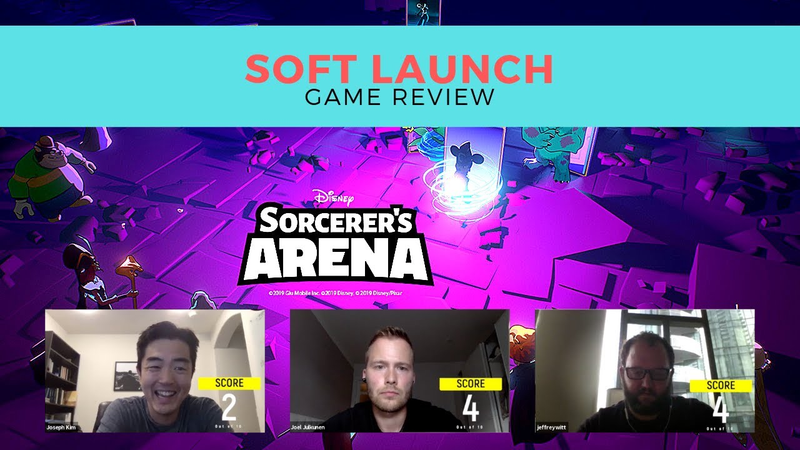
Disney Sorcerers Arena Mobile Game by Glu Mobile | Soft Launch Review
Disney Sorcerer’s Arena faces significant viability challenges as it navigates its soft launch phase, primarily due to a fundamental misalignment between its intellectual property and core gameplay mechanics.
- Disney Sorcerer’s Arena faces a critical demographic mismatch, as its complex, mid-core RPG mechanics fail to align with the casual, female-skewing audience typically associated with the Disney brand.
- The game is currently underperforming during its soft launch phase, characterized by low install volumes and poor revenue per download.
- Ineffective price anchoring and confusing monetization strategies serve as significant barriers to the game's commercial viability.
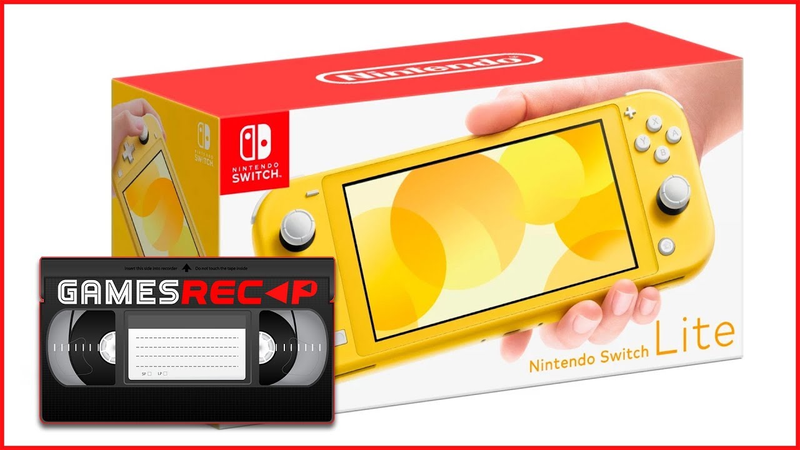
Nintendo Switch Lite | Games ReCAP Episode 021
The Nintendo Switch Lite serves as a strategic expansion of the hardware ecosystem, specifically targeting younger demographics and budget-conscious consumers through a durable, integrated unibody design.
- The Nintendo Switch Lite targets younger and budget-conscious demographics by utilizing a $199 price point and a durable, integrated unibody design.
- Nintendo’s hardware strategy prioritizes software library depth and portable, cohesive experiences over the high-end graphical performance pursued by competitors.
- The success of the Amiibo line demonstrates that high-quality, cross-game compatibility and limited-supply strategies effectively sustain long-term consumer demand.
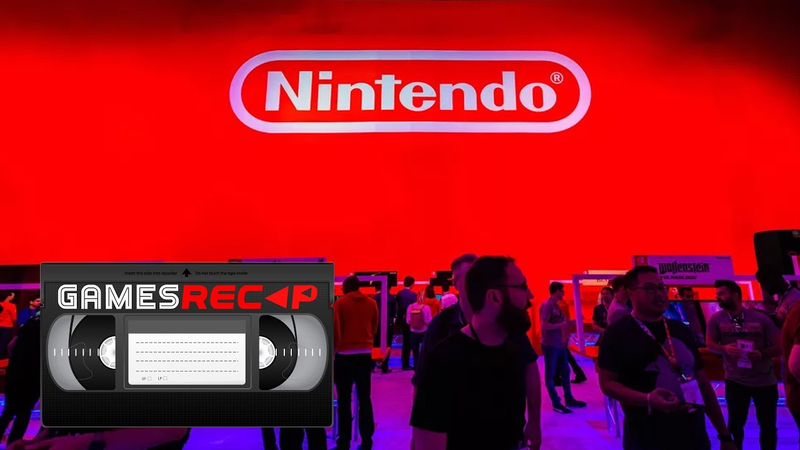
Nintendo E3 Press Conference | Games ReCAP Episode 003
Nintendo occupies a distinct position within the global gaming industry by deliberately eschewing the hardware arms race for graphical fidelity in favor of accessible, stylized gameplay and robust first-party intellectual property.
- Nintendo maintains market relevance by prioritizing stylized, accessible gameplay and first-party intellectual property over the industry-wide arms race for graphical fidelity.
- The Nintendo Switch platform successfully balances a dual-content strategy by integrating nostalgic remakes like Link’s Awakening with innovative titles like Mario Maker and third-party software.
- Nintendo’s brand strategy mirrors that of Disney, focusing on long-term brand equity and consistent, player-centric design to differentiate itself from competitors’ hardcore, corporate aesthetics.
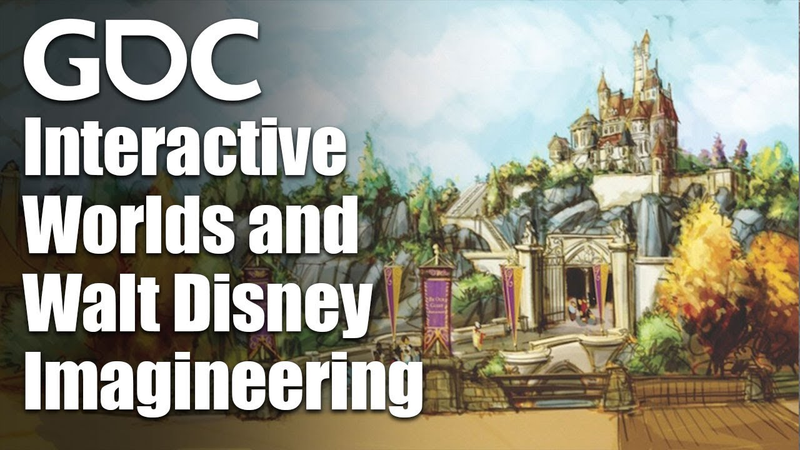
Playing with Magic: Interactive Worlds and Walt Disney Imagineering
The evolution of theme park design centers on transitioning guests from passive observers to active protagonists within immersive, narrative-driven environments.
- Theme park design is shifting from passive observation to active participation, where guests function as protagonists who influence the narrative through purposeful interactions.
- The 'magic circle' framework is utilized to define physical and narrative boundaries, granting guests the agency to shape their environment and drive the story forward.
- Designers integrate game mechanics, responsive environments, and bespoke hardware to transform attractions into interactive interfaces that react to guest actions.
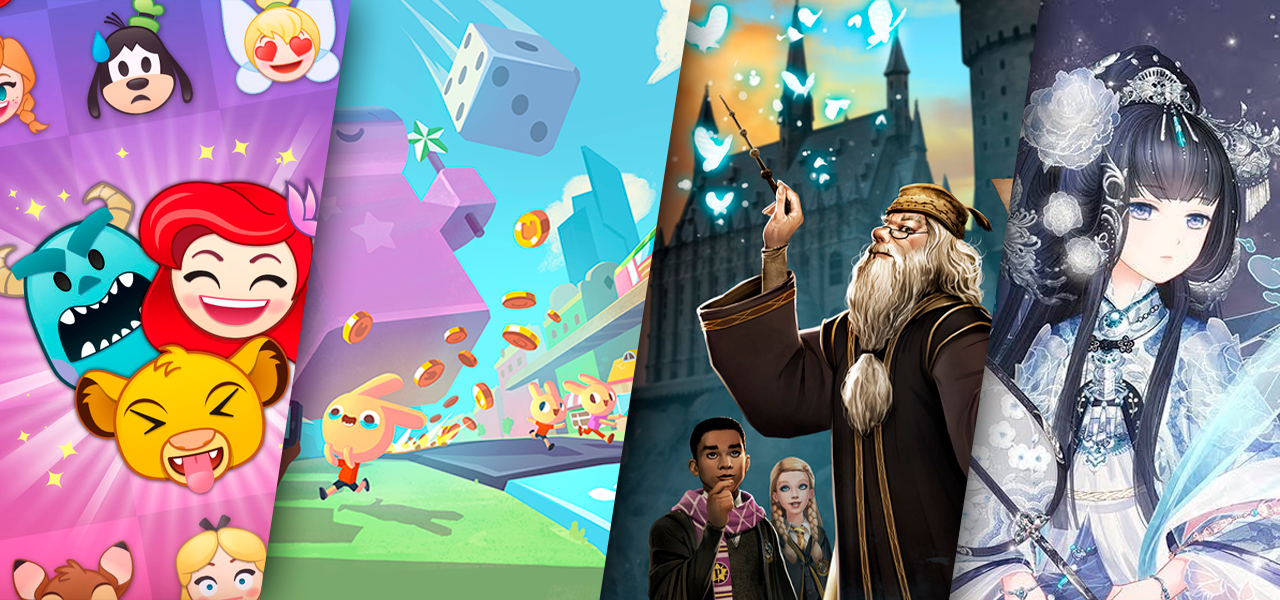
4 Great Examples of PvP Modes in Casual Games
The integration of player-versus-player (PvP) modes into casual mobile games serves as a strategic mechanism to enhance user engagement and retention.
- PvP modes can effectively boost engagement and retention in casual games, provided the mechanics remain simplified and quick to complete to avoid alienating the core audience.
- Disney Emoji Blitz utilizes synchronous, minute-long PvP matches in its 'Food Fight Face-Off' event, where players compete in real-time to collect items and obstruct opponents.
- Board Kings implements asynchronous PvP by allowing players to land on 'Train tiles' to visit, occupy, or steal coins from other players' boards, creating a competitive social dynamic.