Disney
CompanyUnited States
Documents about Disney

The 7 Steps to Successfully Greenlight a Game with an IP
The mobile free-to-play (F2P) games industry faces increasing risk, prompting studios to adopt more rigorous, data-driven, and risk-averse greenlight processes for new product development.
- Successful game greenlighting requires a holistic, non-reactive review process that evaluates how product components—such as target audience, monetization, and mechanics—relate to one another rather than assessing them in isolation.
- Third-party intellectual property (IP) accounts for approximately 20% of the top 300 grossing mobile games in the USA, serving as a risk-mitigation tool that can lower customer acquisition costs (CAC) through pre-existing brand awareness.
- A critical failure point in greenlighting is a mismatch between the target demographic and the game's core mechanics, as seen in Marvel Avengers Academy where the casual narrative-builder loop failed to attract the expected male-centric audience.
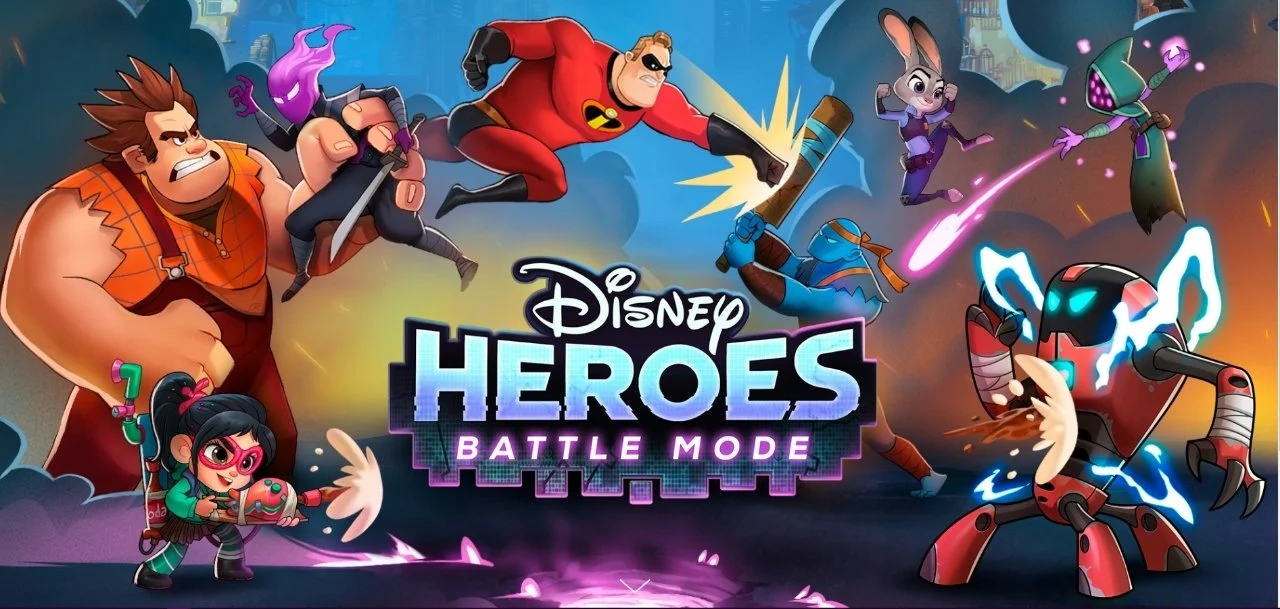
Disney Heroes: A Solid RPG That Tests the Limits of an IP
Disney Heroes: Battle Mode represents a calculated effort to leverage high-value intellectual property within the mobile RPG landscape.
- Developed by PerBlue Entertainment, Disney Heroes: Battle Mode achieved 12 million installs and approximately $10 million in net revenue within its first eight months following its May 2018 launch.
- The game utilizes a highly interdependent economy where multiple game modes reward specific currencies, forcing players to engage with various features to upgrade their hero teams.
- Progression is gated by stamina and a 'team level' system, which limits hero levels and creates a scarcity-driven demand for diamond-to-stamina conversions.
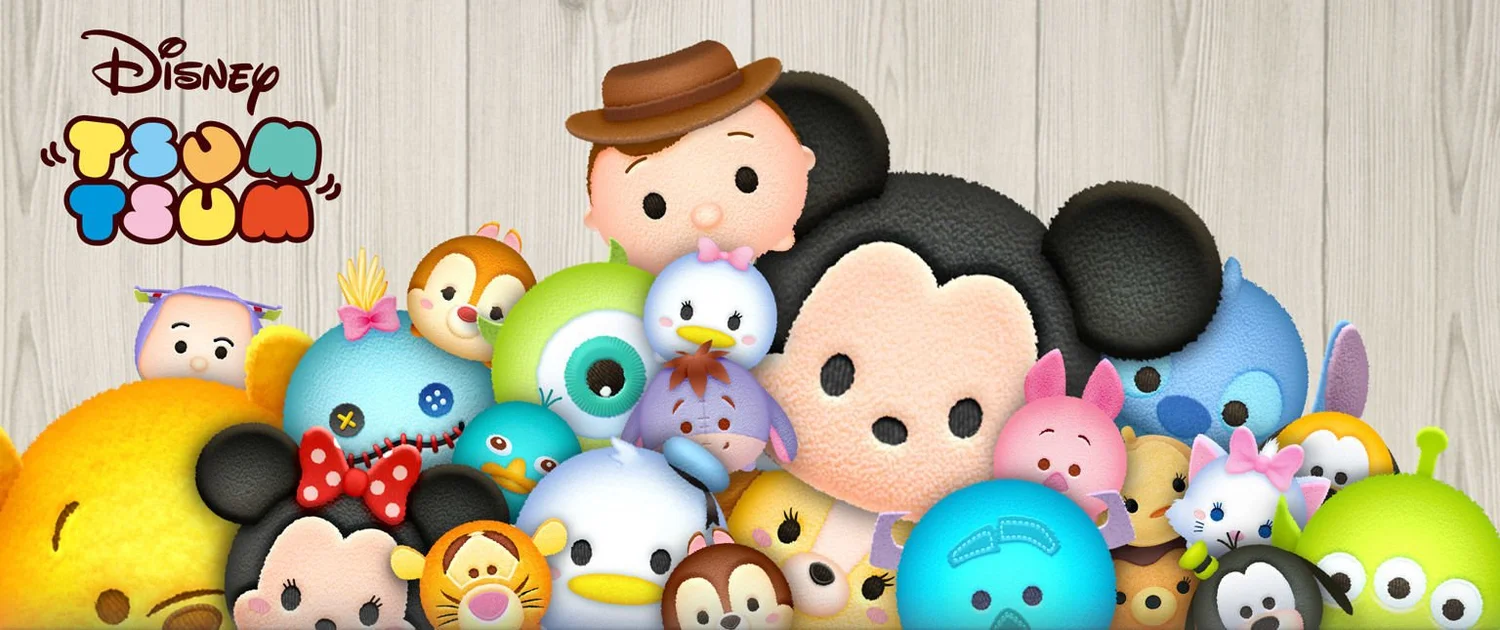
How Disney Tsum Tsum Made over a Billion Dollars
Disney Tsum Tsum serves as a primary case study for achieving massive commercial success in the mobile puzzle genre by diverging from the industry-standard Saga progression model.
- LINE Disney Tsum Tsum generated over $1 billion in revenue by July 2017, outperforming major Western puzzle titles like Gardenscapes and Toy Blast.
- More than 95% of the game's revenue is generated in Japan, largely due to the strong local market for the physical Tsum Tsum collectible toys the game is based on.
- The game differentiates itself from the dominant 'Saga' progression model by utilizing a high-score, timer-based core loop similar to classic titles like Bejeweled Blitz.
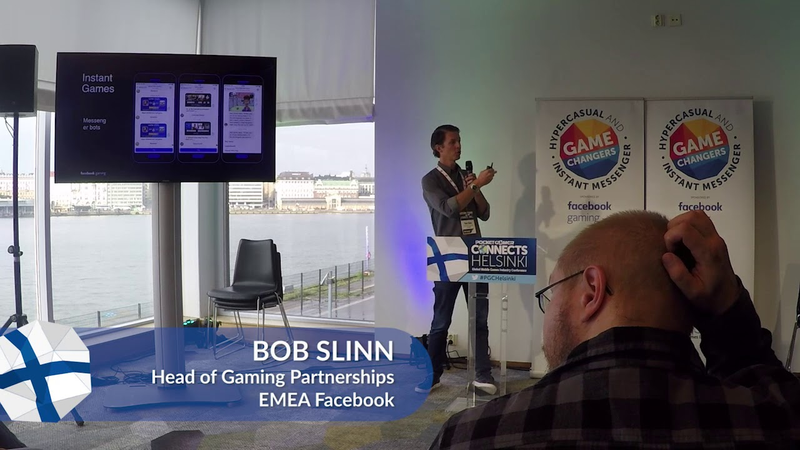
Facebook on Instant Games
Facebook’s Instant Games platform serves as a mobile-first, HTML5-based gaming ecosystem integrated directly into the Messenger and Facebook applications.
- Facebook’s Instant Games platform leverages a global user base of over 2 billion monthly active users to facilitate seamless game discovery and social play within the Messenger and Facebook applications.
- The platform utilizes an HTML5-based architecture that allows developers to build games once for deployment across both web and mobile, currently supporting a library of over 4,000 titles.
- Monetization for developers is supported through a combination of in-app purchases and the Audience Network, which provides interstitial and rewarded video advertising.
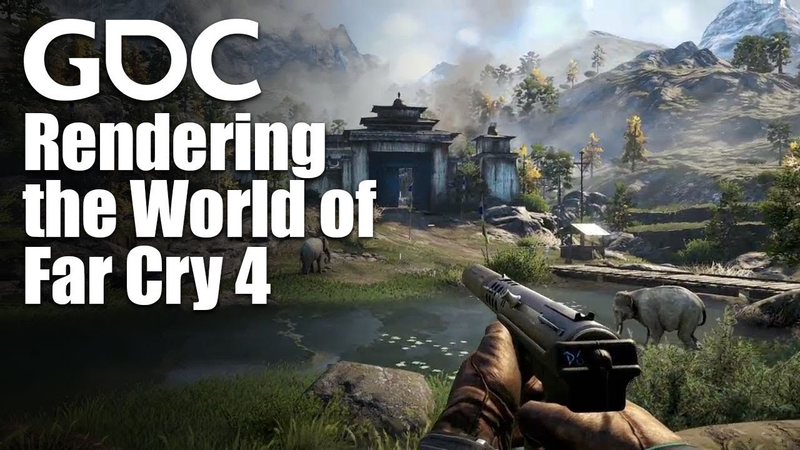
Rendering the World of Far Cry 4
The development of Far Cry 4 centered on the implementation of a physically based rendering pipeline designed to achieve high-fidelity material realism while maintaining performance across five distinct hardware platforms.
- The development team implemented a physically based rendering (PBR) pipeline using the Disney BRDF model, incorporating metallic and anisotropic parameters to achieve high-fidelity material realism across five hardware platforms.
- A custom anti-aliasing solution combining SMAA with temporal super-sampling achieved high-fidelity image quality at a performance cost of only two milliseconds.
- The transition to a GPU-based virtualized radiance transfer system eliminated CPU-GPU synchronization bottlenecks, while offline G-buffer baking and real-time GPU filtering reduced memory overhead by approximately two megabytes.
The Last Jedi Premiere More Than Doubled Star Wars Mobile Game Downloads
The release of the film The Last Jedi in December 2017 served as a significant catalyst for the mobile gaming sector, driving a substantial surge in new user acquisition for Star Wars-themed titles.
- The opening weekend of 'The Last Jedi' drove a 153% increase in new Star Wars mobile game installs, resulting in over one million new downloads compared to approximately 413,000 the previous weekend.
- Top-performing titles significantly outperformed the franchise average: Netmarble's 'Star Wars: Force Arena' grew by 260%, EA's 'Star Wars: Galaxy of Heroes' by 216%, and Disney's 'Star Wars: Commander' by 201%.
- While the 2015 release of 'The Force Awakens' generated a higher total volume of 2.17 million downloads, 'The Last Jedi' achieved a stronger relative growth rate of 2.5x week-over-week compared to the 1.8x growth seen in 2015.
COLOPL Q4 FY2017 and FY2017 Operating Results Briefing: Q&A Summary
COLOPL’s fiscal year 2017 operating results briefing outlines a strategic shift toward aggressive expansion and diversification, moving beyond its traditional reliance on internal smartphone titles.
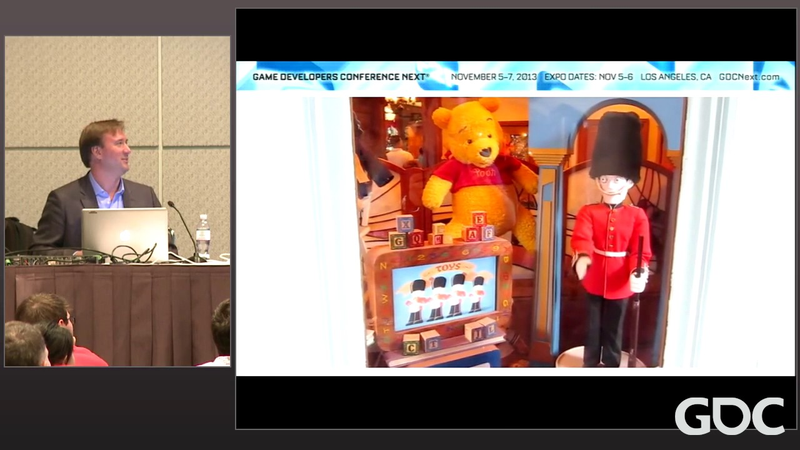
Location-Based Interactive Storytelling the Walt Disney Imagineering Way
Walt Disney Imagineering integrates core game design principles into physical theme park environments to transform passive observation into active, immersive storytelling.
- Walt Disney Imagineering transforms theme park environments into immersive narratives by treating guests as protagonists through physical exploration and agency.
- Effective location-based experiences prioritize intuitive, 30-second onboarding to ensure accessibility across multi-generational demographics.
- Designers manage high-traffic operational constraints by utilizing non-linear quest structures and tiered difficulty levels to prevent bottlenecks and excessive backtracking.
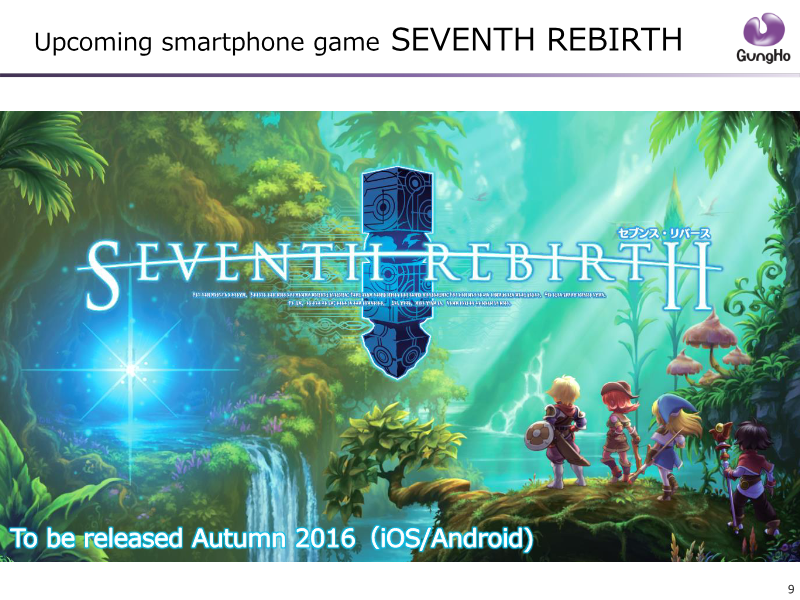

GungHo Online Entertainment FY2016 Q3 Financial Results Briefing
GungHo Online Entertainment’s third-quarter fiscal 2016 financial results outline a strategic pivot toward global market expansion and the diversification of its product portfolio.
- GungHo Online Entertainment reported Q3 2016 financial results of 25.9 billion JPY in sales and 9.8 billion JPY in operating profit, reflecting a decline in revenue compared to previous periods.
- The company is shifting its development philosophy from a domestic-first model to a universal design approach to streamline international distribution and reduce localization delays.
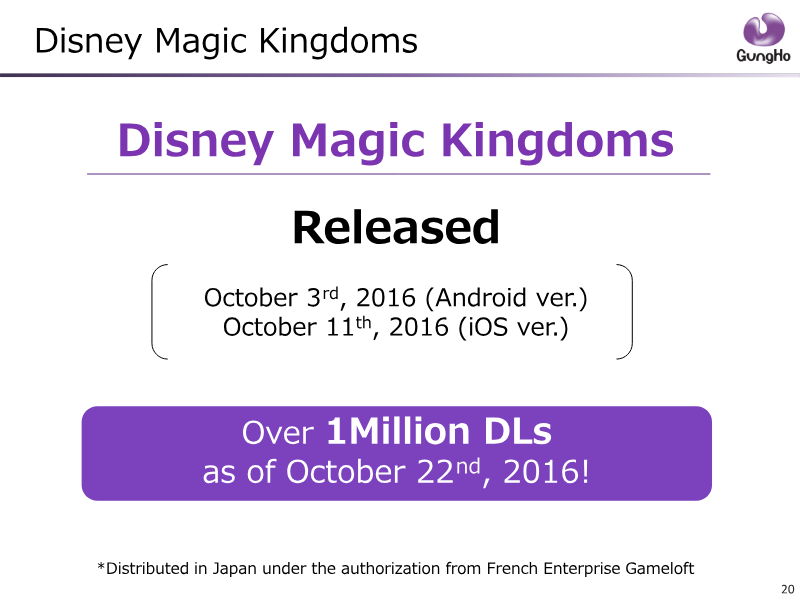
- Partner publishing is a core growth pillar, highlighted by the October 2016 launch of Disney Magic Kingdoms, which surpassed one million downloads within weeks.
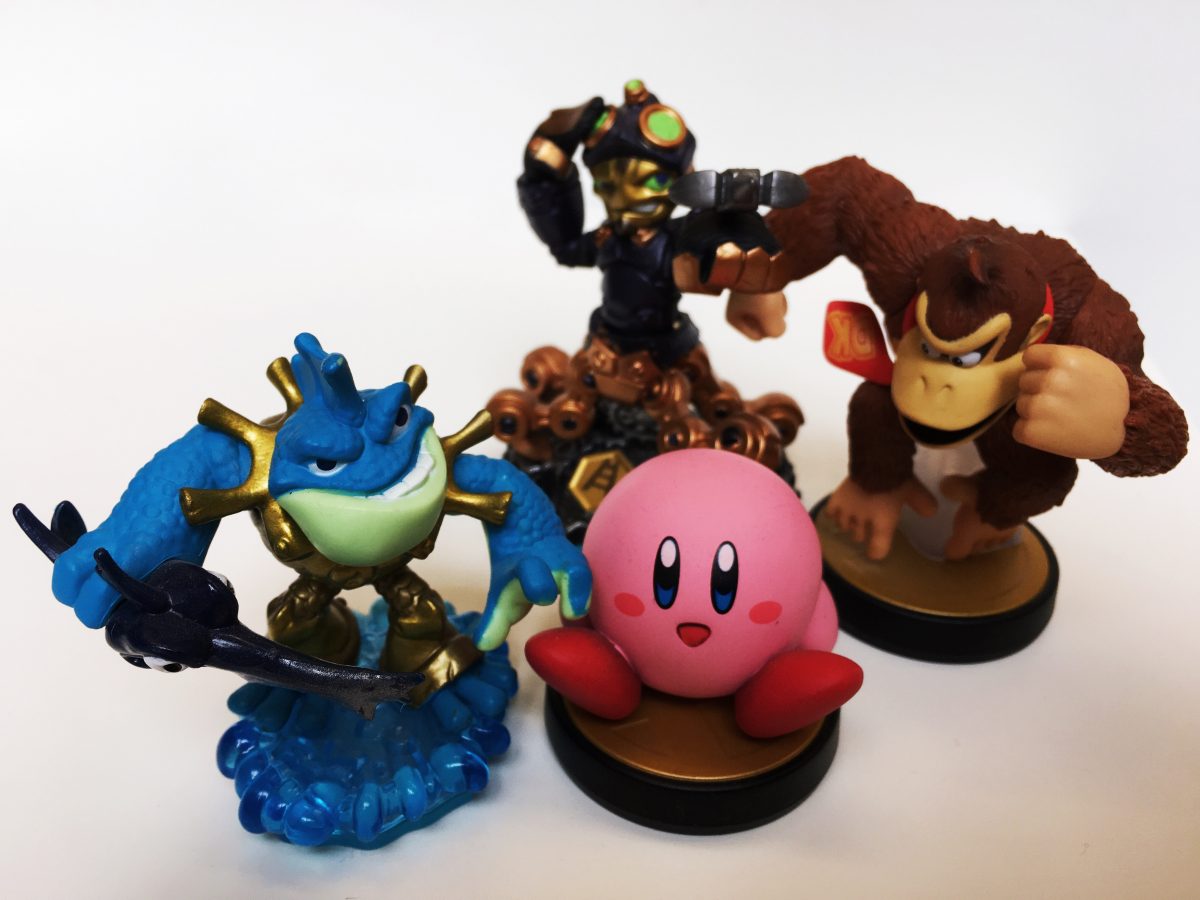
Toys-to-Life: Collectible Figures Take the Video Game World by Storm
The toys-to-life market segment, which integrates physical collectible figurines with digital video game content via near-field communication (NFC) technology, experienced significant growth in Germany during 2015.
- The German 'toys-to-life' market segment experienced a 45% growth in sales revenue within a single year, rising from 31 million euros in the first nine months of 2014 to 45 million euros during the same period in 2015.
- Total sales for the toys-to-life category in Germany reached 46.6 million euros in 2014, a figure that was nearly matched in just the first nine months of 2015.
- The toys-to-life market is highly seasonal, with more than one-third of annual turnover generated during the Christmas holiday period.
GungHo Online Entertainment Q2 2016 Financial Results
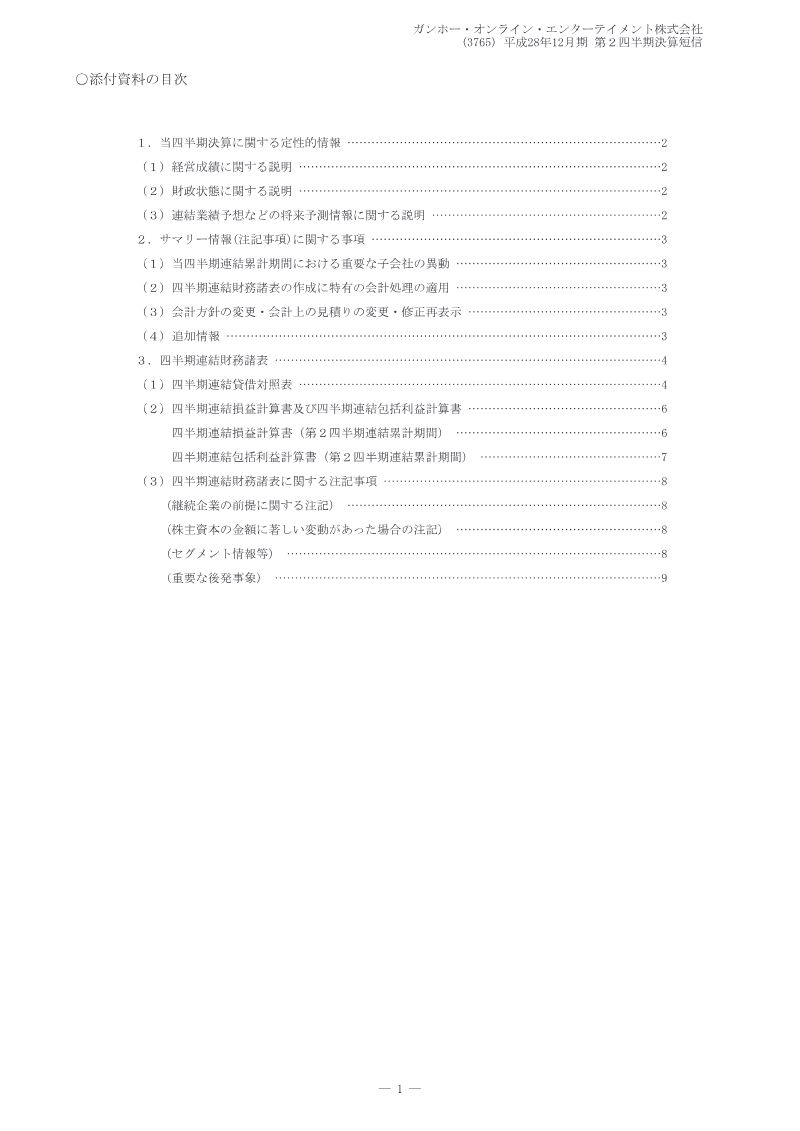
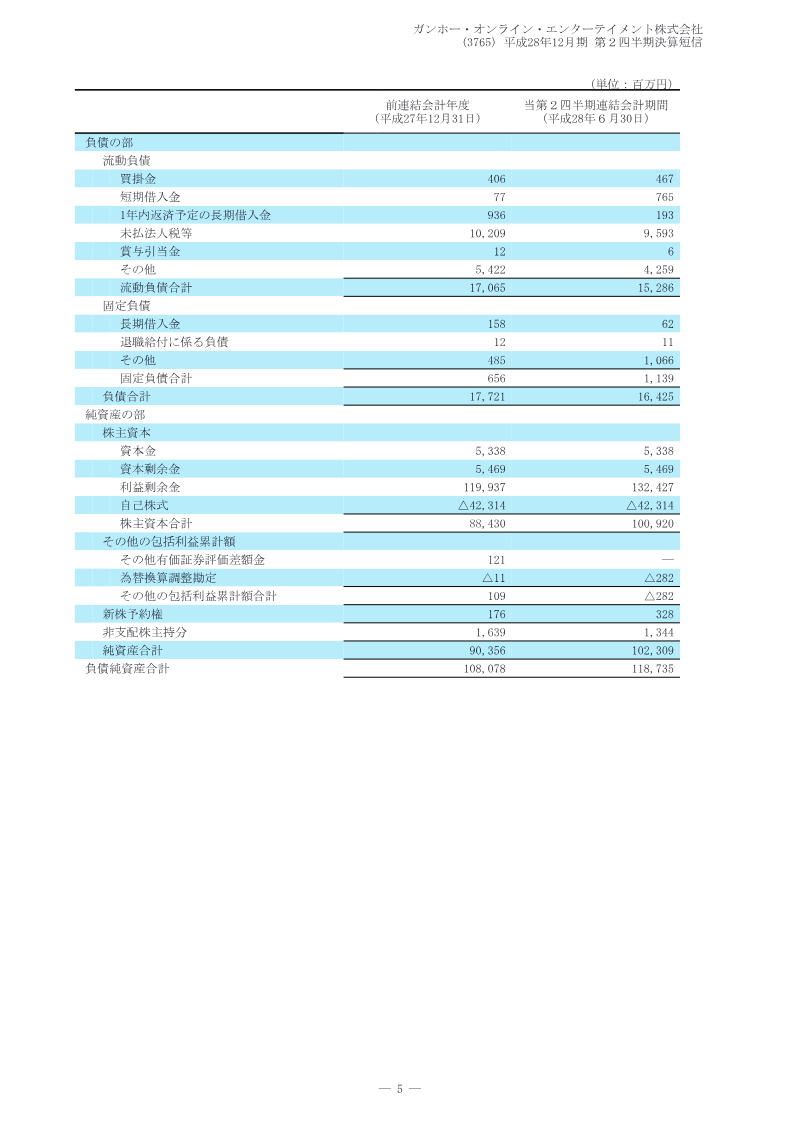
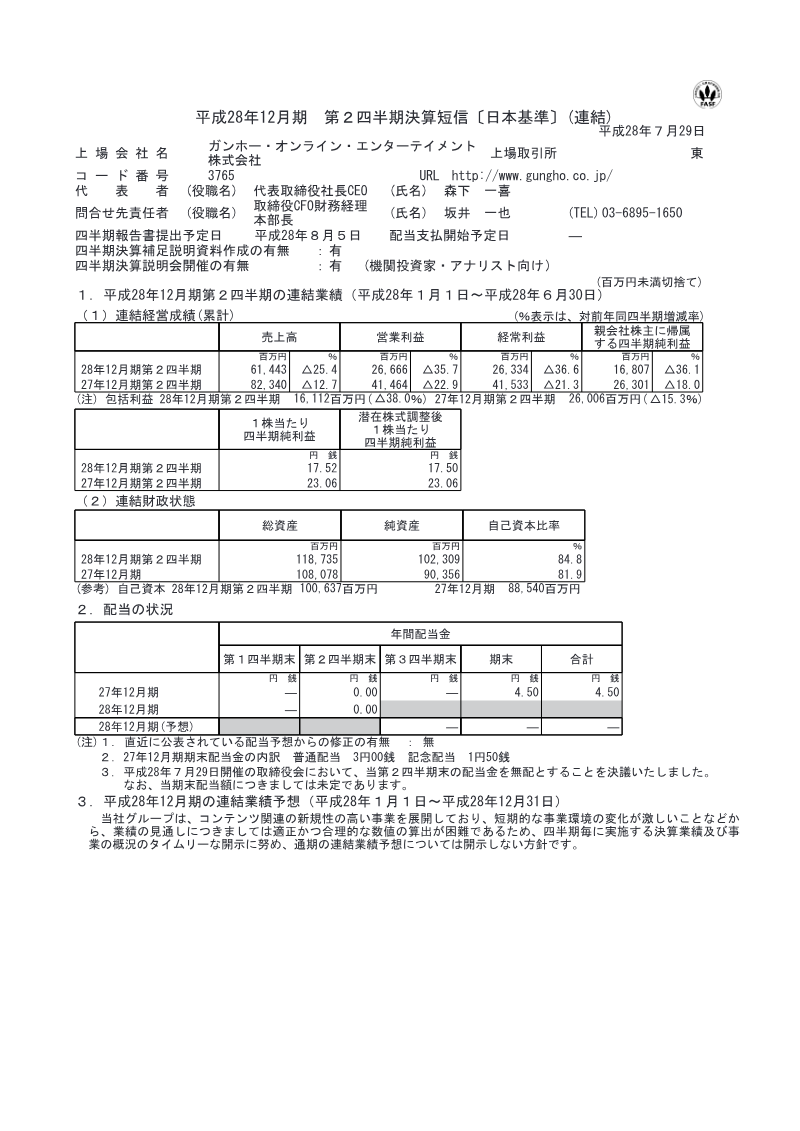
GungHo Online Entertainment’s financial results for the second quarter of 2016 reflect a period of contraction within a highly competitive and rapidly evolving global smartphone gaming market.
Mobile Gaming Leaders: April 2016
This analysis examines the mobile gaming landscape for April 2016, focusing on download trends and top-performing titles across the U.S. App Store and Google Play.
- The indie title 'slither.io' dominated the mobile gaming market in April 2016, securing the No. 1 spot for downloads across both iOS and Google Play with over eight million total installs.
- Worldwide App Store game downloads grew 16.6 percent year-over-year in April 2016, rising from 502 million to 585 million, while U.S. downloads grew by 14.2 percent over the same period.
- Disney successfully captured market share with the launch of 'Disney Crossy Road,' which generated over 3.6 million U.S. installs and ranked as the second most-downloaded game across both platforms.