Creative
Company
Documents about Creative
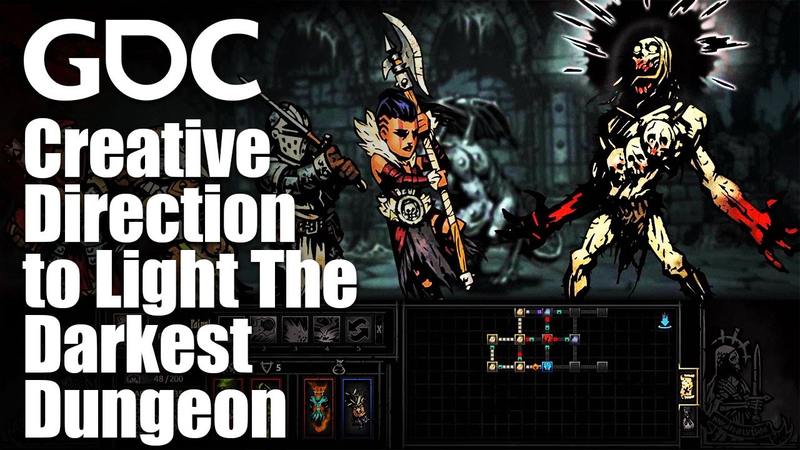
A Torch in the Dark: Using Creative Direction to Light The Darkest Dungeon
Maintaining a rigid, externalized creative vision serves as the primary defense against scope creep and development drift for independent studios.
- A clearly articulated, externalized creative vision acts as a decision-making razor, allowing developers to filter features and resolve conflicts during the uncertainty of production.
- Red Hook Studios defined the core of Darkest Dungeon as an uncompromising, Gothic, low-fantasy, Lovecraftian experience centered on making permanent decisions with imperfect information.
- The team rejected standard RPG tropes like isometric camera angles and exhaustive lore exposition to maintain a claustrophobic, uncertain atmosphere that forces players to experience the game's horror.
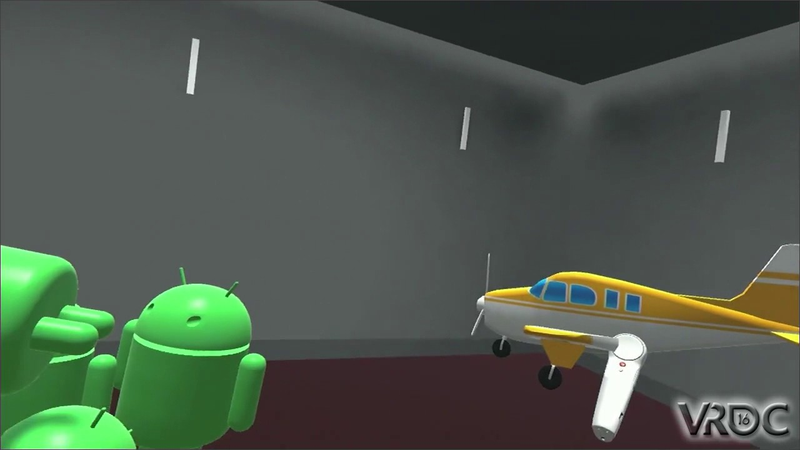
Lessons Learned from VR Prototyping
Successful virtual reality development relies on a philosophy of rapid, iterative prototyping that prioritizes experiences designed specifically for the medium rather than mere adaptations of traditional gaming genres.
- Prioritize rapid, iterative prototyping that focuses on experiences designed specifically for VR rather than adapting traditional gaming genres.
- Mitigate motion sickness by implementing constant velocity movement, blink teleportation, and dynamic field-of-view narrowing.
- Enhance immersion through high-quality spatial audio, consistent haptic feedback, and algorithmic assistance that interprets imprecise user inputs to keep physical movements within comfortable ranges.
Influences: Thinking Outside the Game
Game design benefits significantly from integrating perspectives and methodologies found outside the traditional gaming industry.
- Integrating methodologies from art history, literature, and cinema—such as Italian neorealism and the French New Wave—enables developers to move beyond genre tropes toward more mature, character-driven storytelling.
- Applying Brian Eno’s theories on generative art and self-imposed constraints provides a structured framework for overcoming creative blocks and driving innovative aesthetic decisions.
- Treating game development as an iterative, system-driven process similar to abstract expressionism allows designers to prioritize mechanical purity and personal artistic vision over industry trends.
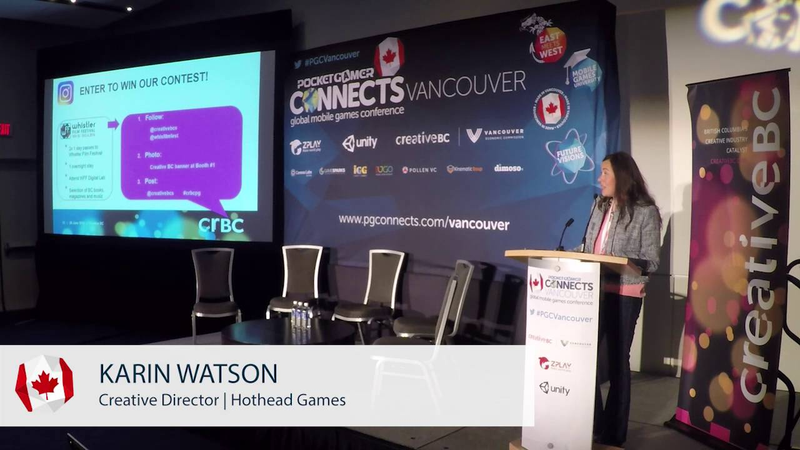
How Creative BC is supporting British Columbia's local games industry
Creative BC serves as an independent agency established by the provincial government to catalyze the growth and global competitiveness of British Columbia’s creative industries, including interactive and digital media.
- Creative BC functions as a provincial agency that drives industry growth through direct funding, tax incentives, and global market promotion for interactive and digital media companies.
- As of 2016, the British Columbia gaming sector consisted of 168 companies, supported 5,500 full-time jobs, and generated $576 million in annual expenditures.
- The Interactive Digital Media Tax Credit provides a 17.5% credit on eligible labor expenditures for products designed to educate, inform, or entertain.

FTUE: Monster Sweeperz
The analysis of the mobile title Monster Sweeperz, developed by 4:33 Creative Labs, highlights significant friction points in the first-time user experience (FTUE) that hinder player retention.
- The 5-minute initial download time for Monster Sweeperz creates a prohibitive barrier to entry that significantly undermines player retention and return on high customer acquisition costs.
- Mobile games should prioritize a seamless onboarding experience with a target launch time of under 30 seconds to successfully convert new installs into engaged users.
- Technical instability, such as the tutorial crash observed in this title, negates the value of innovative mechanics and high-quality art by preventing users from experiencing the core gameplay.
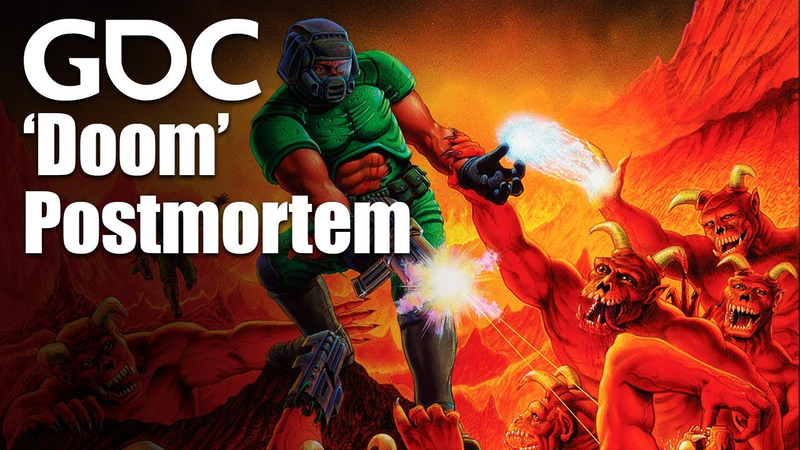
'Doom:' A Classic Game Postmortem
The development of Doom, initiated in late 1992, represents a pivotal evolution in first-person shooter design, transitioning from the rigid, military-themed architecture of its predecessor, Wolfenstein 3D, toward a more abstract and atmospheric aesthetic.
- Released on December 10, 1993, 'Doom' revolutionized the first-person shooter genre by shifting from the rigid architecture of 'Wolfenstein 3D' to complex, non-orthogonal environments enabled by Binary Space Partitioning trees.
- The development team prioritized high-speed, skill-based gameplay over complex narrative or inventory systems, utilizing NeXT workstations to achieve technical performance that exceeded contemporary hardware limitations.
- The project was defined by a lack of formal pre-production and significant internal creative friction, which led to key personnel changes and the abandonment of external collaborations like a proposed 'Aliens' project.
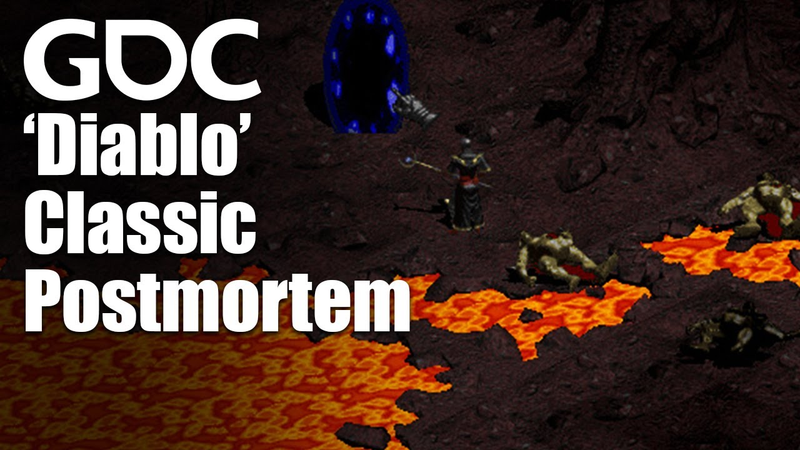
'Diablo': A Classic Game Postmortem
Diablo emerged from a vision to modernize the roguelike genre by blending atmospheric depth with accessible, action-oriented gameplay.
- Diablo's core design underwent a radical shift during development, moving from a turn-based, single-player DOS game to the real-time, multiplayer experience that defined the genre after Blizzard Entertainment insisted on the changes.
- The studio operated with severe financial constraints, signing a contract to develop the game for $300,000, which barely covered the salaries and operational costs for a 15-person team.
- Technical development was highly specialized for the era, with approximately one-eighth of the game's code written in assembly and the project serving as the lead programmer's first experience coding in C.
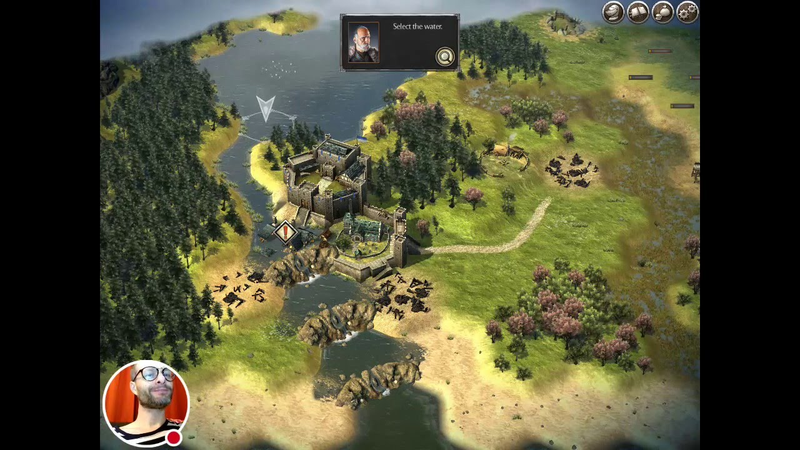
FTUE: Total War Battles: KINGDOM
Total War Battles: KINGDOM serves as a case study in the challenges of adapting a hardcore PC strategy franchise for the mobile market.
- Total War Battles: KINGDOM struggles with mobile user retention due to a lengthy, overly prescriptive tutorial process that conflicts with mobile player expectations.
- The game’s reliance on PC-centric design, such as complex menus and tedious infrastructure tasks like road building, creates significant friction for casual mobile users.
- Creative Assembly and Sega’s adaptation maintains high visual fidelity and complex mechanics, but these features often feel cluttered and inaccessible on smaller mobile screens.
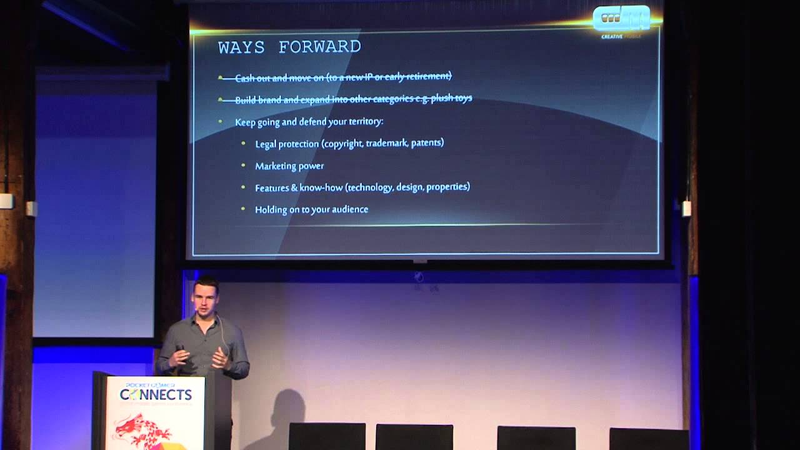
Build a brand or throw in the towel, says Creative Mobile's Vladimir Funtikov
The mobile gaming industry has shifted from a landscape where initial launch success guarantees longevity to a highly competitive, oversaturated market where developers must actively build a brand to survive.
- The mobile gaming market has shifted from a launch-success model to an oversaturated environment where brand identity is the primary defense against rapid cloning by competitors.
- Developers must transition from speculative development to a long-term business model by focusing on deep, iterative engagement with a core, loyal audience.
- When a game lacks strong intellectual property or recognizable characters, active community feedback loops via social media and forums are essential to drive product evolution.

Creative Mobile on fun, success and ground-breaking ambition
Creative Mobile, an Estonian game development studio, established its market presence by capitalizing on the early Android ecosystem.
- Creative Mobile scaled from a five-person team to approximately 75 employees by leveraging in-app purchases, which increased revenue by three to four times following the success of their breakout title, Drag Racing.
- The studio achieved early market traction by utilizing a rapid-prototyping strategy, releasing simple games every four to six weeks to identify viable concepts within the early Android ecosystem.
- Despite the success of Drag Racing, the studio avoided over-investing in the brand due to its generic nature and lack of strong intellectual property, choosing instead to reinvest profits into diverse genre experimentation.
Fail Faster - A Mantra for Creative Thinkers - Extra Credits
The core philosophy of successful game design centers on the mantra of failing faster.
- The core of successful game design is 'failing faster,' which prioritizes rapid iteration and course correction over the pursuit of a flawless initial concept.
- Teams should avoid excessive time spent debating high-level concepts, as even successful games often begin as simple or absurd premises that only reach greatness through refinement.
- Designers must move beyond abstract planning by creating prototypes, paper mockups, or simple concepts as early as possible to test the viability of an idea.