Creative
Company
Documents about Creative
Partnership on Darkest Dungeon: The Double-Edged Sword
The 50/50 co-presidency model in game development functions as a high-stakes balancing act that requires constant navigation of competing egos and divergent decision-making styles.
- Establish a zero-tolerance policy for unresolved tension: if a disagreement or negative feeling persists for more than 24 hours, the affected partner is obligated to raise and discuss the issue immediately.
- Implement a mutual veto power system to ensure both partners have final say, which helps reduce the pressure to micromanage and provides security that the project will not move in an unwanted direction.
- Use 'devil's advocacy' as a formal decision-making tool by intentionally arguing for positions you do not believe in to stress-test ideas and uncover potential flaws.
PLAYERUNKNOWN: From Mod Creator to Creative Director of PUBG
Brendan Greene’s trajectory from a photographer and designer to the Creative Director of PUBG illustrates the transformative power of modding culture in modern game development.
- PUBG achieved rapid commercial success by selling 40 million copies and reaching 3 million concurrent players within its first year of release.
- The game’s core mechanics, including the shrinking play zone, originated from Brendan Greene’s iterative development of Battle Royale mods for the Arma series.
- Development prioritized emergent gameplay and community feedback over rigid design documentation, allowing for the integration of unintended features like the bulletproof frying pan.
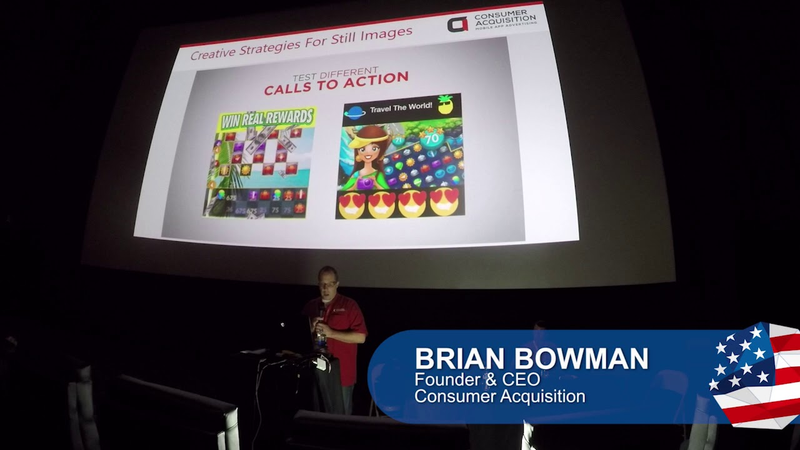
The future of UA – Facebook ad best practices, creative marketplaces and UA bots
Modern user acquisition strategies have shifted away from manual bid and budget management toward a reliance on machine learning algorithms.
- Creative quality is now the primary driver of ROI, as automated platforms like Facebook and Google shift the burden of performance from manual bidding to ad asset effectiveness.
- To maximize algorithmic efficiency, advertisers should consolidate campaigns and minimize manual edits to avoid triggering performance penalties associated with the machine learning learning phase.
- Mobile video assets should be optimized for immediate engagement, with a target length of six to ten seconds and a clear call to action within the first two seconds.

You're Not Broken: Finding Your Creative Way Through Difficult Times
Severe personal trauma, including illness and significant life loss, fundamentally alters cognitive function, often inducing a state of trauma brain that mimics the impairments associated with medical conditions like chemo brain.
- Severe trauma induces a physiological 'trauma brain' state that mimics medical cognitive impairments, leading to decision paralysis and an inability to perform creative work.
- Creative capacity is not permanently lost during periods of high stress but is temporarily obstructed by the brain’s survival-focused response.
- Restoring creative function requires prioritizing physiological foundations, specifically sleep, social connection, and environmental stability.
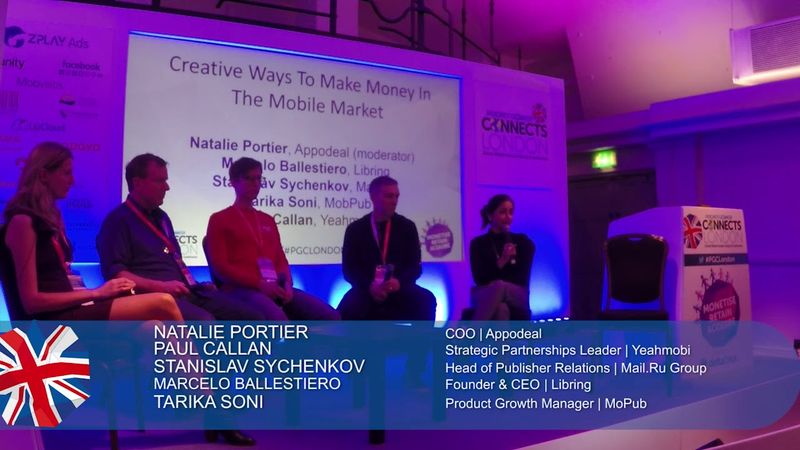
Creative ways to make money in the mobile games market
The mobile gaming market is undergoing a strategic shift toward hybrid monetization models that integrate in-app purchases with diverse advertising formats.
- Monetization strategy must be integrated during the earliest stages of game design rather than treated as an afterthought to maximize lifetime value.
- Hybrid models combining in-app purchases with diverse advertising formats are replacing rigid, one-size-fits-all approaches to better balance revenue and player retention.
- Rewarded video has evolved from a simple incentive tool into a core gameplay element that improves user retention when integrated thoughtfully.
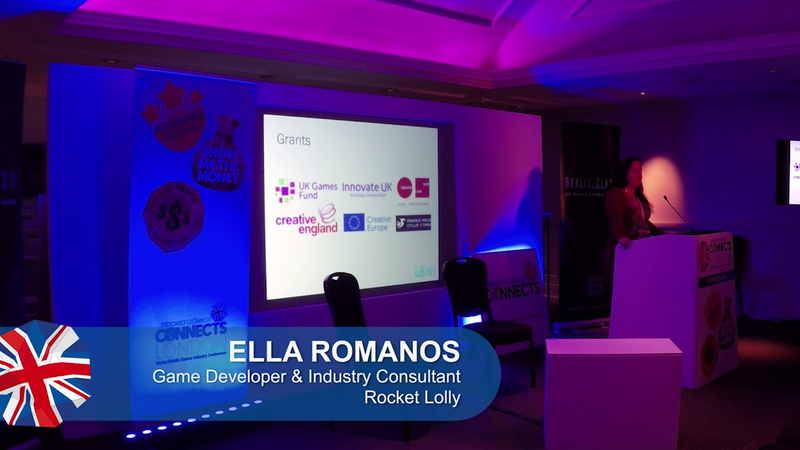
Show me the public money – Tax breaks and grants
Accessing public funding and tax incentives is a critical component of financial strategy for UK-based game developers.
- UK game developers can claim 20% of qualifying development costs back through the Video Games Tax Relief (VGTR), which remains accessible even for unreleased titles.
- Because VGTR is paid in arrears, developers frequently utilize bridging loans against their claims to maintain operational cash flow.
- Engaging accountants with specific VGTR expertise is critical, as general R&D tax credit experience is often insufficient and can cause significant processing delays.
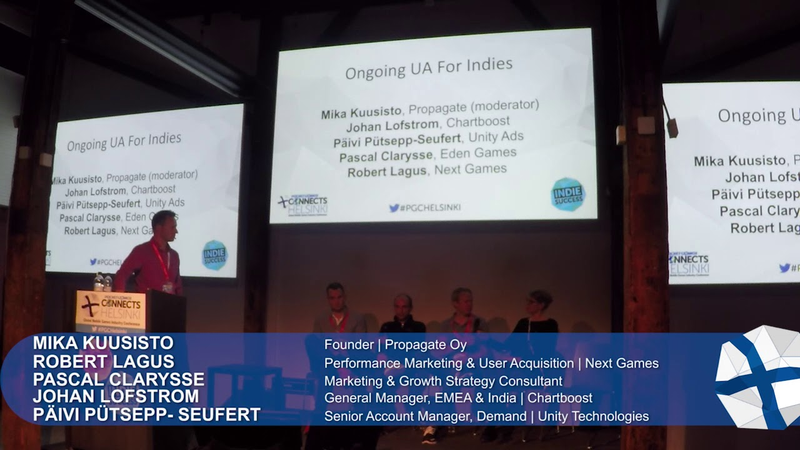
Ongoing user acquisition for indie game developers
Successful user acquisition for independent game developers hinges on a disciplined, data-centric strategy that prioritizes long-term player value over immediate, low-cost volume.
- Prioritize long-term player value and robust core mechanics—specifically onboarding, retention, and monetization—before allocating significant marketing budgets.
- Conduct initial technical testing in lower-cost regions to gather performance data and refine product mechanics before scaling to broader, more expensive markets.
- Implement reliable attribution tools and integrate analytical expertise early to accurately track lifetime value and return on investment.
The Banner Saga Audio
Creative success in game audio relies on the composer’s willingness to make bold, intentional choices that prioritize artistic identity over industry-standard conventions.
- The core of successful game composition is 'owning your choices' by committing fully to creative decisions, regardless of how novel or unconventional they may seem.
- When scoring games, composers should prioritize an overarching musical structure to prevent the game's non-linear mechanics from causing the soundtrack to feel like a collection of disconnected musical universes.
- Musical choices should be derived organically from the game's specific mechanics and narrative themes rather than relying on direct, on-the-nose cultural or genre-based corollaries.
Deciding What to Make: A Greenlight Process for Commercial Indies
The greenlight process for independent game development requires a strategic approach to risk management, particularly as the industry landscape becomes increasingly crowded and competitive.
- Prioritize 'Platonic scope' by evaluating which project concept can most accurately achieve its ideal, authentic vision within the constraints of your specific time and financial resources.
- Utilize the 'inverse pyramid test' for design, which ensures that projects remain functional and coherent experiences even if they must be scaled back due to budget or schedule limitations.
- Integrate 'exposure design' by treating marketing as a core component of the game design process, focusing on the small percentage of the game visible to the public to clearly communicate its value proposition.
Game Studio Management: Making It Great
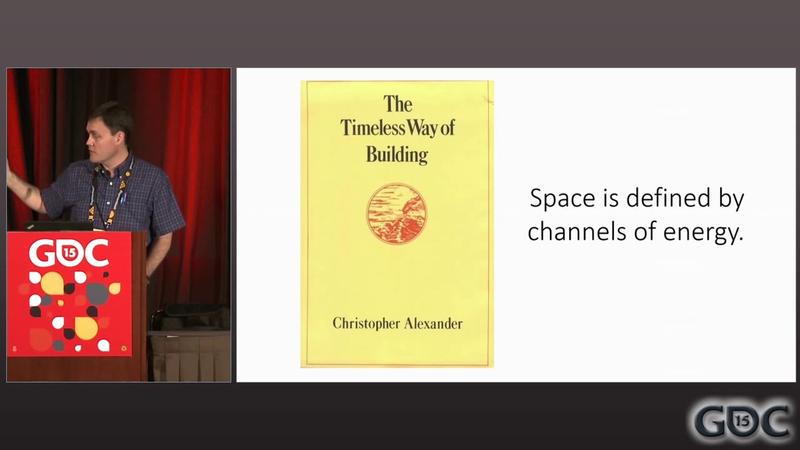
Effective game studio management functions best when organizations are treated as complex information networks rather than rigid hierarchies.
- Treat game studios as complex information networks rather than rigid hierarchies to ensure critical data flows efficiently across projects, processes, and people.
- Categorize all internal communication into distinct buckets of facts, opinions, and emotions to design deliberate systems that prevent project delays and morale degradation.
- Prioritize team social dynamics, such as conversational turn-taking and diversity, over individual IQ to foster collective intelligence and innovation.
(Opportunity) Cost Effective Marketing & PR for Indies
Indie game marketing is most effective when developers shift their perspective from a purely technical mindset to a consumer-centric one.
- Treat marketing as a game design problem by identifying your objective—getting the player to the game—and systematically removing barriers to that goal.
- Conduct a competitive audit by analyzing similar titles to determine your game's market position, pricing strategy, and unique selling points.
- Perform a SWOT analysis (Strengths, Weaknesses, Opportunities, Threats) to objectively evaluate your game from a consumer's perspective, focusing on the 'tip of the iceberg' that players actually see.
4.5 Million Players in 100 Days: Lessons from Dying Light
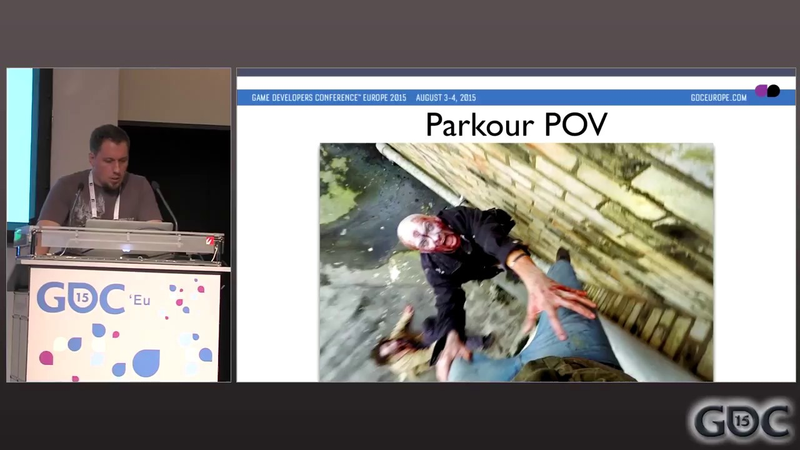
The success of the open-world survival game Dying Light, which reached 4.5 million players within its first 100 days of release in 2015, is attributed to a strategic combination of pre-launch feature communication and aggressive post-launch community engagement.
- Techland achieved 4.5 million players within the first 100 days of Dying Light's release by focusing on clear communication of core game pillars, such as melee combat, the day-night cycle, and co-op play.
- The development team maintained pre-release momentum by releasing weekly 'Dying Highlights' gameplay videos rather than traditional marketing trailers, showcasing specific features and humorous scenarios.
- Post-launch engagement was driven by a robust telemetry system that tracked player behavior, resulting in a high 35-40% completion rate for the PC version.