
Colossal Order
CompanyFinland · Founded 2009
Colossal Order is a Finnish video game development company known for its business simulation game series Cities in Motion and for its city builder Cities: Skylines. The company was founded in Tampere, Finland in 2009. Its publisher is Paradox Interactive.
Connections
Each row is a game or company named alongside Colossal Order, each column a document, oldest first. A mark means that document names it. Select a row to see those documents.
About the company
- Founded
- 2009
- Country
- Finland
Company data from IGDB.com
Documents about Colossal Order

Colossal Order's Mariina Hallikainen on leaving Paradox and life after Cities: Skylines
Colossal Order CEO Mariina Hallikainen reflects on the studio’s 17-year history, its recent departure from long-term publisher Paradox Interactive in November 2025, and the company’s future trajectory.
- Colossal Order ended its 15-year partnership with publisher Paradox Interactive in November 2025 after releasing four games, including the Cities: Skylines franchise.
- The studio is now self-sufficient and no longer requires publisher funding, allowing them to explore self-publishing or alternative partnerships that prioritize trust and open communication.
- Colossal Order is currently developing a new, unannounced simulation title, maintaining its long-standing focus on the PC simulation genre.
Video Games Finance Cheat Sheet: Autumn 2025
This autumn 2025 edition of a recurring newsletter feature digests the latest quarterly results from the largest publicly traded game companies, the first such roundup in roughly six months.
- Nintendo’s net sales surged 110.1% to $7.1 billion in Q2 FY2026, fueled by the launch of the Switch 2 and strong performance from Mario Kart World.
- Roblox grew its daily active users by 70% to 151.5 million and reached $1.92 billion in bookings, though the company still reported a net loss of $257.4 million.
- Microsoft’s gaming division saw a 2% overall revenue decline, driven primarily by a 29% drop in Xbox hardware sales.
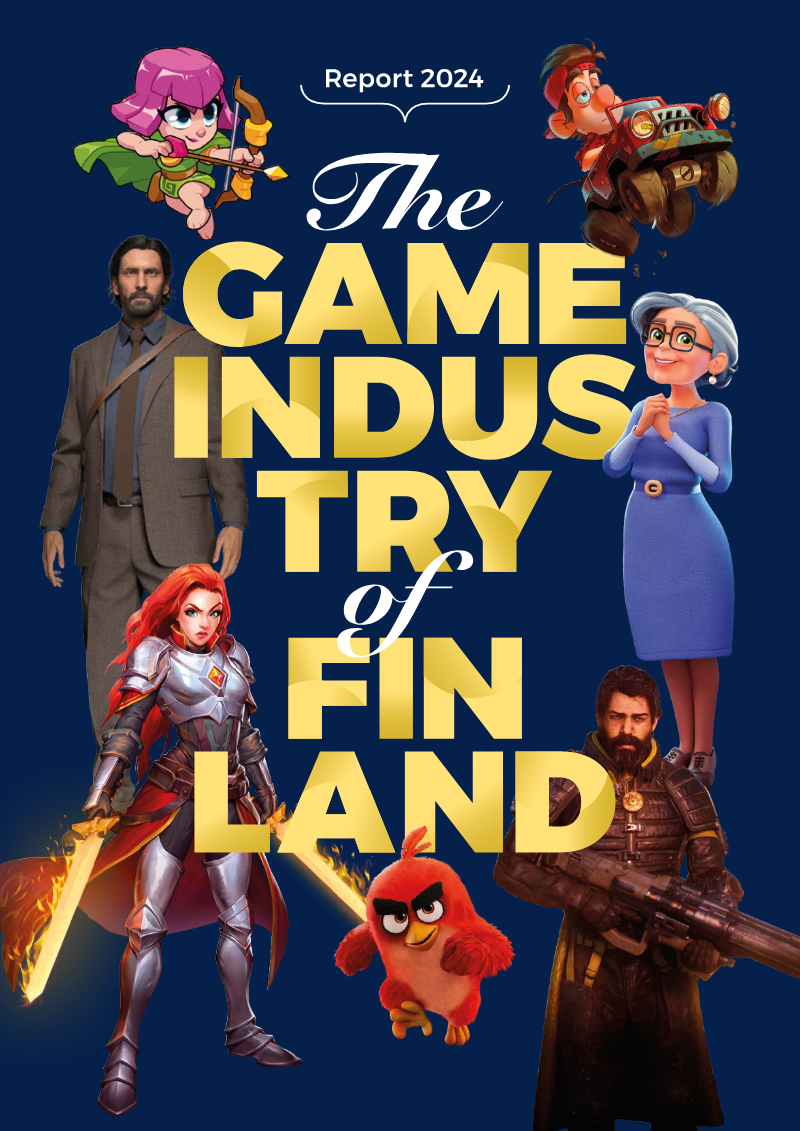
The Game Industry of Finland 2024
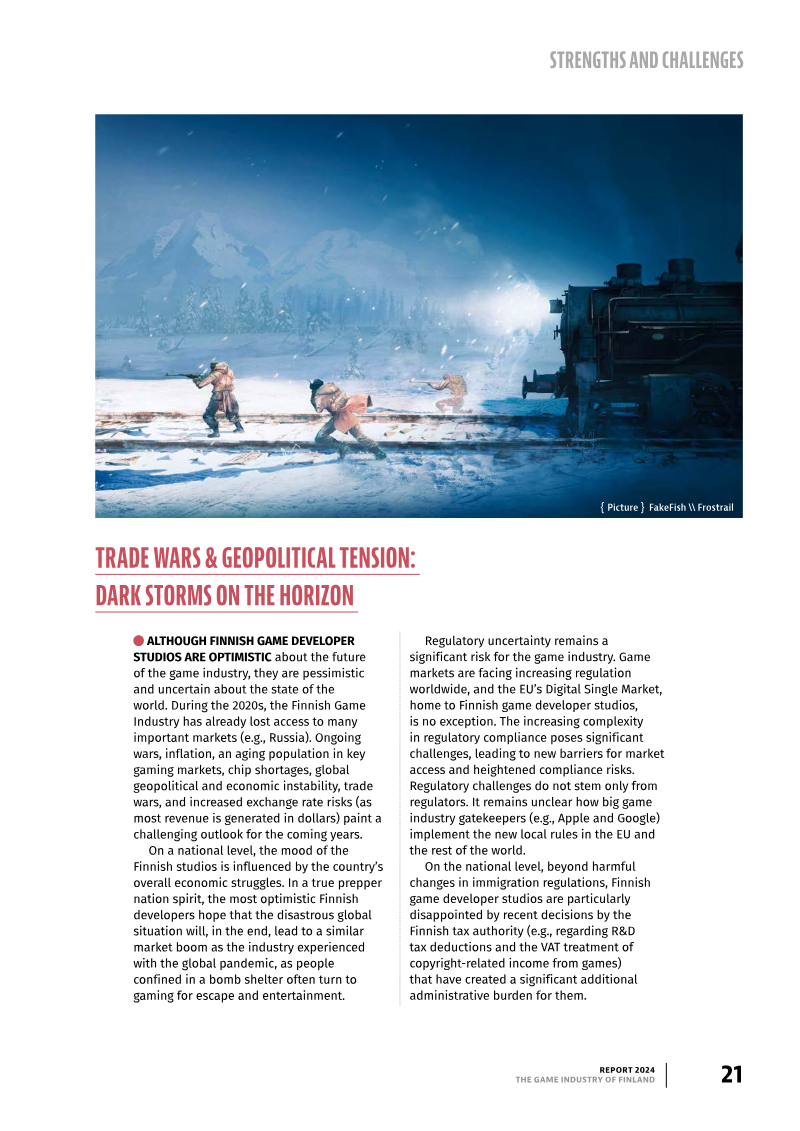
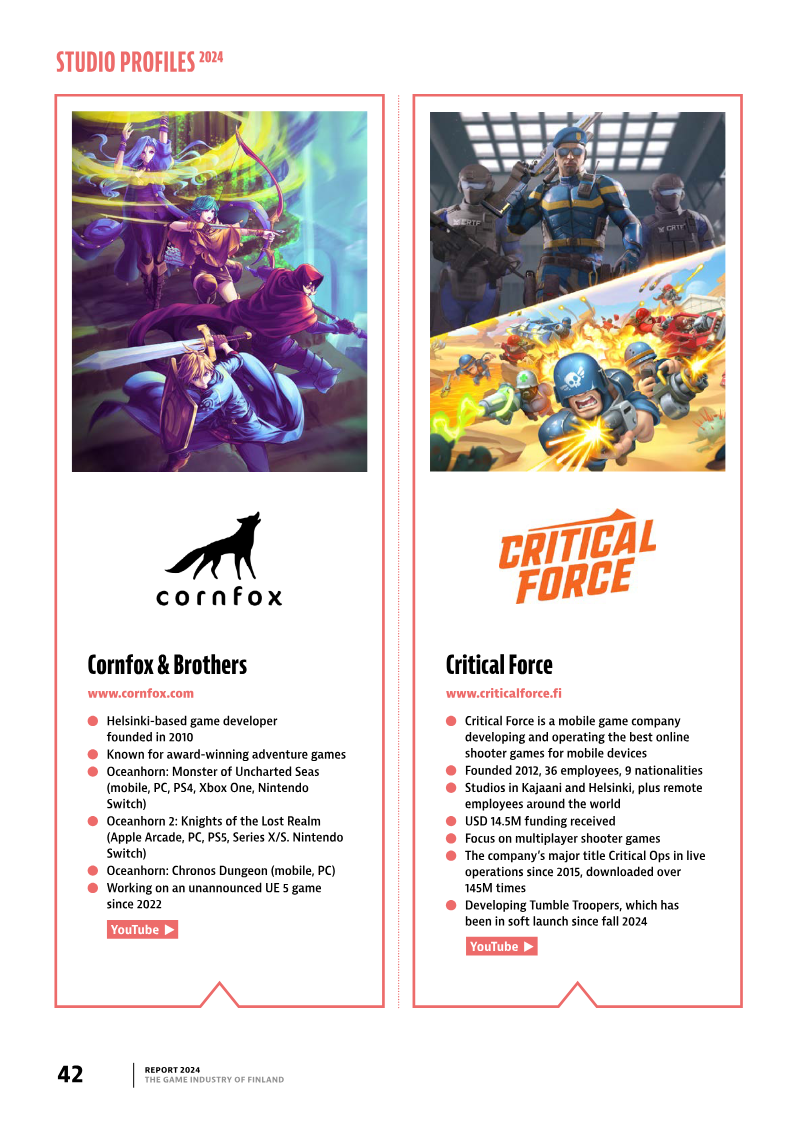
The Finnish game industry serves as a resilient, export-driven pillar of the national economy, currently navigating a complex global market transition.
- The Finnish game industry reached a record 270 active studios employing 4,300 professionals by the end of 2024.
- Annual industry turnover contracted to €2.85 billion, with private investment slowing to €128 million.
- Studios are diversifying away from a mobile-first model, with PC development now reaching parity and increased exploration of console and VR platforms.
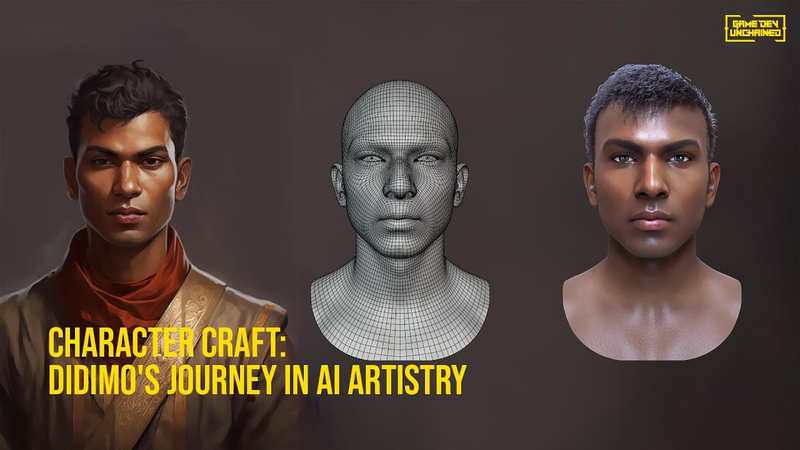
AI Character in Games: Didimo's Journey with Veronica Orvalho | 343
The gaming industry faces a persistent bottleneck in the labor-intensive production of high-quality, diverse digital characters.
- Didimo has secured 17 million euros in funding to develop an AI-driven pipeline that automates 3D character creation for complex game genres like RPGs, MMOs, and simulators.
- The company’s technology integrates directly into existing game engine workflows to streamline character reconstruction while maintaining technical precision and artistic control.
- Didimo has established strategic partnerships with major industry entities, including Amazon, Sony, and Colossal Order, to validate its deep-tech solutions.
Building and Rebuilding the Anthropocene in Cities: Skylines
This paper examines the city-building game Cities: Skylines (Colossal Order, 2015) through an ecocritical lens, arguing that the genre reveals the forms of power driving the climate crisis.
- The paper argues that Cities: Skylines (Colossal Order, 2015) appears to offer omniscient control over city planning, but beneath this fantasy lies an ecological power in which growth and capitalist logics destabilise environments and ecosystems.
- Drawing on Eugene Thacker's 'world-without-us' concept, the analysis shows the game's pristine opening landscapes invite players to turn an impersonal planet into a personalised 'world-for-us' through civic construction.
- The central finding is that the game reproduces contemporary patterns of ecological power rather than offering alternatives, channelling players toward unsustainable and destructive engagements with nature.

