Atari
CompanyUnited States
Documents about Atari

Weekly Industry Round-up: Games on Instagram, King Strikes, and Beta Updates
This weekly industry update provides a comprehensive overview of significant developments within the mobile gaming sector as of late September 2026.
- Meta announced 'Horizon Create,' an app allowing users to generate and publish games directly to Instagram and Facebook platforms.
- King has avoided recent Microsoft/Xbox layoffs and successfully averted planned strikes by reaching an agreement with Swedish labor unions.
- Supercell’s monster-hunting title 'Mo.co' has returned to beta testing in a 'low maintenance' mode as the development team continues to iterate on features.
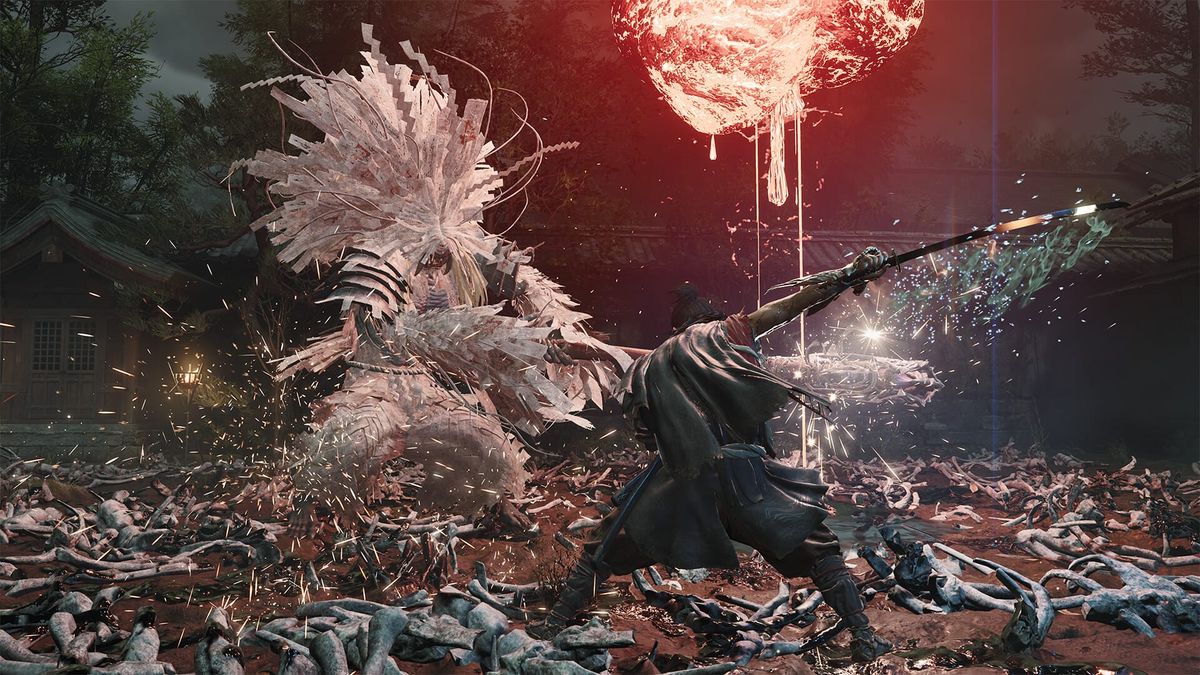
Noxious Fumes
The global video game industry, particularly the Western triple-A sector, is currently facing a profound existential crisis characterized by unsustainable development costs and a lack of strategic direction.
- The Western triple-A game industry is facing an existential crisis driven by unsustainable development costs, prompting calls for a shift toward the financially disciplined model used by Japanese developers like Capcom.
- Capcom maintains profitability by keeping budgets in check, retaining long-term staff, and avoiding decade-long development cycles for tentpole franchises like Resident Evil and Monster Hunter.
- The industry is increasingly reliant on 'Myhrvold’s Law,' where software expands to fill available computing power, leading to bloated development that many industry experts argue must be reined in.
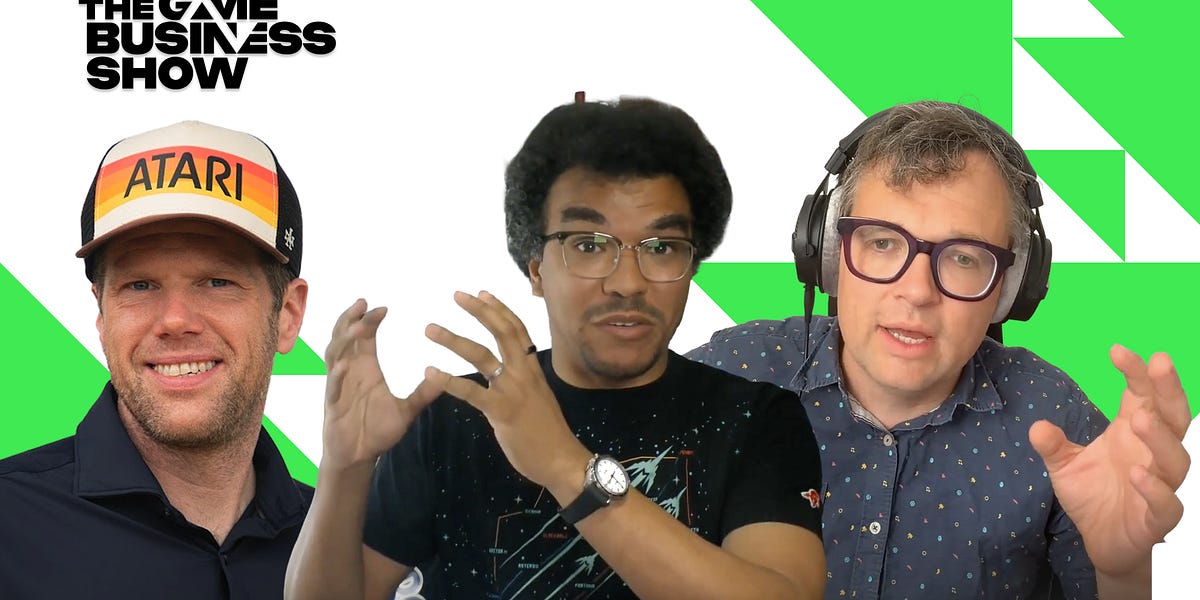
The Number of Video Game Journalists Has Fallen by Nearly 300 in 2026
The global video game industry is currently undergoing a period of profound structural instability, characterized by a sharp contraction in specialized media and significant corporate reorganization.
- The number of video game journalists has fallen by nearly 300 in 2026.
- Microsoft has laid off staff from Compulsion and Double Fine, with employees reportedly being told to update their CVs, despite receiving some runway cash.
- IO Interactive is closing its Istanbul studio and laying off staff after losing funding from Xbox for its James Bond game, shifting focus to internal core titles and its Hitman series.
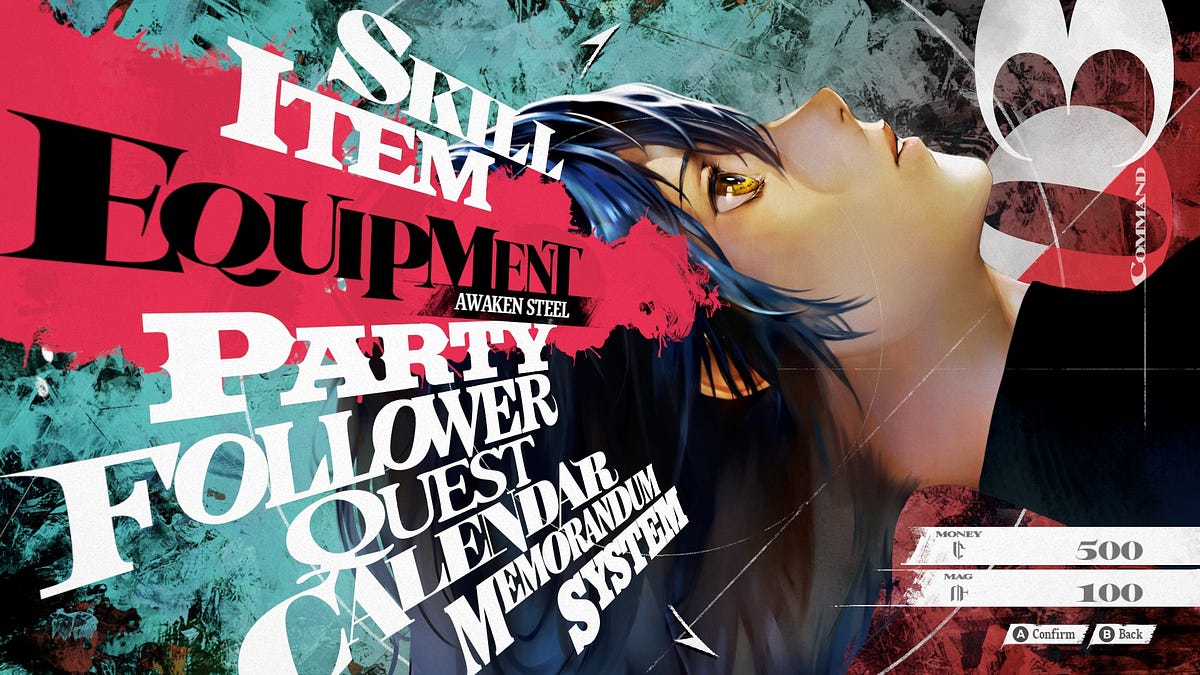
Nintendo Direct Highlights: November 2026
Nintendo’s June 2026 Direct highlighted a modest slate of releases for the Switch 2, with Atlus announcing a port of its 2024 role-playing title Metaphor Re:Fantazio to ship on November 12.
- Atlus will release a port of 'Metaphor: Re:Fantazio' for the Switch 2 on November 12, marking a rare instance of major third-party support during the platform's launch window.
- Nintendo has yet to announce release dates for its own Switch 2 exclusives for November and December, suggesting a potential delay in marketing until September.
- The broader November 2026 gaming landscape is dominated by the November 19 release of Rockstar’s 'Grand Theft Auto VI' and niche titles from Atari.

Weekly Industry Briefing: Europe
This weekly industry briefing provides a comprehensive overview of significant developments within the mobile gaming sector as of early June 2026.
- Supercell, King, and Sybo executives have criticized new EU proposals, stating they could render free-to-play games "unplayable in Europe."
- Atari acquired Hipster Whale, the developer of Crossy Road, for an initial $29.3 million, with an additional $10 million in earnouts over three years, as part of Atari's expansion into mobile game development for platforms like Netflix and Amazon.
- Liftoff's IPO is back on, valuing the adtech firm at $3.83 billion after offering 19 million shares of common stock at $23 each, raising $437 million.
Hit Points #373: Serious Hat
This commentary reflects on the current state of the video game industry from the perspective of a consultant balancing professional obligations with critical analysis.
- Nintendo is increasing the price of the Switch 2 by $50/€50, effective in August, citing changes in market conditions and global economic outlook.
- Both Microsoft and Sony reported significant declines in hardware sales, yet are focusing on next-gen offerings; Microsoft with 'Project Helix' and Sony increasing investments for its next-generation platform.
- CCP Games, maker of EVE Online, bought itself back from parent company Pearl Abyss for $120 million (less than half of the 2018 acquisition price of $225 million), rebranding as Fenris Creations and securing investment from Omega Ventures and Google's Deepmind.

The Play Pendulum: A Theory of Innovation Cycles in Interactive Entertainment
The Play Pendulum theory proposes that the interactive entertainment industry operates in decadal cycles, oscillating between periods of content innovation and distribution innovation.
- The gaming industry operates in decadal cycles that oscillate between content innovation and distribution innovation rather than being driven solely by technological advancement.
- As of 2024, the industry is transitioning into a distribution innovation phase, shifting focus toward transmedia adaptations and user-generated content platforms like Roblox and Fortnite’s Unreal Editor.
- Market concentration reached a peak in 2023, with the ten largest gaming companies controlling 65% of the market, up from 58% in 2020.

Sir Clive Sinclair: The Trailblazer Who Invented the British Video Game Industry
The primary purpose of this analysis is to examine the foundational role of Sir Clive Sinclair and the ZX Spectrum in the development of the British video game industry.
- Sir Clive Sinclair’s ZX Spectrum, launched in 1982, is credited with founding the British video game industry by fostering a massive ecosystem of bedroom coders and entrepreneurial game companies.
- Despite Sinclair’s original intent for the ZX Spectrum to be used for programming and office applications, the 16k and 48k models sold over 5 million units globally primarily due to consumer demand for gaming.
- The rise of microcomputers like the ZX Spectrum, Commodore 64, and BBC Acorn in the early 1980s directly cannibalized the market for traditional video game arcades and the Atari 2600.
House of Crypto: The FTX Collapse and Impact on Web3 Gaming
The collapse of the cryptocurrency exchange FTX in late 2022 represents a significant setback for the burgeoning Web3 gaming sector.
- The collapse of FTX has jeopardized 148 active gaming projects on the Solana blockchain, which previously served as the preferred platform for 37 percent of crypto-gaming investors.
- FTX’s failure resulted in a valuation drop of over 50 percent for the SOL token, undermining the financial stability of the ecosystem it heavily supported.
- FTX’s aggressive gaming strategy included a $2 billion dedicated investment fund, the acquisition of Good Luck Games, and a record-breaking $210 million esports sponsorship deal with TSM.

News Mash-Up: Week 22 & 23 (June 2021)
This industry update provides a comprehensive overview of major developments within the global gaming sector during the first two weeks of June 2021.
- Microsoft is expanding its Xbox cloud gaming strategy by developing a streaming dongle and smart TV app to enable GamePass access via browsers, mirroring the Stadia model.
- Take-Two Interactive acquired mobile developer Nordeus, creator of Top Eleven, for $378 million to expand its mobile gaming footprint.
- GameStop reported a 25% year-over-year revenue increase to $1.3 billion for Q1 2021, though the company still posted a net loss of $41 million.

Abundance and Joy: How Is This Wave of Over-investment in Games Going to End?
The global gaming industry is currently experiencing a period of significant over-investment and market "froth," driven by cheap capital, high-profile public listings, and the entry of non-endemic tech giants.
- The gaming industry is currently experiencing a period of market 'froth' driven by cheap capital, exemplified by high-profile valuations such as Epic Games at $28.7 billion and AppLovin’s $28.6 billion IPO in early 2021.
- Historical market cycles, including the 1980s Atari collapse, the 2000s MMO purge, and the 2010s social gaming decline, indicate that prioritizing financial engineering over audience needs consistently leads to industry-wide corrections.
- The current influx of capital risks shifting industry focus from creative entertainment to corporate acquisition strategies, potentially leading to brand dilution.