1 free read left. Create a free account for unlimited reading + AI research.
Create free accountArticle The Game Business
1 free read left. Create a free account for unlimited reading + AI research.
Create free accountArticleThe Game Business
The sector experienced a loss of 286 journalists during the first half of 2026. This contributes to a broader multi-year decline.
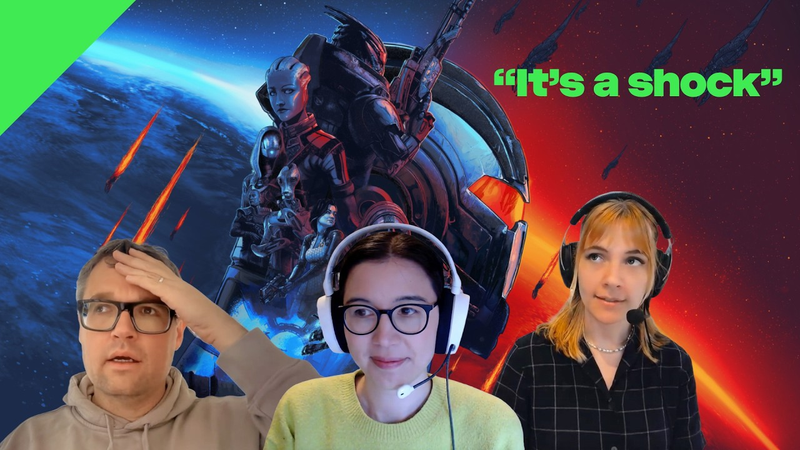
The global video game industry is currently undergoing a period of profound structural instability, characterized by a sharp contraction in specialized media and significant corporate reorganization. During the first half of 2026, the sector experienced a loss of 286 journalists, contributing to a broader multi-year decline that has seen over 2,200 professional roles eliminated since 2020. This downturn is largely driven by the diminishing returns of search-engine-optimized content models and the disruptive influence of AI-generated media, which have forced traditional outlets to reconsider their viability. In response, the media landscape is pivoting toward independent, niche-focused models that prioritize community engagement and original reporting over high-volume, algorithm-dependent traffic.
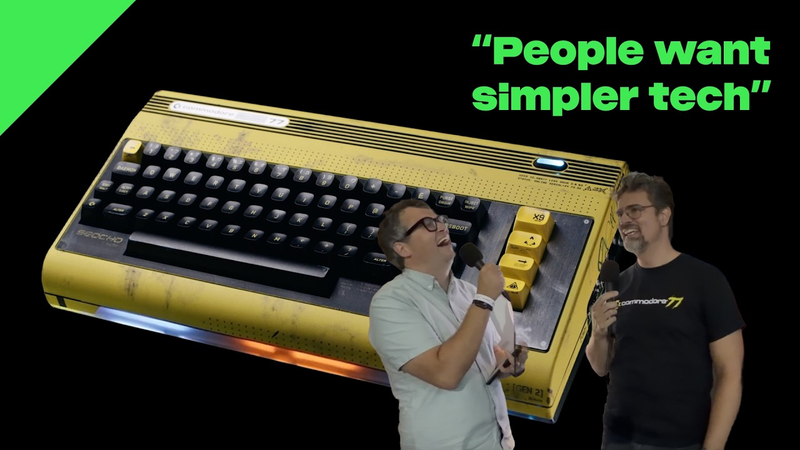
Simultaneously, major industry players are shifting their operational strategies to combat inefficiencies and foster growth. Corporate consolidation, particularly within large entities like Xbox, has faced scrutiny for failing to integrate acquired studios effectively, leading to widespread layoffs. Conversely, companies like Atari are pursuing a more centralized management approach, streamlining administrative functions such as finance and human resources to allow creative teams to focus on intellectual property development. This strategy is supported by geographic expansion, including the establishment of a new European headquarters in Germany to leverage local talent and tax incentives.
To navigate this volatile environment, the industry is increasingly turning toward professional infrastructure and sustainable business practices. The development of specialized networking platforms, such as Moby Pro, reflects a growing need for centralized industry data and professional connectivity. By moving away from the unsustainable pressures of corporate-driven media and toward more disciplined, centralized operational models, industry stakeholders are attempting to stabilize their long-term prospects. These combined shifts in journalism and corporate management signal a transition toward a more fragmented but potentially more resilient industry ecosystem.
The Game Business · 2026
The Game Business · 2026
The Game Business · 2026
The Game Business · 2026
The Game Business · 2026
The Game Business · 2026
The Game Business · 2026
The Game Business · 2026
The Game Business · 2026

The Game Business · 2026

The Game Business · 2026

The Game Business · 2026