ArticleSuperJoost
Abundance and Joy: How Is This Wave of Over-investment in Games Going to End?
15 Apr 2021~8 min full read
The global gaming industry is currently experiencing a period of significant over-investment and market "froth," driven by cheap capital, high-profile public listings, and the entry of non-endemic tech giants. Major financial milestones, such as Epic Games’ $28.7 billion valuation and AppLovin’s $28.6 billion IPO in early 2021, underscore a climate where senior industry veterans can secure tens of millions in funding based on reputation alone. While this abundance of capital provides essential resources for creative projects, it also risks shifting the industry's focus from entertaining audiences to engineering acquisitions.
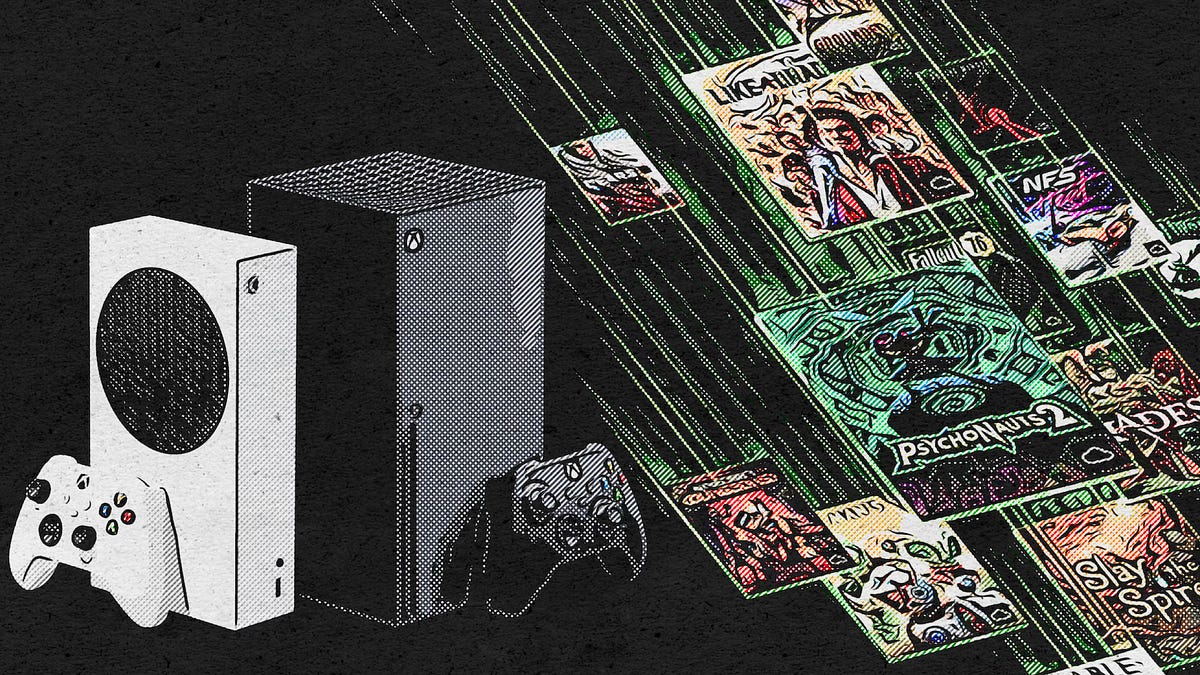
Historical precedents suggest that such waves of over-investment often lead to brand dilution and eventual market corrections. Previous cycles—including the 1980s Atari collapse, the 2000s MMO purge, and the 2010s social gaming decline—demonstrate that when companies prioritize rapid expansion or financial engineering over quality and audience needs, failure follows. The current landscape is further complicated by a "wall of options" in subscription services. For instance, Apple has leveraged its platform power to rewrite App Store guidelines, favoring its own Arcade service over third-party competitors and creating an uneven playing field.
The analysis concludes that this cycle will likely end with a forced return to quality. Recent data from InnerSloth’s Among Us illustrates the volatility of the current market; despite a massive content update, player engagement plummeted within 48 hours, suggesting that even successful "it-games" struggle to maintain momentum without a sustainable foundation. As the industry navigates this period of abundance, long-term success will depend on resisting the distractions of excessive capital and refocusing on delivering high-quality, audience-centric experiences rather than chasing short-term financial highs or corporate cross-pollination.
SuperJoost · 2026

SuperJoost · 2026
SuperJoost · 2026
SuperJoost · 2026
SuperJoost · 2026
SuperJoost · 2026
SuperJoost · 2026

SuperJoost · 2026
SuperJoost · 2026
SuperJoost · 2026
SuperJoost · 2026
SuperJoost · 2026
Drake Star · 2025
The Games Fund · 2025
Konvoy · 2024
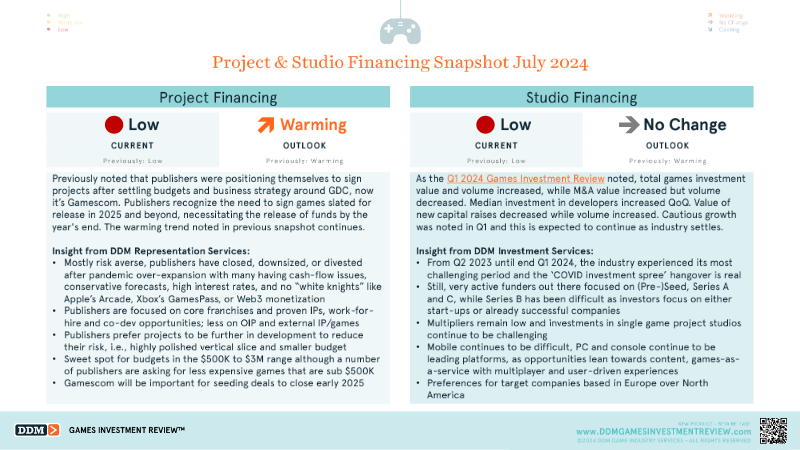
DDM · 2024
Konvoy · 2024
PitchBook · 2024
InvestGame · 2024
InvestGame · 2024
Konvoy · 2024
InvestGame · 2024
PitchBook · 2024
Konvoy · 2023