Amazon Game Studios
Company
11 documents in the library are about Amazon Game Studios, from writers such as Game Dev Unchained, The Game Business and Deconstructor of Fun. Each has a summary and key insights with the page they come from.
Connections
The documents about Amazon Game Studios on the inner ring, the other games and companies they name on the outer one. Select a cover to see it up close and open it in a new tab; drag to move, pinch or Ctrl + scroll to zoom.
Documents about Amazon Game Studios

TWIG #400: Is the Game Industry Actually Crashing, OpenAI's Astra and 8 Years of Hot Takes
The global gaming industry is currently undergoing a structural market correction rather than a catastrophic collapse.
- The gaming industry is undergoing a structural market correction rather than a collapse, with employment levels remaining stable at approximately 750,000 workers since 2022.
- The sector remains fundamentally robust, supported by a global player base exceeding 4 billion and a 16% compound annual growth rate in mobile advertising.
- Indie game revenue has increased sixfold over the past decade, highlighting a significant shift in market distribution alongside AAA development budgets that now range from $250 million to $400 million.
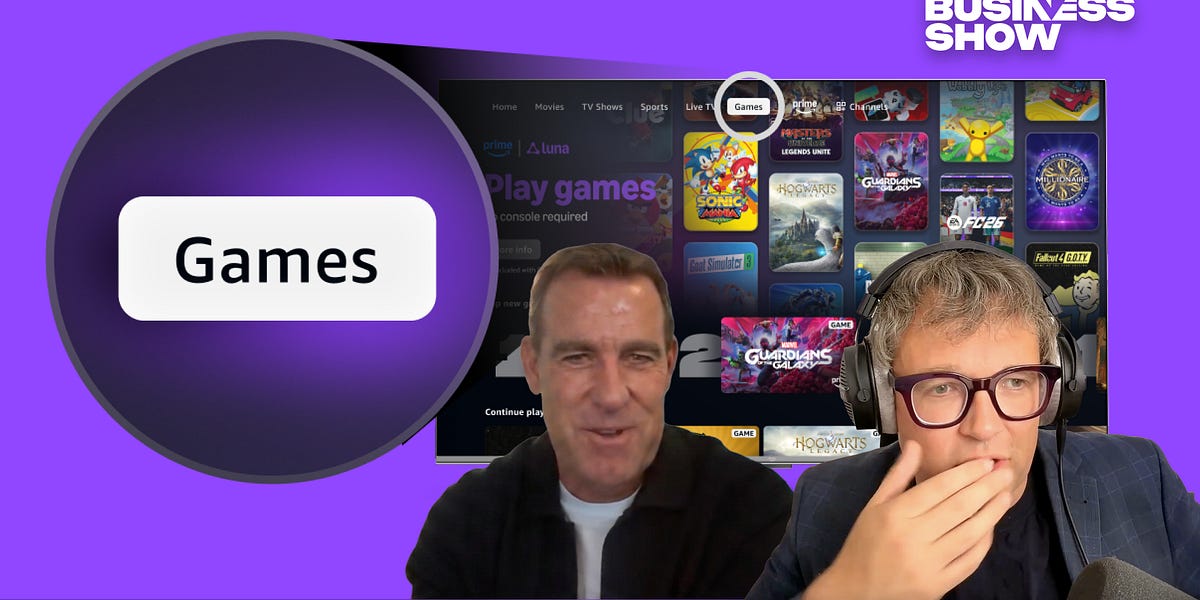
Amazon Luna: We’re Not Trying to Replace Consoles
Amazon is strategically positioning its Luna cloud gaming service as a complementary entertainment option rather than a direct competitor to traditional console hardware.
- Amazon Luna has been integrated into the Prime Video app, and Amazon Game Studios and Amazon Luna have merged, indicating a unified strategy for Amazon's gaming efforts.
- Amazon Luna is not directly competing with traditional consoles but aims to expand the gaming market by targeting a 'mid-core to casual' audience, particularly those deterred by expensive hardware (potentially $1000 machines) and game costs.
- Amazon's content strategy focuses on big, familiar IPs with relatively simple mechanics, such as Hogwarts Legacy, Indiana Jones, and the upcoming Tomb Raider, to appeal to this broader audience.
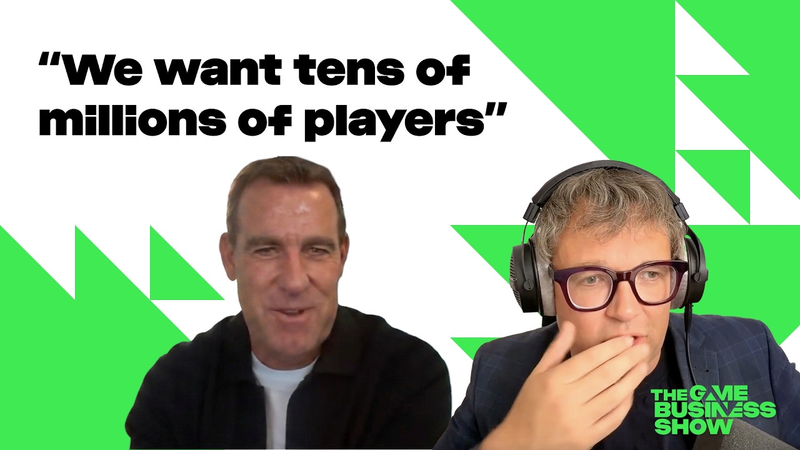
Amazon Luna: We’re not trying to replace PlayStation, Xbox and Nintendo (but maybe we could)
Amazon is strategically positioning its Luna cloud gaming service to capture the vast, underserved market of casual and lapsed players by integrating interactive gaming directly into the Prime Video ecosystem.
- Amazon is positioning Luna to capture casual and lapsed gamers by integrating cloud gaming directly into the Prime Video ecosystem, bypassing the need for dedicated console hardware.
- The U.S. gaming market experienced a 21% revenue decline as of June 2026, driven by a cooling in hardware sales following the launch of the Nintendo Switch 2.
- Retail models are shifting away from physical software, evidenced by GameStop’s pivot as software sales now account for less than 12% of its total business.
Amazon Abandons Its Open World Driving Game with Maverick Games
Amazon has officially terminated its publishing agreement with UK-based developer Maverick Games for an unannounced open-world driving title.
- Amazon has terminated its publishing agreement with UK-based developer Maverick Games for their upcoming AAA narrative-led open world driving game.
- Maverick Games, founded in 2022 by former Forza Horizon creative director Mike Brown, confirmed that development of the title remains ongoing as they seek a new publishing partner.
- This move is part of a broader strategic contraction at Amazon Game Studios, which has recently cut MMO development staff, ceased operations on the title 'King of Meat,' and sold the MOBA 'March of Giants' to Ubisoft.

Golden TWIG 2025: Gaming's Real Awards Show
The gaming industry in 2025 is defined by a stark divergence between the scaling success of platform-based ecosystems and the systemic instability of traditional high-budget publishing.
- Roblox has become a primary industry growth engine, recording a 70% year-over-year increase in daily active users and challenging traditional high-budget publishing models.
- Established publishers including Ubisoft, Warner Bros. Games, and Amazon Game Studios are experiencing significant commercial and reputational erosion, while high-budget titles like Concord and Splitgate 2 have failed to meet modern player expectations.
- Market success is increasingly driven by smaller-budget titles with innovative mechanics, such as Clover Pit and Animal Company, rather than the speculative, high-capital models that led to instability at firms like Forte, Bungie, Dream Haven, and TheoryCraft.

Two-Week Overview: Platform Momentum and New Creation Opportunities
The two-week snapshot focuses on sustained momentum across hardware demand, platform lifecycle progression, and expanding creator ecosystems within the global games market.
- PlayStation 5 has surpassed 84 million units sold, nearing the total lifetime sales of the PlayStation 4.
- Epic Games now allows direct publishing of Unity-based titles into Fortnite, providing developers access to a 500 million user base.
- Microsoft’s cloud gaming engagement has grown significantly, with a 45% year-over-year increase in console cloud hours and a 24% rise on other devices.

External and Internal Forces Shaping Voodoo and Ubisoft’s Strategy - Naavik Gaming Podcast
The global gaming industry is currently navigating a period of intense structural realignment, driven by regulatory pressures, shifting consumer engagement models, and the maturation of mobile markets.
- Ubisoft is attempting to stabilize its performance through a major cost-reduction plan and a strategic pivot toward live services, though long-term recovery may require divestitures or external investment.
- Legacy publishers like Ubisoft are struggling with bloated workforces and stagnant open-world production models, necessitating a shift toward quality and brand focus over volume.
- Voodoo is countering declining mobile download rates and privacy-related headwinds by transitioning to a hybrid-casual model integrated with blockchain technology.

PlayStation's Game Pass: Making Sense of Sony's Subscription Strategy
The primary objective of this analysis is to evaluate Sony’s strategic shift toward a tiered subscription model for PlayStation, positioning it not merely as a reactive move against Microsoft’s Xbox Game Pass, but as a necessary adaptation to macroeconomic pressures.
- Sony is shifting to a tiered subscription model to stabilize revenue against macroeconomic pressures like inflation and supply chain volatility, moving away from the debt-heavy cycles of traditional hardware launches.
- Sony’s gaming division currently generates $2.8 billion in quarterly digital revenue, which accounts for approximately 50% of the division's total earnings.
- While Sony’s subscription service offers a larger library of 400 titles compared to Microsoft’s 100+, its reliance on 40-hour single-player campaigns creates a retention challenge compared to Microsoft’s live-service model.
Biggest Headlines of Last Year | Best of 2021 Part 3
The gaming industry in 2021 was defined by a tension between massive financial growth and significant structural instability.
- The Epic Games v. Apple legal proceedings revealed that Epic invested over $444 million into its PC store to challenge existing market structures.
- Financial data from the Epic v. Apple trial highlighted that console platforms like PlayStation and Xbox generated the vast majority of Fortnite revenue, dwarfing the earnings share from iOS.
- Activision Blizzard exemplified the industry's 2021 dichotomy, balancing robust financial performance from legacy and mobile franchises against severe internal cultural crises and talent attrition.
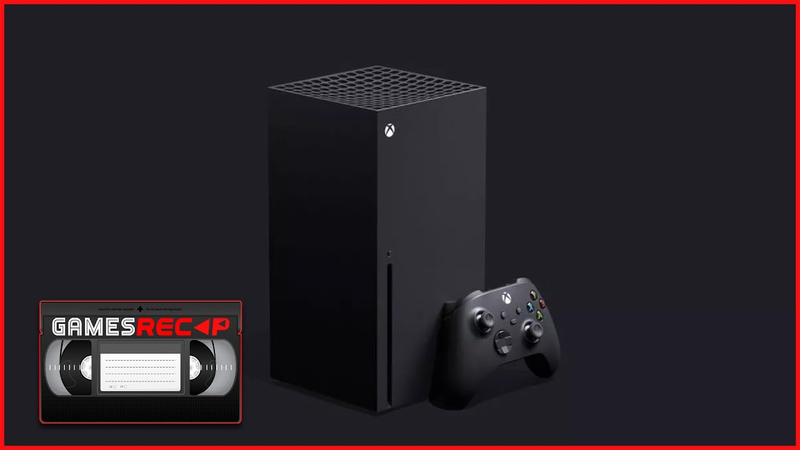
The Game Awards Biggest Announcements | Games ReCAP
The Game Awards serve as a critical industry barometer, functioning as a primary venue for major hardware reveals and high-profile software announcements.
- The shift toward standardized, PC-like console architecture, exemplified by the Xbox Series X, is designed to simplify cross-platform porting and provide developers with a stable baseline for optimization.
- High-profile exclusives remain the primary driver of consumer interest, with titles like Ghost of Tsushima and the Final Fantasy 7 remake serving as critical anchors for platform adoption.
- Technical performance alone is insufficient for success, as evidenced by the reception of Godfall, where poor visual design undermined its impact as a PS5 launch title.
Biggest Takeaways from E3 2019 | Games ReCAP Episode 005
E3 2019 served as a critical lens for evaluating the current state of the global gaming industry, highlighting a stark divide between successful creative strategies and systemic operational failures.
- Amazon Game Studios faces potential dissolution due to a lack of coherent leadership and the strategic failure of mandating the proprietary Lumberyard engine over industry-standard tools like Unreal or Unity.
- The gaming industry is increasingly pressured to abandon 'crunch' culture in favor of sustainable development models that utilize tighter project scopes to mitigate burnout in AAA production.
- Square Enix and Nintendo demonstrated that leveraging established nostalgia and innovative mechanics remains a highly effective creative strategy for market success.