Amazon Game Studios
Company
Documents about Amazon Game Studios
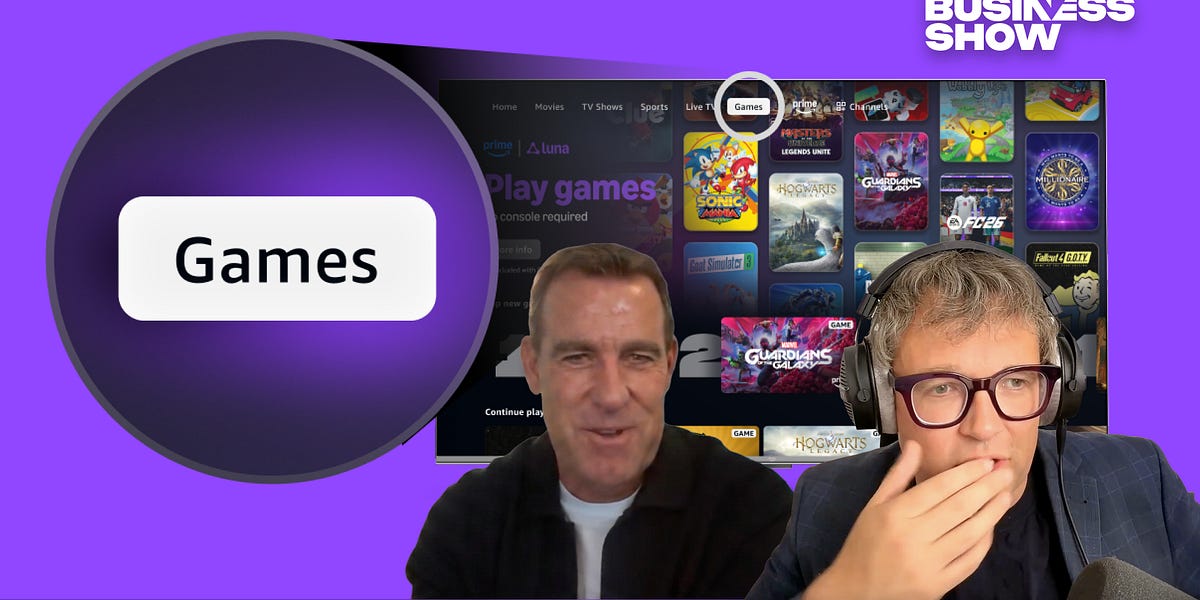
Amazon Luna: We’re Not Trying to Replace Consoles
Amazon is strategically positioning its Luna cloud gaming service as a complementary entertainment option rather than a direct competitor to traditional console hardware.
- Amazon Luna has been integrated into the Prime Video app, and Amazon Game Studios and Amazon Luna have merged, indicating a unified strategy for Amazon's gaming efforts.
- Amazon Luna is not directly competing with traditional consoles but aims to expand the gaming market by targeting a 'mid-core to casual' audience, particularly those deterred by expensive hardware (potentially $1000 machines) and game costs.
- Amazon's content strategy focuses on big, familiar IPs with relatively simple mechanics, such as Hogwarts Legacy, Indiana Jones, and the upcoming Tomb Raider, to appeal to this broader audience.
Amazon Abandons Its Open World Driving Game with Maverick Games
Amazon has officially terminated its publishing agreement with UK-based developer Maverick Games for an unannounced open-world driving title.
- Amazon has terminated its publishing agreement with UK-based developer Maverick Games for their upcoming AAA narrative-led open world driving game.
- Maverick Games, founded in 2022 by former Forza Horizon creative director Mike Brown, confirmed that development of the title remains ongoing as they seek a new publishing partner.
- This move is part of a broader strategic contraction at Amazon Game Studios, which has recently cut MMO development staff, ceased operations on the title 'King of Meat,' and sold the MOBA 'March of Giants' to Ubisoft.

Two-Week Overview: Platform Momentum and New Creation Opportunities
The two-week snapshot focuses on sustained momentum across hardware demand, platform lifecycle progression, and expanding creator ecosystems within the global games market.
- PlayStation 5 has surpassed 84 million units sold, nearing the total lifetime sales of the PlayStation 4.
- Epic Games now allows direct publishing of Unity-based titles into Fortnite, providing developers access to a 500 million user base.
- Microsoft’s cloud gaming engagement has grown significantly, with a 45% year-over-year increase in console cloud hours and a 24% rise on other devices.

PlayStation's Game Pass: Making Sense of Sony's Subscription Strategy
The primary objective of this analysis is to evaluate Sony’s strategic shift toward a tiered subscription model for PlayStation, positioning it not merely as a reactive move against Microsoft’s Xbox Game Pass, but as a necessary adaptation to macroeconomic pressures.
- Sony is shifting to a tiered subscription model to stabilize revenue against macroeconomic pressures like inflation and supply chain volatility, moving away from the debt-heavy cycles of traditional hardware launches.
- Sony’s gaming division currently generates $2.8 billion in quarterly digital revenue, which accounts for approximately 50% of the division's total earnings.
- While Sony’s subscription service offers a larger library of 400 titles compared to Microsoft’s 100+, its reliance on 40-hour single-player campaigns creates a retention challenge compared to Microsoft’s live-service model.