Access
Company
Documents about Access
Game Discoverability Day: Crowdfunding Your Video Game in 2019
Crowdfunding serves as a specialized but enduring financial mechanism for independent game development, maintaining a steady cadence of approximately one successful project per day on Kickstarter.
- Success on Kickstarter is driven by a pre-existing community rather than platform organic reach, with the platform maintaining a steady rate of approximately one successful project per day.
- Achieving 20% of a total funding goal within the first 48 hours is a critical milestone required to maintain the momentum necessary for a successful campaign.
- While total annual funding has declined from 2015 peaks to roughly $15 million, the platform remains viable for projects ranging from small indie titles to those seeking over $500,000.
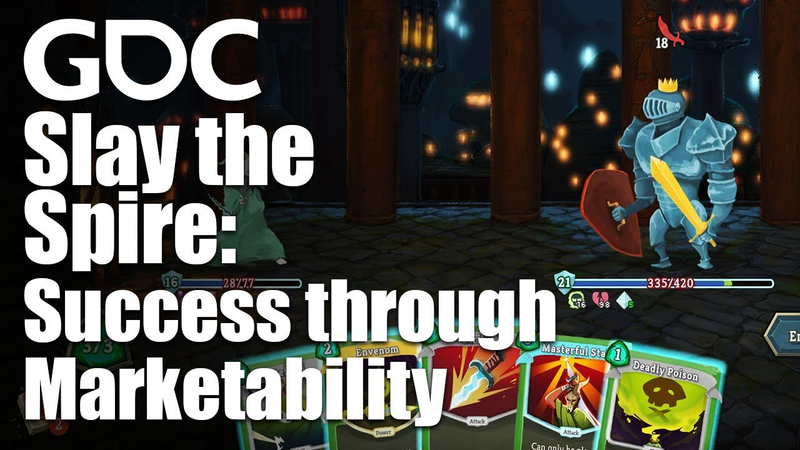
Slay the Spire: Success through Marketability
Slay the Spire demonstrates that long-term commercial success in the independent gaming sector is best achieved through a mechanics-first design philosophy and a commitment to radical transparency.
- Slay the Spire's success was driven primarily by organic player enjoyment and visibility on Twitch, which allowed a game with modest visual appeal to gain massive traction through streamer engagement.
- Steam's 'Top Sellers' list acts as a critical discovery multiplier; once the game broke into this list, sales shifted from a declining trend to a significant, sustained spike.
- Weekly patching during Early Access kept the community engaged and allowed the developers to rapidly fix bugs and iterate on features, which was essential for a small team without a dedicated QA department.
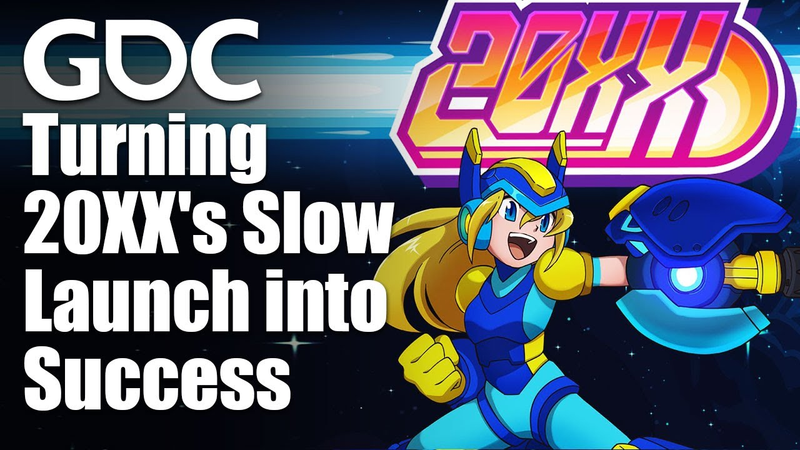
Thriving in Steam Early Access: Turning 20XX's Slow Launch into Success
Steam Early Access serves as a critical development phase that, when managed with intentionality, can transform a modest initial launch into a sustainable, high-retention product.
- Community engagement must be treated as a core development pillar, requiring approximately 20% of total production time to ensure long-term product success.
- Maintaining a rigid, predictable update schedule is essential for building the player trust necessary to sustain momentum during the iterative Early Access process.
- Developers should leverage public platforms like Discord and forums to crowdsource high-quality bug reports, effectively using the community as an extension of the internal quality assurance team.
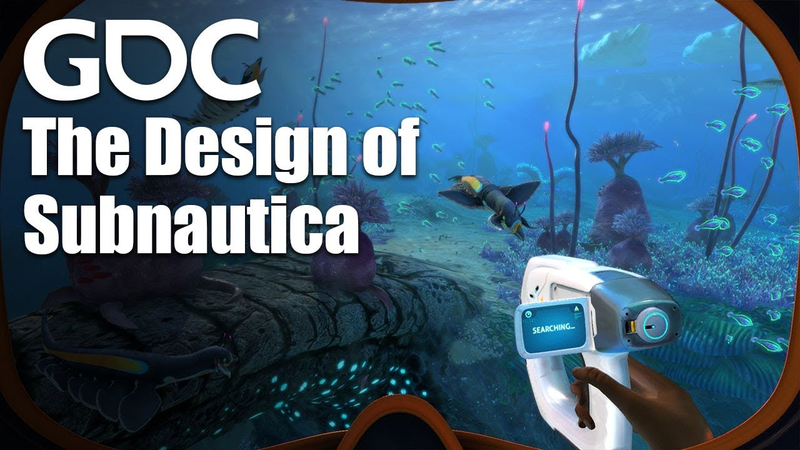
The Design of Subnautica
Subnautica represents a deliberate departure from the hyper-competitive, combat-heavy shooter genre, shifting the focus toward the emotional resonance of exploration and the thrill of the unknown.
- Subnautica achieved commercial success with over four million units sold after a five-year development cycle and a $10 million budget.
- The development team utilized an iterative 'Minimum Viable Product' approach, specifically employing 'Minimum Crappy Playable' prototypes to rapidly test and refine core systems.
- Designers replaced traditional combat mechanics with a scanner tool, successfully incentivizing environmental engagement and curiosity over violence.
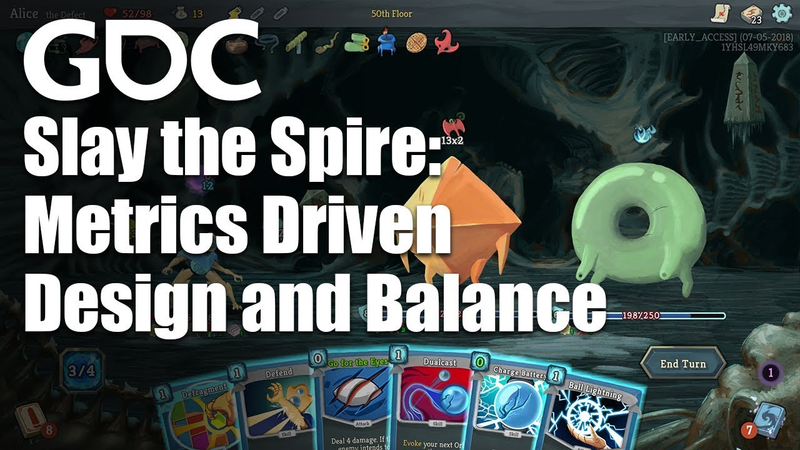
Slay the Spire: Metrics Driven Design and Balance
Strategic balance in Slay the Spire prioritizes meaningful diversity over mathematical equality, ensuring that every card serves a distinct purpose while avoiding mechanics that warp the core gameplay loop.
- Strategic balance in Slay the Spire prioritizes meaningful diversity over mathematical equality, ensuring every card serves a distinct purpose without warping the core gameplay loop.
- The development team utilized a dual-layered feedback mechanism that combined large-scale automated metric collection with qualitative insights from community channels, streamers, and direct player discourse.
- The Early Access model facilitated rapid iteration, using a stable beta branch to test major overhauls like the intent system and Ascension levels.
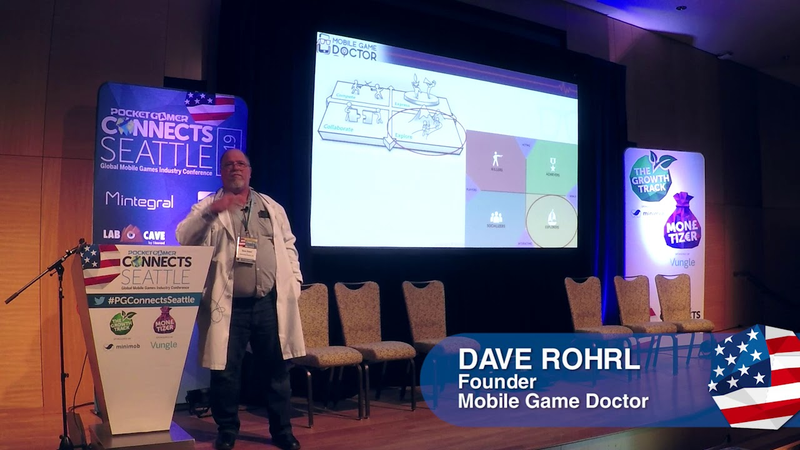
Why do they buy? Key player motivations for monetisation
The mobile gaming industry faces the persistent challenge of converting free-to-play users into paying customers.
- The CAPS framework—Cosmetics, Access, Power, and Status—provides a hierarchical strategy for aligning monetization mechanics with core player psychological motivations.
- Status is the highest tier of monetization, leveraging leaderboards and social rankings to incentivize spending through public recognition and community standing.
- Power-based monetization drives revenue by offering durable upgrades that provide competitive advantages in PvP or help players overcome difficult progression curves.
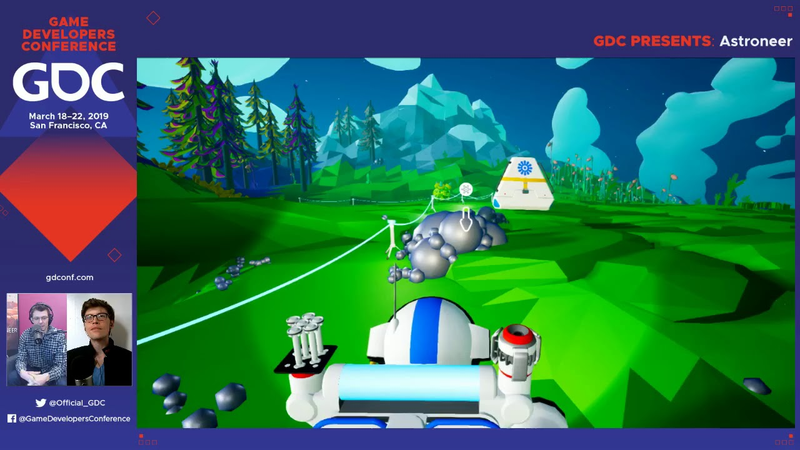
GDC plays Astroneer with System Era's Brendan Wilson
The development of Astroneer serves as a case study in the complexities of managing a long-term Early Access project.
- System Era scaled its development team from an initial cap of 10 people to 21 employees to meet the technical and support demands of the game's 1.0 release.
- The game utilizes a voxel-based terrain system powered by the marching cubes algorithm, which allows for real-time deformation by modifying density data within specific chunks rather than rebuilding the entire planet's mesh.
- Managing an Early Access title requires the same rigorous certification, store presence, and publishing infrastructure as a fully released game, while simultaneously balancing community expectations for features.
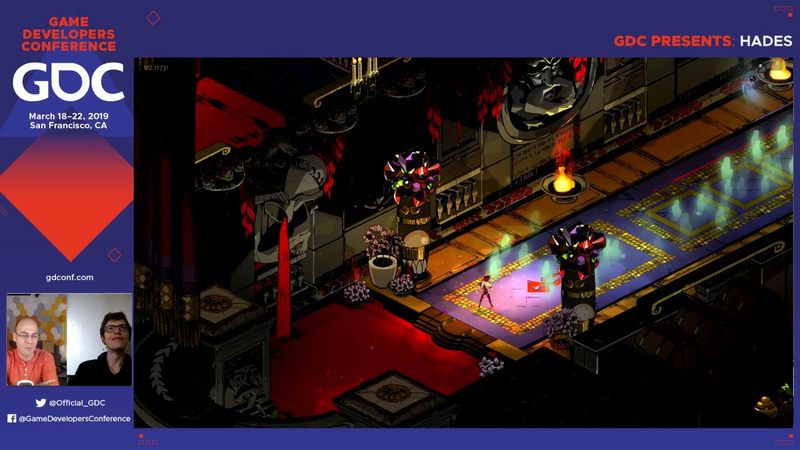
GDC plays Hades with Greg Kasavin
Supergiant Games’ development of Hades represents a strategic pivot toward iterative, community-driven design within the roguelike genre.
- Supergiant Games successfully transitioned from multi-year linear production cycles to an agile, monthly milestone cadence by utilizing the Early Access model on the Epic Games Store.
- The studio maintains high-quality, iterative development with a compact team of approximately 20 people, relying on direct feedback loops via platforms like Discord to refine gameplay and narrative in real time.
- Supergiant Games explicitly rejects industry-standard forced crunch by codifying internal values that prioritize work-life balance and individual responsibility.
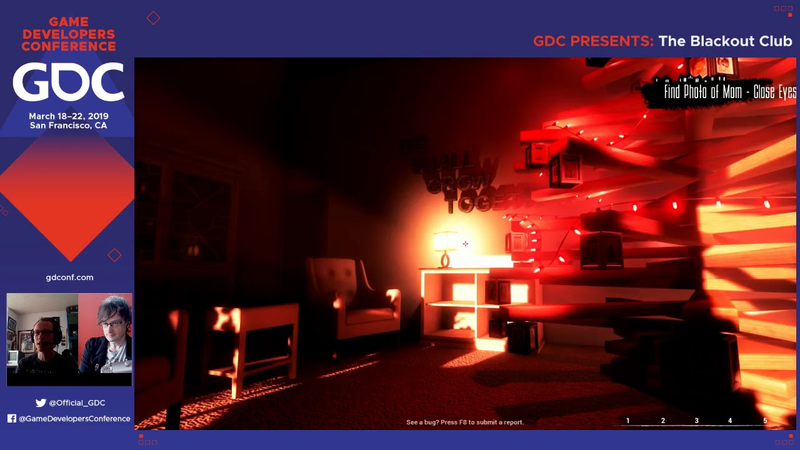
GDC Q&A with Blackout Club developers Jordan Thomas and Michael Kelly
The development of the cooperative horror title The Blackout Club represents a strategic pivot toward sustainable, community-driven game design.
- The developers of 'The Blackout Club' leveraged their experience with immersive sims like 'BioShock' and 'Dishonored' to build a cooperative horror game that emphasizes player vulnerability and parkour-based movement over combat.
- To manage the complexity of a four-player multiplayer game, the team utilized a long-term beta testing strategy that began in the summer of 2018, well ahead of their 2019 release, to gather feedback from their newsletter and Discord community.
- The game employs a procedural mission system designed like a deck of cards, where different objectives are shuffled and dealt to players each night to ensure that no two gameplay sessions are identical.
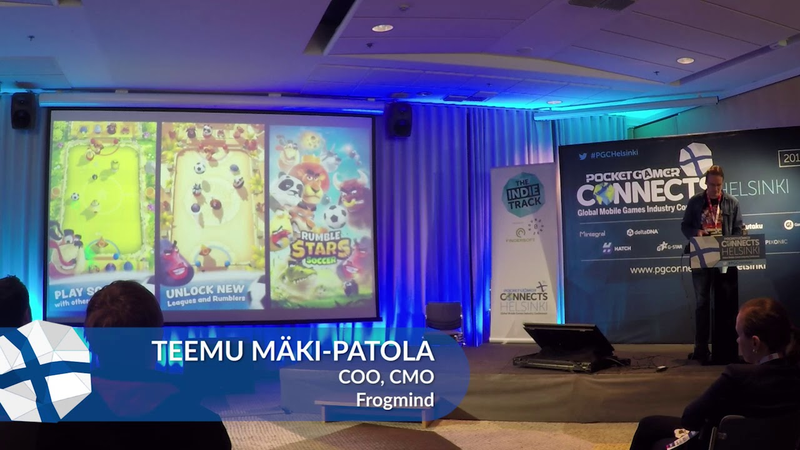
Badland Brawl and Rumble Stars Soccer soft-launches
Frogmind’s transition from premium mobile titles to free-to-play, real-time player-versus-player (PvP) gaming is defined by the development of Badland Brawl and Rumble Stars Soccer.
- Frogmind transitioned from premium titles to server-side validated, free-to-play PvP games to ensure game integrity and prevent cheating in titles like Badland Brawl and Rumble Stars Soccer.
- The studio achieved an 80% reduction in data consumption by optimizing networking and matchmaking stability during soft-launches in Finland, Vietnam, and Thailand.
- Maintaining effective matchmaking requires a minimum threshold of 5,000 daily active users (DAU).
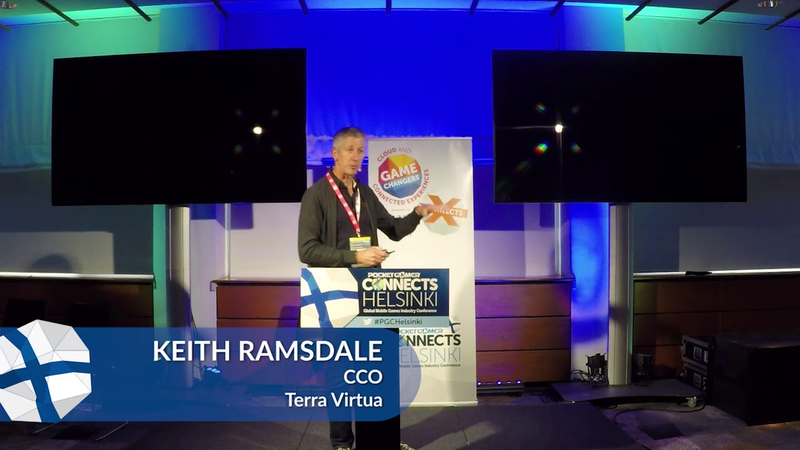
Terra Virtua – The consumer VR platform
Terra Virtua is a consumer-facing virtual reality entertainment platform designed to serve as a centralized hub for immersive gaming, live events, and social interaction.
- Terra Virtua functions as a centralized VR ecosystem that uses a proprietary blockchain-based token to unify fragmented gaming experiences, currencies, and digital asset trading.
- The platform offers developers an 80/20 revenue split in favor of the creator and utilizes blockchain technology to bypass traditional 60-day payment cycles with immediate settlements.
- The 'Terraformer' toolset, built on the Unreal Engine, enables users to develop, host, and monetize their own VR experiences within the platform.
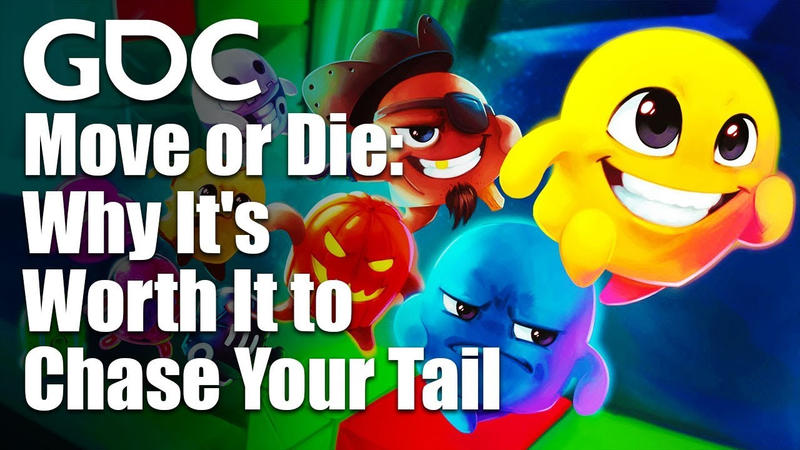
Move or Die: Why It's Worth It to Chase Your Tail
The success of the multiplayer title Move or Die demonstrates that long-term viability in the independent games market relies on a symbiotic relationship between developers and their community.
- Success for 'Move or Die' was not driven by a single event, but by a continuous stream of updates, community engagement, and strategic marketing over a two-year period that resulted in over 500,000 players.
- Early Access was used as a financial necessity rather than a design choice, with the developer maintaining transparency by explicitly instructing players not to buy the game until it was polished.
- Strategic collaborations, such as integrating Rick and Morty characters, were timed to coincide with external events like the Steam Summer Sale to maximize visibility and press coverage.