2015
Company
Documents about 2015
Age Report
Quantic Foundry's Age Report is a 55-page paid market research product ($2,499) examining how gaming motivations, genre preferences, and popular titles change as players age, with a particular focus on the growing 35+ gamer segment.
- The report analyzes data from 177,410 gamers to identify how gaming motivations, genre preferences, and popular titles shift across age segments ranging from 15 to 64 years old.
- The sample demographic consists of 82% male, 17% female, and 1% non-binary respondents, with a median age of 25 and a primary focus on core PC gamers.
- The study utilizes a Gamer Motivation Model to track 12 distinct psychological drivers, providing granular breakdowns by gender and age cohorts (15–24, 25–34, 35–44, 45–54, and 55–64).
4 More Key Features Niantic Needs to Add to Pokémon GO to Keep Us Coming Back
Pokémon GO's post-launch engagement problem is the focus of this October 2016 analysis from GameRefinery, which argues that Niantic should add four proven features to sustain player retention and loyalty.
- Daily rewards are essential for retention, with 62% of the top 100 grossing games offering login gifts and 48% utilizing daily quests to drive regular engagement.
- Limited-time in-app purchase (IAP) offers are a critical monetization driver, appearing in 97% of top 100 grossing iOS games as of August 2016, up from 80% in November 2015.
- Competitive features like dynamic leagues and leaderboards are increasingly standard, now present in 56% of top 100 grossing iOS games compared to 43% in late 2015.
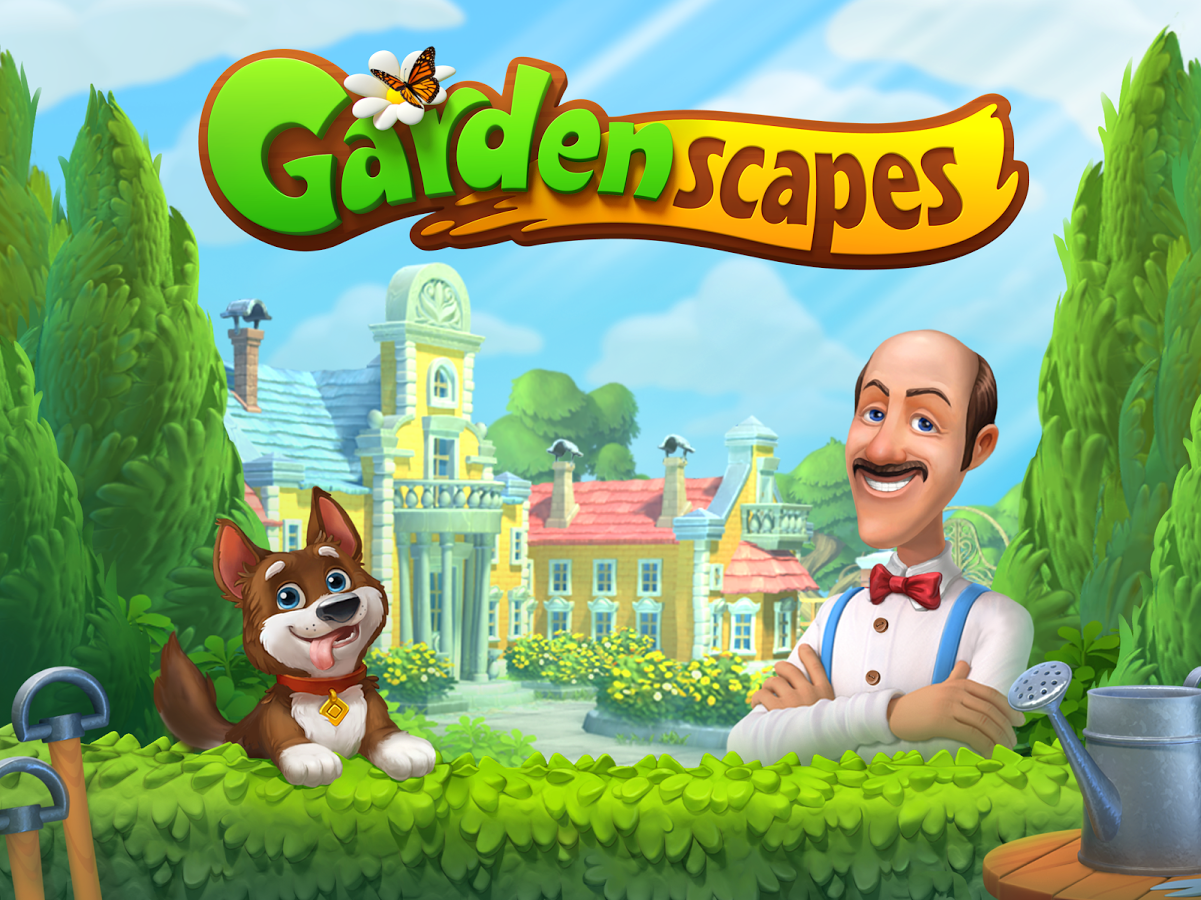
Gardenscapes: A Case Study in Incremental Growth
Playrix's Gardenscapes – New Acres, a Match 3 and city-building hybrid released globally on August 25, 2016, serves as a case study challenging the claim that incremental growth is dead in a mobile market dominated by paid user acquisition.
- Playrix’s Gardenscapes achieved a Top 50 Grossing position on the US iPhone charts without relying on high-volume user acquisition or a top-tier download ranking.
- The game demonstrated that strong retention metrics can drive significant revenue growth, allowing for success without competing directly with larger, better-funded rivals on marketing spend.
- Data from September 2015 to August 2016 shows that only 21% of the 175 apps that reached a Top 50 Grossing position also spent time in the Top 50 Downloaded chart, highlighting that high download volume is not a prerequisite for sustained financial performance.

Smartphones, Tablets and Gaming Consoles Among the Most Popular Christmas Gifts: Germany
Consumer electronics ranked among the most popular Christmas gifts in Germany in 2015, with gaming consoles emerging as a notable category.
- Approximately 8 million German internet users aged 14 and older planned to give consumer electronics as Christmas gifts in 2015, representing 15% of that demographic.
- Gaming consoles were a top priority for gift-givers, with 23% of those planning to buy consumer electronics intending to purchase a PlayStation 4, Xbox One, or Wii U.
- Tablets and smartphones were the most popular consumer electronic gifts, with 34% and 32% of gift-givers respectively planning to purchase these devices.

Gift Cards for Music, Video Games and Apps Are Popular Christmas Presents: Germany
Gift cards for digital media are emerging as a notable Christmas gift category in Germany, according to a December 2015 BIU (German Games Industry Association) press release drawing on GfK polling data.
- Approximately 13% of internet users in Germany, totaling over 7 million people, planned to give gift cards for digital media such as games, music, and apps for Christmas in 2015.
- Younger demographics showed higher interest, with 25% of 14- to 19-year-old internet users planning to gift digital media vouchers.
- Among those planning to purchase digital gift cards, 49% chose music services like iTunes or Spotify, 33% chose computer and video games, and 28% chose smartphone or tablet app stores.
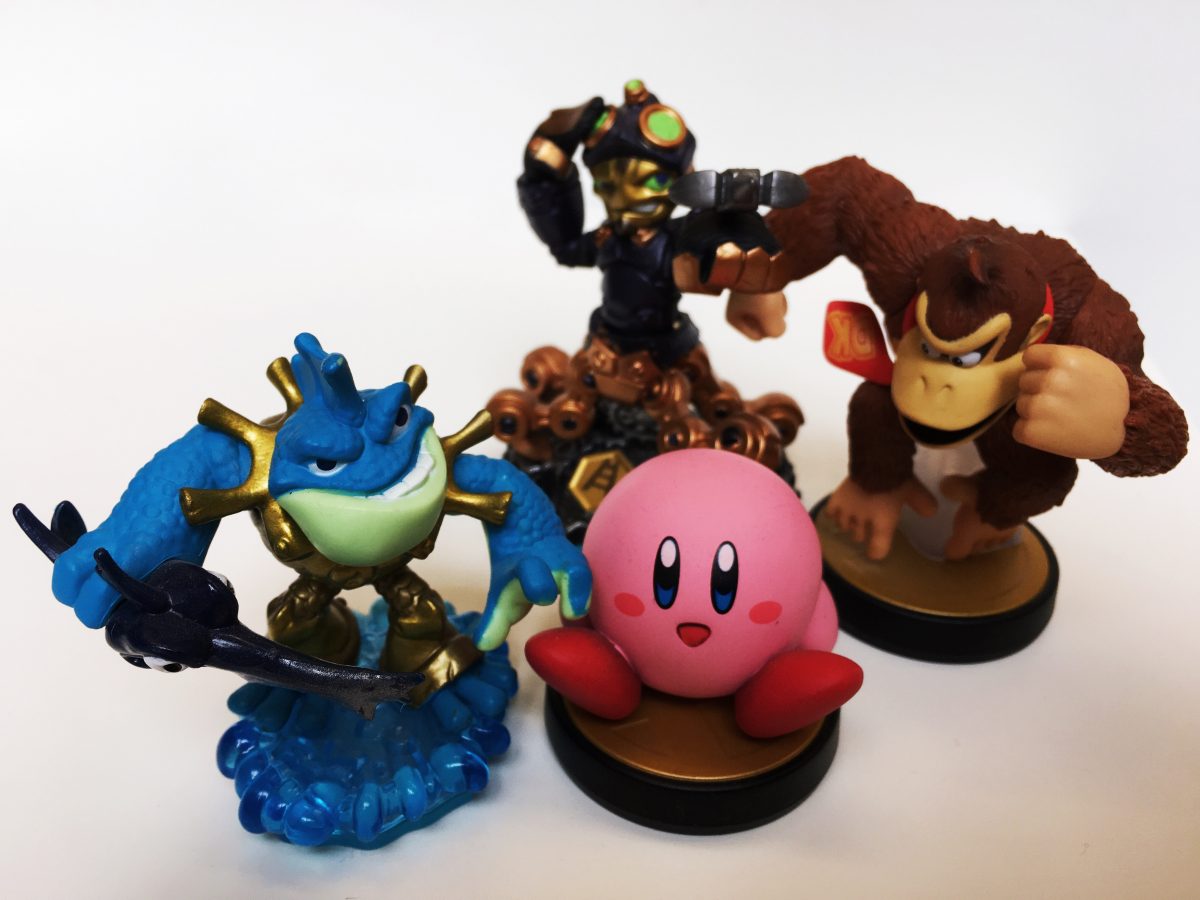
Toys-to-Life: Collectible Figures Take the Video Game World by Storm
The German toys-to-life segment, which pairs video games with physical collectible figurines, is expanding rapidly according to a December 2015 press release from the German Games Industry Association (BIU), using market data from GfK Entertainment.
- The German 'toys-to-life' market segment experienced a 45% growth in sales revenue within a single year, rising from 31 million euros in the first nine months of 2014 to 45 million euros during the same period in 2015.
- Total sales for the toys-to-life category in Germany reached 46.6 million euros in 2014, a figure that was nearly matched in just the first nine months of 2015.
- The toys-to-life market is highly seasonal, with more than one-third of annual turnover generated during the Christmas holiday period.

Keen Interest in Gaming Game Consoles Expected at the End of the Year
German consumer interest in current-generation game consoles was strong heading into the 2015 holiday season, according to a press release from the BIU (German Games Industry Association) issued in Berlin on 13 October 2015.
- Approximately 800,000 Germans planned to purchase a new game console by the end of 2015, with an additional 3 million expressing potential interest in buying one.
- The total number of consumers planning to purchase a console in 2015 represented a 10% increase compared to 2014 figures.
- Growth in the console market was driven by 40- to 49-year-olds, who represented the largest demographic of intended buyers at 29%, followed by 30- to 39-year-olds at 23%.

Growing Numbers of Game App Fans Among Smartphone Users Over 30: Germany
Game apps in Germany are increasingly attracting older smartphone and tablet users, according to a October 2015 release from the German Games Industry Association (then BIU, now game) drawing on GfK market research data.
- Game app revenue in Germany grew by 54% to 175 million euros in the first half of 2015 compared to the same period in 2014.
- The 50+ age group saw the highest growth in mobile gaming, with the number of users increasing by 34% to 3.9 million in the first half of 2015.
- Approximately 59% of mobile game app players in Germany are aged 30 or older, totaling roughly 13 million people.
Game Apps Boom Continues
Germany's mobile game app market continued its rapid expansion in the first half of 2015, according to figures the German Games Industry Association (BIU) published from GfK market research data.
- Revenue from game apps on smartphones and tablets in Germany grew by 54% in the first half of 2015, reaching 175 million euros compared to 114 million euros in the same period of 2014.
- Free-to-play games are the primary driver of market growth, with revenue from in-game microtransactions rising 72% to 153 million euros in the first half of 2015.
- Games account for 75% of all revenue generated in German app stores.

Strong Demand for Computer and Video Games Drives Significant Growth in the German Market
The German market for computer and video games grew strongly in the first half of 2015, according to a press release from BIU, the German Games Industry Association, issued in Berlin on 23 September 2015.
- The German computer and video games market grew by 8% in the first half of 2015, reaching a total sales revenue of 863 million euros compared to 798 million euros in the same period of 2014.
- Growth in 2015 is projected to exceed the 11% annual growth rate achieved in 2014, driven by a strong pipeline of blockbuster releases scheduled for the second half of the year.
- Microtransactions and virtual goods were a primary growth driver, generating 264 million euros in the first half of 2015, a 15% increase over the previous year.
Game Apps Conquer the Television Market
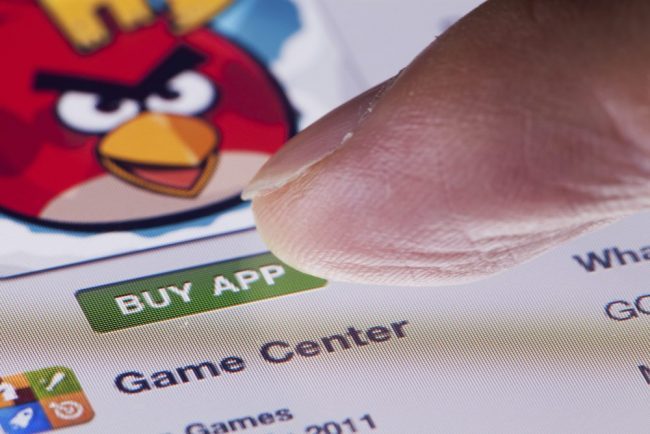
Game apps for smartphones and tablets are increasingly reaching television screens, according to a September 2015 press release from the German Games Industry Association (BIU, now game).
- Game apps are increasingly migrating to television screens as manufacturers adopt mobile operating systems like iOS, Android, Tizen, and WebOS for TVs, Blu-ray players, and set-top boxes.
- The German game app market generated 263 million euros in sales in 2014, representing a 153% growth rate compared to 2013.
- Game apps accounted for 75% of all sales revenue generated in German app stores, establishing them as the dominant force in the mobile app market.
Games Fuel the Market for Apps
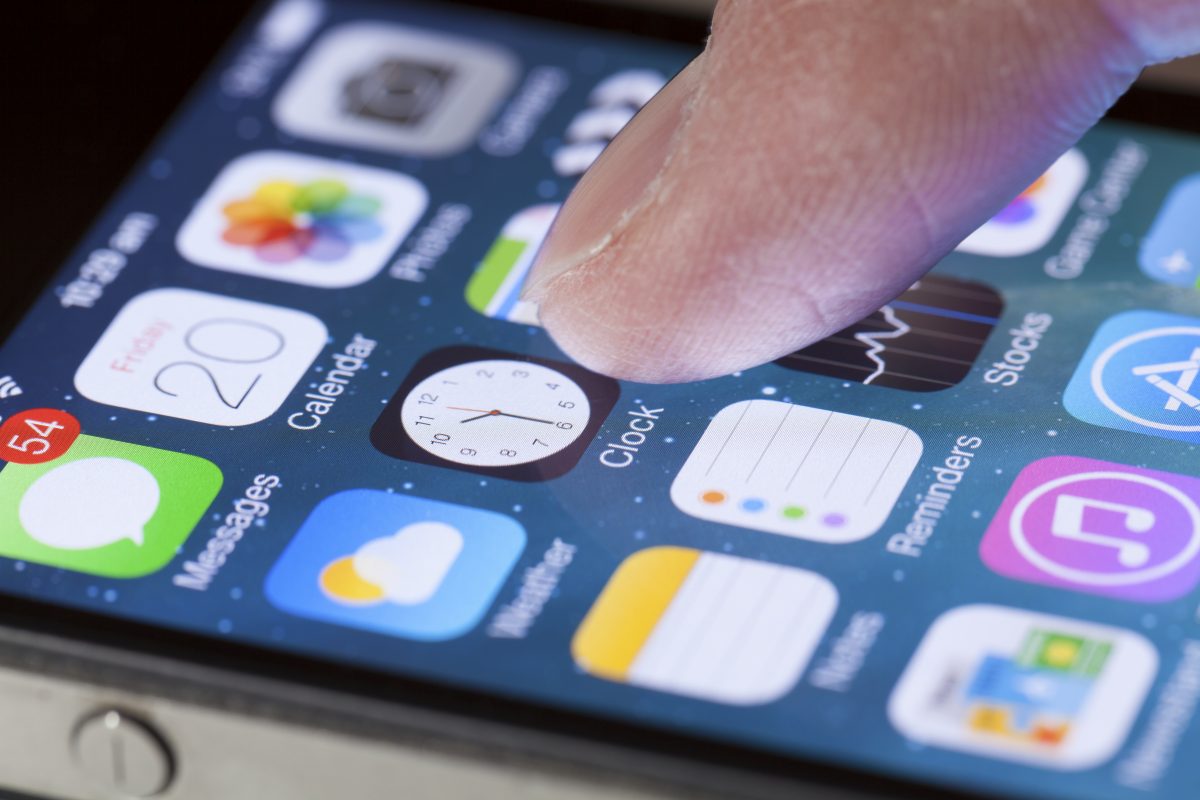
Game apps are the dominant force in the German app market, according to a BIU (German Games Industry Association) press release issued in August 2015 ahead of gamescom.
- Game apps account for 75% of total sales revenue generated by app stores in Germany as of Q2 2015.
- Sales revenue from game apps in Germany has increased by a factor of 2.2 since 2013.
- Germany ranks as the second-largest market for game apps in Europe and the seventh-largest globally by revenue.