Loading the document
1 free read left. Create a free account for unlimited reading + AI research.
Create free accountArticle GameRefinery
1 free read left. Create a free account for unlimited reading + AI research.
Create free accountArticleGameRefinery
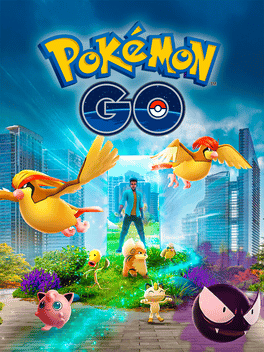
The analysis contends Pokémon GO gives players little reason to log in regularly beyond catching new creatures.
Pokémon GO's post-launch engagement problem is the focus of this October 2016 analysis from GameRefinery, which argues that Niantic should add four proven features to sustain player retention and loyalty. It follows an earlier guest post on the same theme and is written by the firm's Japan-based chief game analyst. The recommendations draw on a database covering more than 150 features across the top 200-plus grossing apps and another 500-plus games outside the top grossing list, with most statistics focused on the top 100 grossing iOS games in the U.S.
The first recommendation is daily rewards. Some 48% of top 100 grossing games include daily quests, and 62% offer a daily login gift, compared with 45% of games outside the top grossing tier. The analysis contends Pokémon GO gives players little reason to log in regularly beyond catching new creatures, and suggests quests built around gathering, gym conquest, trading, or walking distance. The second is limited-time in-app purchase offers, present in 96% of top grossing iOS titles versus 56% of others. Their prevalence among top grossers rose from 80% in November 2015 to 97% in August 2016, and the piece proposes first-time, recurring, and rare offers such as discounted hard currency bundles.
The third recommendation is social integration. Although the game is inherently social, its Trainer Club account carries no in-game benefit. The analysis proposes social media connectivity, a friend list showing player level and strongest Pokémon, gifting of items, real-time chat, and proximity alerts for nearby friends. Social media login appears in 87.9% of top 100 grossing games versus 61.4% of the rest. The fourth is dynamic leagues or ladders, found in 56% of top grossing iOS games compared with 37% elsewhere, up from 43% in November 2015. Because Pokémon GO's competition is limited to light gym battles and collection, the piece suggests Pokémon-point rankings, monthly PvP leagues, and unique Pokémon as rewards.
The tone is enthusiast-friendly and promotional, presenting an unofficial wish list backed by feature-prevalence data rather than player behavior or retention metrics. It notes that Niantic had hinted at leaderboards but offered no firm commitments.

GameRefinery · 2026
Two & a Half Gamers · 2026