
European Conference on Games Based Learning (ECGBL)
Annual European conference on game-based learning and serious games; its proceedings are published open access (CC BY) by Academic Conferences International.
Documents
Design of a 2D Rhythm-Based Shooting Game for Skill Development
This paper presents Echo, a 2D top-down shooter that integrates rhythm-based mechanics to explore how games can support cognitive skill development, particularly rhythmic precision, hand-eye coordination, and sustained engagement.
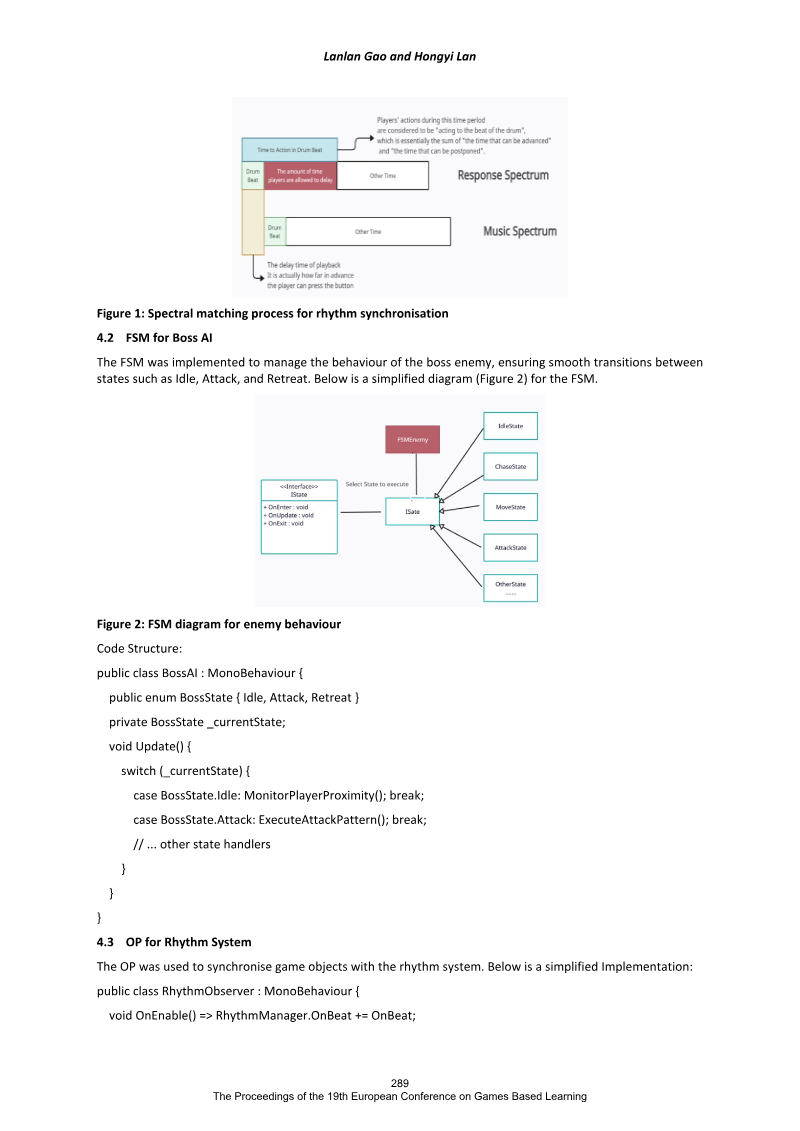
- Echo is a 2D top-down shooter built in Unity with the Kore plugin, using a rhythm-triggered shooting mechanics (RTSM) system that aligns shooting and evasion actions with musical beats.
- Players who synchronised their actions with beats achieved roughly 23% higher timing accuracy than non-rhythmic conditions, with error rates falling about 22% across five sessions.
- Beat-matching consistency correlated with session duration at r=0.74, and retry rates declined in rhythm-synchronised groups.

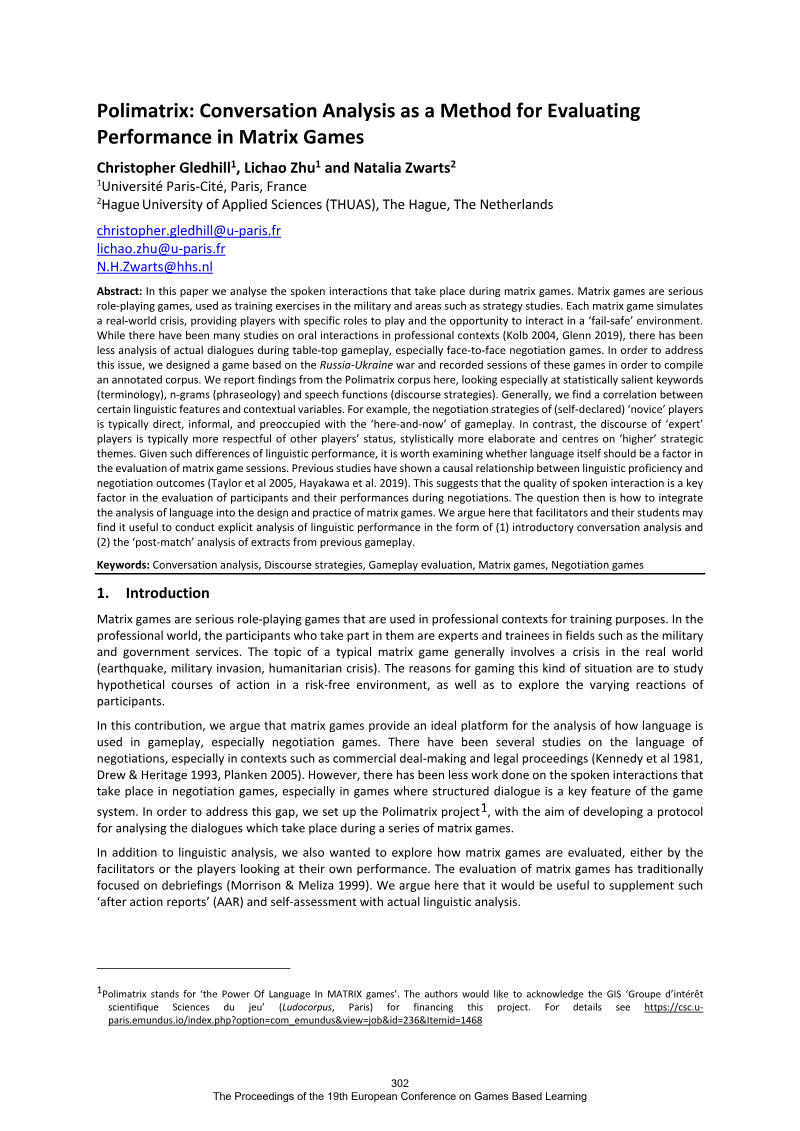
Polimatrix: Conversation Analysis as a Method for Evaluating Performance in Matrix Games
This paper analyses the spoken interactions that occur during matrix games, serious role-playing exercises used in military and strategic training, and argues that linguistic performance should be incorporated into how these games are evaluated.
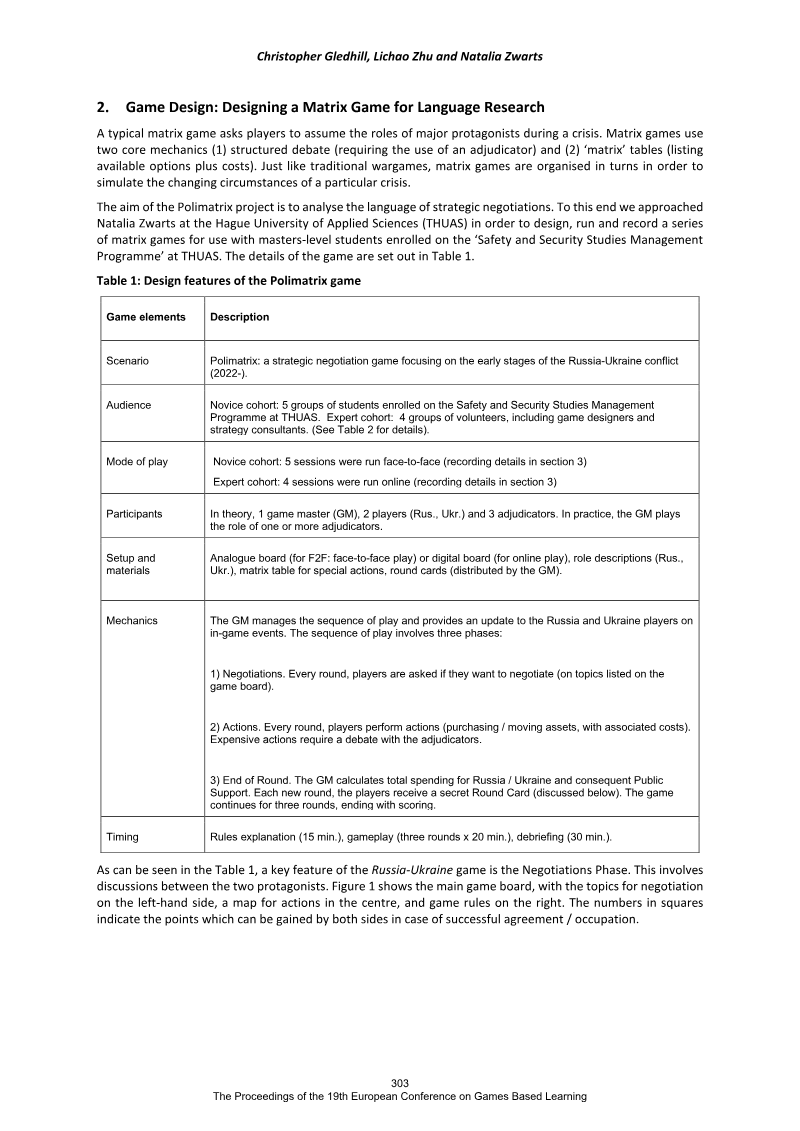
- The authors argue that linguistic performance, analysed through transcripts of spoken interaction, should be incorporated into how matrix games are evaluated, using a Russia-Ukraine negotiation game as the test case.
- Analysis of a roughly 103,600-token corpus from nine recorded sessions shows novice players speak in a direct, informal register focused on immediate gameplay (expletives, laughter, "I don't want to"), while expert players use more indirect, hesitant, deliberate phrasing ("I think" constructions, first-name address) and reflect on strategy beyond the game.
- Using conversation analysis, the study identifies negotiation adjacency pairs (open, probe, response) and meta-level moves such as meta-critique, meta-strategising, and meta-roleplay, and shows players using game-state references to help counterparts save face.
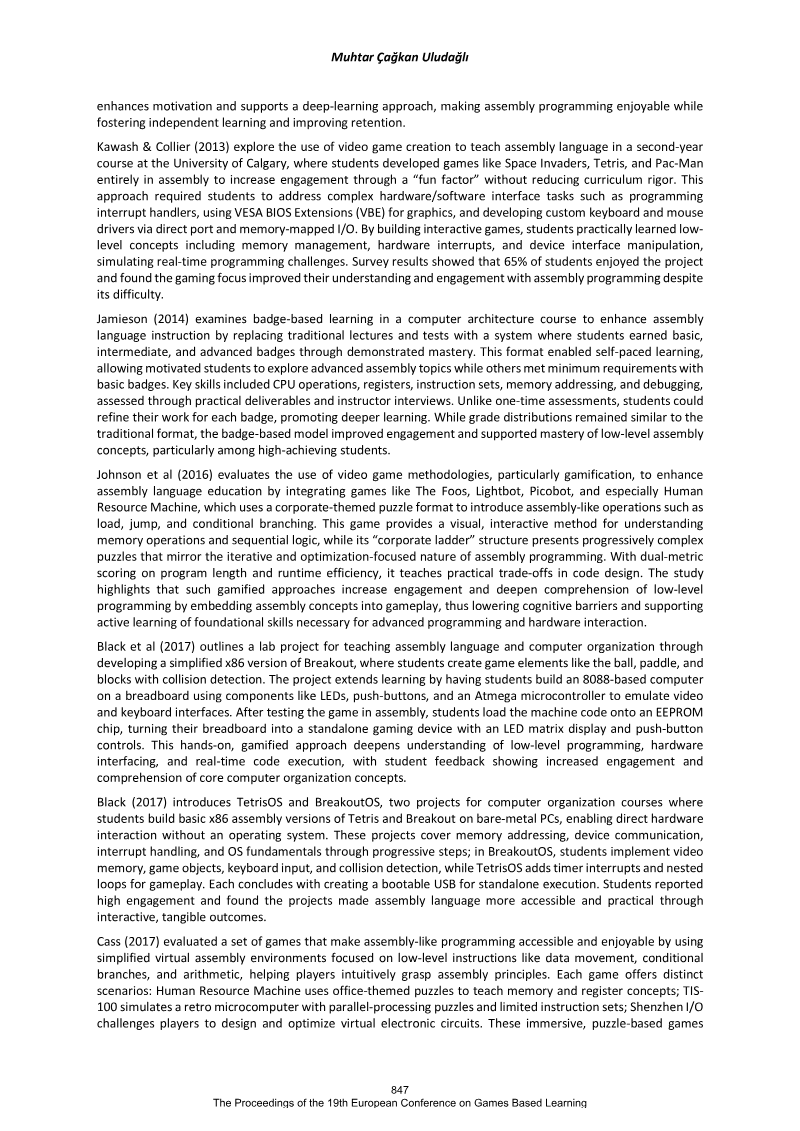
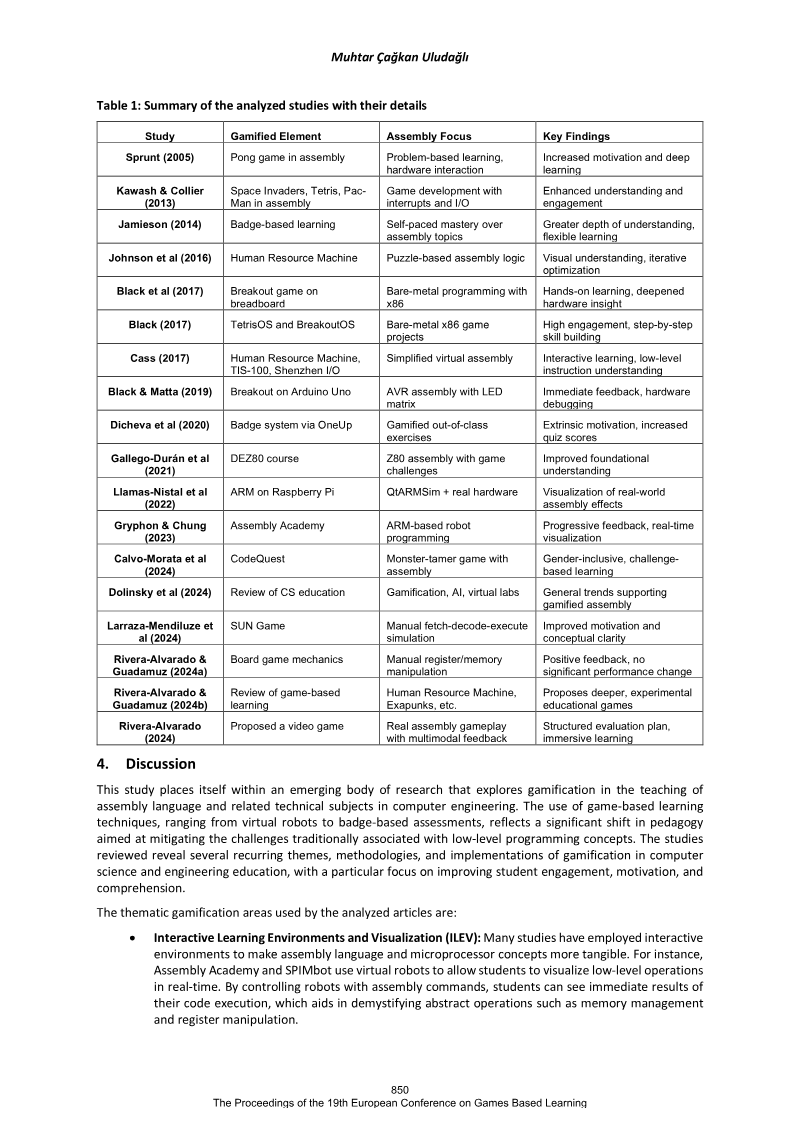
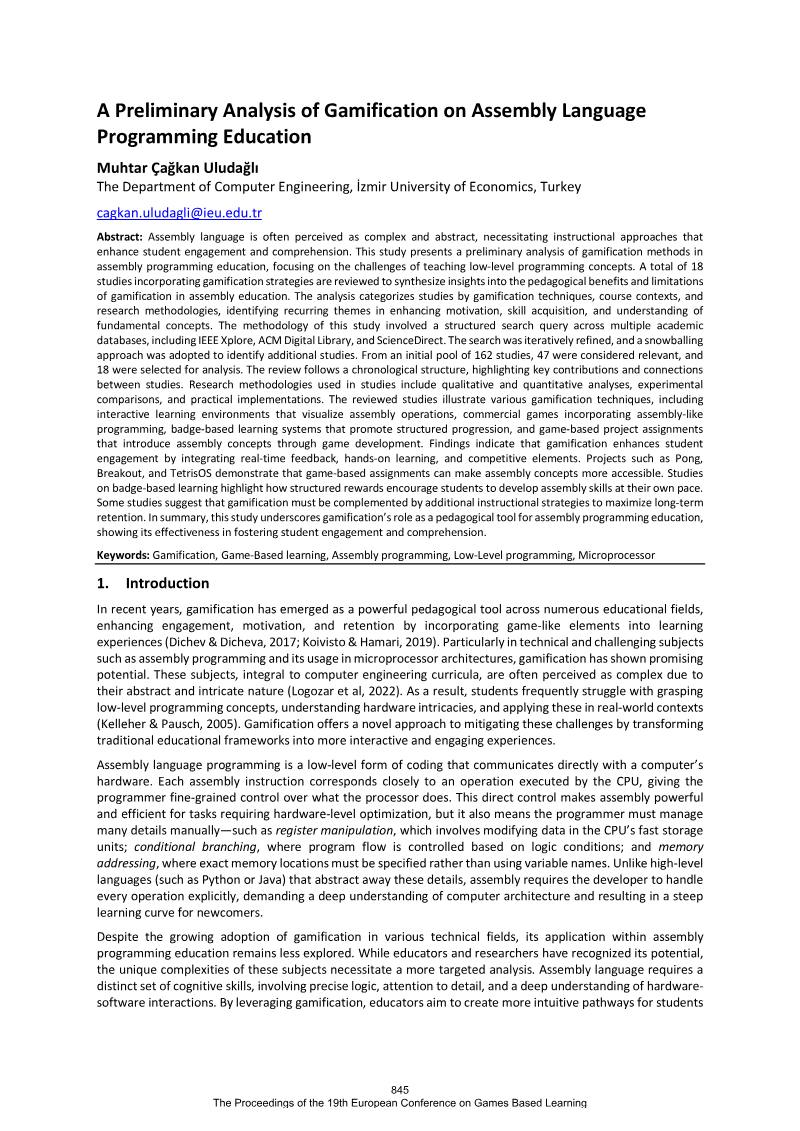
A Preliminary Analysis of Gamification on Assembly Language Programming Education
This preliminary analysis examines how gamification has been applied to assembly language programming education, drawing on 18 studies selected from an initial pool of 162 records indexed in IEEE Xplore, the ACM Digital Library, and ScienceDirect, supplemented by snowballing from reference lists.
- Gamification is a valuable but insufficient tool for assembly language education: it boosts engagement and can improve assessment performance, but its effects on long-term retention and deep conceptual understanding remain inconclusive.
- The central thesis holds that gamification, including game-based projects such as Pong, Breakout, and TetrisOS implementations and badge-based progression systems, generally enhances engagement, motivation, and comprehension of low-level concepts like registers, branching, and memory addressing.
- The evidence base is modest: 18 studies were drawn from an initial pool of 162 records across IEEE Xplore, the ACM Digital Library, and ScienceDirect, and much of it is qualitative or survey-based.
Tailored Gamification in Manual Assembly: System Implementation and Study Design for Long-Term Evaluation
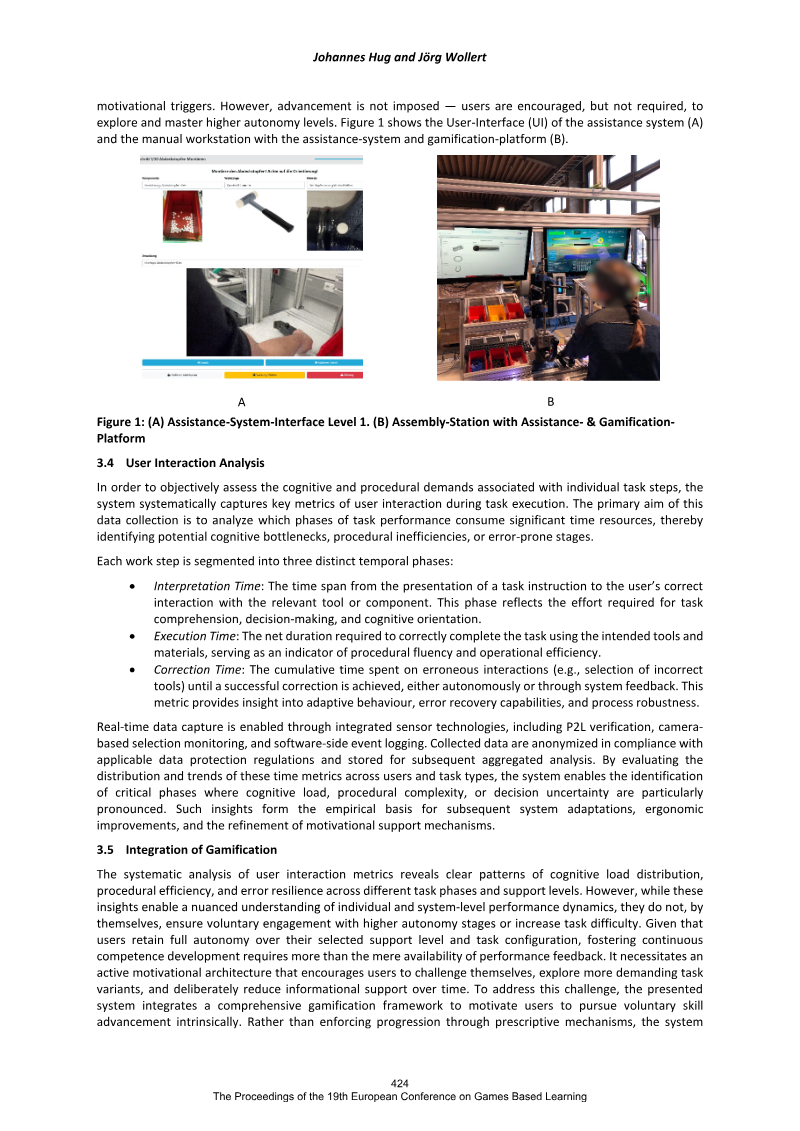
This paper presents a system design and study protocol rather than empirical results, aiming to test whether tailored gamification can sustain motivation and autonomy in manual assembly work where rigid assistance systems may increase cognitive strain over time.
- The paper is a system design and study protocol with no empirical results yet, so its conclusions remain provisional pending a long-term field evaluation.
- Its central argument is that fixed instructional support can become counterproductive as operators gain expertise (the expertise reversal effect), and that gamification may later raise stress unless it adapts to the individual.
- The proposed platform lets users choose their own of eight information-support levels rather than advancing them automatically, grounded in self-determination theory and tailored gamification.
Designing a Role-Play Activity About Social-Emotional Learning for the Indian Context Based on the Integrated Design Framework for Playful Learning
This paper addresses a gap in the design of social-emotional learning (SEL) games for Indian children, an area that has received little research attention.
- The paper adapts the Integrated Design Framework for Playful Learning (which weighs cognitive, affective, and socio-cultural dimensions) to build a non-digital charades-based role-play activity that helps children express and recognise emotions, informed by the Kids Empathy Development Scale.
- Two preliminary pilots involving six master's students and ten lab professionals facilitating about 80 rural Indian children across four 45-minute sessions reported positive observed outcomes in relatedness, observational learning, goal orientation, motivation, interest, and self-esteem.
- The pilot findings are observational rather than based on formal measurement, so the reported benefits should be treated as preliminary.
Defeating V.I.L.E. with Carmen Sandiego: GBL and Gamification for Teenagers with Intellectual Disabilities
This pilot study examines whether a gamified learning intervention inspired by the Carmen Sandiego series, combining game-based learning with project-based learning, can motivate adolescents with mild intellectual disabilities.
- A pilot study tested a Carmen Sandiego-inspired gamified learning intervention, combining game-based and project-based learning, with three students aged 14 to 15 in a Spanish public secondary school over five one-hour sessions.
- Participants showed high initial and sustained motivation, with growing participation and collaboration, improved frustration tolerance, and a modest increase in autonomy.
- The study used a qualitative, quasi-experimental design based on participant observation and a thematically analyzed teacher interview, aiming to assess acceptance, engagement, and the promise of play- and narrative-based approaches in inclusive special education.
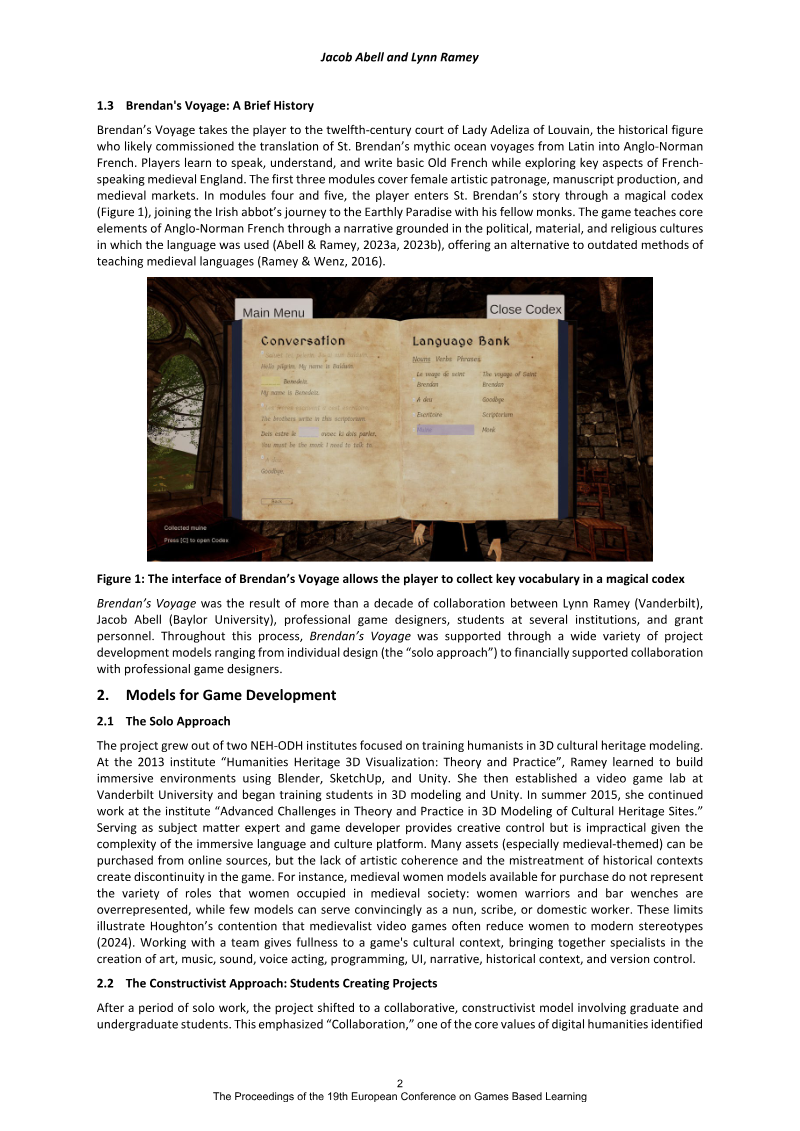
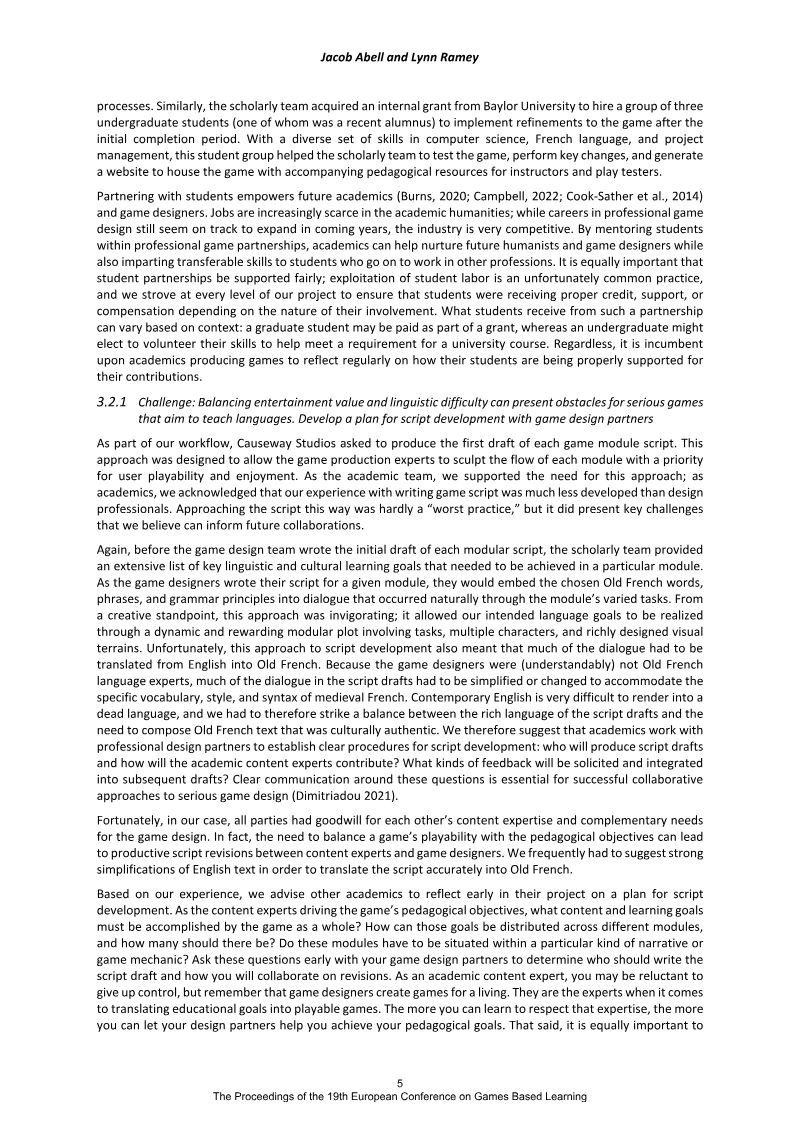
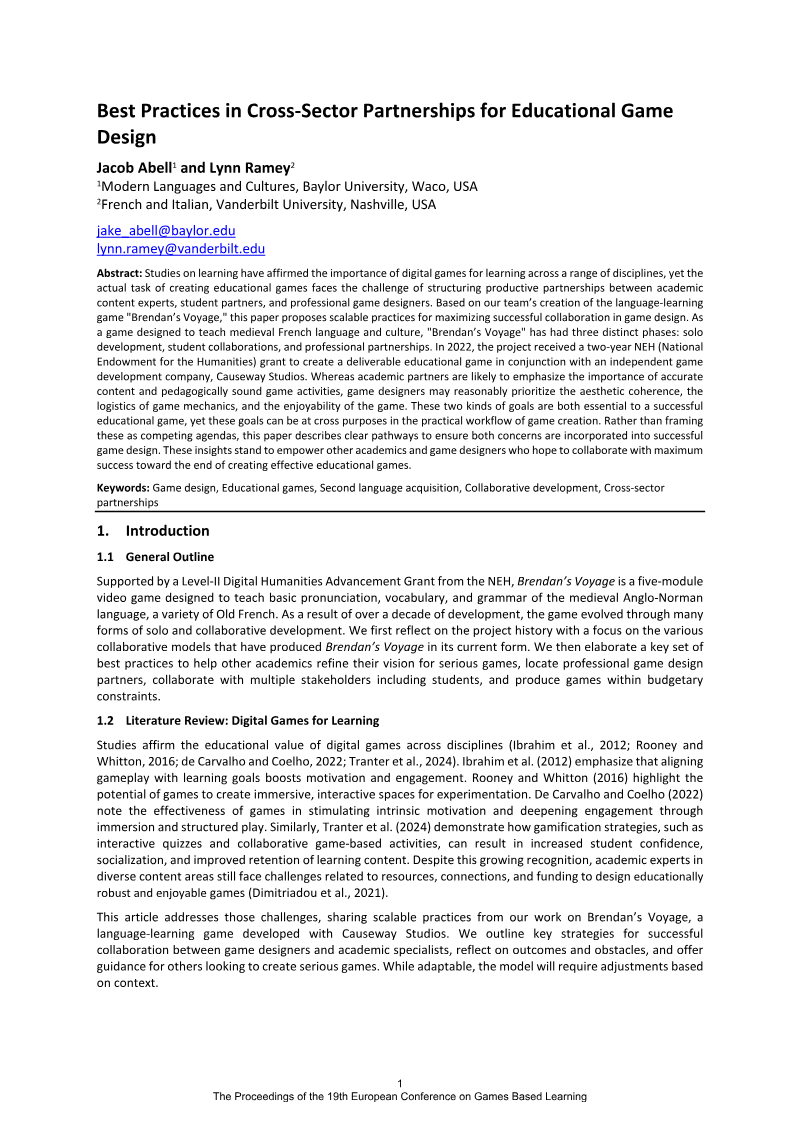
Best Practices in Cross-Sector Partnerships for Educational Game Design
This paper, co-authored by Jacob Abell and Lynn Ramey, examines how academic content experts, student partners, and professional game designers can collaborate effectively to create educational games.
- The central argument is that scholars' goals (accurate content and sound pedagogy) and game designers' goals (aesthetic coherence, mechanical logistics, and enjoyability) are both essential and can be reconciled through deliberate workflow planning rather than treated as competing agendas.
- The authors compare three collaborative models: a solo approach that offered creative control but proved impractical for a complex project, a constructivist student-driven lab that built skills but suffered from turnover and weak version control, and a course-integrative model that struggled with continuity between successive student teams.
- The core case study is the professional partnership with Causeway Studios on "Brendan's Voyage," a five-module game teaching medieval Anglo-Norman French, funded by a two-year NEH Level II Digital Humanities Advancement Grant awarded in 2022.
The Reach of Digital Games and Their Potential as Global Communication Tools
The document examines whether digital games can serve as effective global communication tools for gathering public opinion and raising awareness on climate issues, using the Play2Act study as its central evidence base.
- The Play2Act study, run with UNDP under the EU- and UKRI-funded GREAT project, embedded a climate attitude survey in popular mobile games, reaching about 934,000 players in 188 UN-recognised countries and yielding 181,087 completed surveys (a 15.2% completion rate).
- Games can substantially expand access to citizen opinion data, but participation and response depth varied markedly by demographic and regional group, and some respondents completed the survey suspiciously quickly, raising questions about representativeness and bias.
- Climate attitudes varied across gender, region, education, and income; women were more responsive to environmental narratives, and awareness of the Paris Agreement was over 50% in Europe versus 41% in Asia and 37% in Africa.
Enhancing Student Engagement and Knowledge Retention Through Game-Based Learning: A Comprehensive Framework Integrating Game Design and Learning Theories
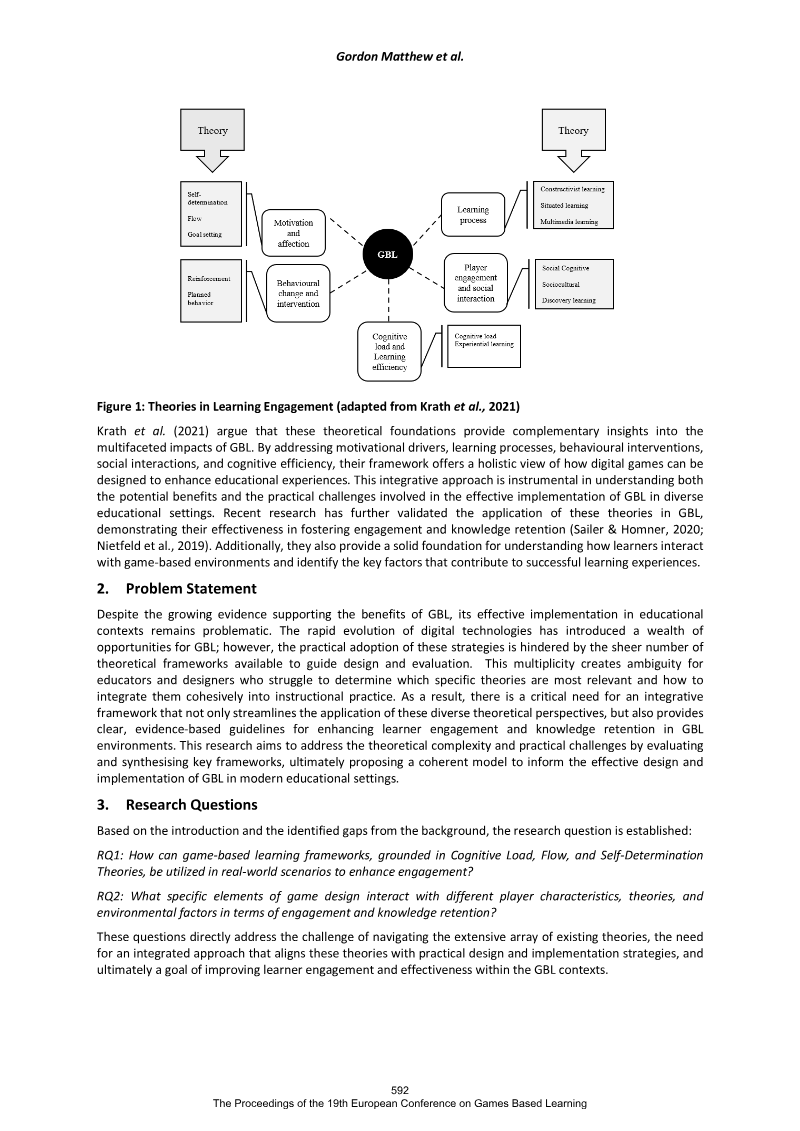
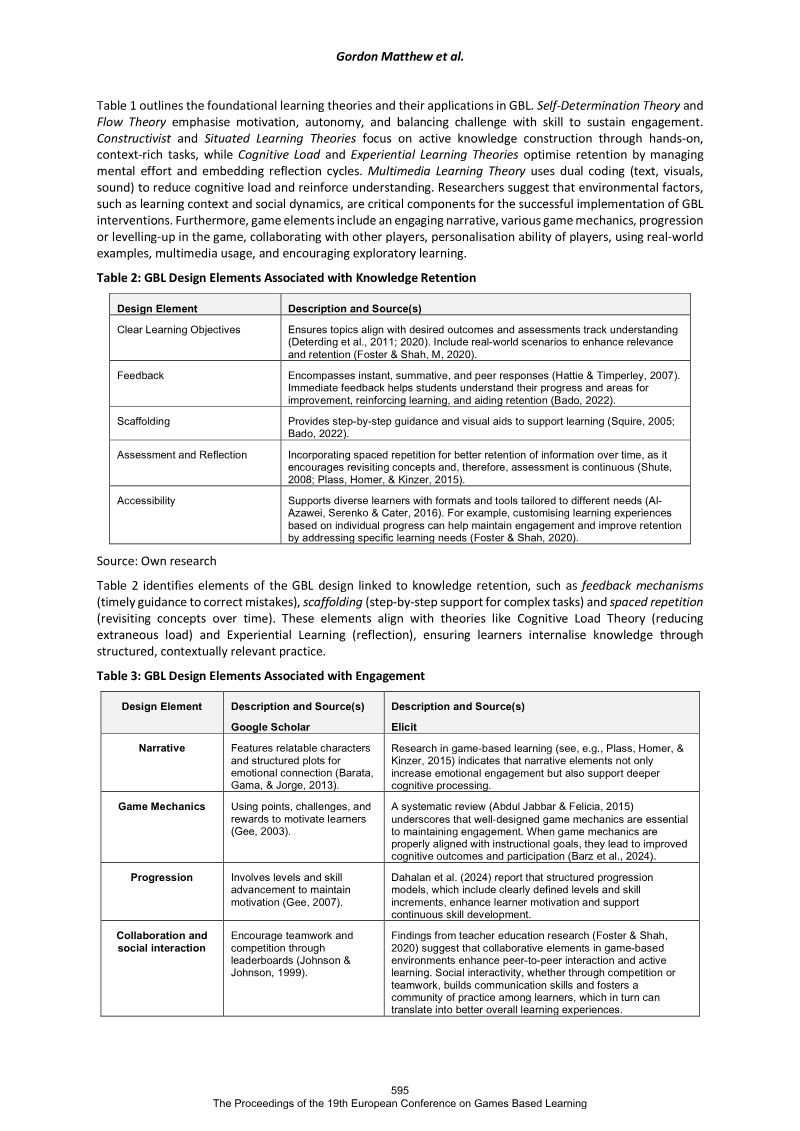
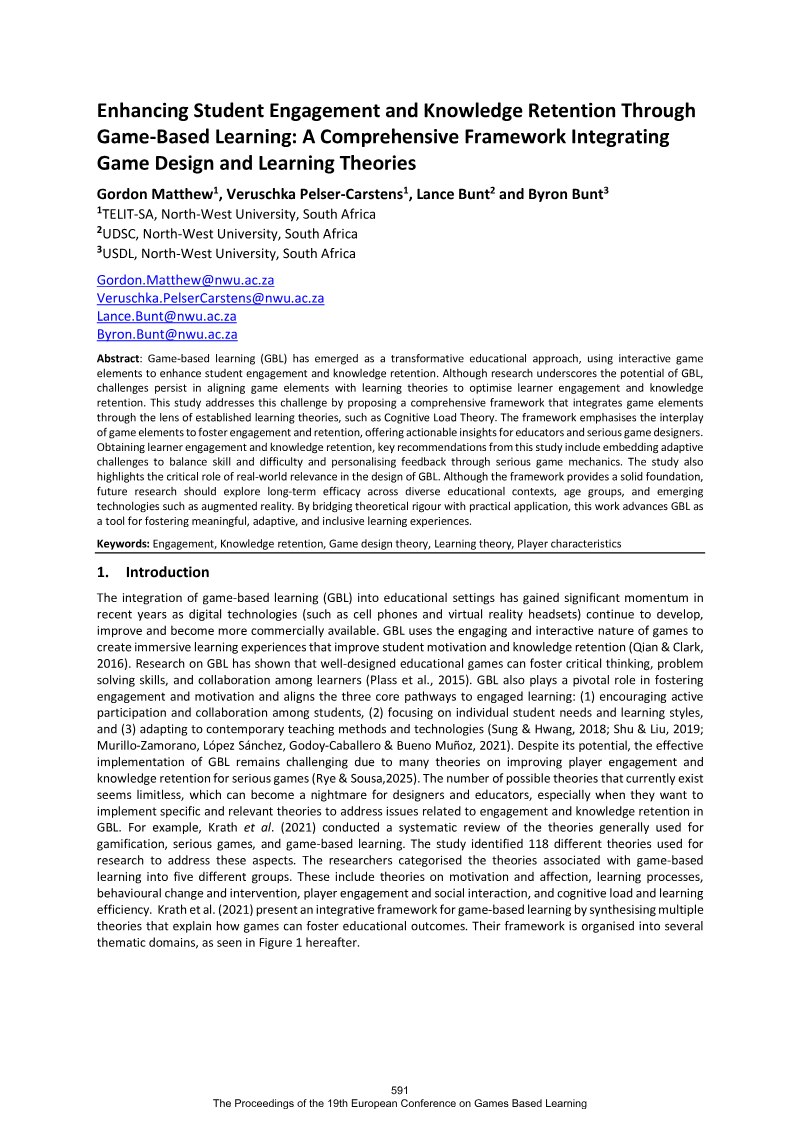
This study proposes an integrative framework for game-based learning (GBL) that aligns game design elements with established learning theories to enhance student engagement and knowledge retention.
- The study proposes an integrative framework linking game design elements to learning theories to boost student engagement and knowledge retention, grounded in a systematic review of literature from 2020–2025.
- Adaptive challenge that balances difficulty against player skill, personalised feedback, and real-world relevance are identified as the central levers for sustaining both engagement and retention.
- The review organises relevant theories into motivational (e.g., Self-Determination Theory, Flow Theory, Goal Setting Theory), learning-process (e.g., Constructivist and Situated Learning, Experiential and Discovery Learning), and cognitive-load (Cognitive Load Theory) categories.
From Curriculum to Gameplay: A Workshop Method for Educational Game Design
This paper presents a four-phase workshop method that helps educators, who often lack game development experience, move from a curriculum or learning goal to an initial educational game concept.
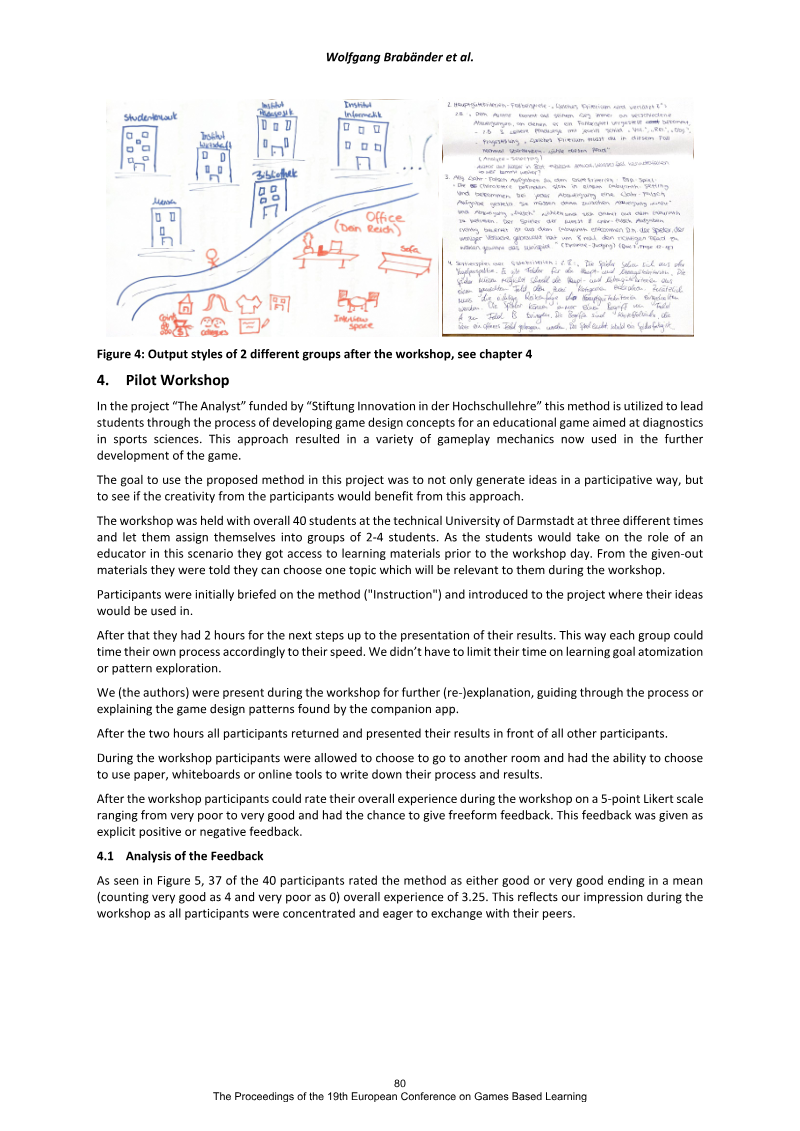
- The paper proposes a four-phase workshop method (instruction, learning goal atomization, pattern exploration, game conceptualization) to help educators without game development experience move from a curriculum to an initial educational game concept.
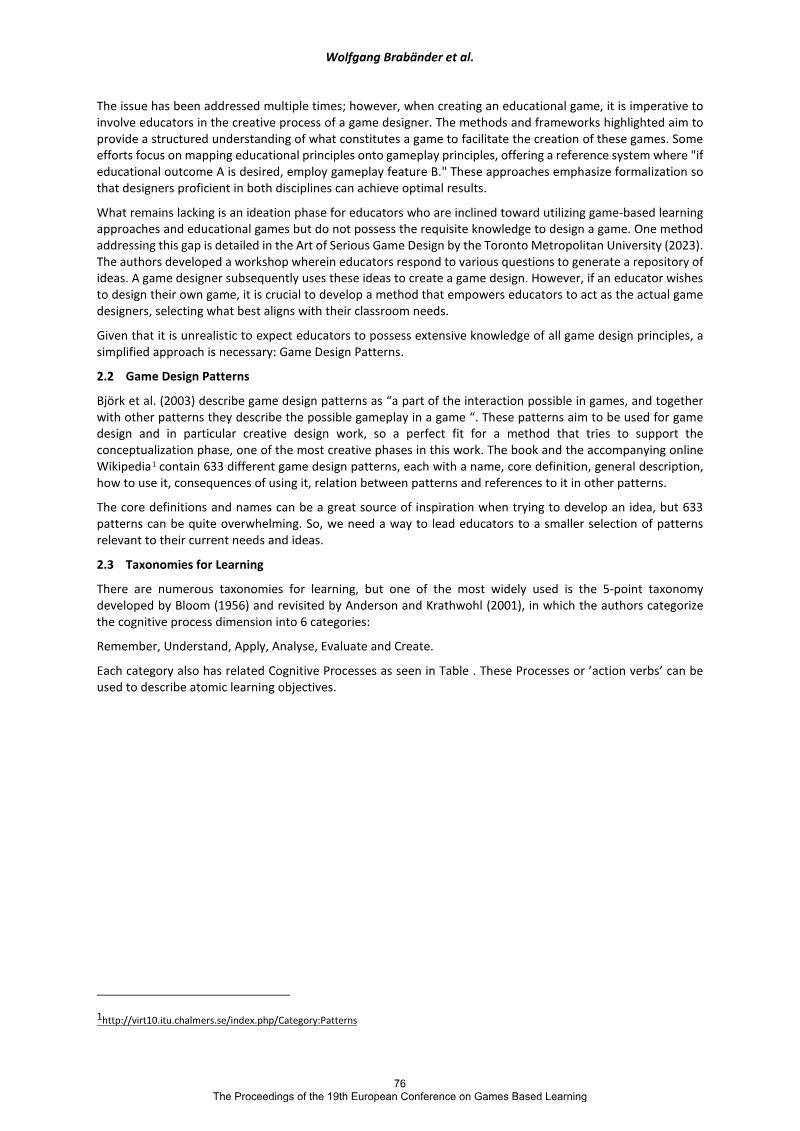
- The method links Anderson and Krathwohl's revised Bloom's taxonomy to Björk et al.'s catalogue of 633 game design patterns: learning goals are broken into atomic sub-goals tagged with cognitive action verbs, which are then mapped to suitable patterns via a lookup matrix.
- The authors argue that existing frameworks such as MDA, DPE, and The Art of Serious Game Design focus on evaluation or assume a finished concept, leaving the ideation phase underserved.
Bridging Theory and Practice: Evaluating a Game-Based VR Approach in Construction Education
This qualitative pilot study evaluates a game-based virtual reality tool designed to teach construction concepts to interior architecture students.
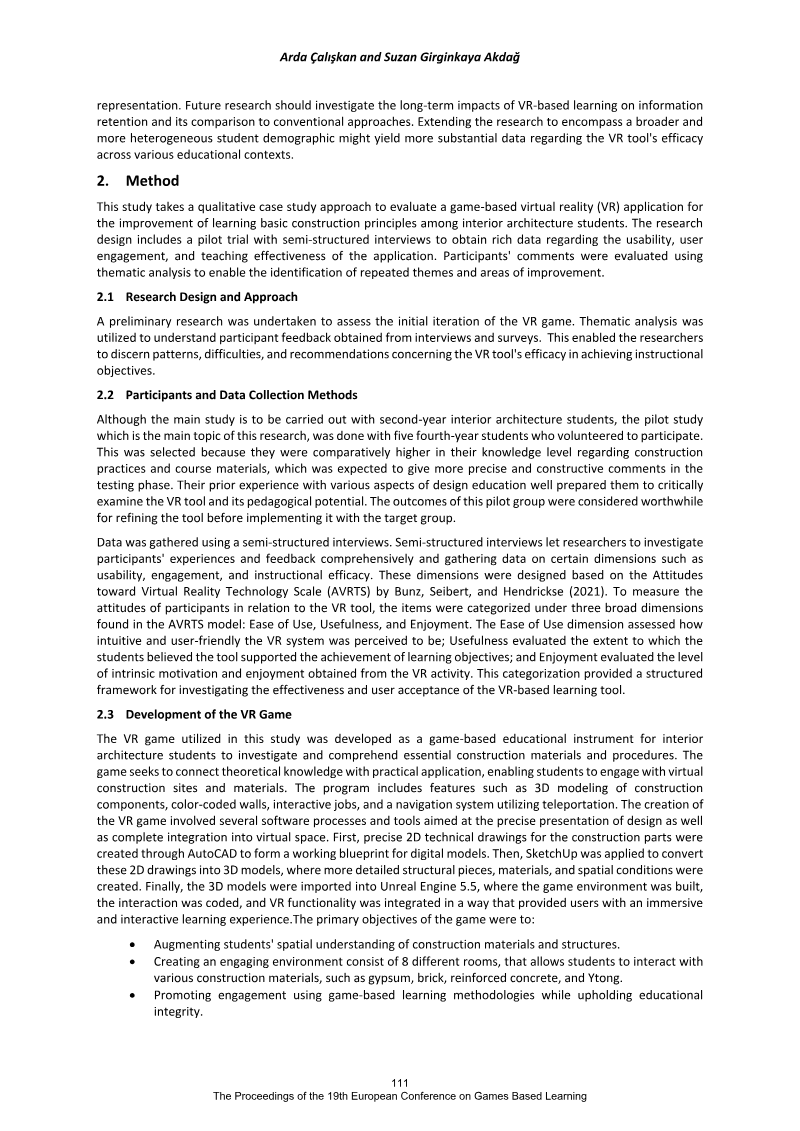
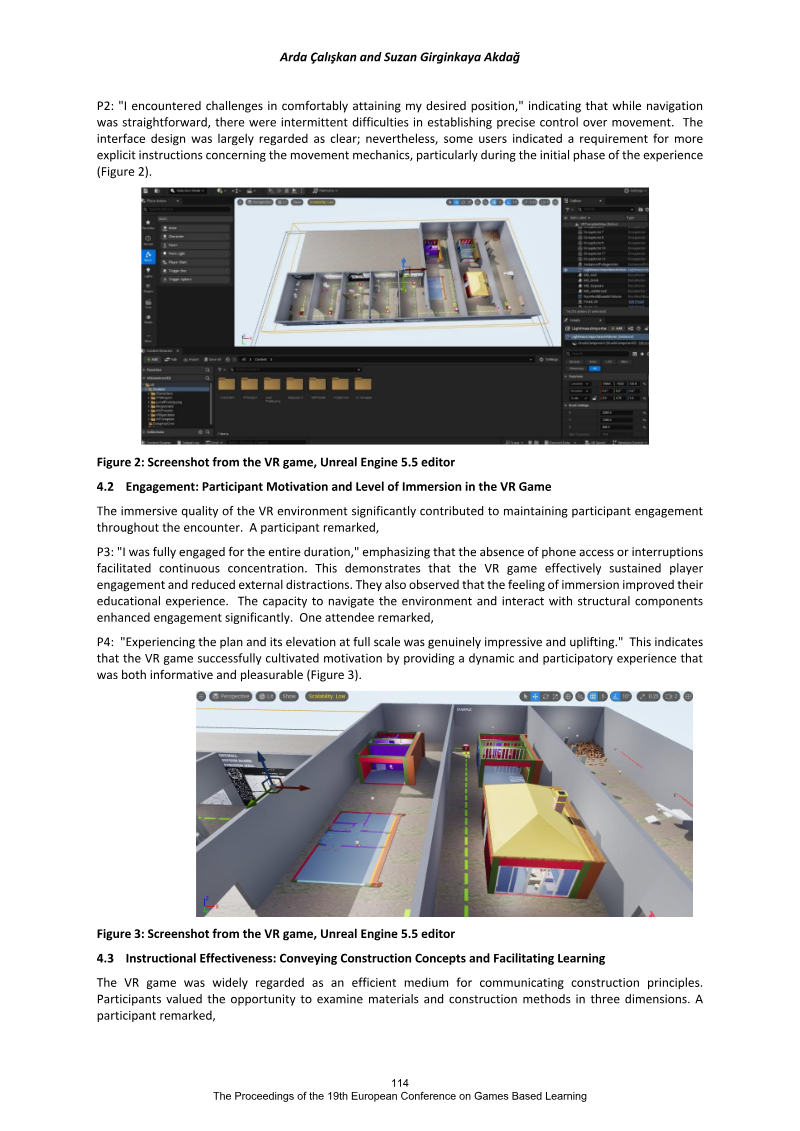
- The study is a qualitative pilot of a game-based VR tool for teaching construction concepts (materials such as gypsum, brick, and Ytong, plus construction sequences) to interior architecture students, built with AutoCAD, SketchUp, and Unreal Engine 5.5 across eight rooms.
- Evaluation rested on interviews and surveys from only five fourth-year students, analysed thematically through the AVRTS framework (ease of use, usefulness, enjoyment), so the findings are early usability insights rather than evidence of learning gains.
- Participants found the controls and teleportation navigation intuitive after brief familiarisation, and reported that VR conveyed spatial relationships and material properties more effectively than textbooks.
Enhancing Algorithmic Thinking Skills Through Phygital Games: The Case of Space Codyssey
The paper presents Space Codyssey, a phygital educational board game designed to develop algorithmic thinking in preschool and early primary children, roughly ages five to nine.
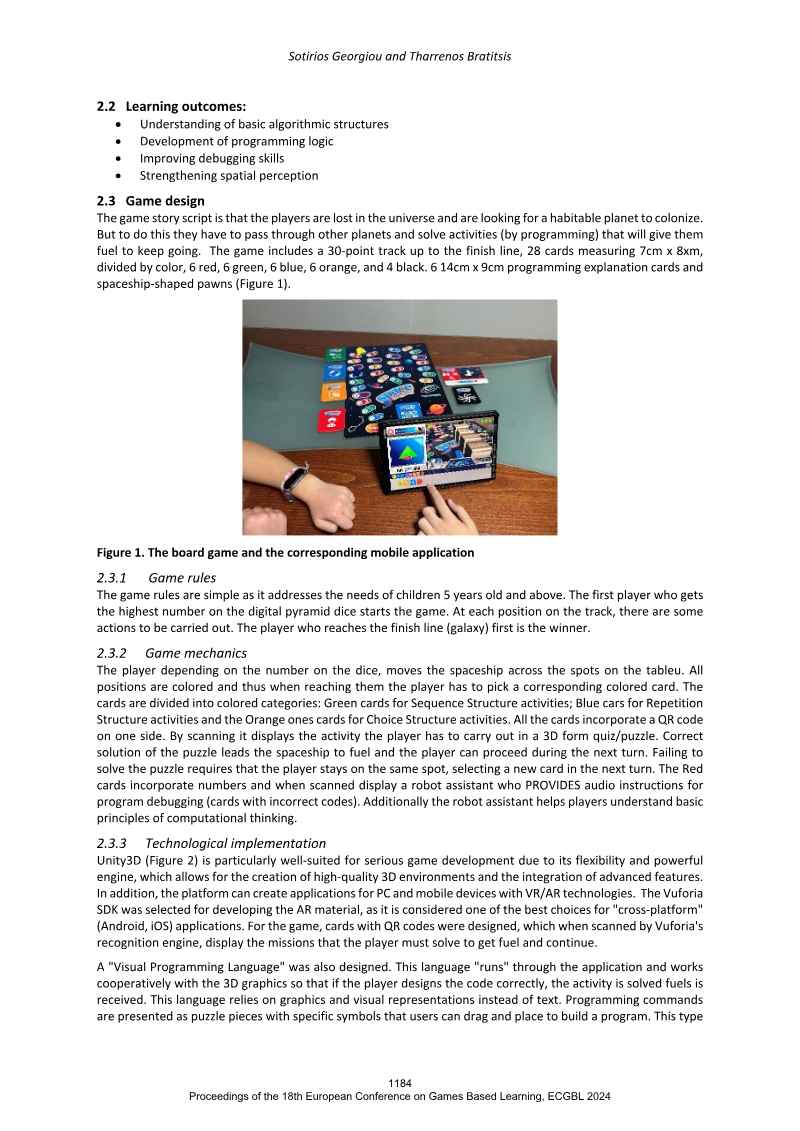
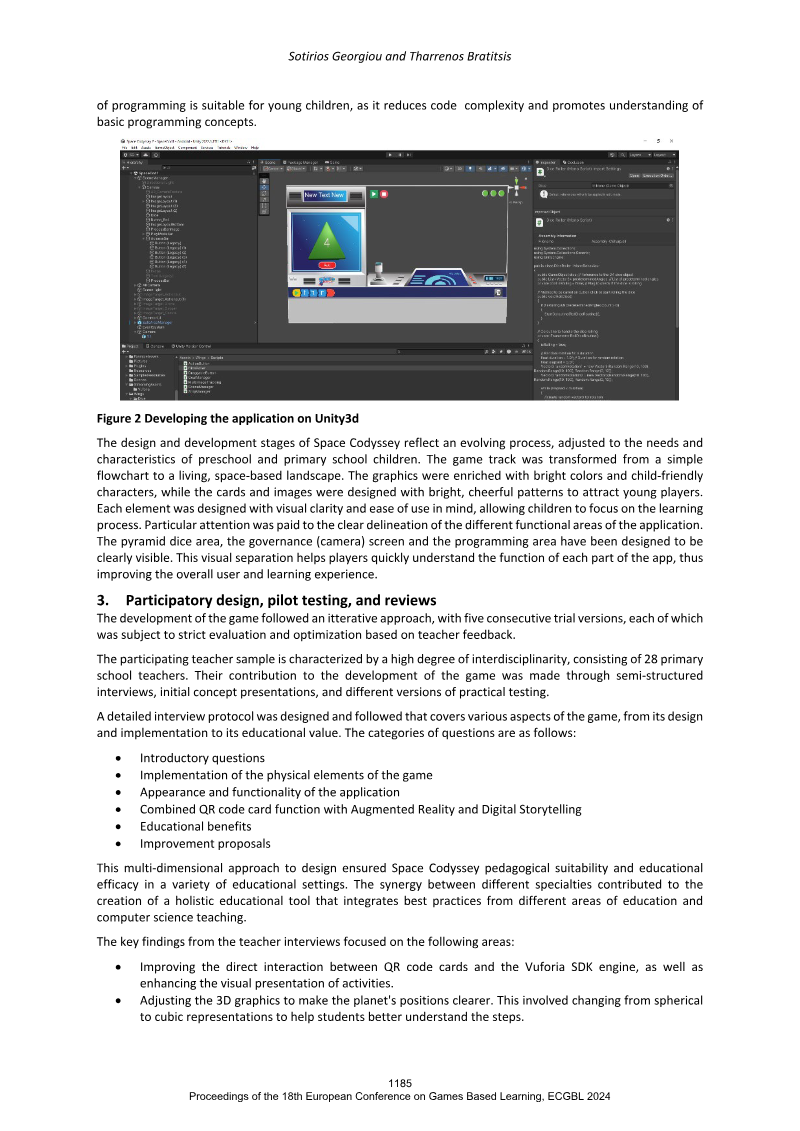
- Space Codyssey is a phygital board game for children aged roughly five to nine that combines physical components with Augmented Reality, scanned via QR-coded cards in a Unity3D/Vuforia app, to teach sequence, repetition, selection, and debugging.
- The game uses a symbolic, graphical Visual Programming Language so that pre-reading children can participate in learning algorithmic structures.
- Its design was shaped by a participatory, iterative process involving 28 primary school teachers and five successive trial versions, which produced changes such as cubic instead of spherical planet representations and dice limited to numbers up to four.