
European Conference on Games Based Learning (ECGBL)
Annual European conference on game-based learning and serious games; its proceedings are published open access (CC BY) by Academic Conferences International.
Documents
Needs Analysis to Define a Digital Learning Game Aimed at Coping with Mathematics Anxiety
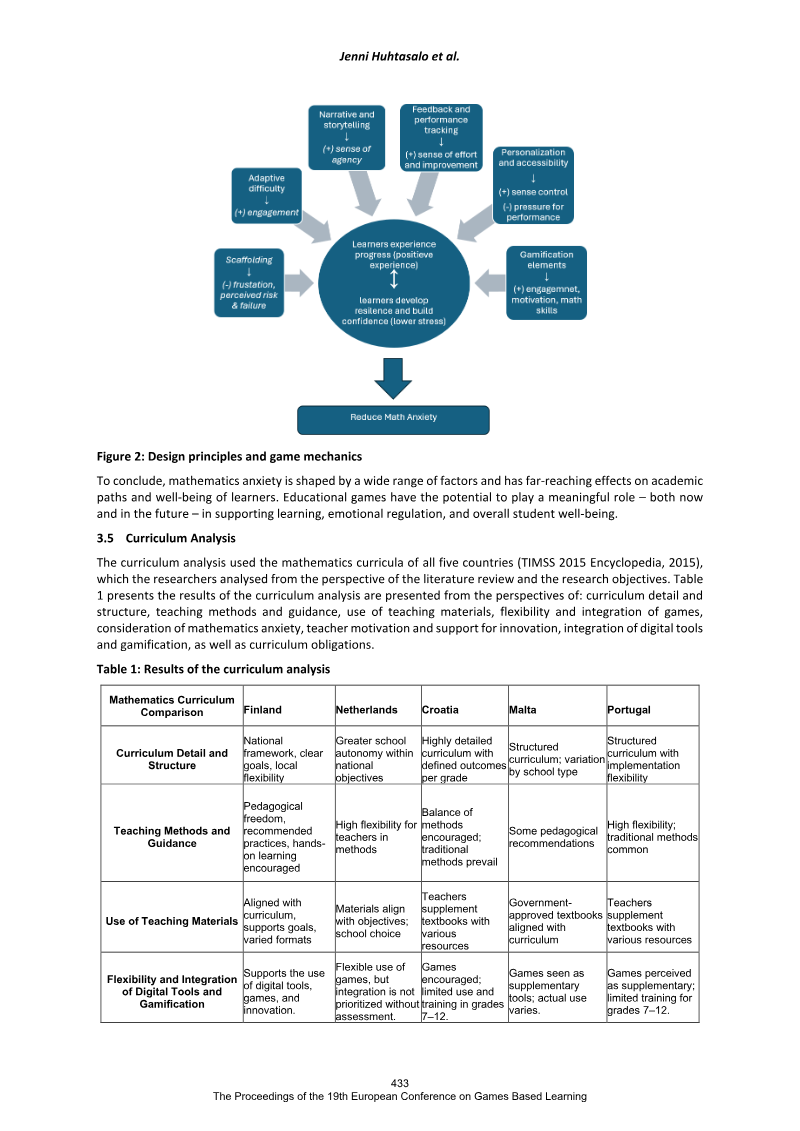
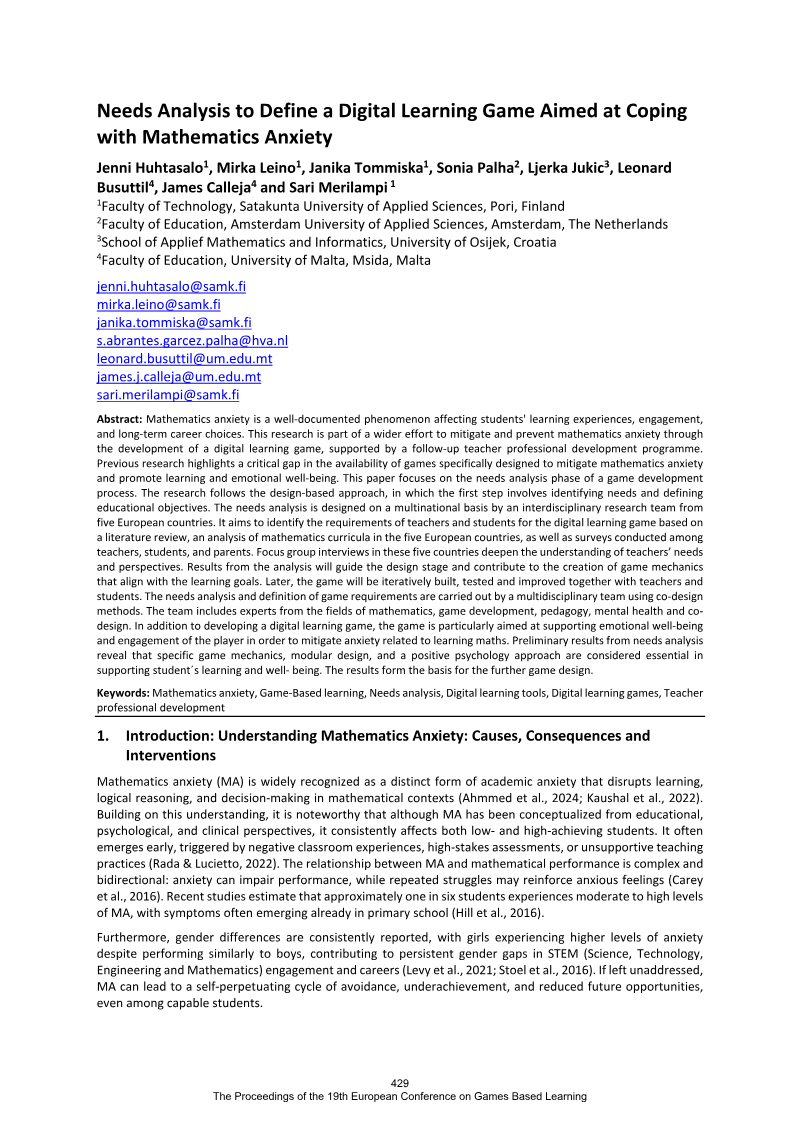
This document presents a design-based needs analysis intended to inform a digital learning game that helps children aged 5 to 16 cope with mathematics anxiety.
- Roughly one in six students experiences moderate to high mathematics anxiety, which can impair working memory and degrade performance.
- A 2025 meta-analysis found digital games have a negligible effect on math anxiety, versus a moderate effect for non-digital games, which the authors attribute mainly to few games explicitly designed to target anxiety and the predominance of single-player formats.
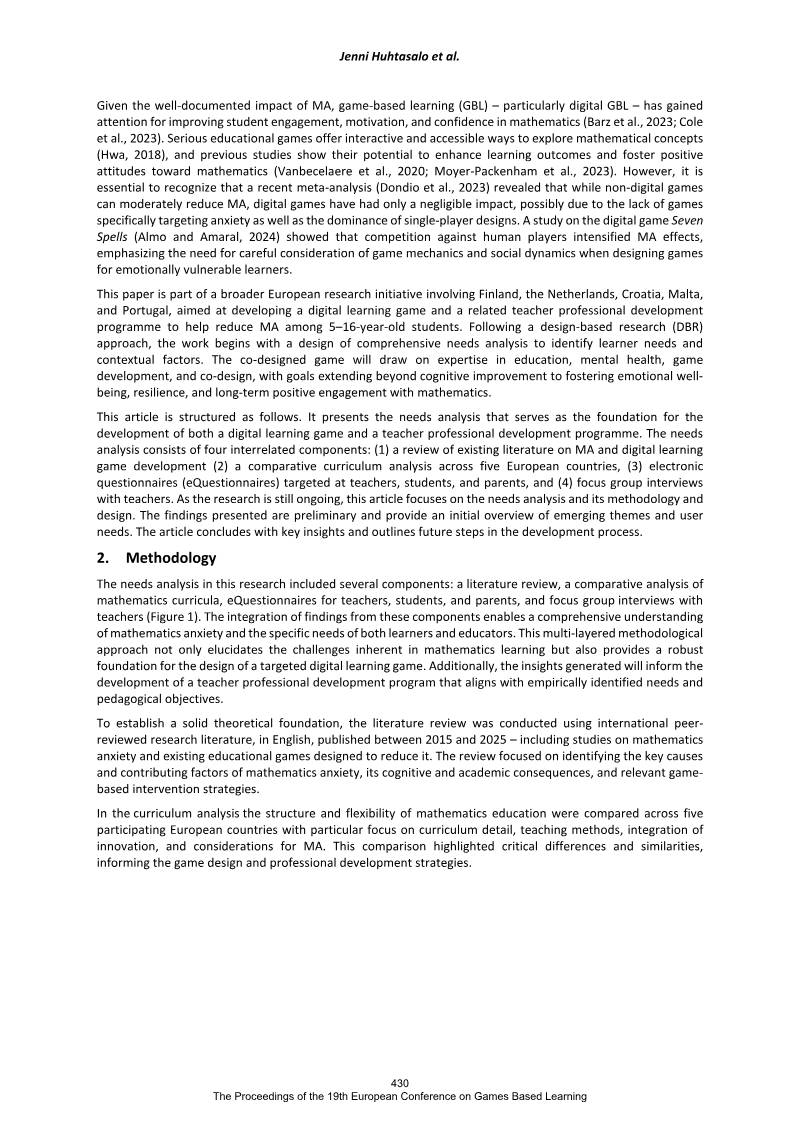
- A comparative curriculum analysis across five European countries found mathematics anxiety is rarely addressed explicitly in national frameworks, though digital tools and games are generally permitted, with integration varying by country.
Have You Ever Experienced Someone Else's Breakup in First Person?
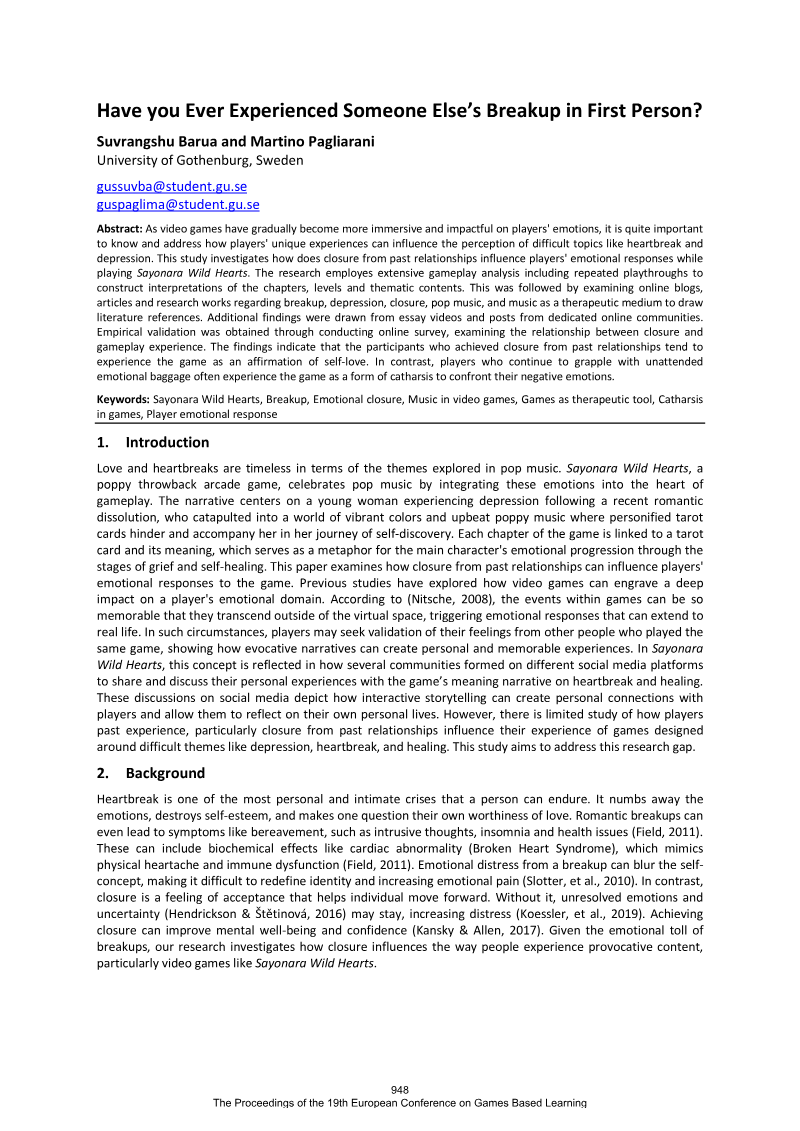
This study examines how a player's emotional closure from a past romantic relationship shapes their experience of Sayonara Wild Hearts, a pop-album arcade game centered on heartbreak, depression, and self-healing.
- Players who have achieved emotional closure from a past breakup tend to read Sayonara Wild Hearts as an affirmation of resilience and self-love, while players still burdened by unresolved feelings more often experience it as catharsis.
- In a survey of 70 self-selected online gaming community members, 57.1% of respondents with a breakup history described the game as cathartic, 21.4% reported connecting through gameplay or music, and 21.5% linked it to other life events.
- Respondents without a breakup history reported higher engagement with the game's gameplay and music (65%) than with personal associations (35%).
Beyond the Game: Identity, Ethics, and the Transformative Power of Role Play in Business Simulations
"Beyond the Game" examines whether role play within a gamified business simulation can do more than build engagement and applied skills, arguing that, when properly scaffolded through onboarding, feedback, and reflective debriefs, it can also cultivate ethical awareness and professional identity.
- The study argues that role play in a gamified business simulation, when scaffolded through onboarding, feedback, and reflective debriefs, can cultivate ethical awareness and professional identity, not just engagement and applied skills.
- The empirical core is a thematic analysis (Braun and Clarke's six-phase framework) of reflective narratives written by 20 MSc Business Analytics students who completed the SimVenture Evolution capstone simulation.
- Five interrelated themes emerged: experiential anchoring, motivational engagement, cognitive regulation, ethical awareness, and identity formation.
Analogue Games and Digital Literacy: The NetSmart Case Study with Older People
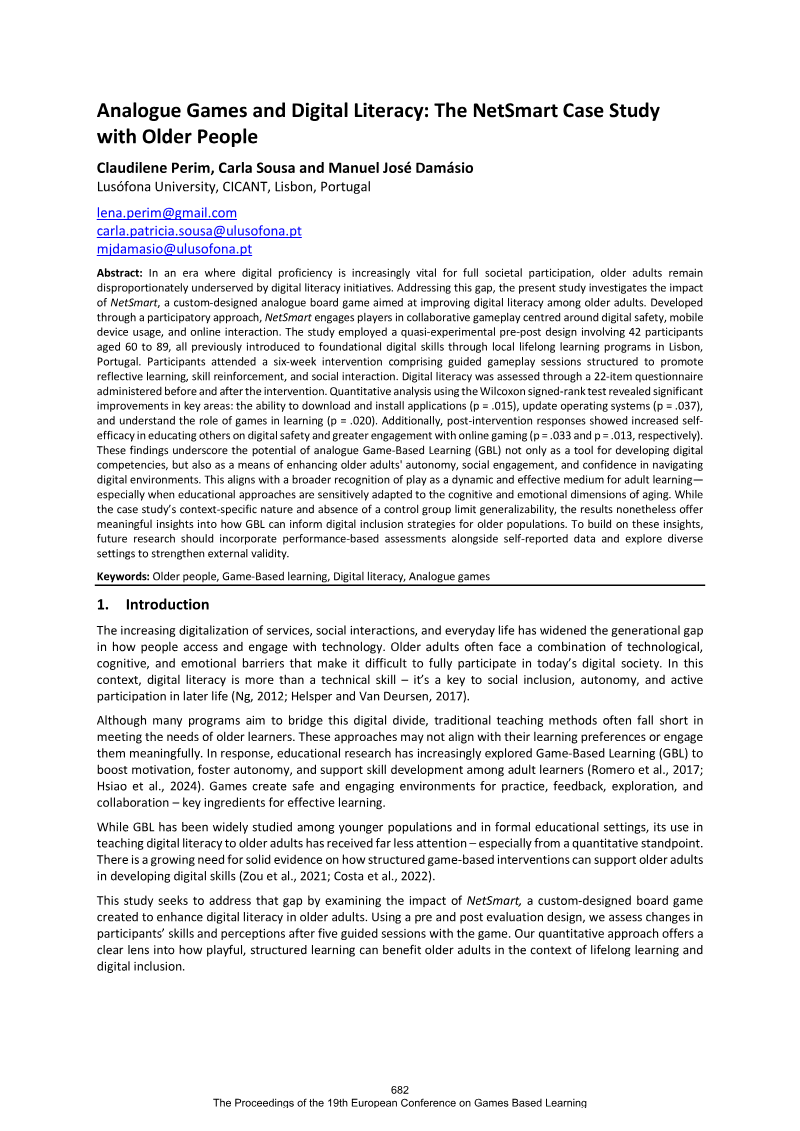
This study examines whether NetSmart, a custom-designed analogue board game, can improve digital literacy among older adults in Lisbon, Portugal.
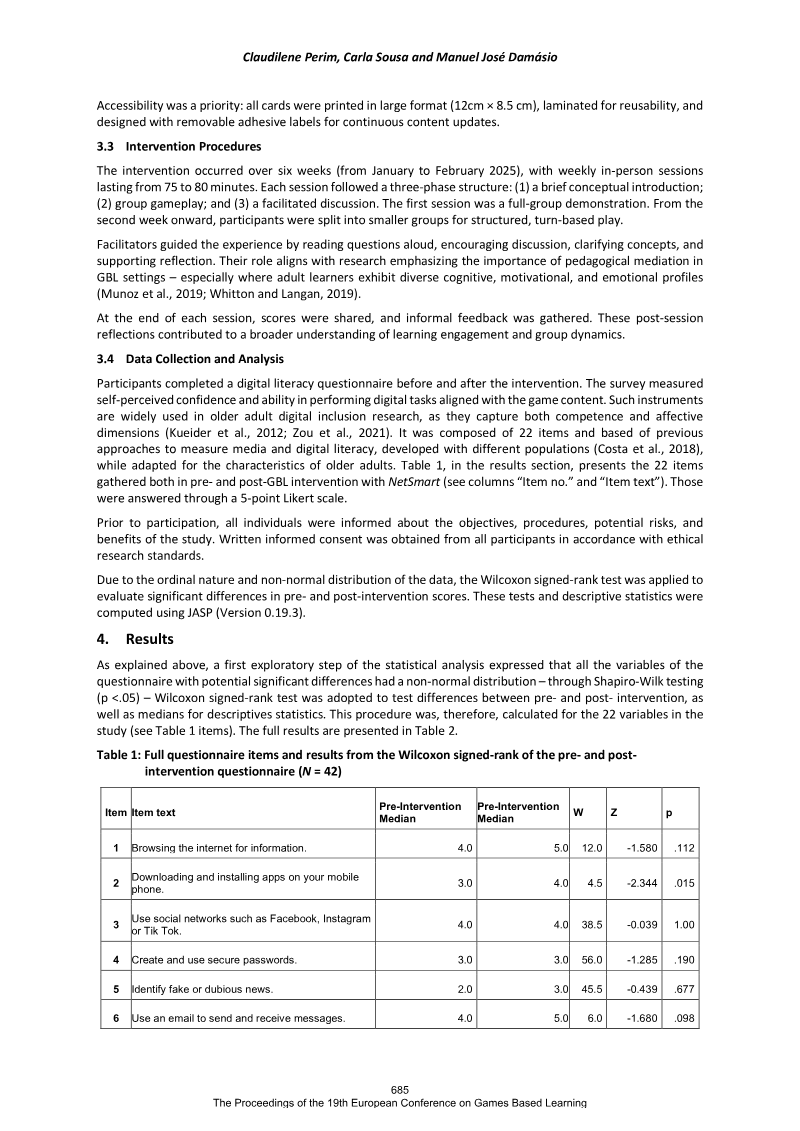
- A custom analogue board game called NetSmart, covering scam identification, password security, privacy settings, and app use, was tested with 42 older adults aged 60 to 89 in Lisbon over six weekly facilitated sessions using a pre-post questionnaire of 22 items.
- Participants showed statistically significant self-perceived gains in downloading and installing mobile apps (p = .015), updating apps and operating systems (p = .037), and using games as a learning tool (p = .020).
- Confidence in educating friends and family about online safety (p = .033) and in playing online games (p = .013) also increased significantly after the intervention.
SOL977: Ingenious Revival, a Martian Simulation Game for STEM Engagement and Space Education
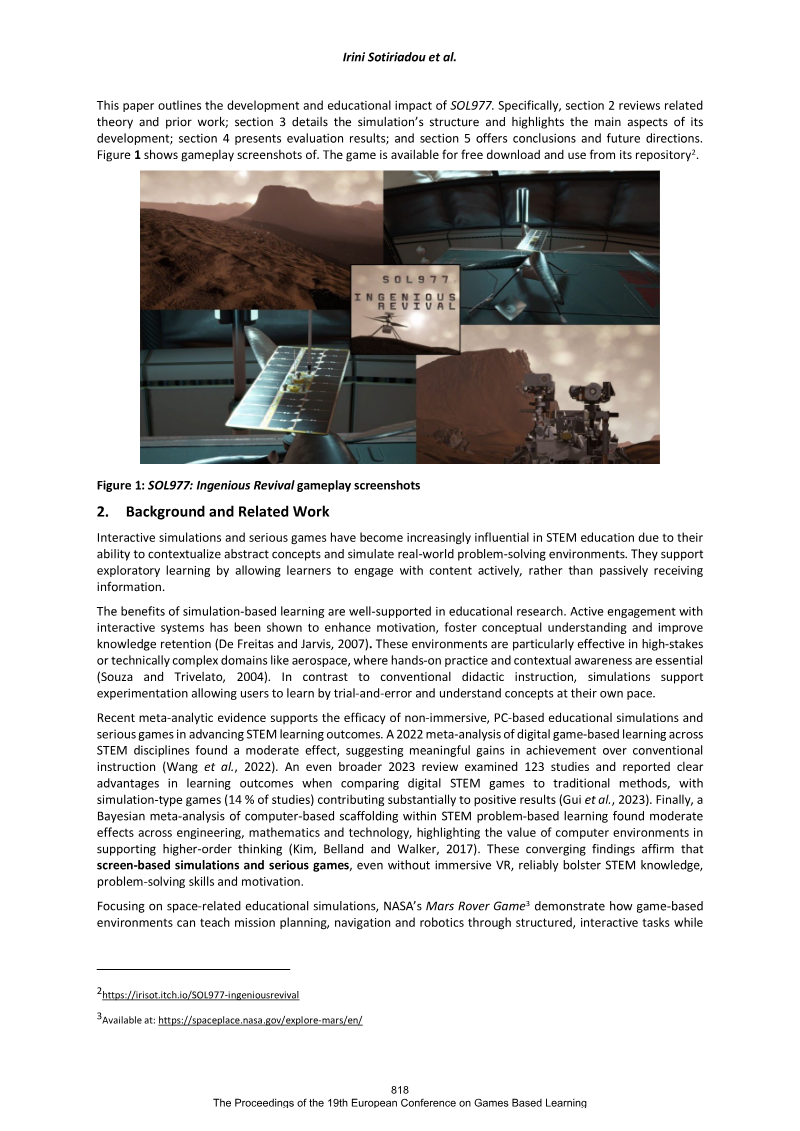
The paper presents SOL977: Ingenious Revival, a simulation-based game built in Unity and Blender that places players in the role of a field technician tasked with replacing a damaged rotor blade on NASA's Ingenuity Mars helicopter, a scenario inspired by the rotor damage the vehicle sustained in January 2024.
- SOL977: Ingenious Revival is a Unity- and Blender-built simulation in which players act as field technicians replacing a damaged rotor blade on NASA's Ingenuity Mars helicopter, a scenario inspired by the rotor damage the vehicle sustained in January 2024.
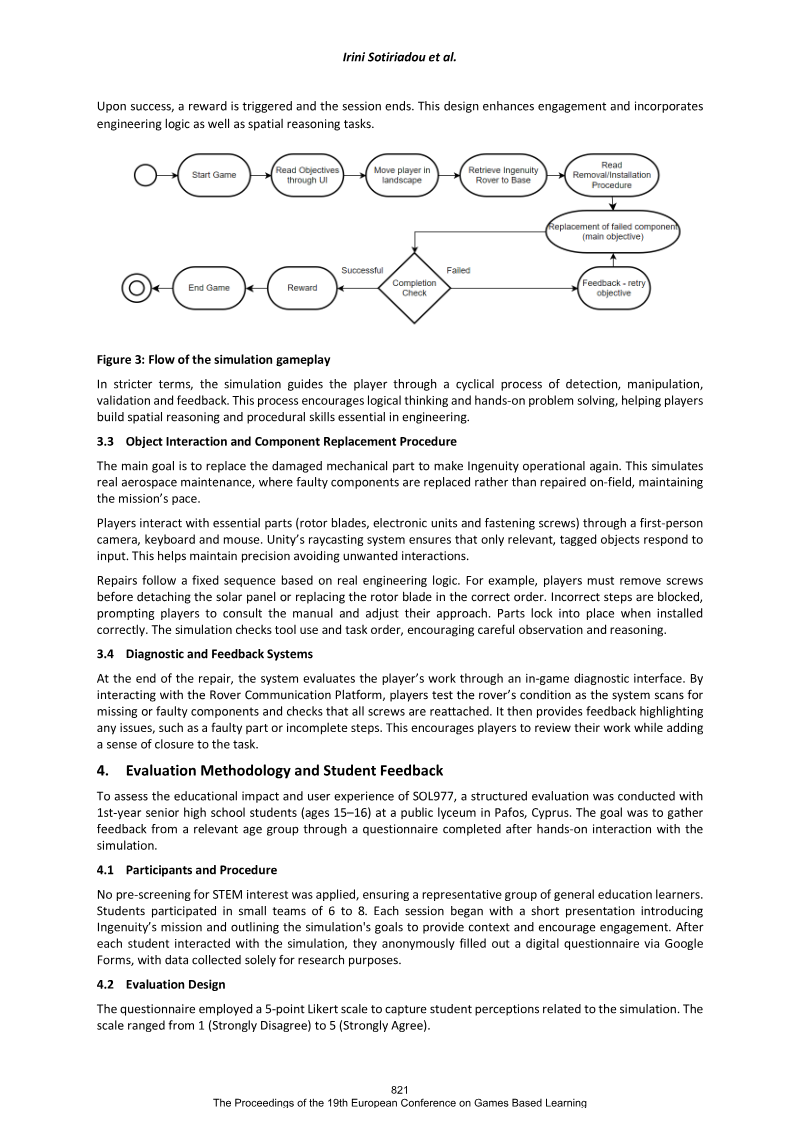
- The game uses high-resolution Digital Terrain Models of Mars and scanned models of Mars-origin meteorites, and requires players to follow authentic repair procedures in a fixed order with correct tools and trial-and-error feedback.
- The design is grounded in situated cognition, cognitive apprenticeship, problem-based learning and experiential learning theory, with the authors arguing that realistic workflows can bridge theoretical STEM knowledge and hands-on practice.
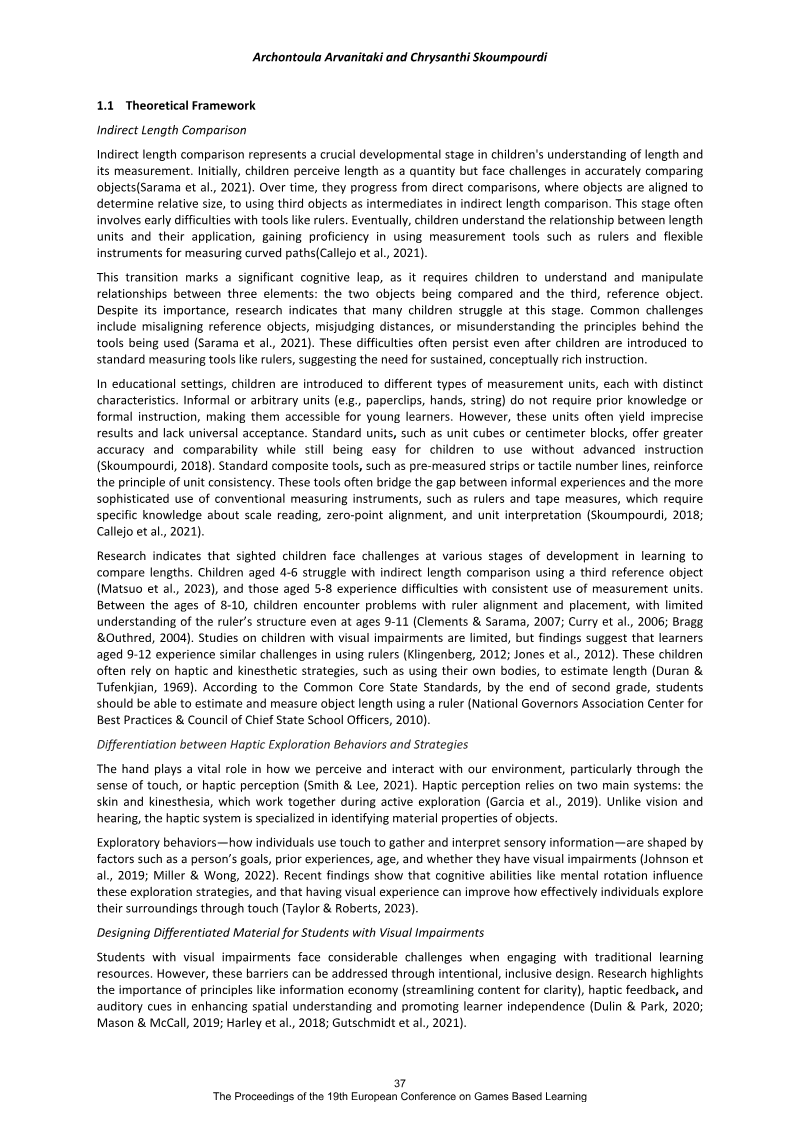
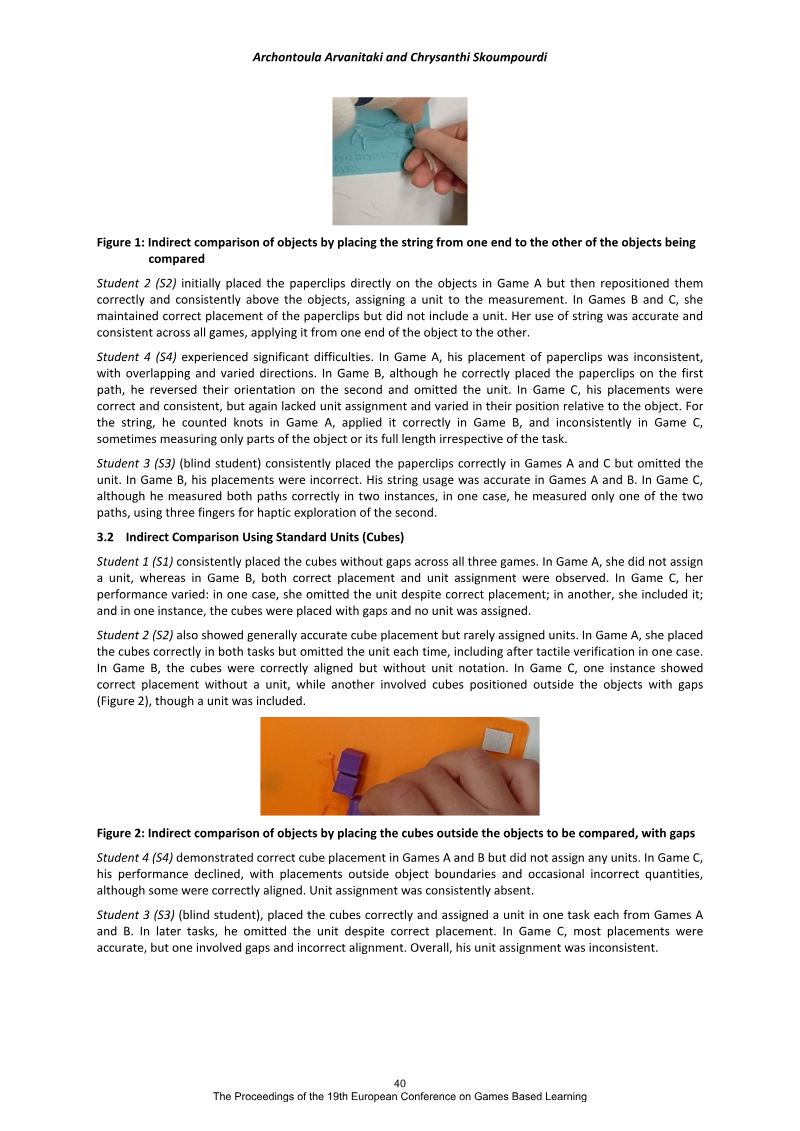
Educational Games for Indirect Length Comparison in Sighted and Blind Students
This study examines how three purpose-built educational games support the development of indirect length comparison skills among a mixed group of sighted and blind primary students in Thessaloniki, Greece.
- The study is small: four fifth-grade students in Thessaloniki (three sighted, one blind), with qualitative video-based observation of their hands, so its conclusions about generalizability are limited.
- Students, both sighted and blind, clearly preferred Game C, which combined audio instructions via NFC-tagged cards, cooperative peer verification, and textured paths; the authors attribute this to novelty, auditory instruction, and peer validation, though its length and surplus features may have hindered gameplay flow.
- With arbitrary units, most students aligned units without gaps or overlaps and placed string end to end, but several showed inconsistent directional placement and omitted unit assignment.
Rewriting History: How Digital Games Are Revolutionising NSW Secondary History Classrooms
Digital games are increasingly present in New South Wales secondary History classrooms, but their adoption is constrained by unequal access, limited teacher preparation, and an uncertain policy stance.
- Digital games are already widespread in NSW secondary History classrooms: every one of the 18 surveyed History and Geography teachers had used them at some point, with Kahoot!, Blooket, and Minecraft among the platforms named.
- The main barriers to adoption are structural rather than motivational, with device access, especially inequity under bring-your-own-device (BYOD) arrangements, cited most often, followed by insufficient professional development and low teacher confidence.
- Most respondents did not see student interest as a barrier, suggesting the challenge lies in provision and support rather than learner reception.
CiteSaga: Lessons Learned in Serious Game Development for Academic Integrity Education
CiteSaga is a serious game designed to teach academic integrity, specifically citation practice, to higher education students.
- CiteSaga is a serious game teaching citation practice and academic integrity to higher education students, developed at North-West University in South Africa from 2023, and designed as a resource-conscious intervention for large, multilingual cohorts with uneven infrastructure and varied digital access.
- The authors frame the project as a response to student disengagement, since learners often see citation as an arbitrary compliance burden rather than a meaningful scholarly practice.
- Key analogue-phase findings: embedding citation tasks directly into gameplay mechanics works, a low-tech format supports equitable access, and structured debriefing is needed so in-game learning transfers to students' academic writing.
Augmenting Spatial Learning and Problem-Solving in Game-Based Education Through Virtual Environments
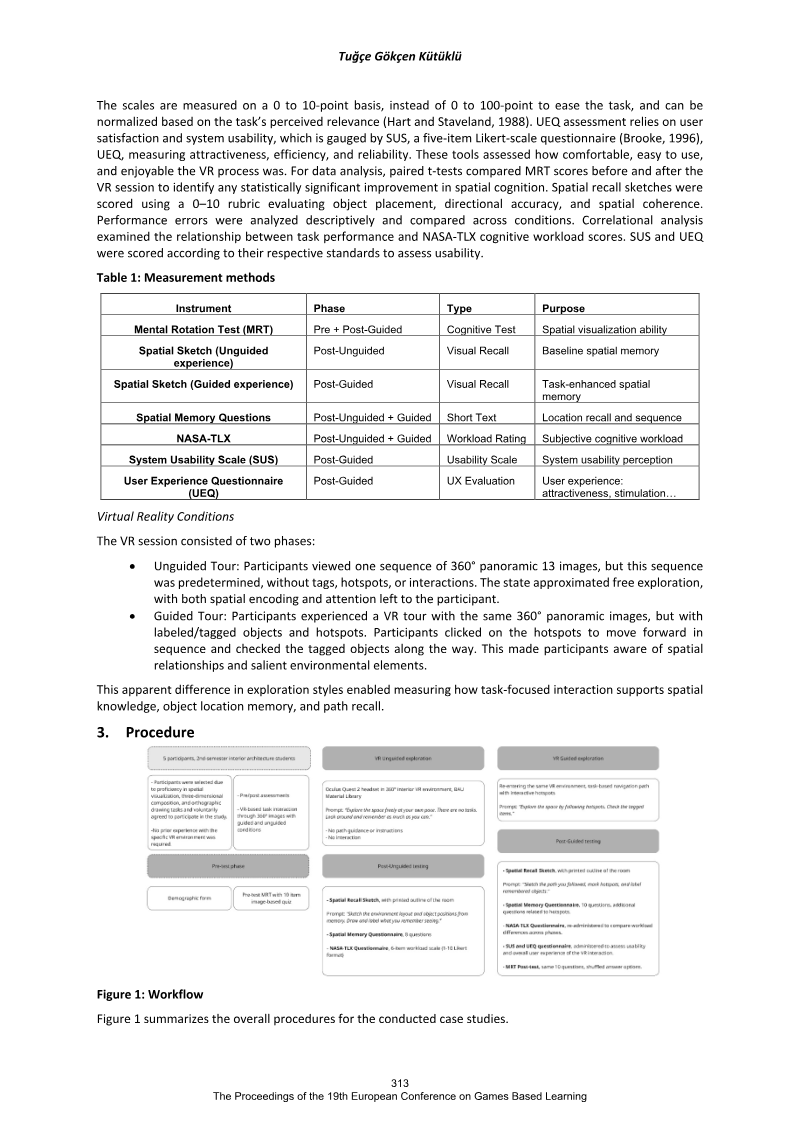
This study investigates whether task-based interaction in 360° virtual reality environments can enhance spatial cognition and problem-solving among learners in game-based education.
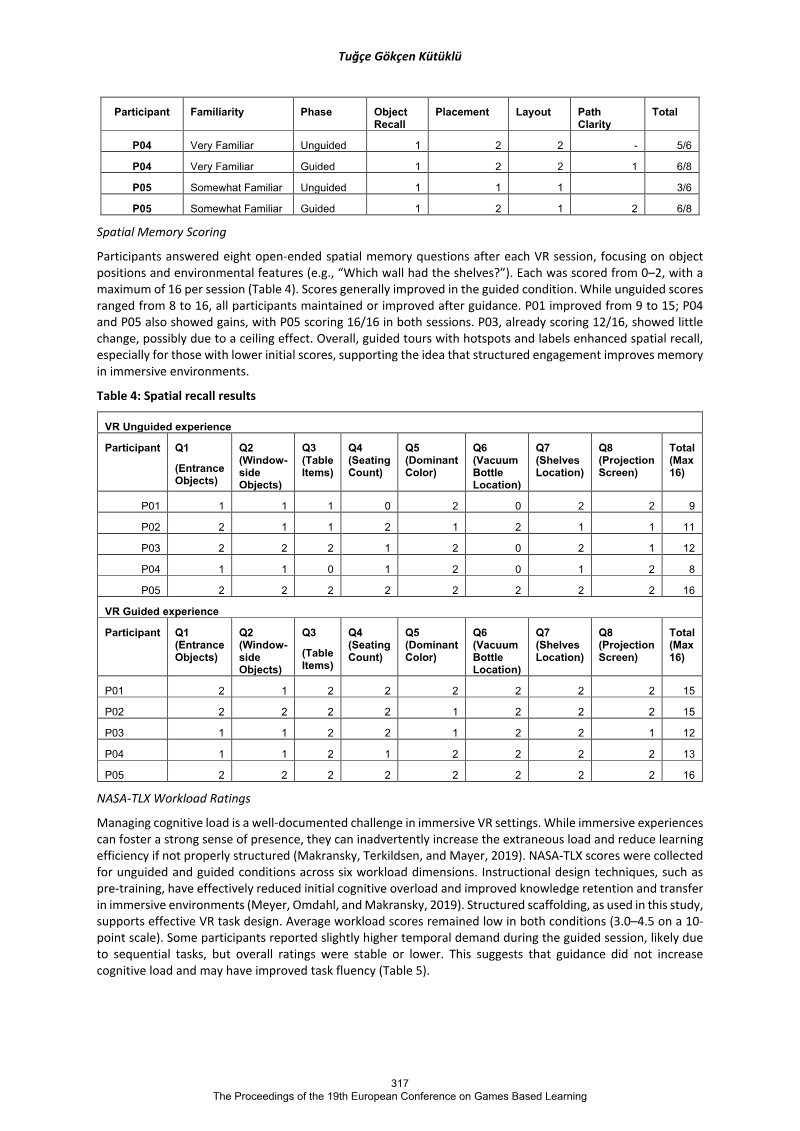
- Guided, goal-driven 360° VR tours with labeled hotspots improved spatial recall, sketch accuracy, and memory for object locations compared with unguided exploration, with the largest gains among less-familiar users.
- The study's central claim is that the design of task-based interaction, not immersion alone, drives educational benefit, consistent with broader literature showing immersion can raise presence and enjoyment without necessarily improving learning outcomes.
- Mental rotation performance was already near ceiling (pre-test mean 9.6, post-test 10.0) and showed no statistically significant change, indicating limited room for improvement on that measure in this population.
Creating the Foundation for a Virtual Game-Based Learning Lab to Stimulate Distance Education
The paper argues for building a virtual game-based learning lab to support distance education, filling a gap where physical campuses have board game collections but online courses lack digital equivalents aligned to academic subjects.
- The paper proposes a virtual game-based learning lab to fill a gap where physical campuses have board game collections but online courses lack digital equivalents aligned to academic subjects.
- Its central requirement is user-friendly access to both commercial-quality games and educational games tailored to course content, with licensing of commercial games and usability identified as the primary concerns.
- The work is framed as the first phases of a design science project (problem explication and requirements definition) and does not involve empirical testing of the lab itself, with conclusions explicitly described as provisional.
Megagames as a Methodology to Foster Learning in Higher Education
This study examines whether megagames, large-scale collaborative games blending role-playing and board game elements, can foster learning about global issues in higher education.
- A four-hour megagame called "Age of Intelligence" on AI and ethics was piloted with 30 participants (students, faculty, and professionals) at a Dutch university of applied sciences, with 28 completing open questionnaires analysed qualitatively.
- Players experienced immersion, collaboration, negotiation, and multiple perspectives, describing complexity as both overwhelming and energizing, though they also struggled with rules, workload, and the open-ended structure.
- Most participants reported learning something about AI and ethics, but none reported learning a great deal, and self-reported ability to describe specific ethical issues varied widely by topic, with privacy, data governance, and the environment most often marked as known or newly learned.
When the Coyotes Slept, They Could See Stars, Liquor and Smoke: Creativity, Engagement, and Play in Recombinatory Writing Games
This study examines how recombinatory writing games affect creativity, engagement, and play among upper-secondary students, drawing on a mixed-method investigation of 100 Norwegian students.
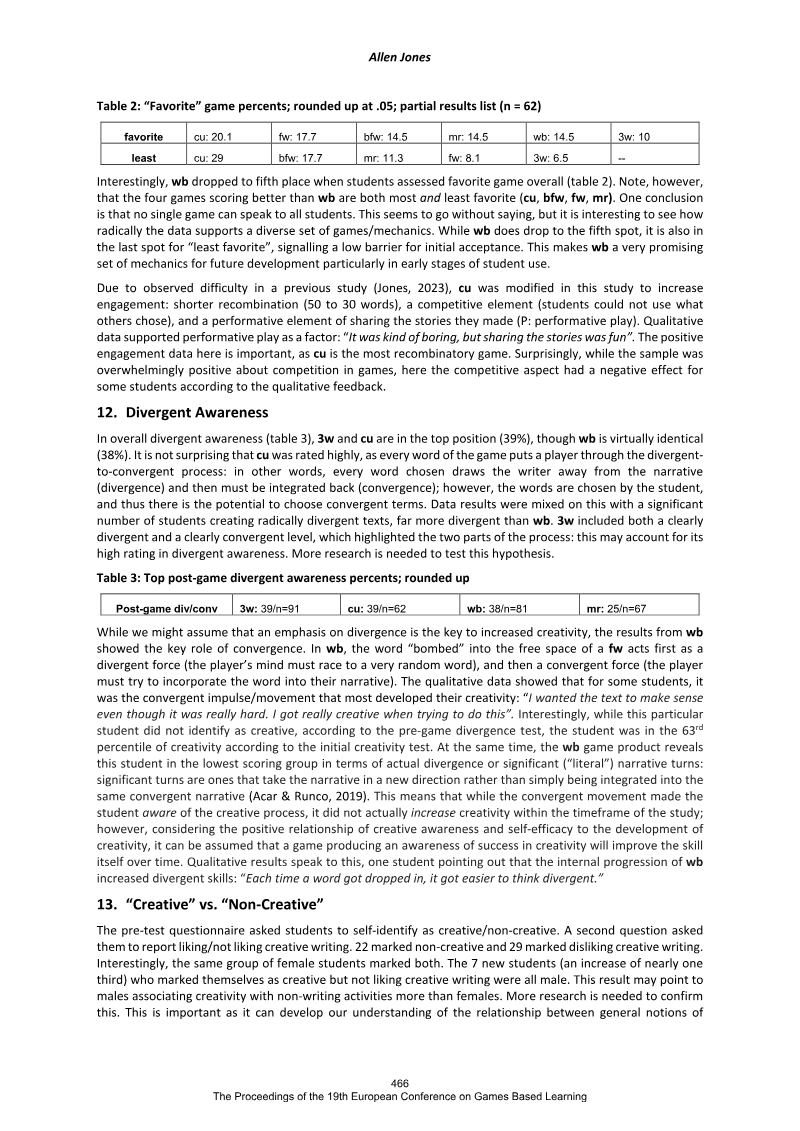
- Freewriting was the most engaging activity overall but scored low on divergence and play, while more recombinatory games raised divergent awareness for most participants, revealing a tension between engagement and creative output.
- The cut-up story, the most recombinatory format, was rated both highly creative and highly engaging, though engagement dropped among students who self-identified as less creative.
- Divergent awareness peaked at 39 percent for the 3w and cu games, with the word-bank game 'wb' close behind at 38 percent, and the author attributes an important role to convergence in developing creativity.