User Acquisition reports and market data
Documents
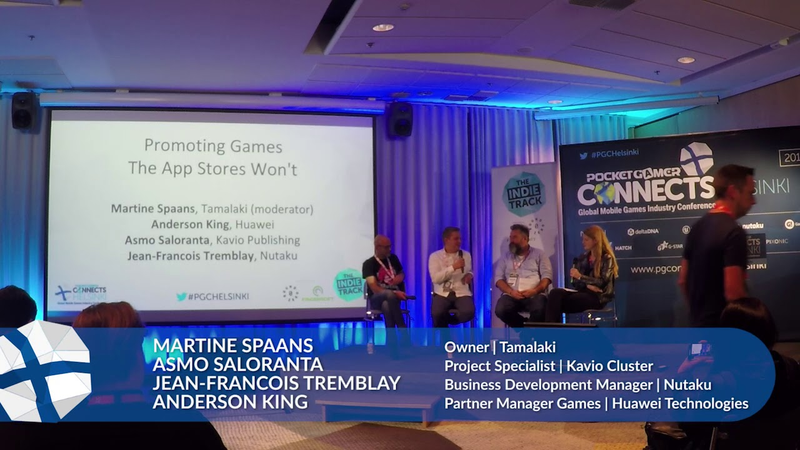
Promoting games the app stores won't
The mobile gaming industry is currently undergoing a significant shift as developers grapple with the extreme saturation and limited discoverability inherent in the dominant Apple and Google Play ecosystems.
- Mobile developers are shifting toward a fragmented distribution model to bypass the extreme saturation and limited discoverability inherent in the Apple and Google Play ecosystems.
- Studios are increasingly utilizing alternative channels, such as manufacturer-specific stores and niche platforms, to reach specific demographics like eSports enthusiasts and younger audiences.
- To mitigate platform dependency, developers are adopting proactive strategies including direct relationships with store operators, pre-installation models, and cloud gaming.
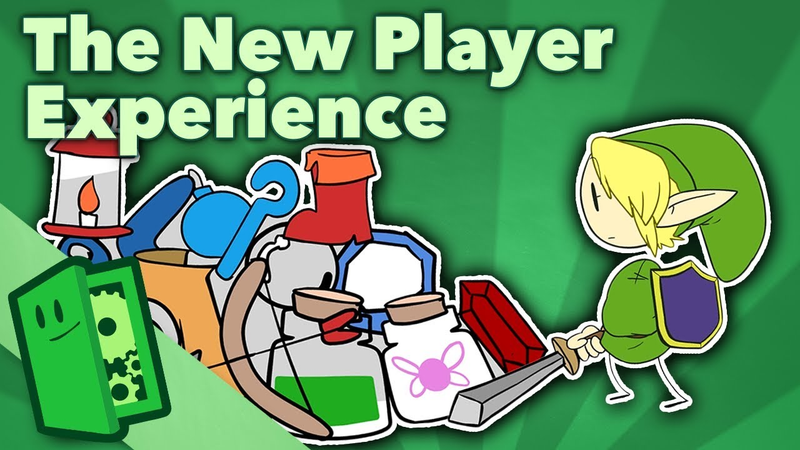
The New Player Experience - Hooks, Tutorials, Rewards - Extra Credits
A successful new player experience is defined by three essential components: the hook, the tutorial, and the reward.
- The first ten minutes of gameplay are the critical window for establishing interest, teaching core mechanics, and securing player retention.
- A successful new player experience relies on the integration of three core components: the hook, the tutorial, and the reward.
- Hooks must capture attention immediately through mechanical engagement, narrative context, or high-quality visual aesthetics.
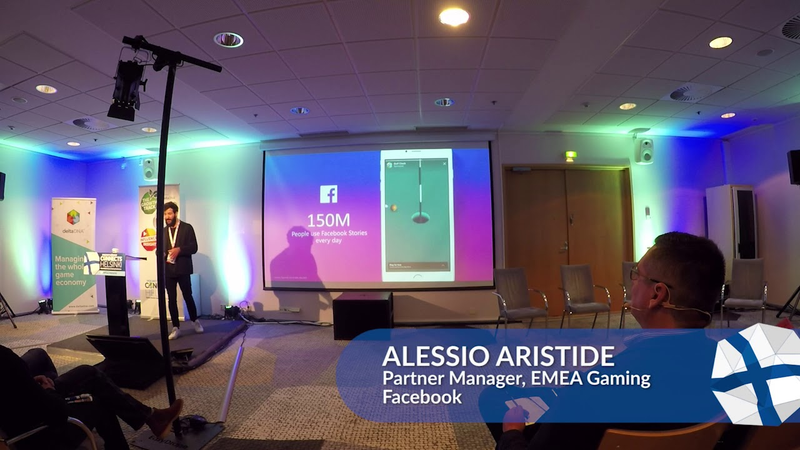
Facebook marketing 101 - Boost your revenues with high-value users
The gaming industry faces significant challenges in user acquisition, as average day-seven retention rates hover between 10% and 12%, while day-30 retention drops to 4% to 5%.
- Gaming industry retention rates are low, with day-seven retention at 10%–12% and day-30 retention falling to 4%–5%.
- Value optimization with minimum ROAS bidding allows developers to automate ad delivery to meet specific revenue targets rather than focusing on simple click-based metrics.
- Playable ads improve engagement by offering a full-screen, interactive game demo within the newsfeed, allowing users to experience gameplay before downloading the app.
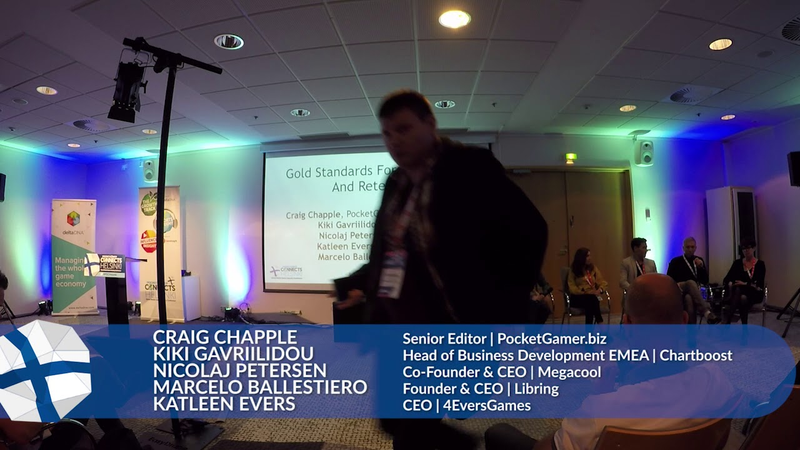
Gold standards for acquisition and retention
The mobile gaming industry faces a challenging landscape characterized by market saturation and rising user acquisition costs.
- Retention is the primary driver of profitability, as high user acquisition costs make business models reliant on high churn rates unsustainable.
- Users acquired through peer-to-peer recommendations exhibit 60% higher retention rates on the 14th day and generate double the revenue compared to those from paid channels.
- Deceptive advertising must be avoided, as misleading creative assets lead to poor retention and negative app store reviews that permanently damage long-term growth.

How to promote your games in the ever-changing Chinese market
The Chinese mobile gaming market represents a massive, high-growth landscape characterized by unique regulatory, cultural, and technical complexities.
- The Chinese mobile market is massive, reaching 788 million mobile users in 2018, with iOS users significantly outspending Android users in average in-app purchases despite Android holding an 87% market share.
- Navigating the Chinese Android ecosystem is complex, requiring distribution across third-party stores like Tencent's My Apps and 360, as well as mobile manufacturer stores such as Huawei, Xiaomi, Oppo, and Vivo.
- Western App Store Optimization (ASO) tools are ineffective for the Chinese market; developers should partner with local experts to handle localization and secure the full certifications necessary to increase the chances of being featured.

How offline advertising can boost your mobile and digital acquisition performance
Offline advertising, particularly television, remains a potent but underutilized tool for scaling mobile user acquisition and digital brand growth.
- Only 4% of gaming brands currently use television advertising regularly, while 71% of the industry discounts the medium entirely.
- Nearly 50% of skeptics would consider television advertising if provided with evidence that performance can be accurately tracked and optimized.
- Television functions as a trust-building mechanism that, when synchronized with social media, significantly increases ad recall and purchase intent compared to digital-only strategies.
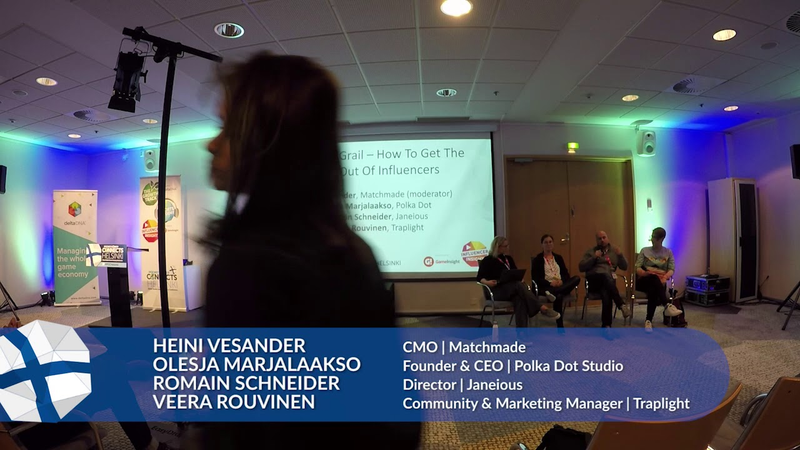
The Holy Grail: How to get the best out of influencers
Influencer marketing has emerged as a critical pillar of modern game promotion, with the sector projected to reach a $10 billion valuation by 2020.
- Prioritize long-term partnerships over transactional, one-off advertisements to lower customer acquisition costs and build sustainable community trust.
- Identify influencers whose specific audience demographics and interests align perfectly with the game’s core mechanics to ensure content feels organic.
- Indie developers should leverage micro-influencers and revenue-share models to maximize impact within limited budget constraints.
7 myths of influencer marketing and how to overcome them
Influencer marketing is often misunderstood as a discipline distinct from traditional user acquisition, yet it functions effectively when treated with the same analytical rigor.
- Influencer marketing should be managed as a performance-based channel requiring the same analytical rigor, data-driven optimization, and strategic planning as traditional user acquisition.
- Targeting mid-sized channels with 150,000 to 300,000 views per video across diverse interest categories like DIY or repair is more cost-efficient than focusing on saturated gaming-specific channels or high-profile celebrities.
- Achieving profitability in influencer campaigns requires a structured, iterative testing process that typically takes approximately four months to reach a positive return on investment.
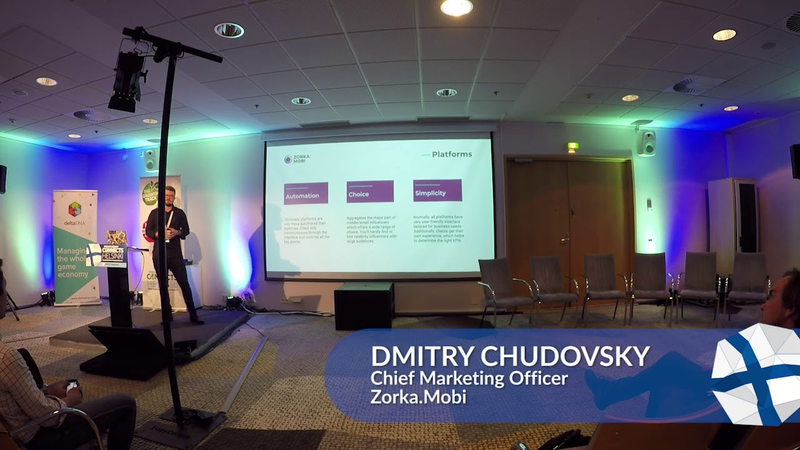
Influencer marketing: The ultimate management tool
Influencer marketing serves as a critical alternative to traditional advertising, which suffers from increasing user fatigue.
- Influencer marketing is a labor-intensive alternative to traditional advertising, requiring significant manual oversight despite the availability of automation and AI tools.
- Management strategies are divided into agencies for strategic flexibility and fraud protection, self-service platforms for mid-tier access, and full-service platforms for large-scale, high-budget campaigns.
- Successful influencer selection requires a rigorous analysis of content quality, stable view indices, subscriber counts, and thematic relevance.

AppAgent meets Small Giant Games: How to create a media plan for a global launch
The media planning process for a global mobile game launch requires a disciplined, data-driven approach that balances product development with aggressive user acquisition strategies.
- A successful global launch requires a data-driven media plan that balances aggressive user acquisition with iterative product development based on real-time performance metrics.
- Soft launch phases must prioritize testing hypotheses and establishing baseline KPIs, such as cost per install and conversion rates, to ensure technical stability and accurate lifetime value modeling.
- If top-of-funnel performance is weak despite strong core gameplay, developers should be prepared to overhaul the game's visual identity to better align with target audience preferences.

The marketing hurdles of hyper-casual games - Acquisition and engagement
Hyper-casual gaming represents a distinct segment of the mobile industry characterized by instant, lightweight, and snackable content.
- Hyper-casual games operate on a volume-based business model where profitability depends on the ability to scale user acquisition rapidly and maintain a large active player base to drive ad revenue.
- The marketing lifecycle for hyper-casual titles is built on three pillars: acquisition via paid media and App Store optimization, engagement through social features like leaderboards, and monetization via targeted ad segmentation.
- Developers must utilize robust segmentation engines to serve high-value, relevant advertisements, as generic ad-spamming is insufficient to sustain the business model.
Unleash the power of operator data to convert 9x more paying users
The primary objective of leveraging mobile operator data in user acquisition is to shift marketing strategies from broad, browsing-based targeting to precise, behavior-based targeting.
- Targeting users based on verified mobile operator purchase history rather than general browsing behavior can increase conversion rates for free-to-play users by up to nine times.
- A Smule case study in Indonesia demonstrated that targeting high-value spenders who had not yet made an in-app purchase resulted in a conversion rate nine times higher than standard organic rates.
- Rovio’s Angry Birds campaign in the U.S., which utilized Verizon network push notifications to offer incentives to top spenders, achieved a 17% increase in new customers and improved overall lifetime value.