User Acquisition reports and market data
Documents
Marketing Games Is Essential
The core thesis of this discussion is that marketing is an essential, often overlooked component of indie game development that directly dictates commercial success.
- Marketing is the primary determinant of commercial success, as high-quality game design and technical skill alone are insufficient to generate revenue.
- Building a dedicated audience through channels like YouTube, email lists, and social media creates a reliable support base that significantly increases the probability of a successful launch.
- Strategic adjustments to pricing and landing page optimization can transform stagnant products into six-figure revenue streams.
Making the World Give a Damn About Your Game in 2018
Success in the 2018 gaming market requires a departure from passive strategies, demanding that developers actively engineer visibility through precise market positioning and community cultivation.
- Steam wishlists typically convert at a rate of 7% to 12% during the first month of a game's launch, making them a critical metric for predicting initial sales volume.
- Marketing strategies should prioritize building a dedicated Discord community early, using tactics like team-based challenges and exclusive rewards to foster long-term engagement before the game is even playable.
- Influencer coverage from YouTubers and Twitch streamers rarely causes immediate sales spikes and should be viewed as a tool for long-term visibility rather than a primary driver of launch-day revenue.
Influencer marketing – Easy ways to start receiving positive return on investment
Influencer marketing serves as a critical, high-performing acquisition channel for mobile games, particularly as ad-blocking technologies limit the effectiveness of traditional display advertising.
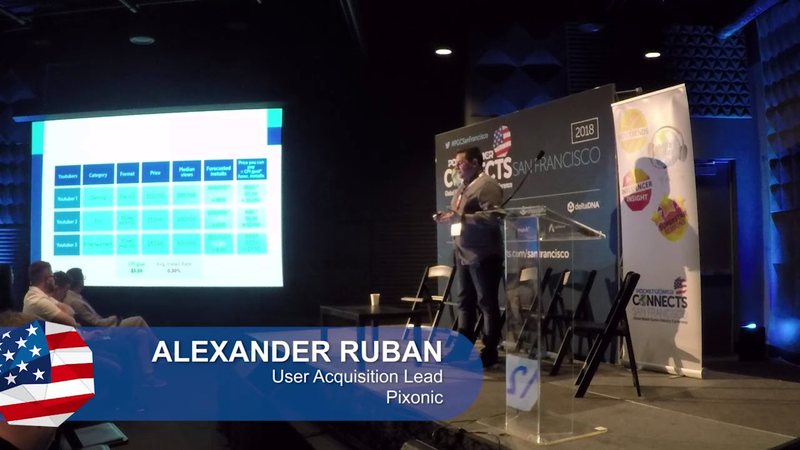
- Transform influencer marketing into a predictable acquisition channel by using median view metrics rather than volatile individual video performance to forecast reach.
- Calculate affordable influencer partnership rates by multiplying median views by average conversion rates and target cost-per-install (CPI) goals before entering negotiations.
- Categorize influencers by genre and content type to identify high-performing segments, such as non-gaming or DIY channels, which often outperform traditional gaming influencers.
Fireside Chat: The dos And don’ts of working with influencers
Influencer marketing requires a strategic, human-centric approach that prioritizes authentic alignment between creators and brands over purely transactional exchanges.
- Only 30% of inbound influencer inquiries convert into paid campaigns, primarily due to poor outreach clarity and mismatches between brand expectations and creator content styles.
- Brands should prioritize transparency by explicitly stating budgets and confirming the partnership is a paid campaign to increase the likelihood of securing a creator.
- The industry is shifting away from programmatic, automated ad-buying toward direct, human-centric relationships that mirror traditional media models like radio.
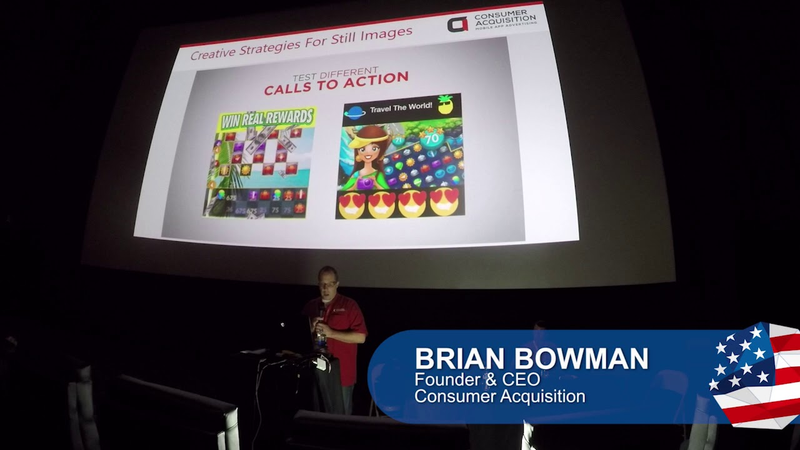
The future of UA – Facebook ad best practices, creative marketplaces and UA bots
Modern user acquisition strategies have shifted away from manual bid and budget management toward a reliance on machine learning algorithms.
- Creative quality is now the primary driver of ROI, as automated platforms like Facebook and Google shift the burden of performance from manual bidding to ad asset effectiveness.
- To maximize algorithmic efficiency, advertisers should consolidate campaigns and minimize manual edits to avoid triggering performance penalties associated with the machine learning learning phase.
- Mobile video assets should be optimized for immediate engagement, with a target length of six to ten seconds and a clear call to action within the first two seconds.
The future of the mobile monetisation and user acquisition market
Mobile monetization and user acquisition are undergoing a fundamental shift toward prioritizing high-quality user experiences over aggressive, short-term tactics.
- Mobile monetization is shifting from aggressive, short-term tactics toward high-quality, authentic, and playable ad formats that prioritize long-term user engagement.
- Developers are diversifying distribution strategies beyond the traditional Facebook and Google duopoly by increasingly leveraging emerging platforms like Snapchat and Pinterest.
- Machine learning is automating targeting processes, allowing marketing teams to shift their focus toward creative strategy and rapid iteration cycles.
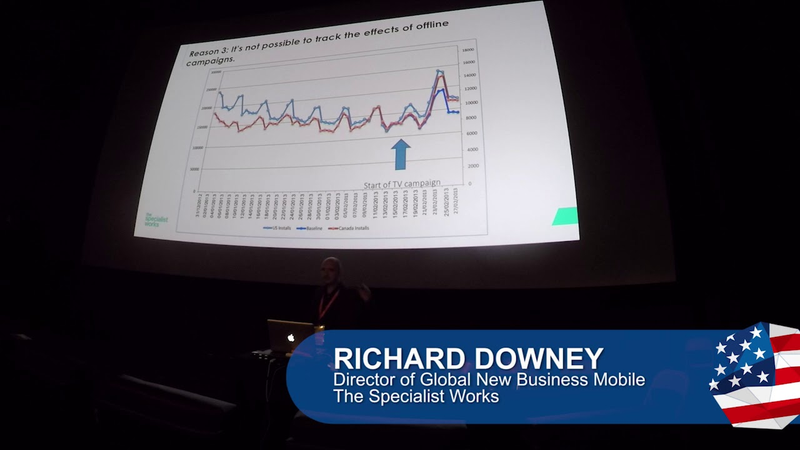
How offline advertising can boost your mobile and digital acquisition performance
Offline advertising, particularly television, serves as a powerful, trackable, and optimizable tool for mobile game user acquisition when executed with a data-driven strategy.
- Offline advertising, particularly television, functions as a measurable and optimizable channel that improves digital KPIs such as click-through rates, lifetime value, and brand authority.
- Integrating offline media with digital campaigns creates a halo effect that increases the overall efficiency and purchase intent of Facebook, PPC, and influencer marketing efforts.
- Developers can isolate the impact of TV campaigns on app store spikes and organic growth by using baseline tracking to compare performance across regions with and without offline support.
Growth strategies developers must know
Effective mobile game growth strategies require a fundamental shift from relying solely on paid user acquisition to optimizing organic retention and viral mechanics.
- Prioritize the first-time user experience (FTUE) by minimizing onboarding friction, such as delaying push notification requests and streamlining tutorials to accelerate core gameplay engagement.
- Transition growth strategies from a reliance on paid user acquisition toward optimizing organic retention and viral mechanics.
- Drive organic growth through private messaging and email rather than generic social media buttons, as these channels yield higher engagement for peer-to-peer sharing.
Marketing on Zero Budget
Marketing a video game effectively does not require a large budget, but it does demand a strategic, proactive approach to community building and platform engagement.
- Build a dedicated Discord community early by implementing a 'gated' entry system, such as forcing users to choose a faction upon joining, to foster tribalism and active participation.
- Engage your community by assigning weekly tasks and allowing them to contribute to game assets, such as designing kits or banners, which converts casual followers into committed day-one buyers.
- Identify the specific, exciting hook of your game by testing different descriptions on various audiences until you find the narrative that consistently generates the strongest positive reaction.
Social Media for Game Devs!
Social media serves as an essential, cost-effective marketing tool for independent game developers, providing a platform to build communities, gather feedback, and secure the attention necessary for commercial success.
- Focus primary marketing efforts on one core platform—such as YouTube for high engagement or Twitter for industry networking—while maintaining a secondary presence elsewhere to hedge against algorithm volatility.
- Avoid including links to external websites in posts, as social media algorithms penalize content that directs users away from the platform, thereby reducing organic reach.
- Cultivate an audience early by sharing the development process transparently, which serves as a foundational asset for future projects and provides iterative feedback.
How to get seven billion views On YouTube
Achieving long-term success on YouTube requires a strategic blend of personality-driven content, platform-specific optimization, and extreme patience.
- Sustainable growth on YouTube is driven by prioritizing audience retention and engagement metrics over raw click-through rates.
- Creators should maintain a consistent publishing schedule of at least three videos per week, with optimal video lengths ranging between seven and sixteen minutes.
- High-quality audio is a non-negotiable production requirement that is more critical to viewer retention than visual fidelity.
Low budget growth tactics that every games developer should know about
Game developers can achieve sustainable growth without relying on large marketing budgets by focusing on core product optimization and organic user engagement.
- Prioritize the first-time user experience (FTUE) because approximately 80% of users play a game only once, making the initial session the most critical window for retention.
- Avoid paid user acquisition until retention is optimized, as spending on games with high churn creates a 'leaking bucket' scenario that wastes capital.
- Delay push notification requests until a moment of high user value rather than triggering them immediately upon launch to reduce unnecessary friction.