User Acquisition reports and market data
Documents
Why your mobile RPG needs pre-registration marketing
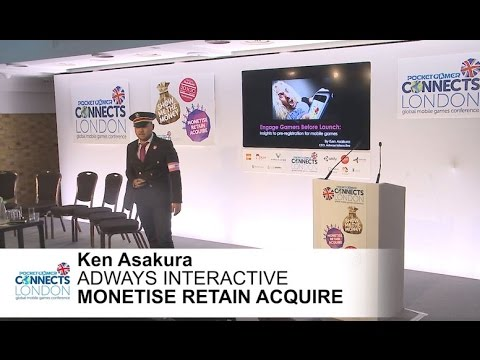
Pre-registration marketing serves as a critical strategy for mobile game developers, particularly within the core and RPG segments, to build anticipation and secure a high-quality user base prior to launch.
- Pre-registered users demonstrate significantly higher retention rates compared to both organic users and those acquired through standard incentivized campaigns.
- A case study of an action RPG showed that 4,000 pre-registrations converted into 2,000 installs and $15,000 in revenue during the first week, yielding a 400% return on investment.
- The primary demographic for pre-registration campaigns consists of males aged 18 to 34 who exhibit a high propensity for in-app spending.
3 User Acquisition Mega Trends for 2016
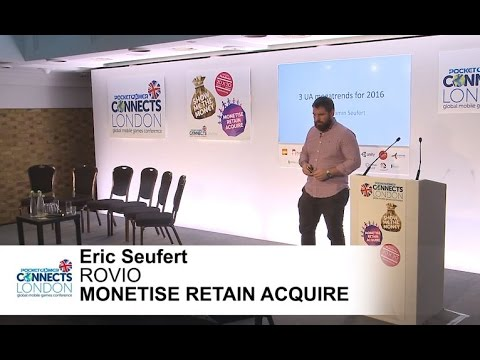
The mobile gaming industry in 2016 is defined by a shift toward video-centric advertising, the consolidation of walled gardens, and the professionalization of user acquisition (UA) strategies.
- Video advertising is the dominant growth format, projected to capture nearly 50% of all mobile ad spend by 2018.
- The user acquisition landscape is bifurcating, as high costs for advanced analytics and attribution tools create significant barriers for mid-market developers.
- Walled-garden platforms are increasingly controlling both inventory and measurement, forcing developers to rely on their deterministic tracking capabilities to avoid inefficient spending.
FTUE: League of War: Mercenaries
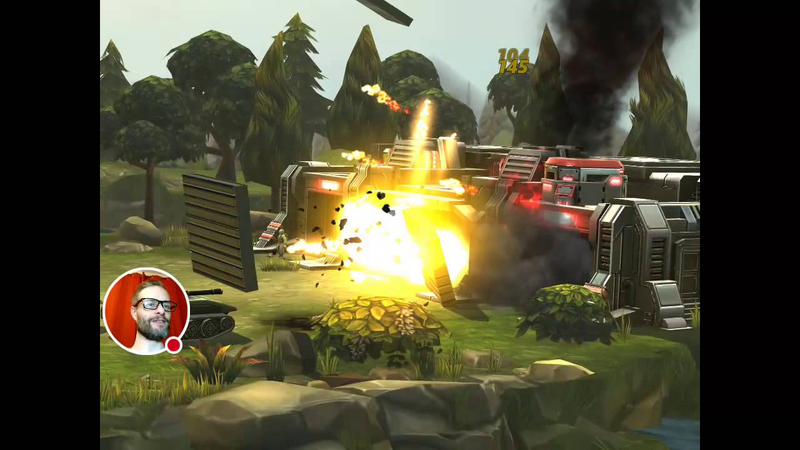
League of War: Mercenaries serves as a contemporary military base-battler reboot developed by MunkyFun and published by GREE.
- League of War: Mercenaries is a modern base-battler reboot developed by MunkyFun and published by GREE, serving as a successor to the original 2013 title.
- The core gameplay utilizes a lane-based, rock-paper-scissors tactical system where players manage credit-based energy, unit cooldowns, and specific unit counters.
- The game’s metagame is built on a multi-currency economy involving gold, bolts, and oil, alongside complex squad composition and unit upgrade systems.
FTUE: Marvel Avengers Alliance 2
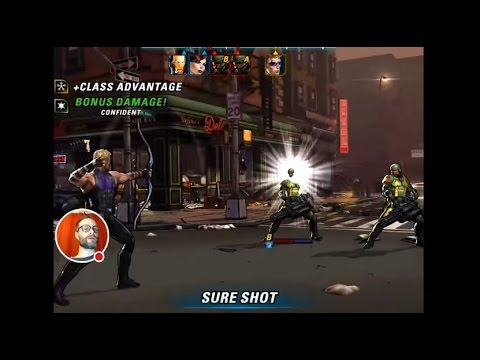
Marvel Avengers Alliance 2 represents Disney’s transition of its successful social media franchise into the mobile squad-based role-playing game market.
- Marvel Avengers Alliance 2 marks Disney's strategic pivot from social media to the mobile squad-based RPG market.
- The game utilizes a three-by-three grid combat system, mirroring the design architecture found in competitors like Star Wars: Galaxy of Heroes.
- The first-time user experience prioritizes narrative immersion and a hands-off tutorial structure that emphasizes early strategic decision-making and turn-order management.

How Pollen VC helps you accelerate your cashflow
Mobile developers frequently face significant cash flow constraints due to the standard 30-to-60-day payment cycles imposed by major app stores.
- Mobile developers face significant cash flow constraints due to standard 30-to-60-day payment cycles from major app stores, which trap earned revenue and hinder reinvestment.
- Pollen VC provides a mechanism to access locked app store revenue on a weekly basis, allowing developers to maintain consistent growth momentum.
- The operational model integrates directly with app store accounts to verify daily revenue accrual, enabling disbursements to bank accounts or ad networks every seven days.
FTUE: Winterstate
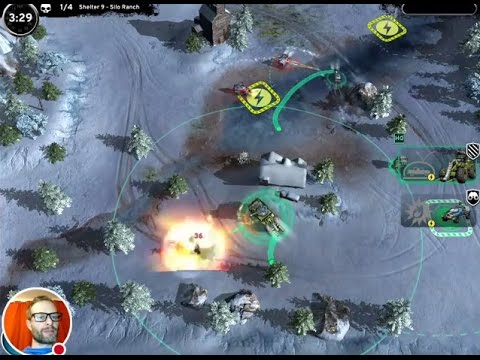
Winterstate, a mobile vehicle combat game developed by PlayRaven, utilizes a post-apocalyptic arctic setting to deliver a tactical, line-drawing gameplay experience.
- PlayRaven’s Winterstate utilizes a line-drawing mechanic that shifts mobile combat from automated systems to player-driven tactical movement and positioning.
- The first-time user experience employs a gradual difficulty curve, transitioning players from basic target destruction to complex scenarios involving multiple vehicles and defensive shielding.
- The game’s core loop balances mission-based combat with a metagame focused on vehicle management, including weapon upgrades, driver attribute assignment, and resource allocation.
FTUE: Total War Battles: KINGDOM
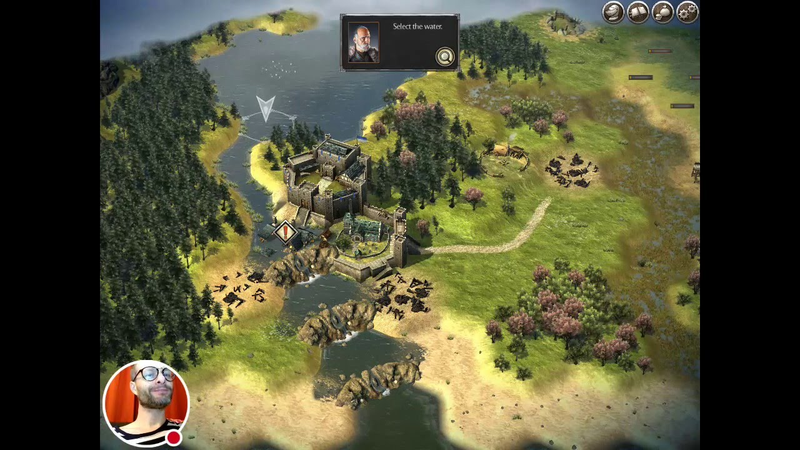
Total War Battles: KINGDOM serves as a case study in the challenges of adapting a hardcore PC strategy franchise for the mobile market.
- Total War Battles: KINGDOM struggles with mobile user retention due to a lengthy, overly prescriptive tutorial process that conflicts with mobile player expectations.
- The game’s reliance on PC-centric design, such as complex menus and tedious infrastructure tasks like road building, creates significant friction for casual mobile users.
- Creative Assembly and Sega’s adaptation maintains high visual fidelity and complex mechanics, but these features often feel cluttered and inaccessible on smaller mobile screens.
FTUE: Dragon Land
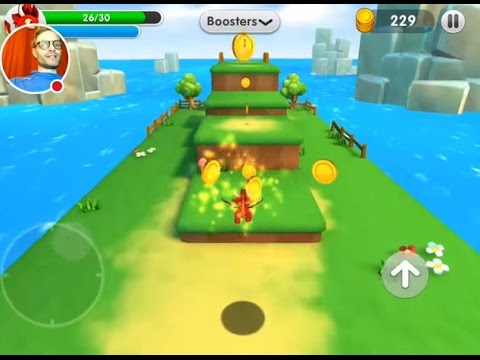
The first-time user experience (FTUE) of the 3D platformer Dragon Land, developed by Social Point, reveals significant challenges regarding mobile accessibility and control schemes.
- Social Point’s Dragon Land demonstrates that 3D platforming mechanics, specifically camera management and movement, suffer from significant friction when adapted to mobile touchscreen interfaces.
- The reliance on virtual dual pads and double-tap mechanics creates a steep learning curve that potentially alienates the casual player base typically targeted by Social Point.
- While the game uses visual aids like shadow indicators to assist with depth perception, these features fail to replicate the intuitive control precision found in traditional console platformers.
FTUE: Summoners War
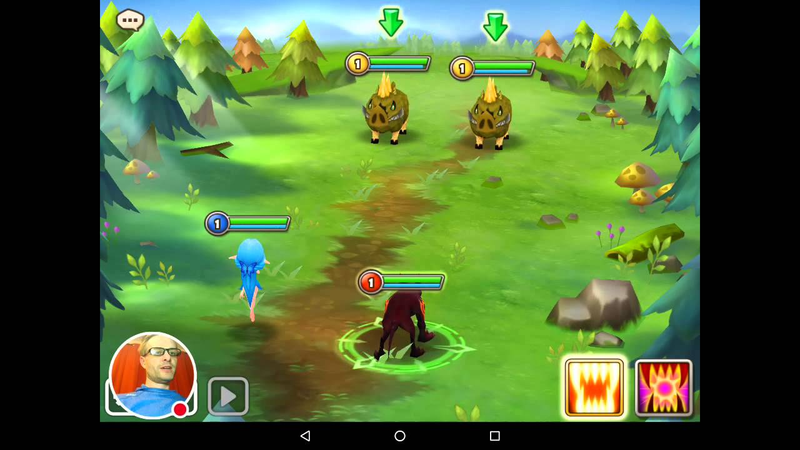
Summoners War, a long-standing mobile RPG developed by the Korean studio Com2uS, serves as a primary case study for the successful implementation of the free-to-play model within the global mobile gaming market.
- Summoners War, developed by Korean studio Com2uS, serves as a primary case study for the successful implementation of the free-to-play, games-as-a-service model in the mobile RPG genre.
- The game’s design philosophy prioritizes long-term player investment and deep, grind-heavy progression systems over casual, short-term engagement.
- The user experience features a dense, PC-influenced interface that immediately exposes players to complex meta-game systems, including monster summoning, elemental combat, and equipment engraving.
FTUE: Clash Royale
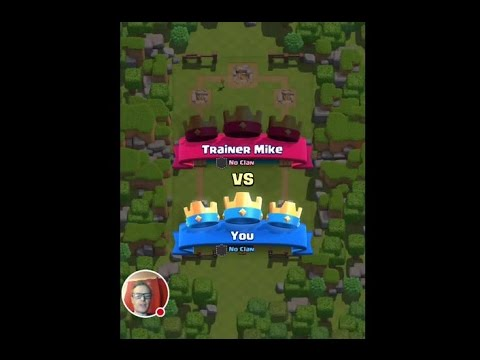
Clash Royale serves as a primary case study for analyzing the first-time user experience (FTUE) in mobile collectible card games and MOBAs.
- Clash Royale’s FTUE is engineered to socialize players into monetization and progression loops, such as time-gated chest unlocking and resource management, immediately following the introductory combat phase.
- The tutorial intentionally introduces meta-game elements early to identify and segment users who are willing to spend premium currency to bypass wait times.
- The game leverages the established Clash of Clans aesthetic to lower the barrier to entry while transitioning players into a distinct, card-based combat system.
FTUE: Guardian Stone
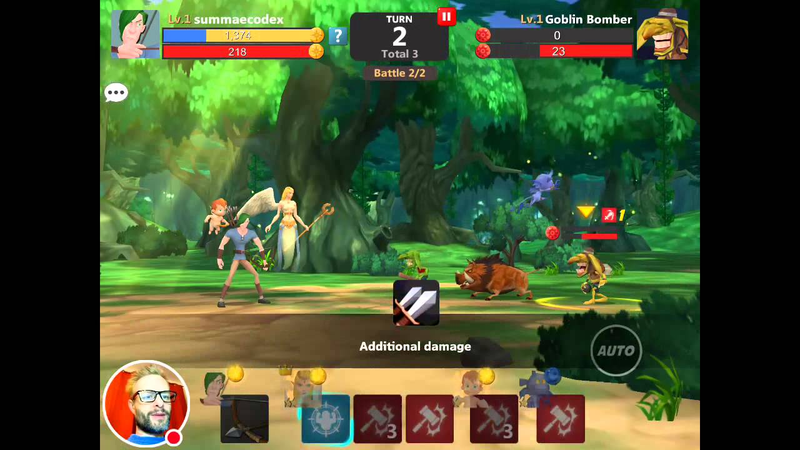
Guardian Stone, an action RPG developed by the Korean publisher NHN, serves as a case study for the challenges inherent in designing first-time user experiences for mobile games.
- Successful retention in the mobile action RPG genre depends more on long-term metagame engagement and character progression systems than on initial mission-based gameplay.
- NHN’s Guardian Stone utilizes a standard free-to-play framework featuring energy-based progression, dual-currency systems, VIP tiers, and a character-collection model where low-tier units are consumed for leveling.
- The game’s onboarding process struggles to balance tutorial depth for casual users with the expectations of experienced RPG players, leading to potential cognitive overload.
FTUE: Marvel: Avengers Academy
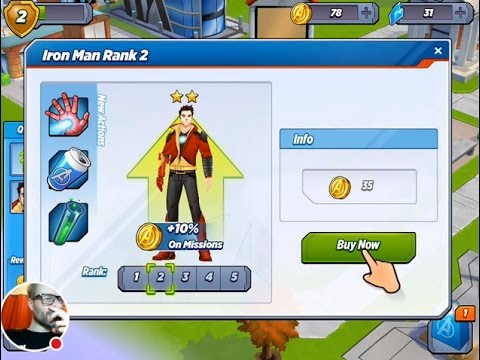
Marvel: Avengers Academy, developed by TinyCo, is a mobile simulation game that reimagines iconic Marvel superheroes as students in an academic setting.
- TinyCo differentiates Marvel: Avengers Academy from competitors by prioritizing character-driven narrative and stylized art over traditional combat mechanics.
- The game utilizes a dual-currency free-to-play model, employing soft currency for routine tasks and hard currency to bypass time-gating and accelerate progression.
- The core gameplay loop centers on resource management, base building, and a star-based progression system for leveling up recruited heroes.