User Acquisition reports and market data
Documents
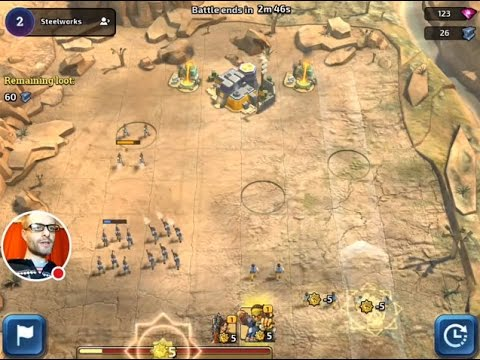
FTUE: Path of War
Path of War is a mobile strategy game developed by Envision Entertainment and published by Nexon M. The game features a near-future setting where players manage base-building and tactical combat as they progress across a map of the United States toward Washington, D.C.
- Path of War, developed by Envision Entertainment and published by Nexon M, differentiates itself from static base-builders by featuring a mobile base that progresses across a map toward Washington, D.C.
- The core gameplay loop combines traditional base-building and resource management (iron and gold) with real-time tactical combat requiring unit placement along specific paths.
- Monetization follows a standard free-to-play model, utilizing hard currency to accelerate construction timers and expand limited construction queues.
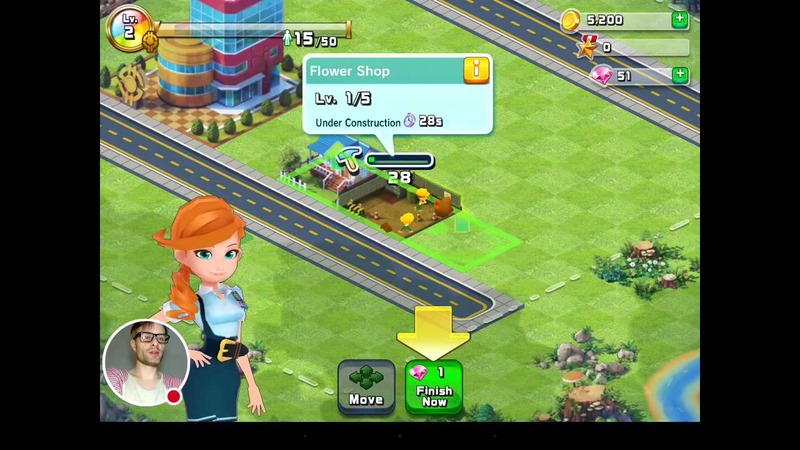
FTUE: Downtown Showdown
Downtown Showdown, a mobile title from Japanese publisher COLOPL, serves as a case study in the adaptation of city-building mechanics for Western markets.
- COLOPL is utilizing 'Downtown Showdown' as a strategic vehicle to adapt Japanese city-building design sensibilities for Western markets in Europe and North America.
- The game hybridizes traditional urban simulation mechanics with competitive, combat-oriented progression systems similar to 'Clash of Clans'.
- The monetization model relies on standard free-to-play mechanics, specifically using premium 'diamonds' to bypass construction timers and wait times.
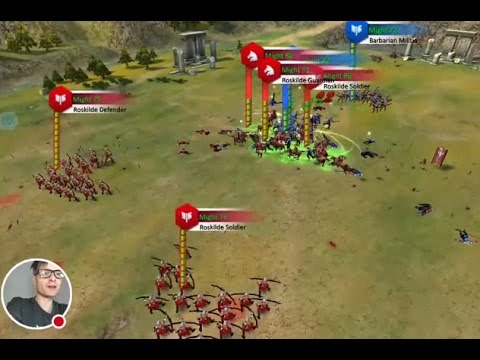
FTUE: Clash of Gods
Clash of Gods serves as a Westernized adaptation of the Chinese mobile title Papa Three Kingdoms.
- Clash of Gods is a Westernized adaptation of the Chinese mobile title Papa Three Kingdoms, replacing original aesthetic themes with Western and Egyptian mythology to target global markets.
- The game’s FTUE suffers from significant friction, including a confusing tutorial and an initial battle that results in an unexpected defeat for new players.
- The core gameplay mechanics—featuring card-based systems, complex formation management, and automated combat—are rooted in hardcore Chinese design philosophies that conflict with Western preferences for intuitive, streamlined onboarding.
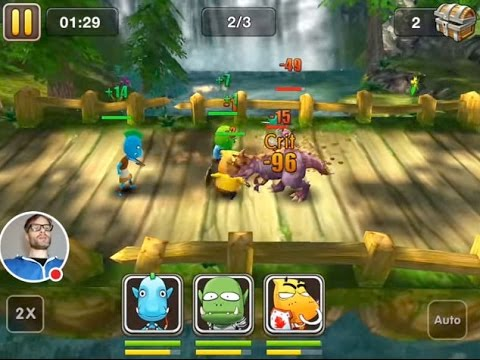
FTUE: Rush of Heroes
Rush of Heroes, a Western adaptation of the highly successful Chinese mobile title I AM MT, represents a strategic attempt to export established Asian free-to-play mechanics to global markets.
- Rush of Heroes is a Western adaptation of the Chinese mobile title I AM MT, which achieved over 70 million players between 2014 and 2015.
- The game utilizes a card-based battle system centered on character collection, shard-based upgrades, and gacha-style hero acquisition mechanics.
- Core gameplay is defined by high-density automation, featuring two-speed battle toggles, rage-mode triggers, and a progression loop gated by a standard energy system.
FTUE: Ark Wars
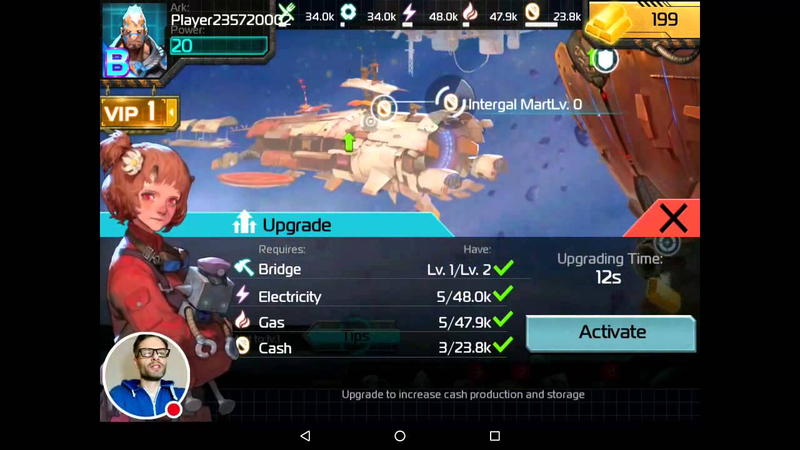
Ark Wars functions as a classic, menu-driven mobile strategy game that utilizes a sci-fi aesthetic to differentiate itself within a crowded market of management-heavy titles.
- Ark Wars utilizes a traditional, menu-driven mobile strategy framework that mirrors the core mechanics and resource management loops of established genre leaders like Game of War and Mobile Strike.
- The game relies on a highly guided, task-based tutorial that focuses on facility upgrades, soldier training, and hex-based combat to onboard new players.
- Monetization is integrated early into the user experience through time-dependent sales, premium currency, and speed-up items designed to accelerate construction and training.
FTUE: Katy Perry Pop
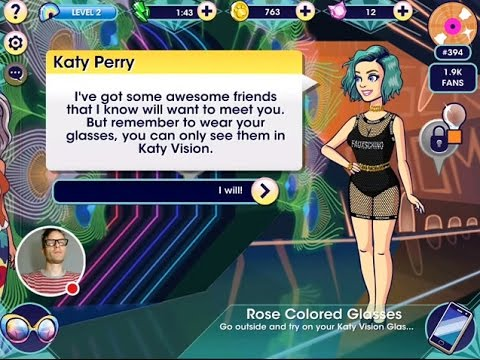
Katy Perry Pop, a mobile title developed by Glu Mobile, serves as a case study in the evolution of celebrity-branded free-to-play games.
- Glu Mobile developed Katy Perry Pop as a strategic iteration of its previous success, Kim Kardashian: Hollywood, utilizing a similar energy-based progression system and narrative-driven gameplay.
- The core gameplay loop focuses on music career advancement through task completion, energy resource management, and extensive avatar customization.
- The onboarding process utilizes a guided tutorial to introduce players to social interactions, task completion, and the integration of premium currency.
FTUE: Vikings: War of Clans
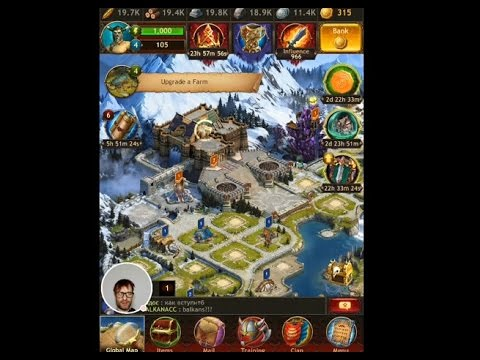
Vikings: War of Clans serves as a prime example of the resource-management strategy genre, heavily influenced by established titles like Game of War and Mobile Strike.
- Vikings: War of Clans utilizes a structured, menu-heavy loop focused on base building, military expansion, and the management of five distinct resource types.
- The onboarding process relies on a high-volume, guided tutorial that uses immediate build completions and resource gifts to maintain early-stage player momentum.
- The game employs a familiar, industry-standard mechanic set modeled after titles like Game of War and Mobile Strike to target a hardcore demographic already accustomed to mobile strategy systems.
FTUE: Eternal Arena
The first-time user experience of the mobile card-action RPG Eternal Arena reveals significant friction points in the initial onboarding process, primarily centered on technical implementation.
- The 168MB secondary download requirement at launch creates a significant barrier to entry, risking user abandonment before the tutorial begins.
- Implementing background asset downloading during tutorial gameplay is recommended to replace the current forced wait time and improve initial retention.
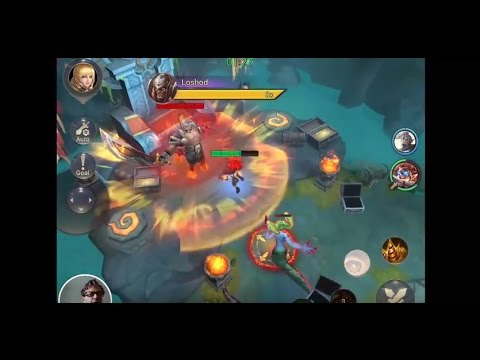
- The game utilizes a hybrid model combining action-RPG combat with card-based collection mechanics to drive long-term engagement and monetization.
FTUE: Colopl Rune Story
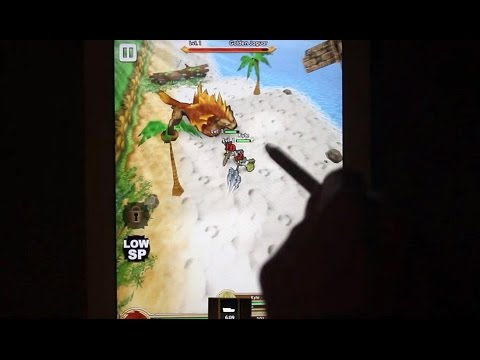
The first-time user experience (FTUE) of the mobile JRPG Colopl Rune Story serves as a case study in balancing accessibility for casual players with the depth required by core gaming audiences.
- Colopl Rune Story prioritizes early engagement by ensuring players achieve combat victories within the critical first ten minutes of the initial session.
- The onboarding process utilizes a phased disclosure strategy, restricting access to complex menu systems and meta-game mechanics to maintain a low-pressure environment for new users.
- To minimize player friction, the game employs a guided tutorial structure featuring visual cues like directional arrows to teach fundamental movement, combat, and resource management.
FTUE: Apple TV
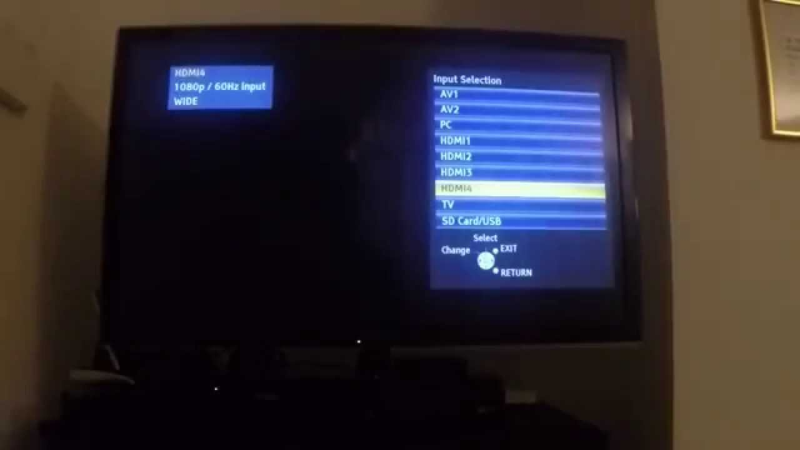
The Apple TV serves as a dedicated hardware platform for streaming media and gaming, positioning itself as a unified ecosystem that mirrors the existing iOS App Store experience.
- Apple TV gaming relies heavily on Apple-led curation for discoverability, as the platform lacks a robust search function and Siri’s voice search capabilities remain limited for games.
- The absence of an advertising ecosystem on Apple TV forces developers away from ad-supported free-to-play models, favoring a premium, paid-app pricing structure that is higher than mobile equivalents.
- While the device includes a compact remote with a trackpad, the platform supports third-party MFi-enabled controllers to accommodate complex gaming experiences and bridge the gap for demanding players.
FTUE: X-Mercs
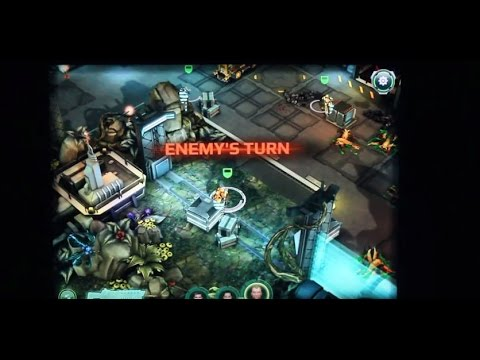
X-Mercs, a turn-based squad shooter developed by Game Insight, demonstrates a complex onboarding process characterized by significant technical and instructional hurdles.
- The X-Mercs onboarding process is hindered by a 2GB initial download requirement and prolonged loading times that delay active gameplay for several minutes.
- The game employs a premature engagement strategy by requesting push notification permissions immediately upon launch, risking early user alienation.
- The tutorial phase is intensive and slow-paced, requiring players to navigate extensive dialogue and guided combat sequences to learn mechanics like action point management and orbital cannons.
FTUE: Sniper X with Jason Statham
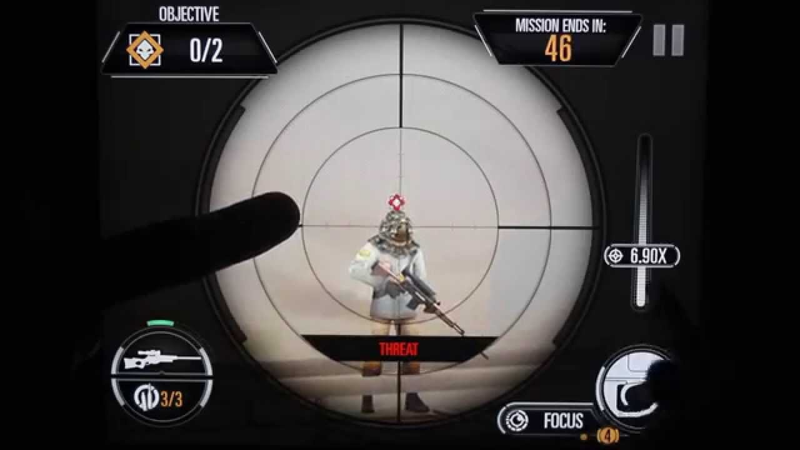
Sniper X with Jason Statham, a free-to-play mobile title developed by Glu Mobile, utilizes a celebrity-driven strategy to engage players within the static shooter genre.
- Glu Mobile utilizes a celebrity-driven strategy in 'Sniper X with Jason Statham' to differentiate its static shooter from previous celebrity-focused titles.
- The onboarding process prioritizes immediate core gameplay, delaying intrusive requests like push notifications until players establish baseline engagement.
- The first ten minutes focus exclusively on core mechanics, such as target acquisition and environmental interaction, before introducing complex metagame systems.