Retention reports and market data
Documents

Wappier on using loyalty programs to improve retention in games
Wappier leverages artificial intelligence and machine learning to optimize mobile game revenue and player retention through dynamic pricing and automated loyalty programs.
- Wappier uses AI and machine learning to optimize mobile game revenue and retention by analyzing approximately five weeks of player data to establish behavioral baselines.
- The company optimizes storefront pricing on a per-country basis to correct mispricing caused by standard app store currency conversion rates, which often fail to account for local price elasticity.
- Wappier implements automated, points-based loyalty programs that operate outside of core gameplay, functioning similarly to airline mileage programs to increase session frequency and length.

The Gamer's Brain, Part 3: The UX of Engagement and Immersion (or Retention)
Engageability serves as the foundational pillar for long-term player retention, requiring a multifaceted approach that integrates cognitive science with game design.
- Retention and engagement are driven by motivation, which relies on managing goals, fostering a sense of competence, and maintaining positive moment-to-moment emotions through game feel.
- Rewards should be designed as starting points for new goals rather than end points; they must be meaningful and provide feedback on competence to avoid decreasing intrinsic motivation.
- Effective onboarding is critical for long-term retention, as poor tutorials are frequently identified as the most impactful factors for player churn.
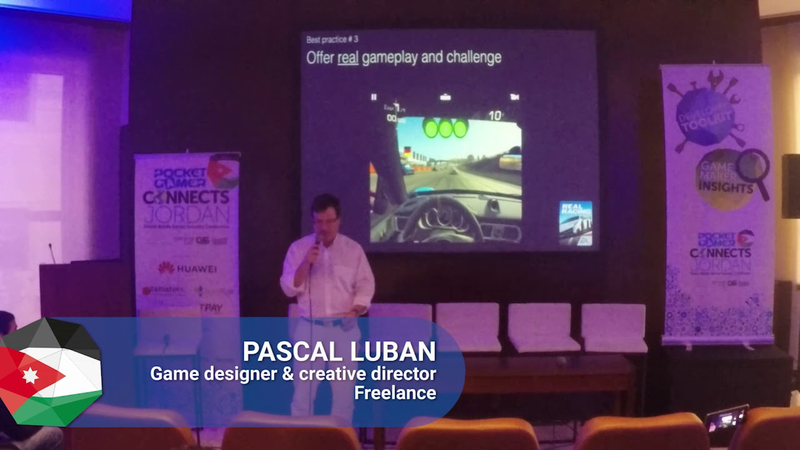
Onboarding: How to Keep Your Players After the First Minutes of Gameplay
Effective onboarding is critical for game success, as a significant portion of the player base abandons titles after only one or two sessions.
- Onboarding must prioritize immediate immersion in gameplay within seconds to combat high player abandonment rates occurring after only one or two sessions.
- Designers should treat onboarding as a promise of the game's value, using it to mitigate the low commitment levels typical of free-to-play titles.
- Retention is driven by open loops, which pair clear objectives with rewarding outcomes to encourage player persistence rather than relying solely on skill.
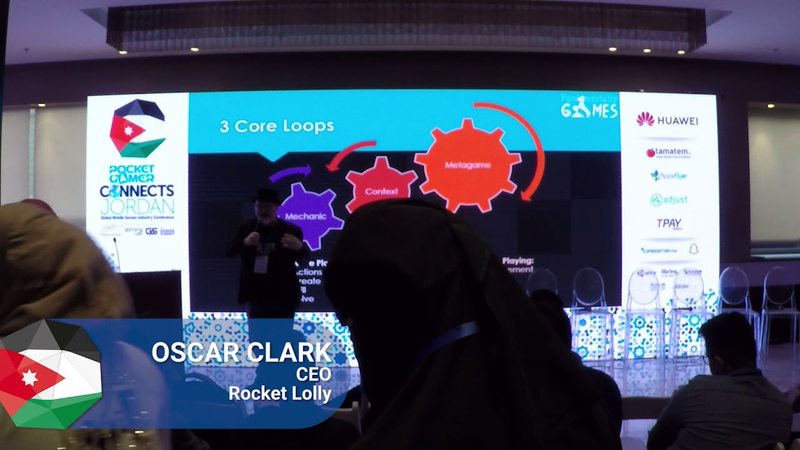
Monetisation Design - A Story of Love and Retention
Monetization design functions most effectively when it prioritizes long-term player relationships over short-term transactional gains.
- Monetization design should prioritize long-term player retention by aligning mechanics with the psychological drivers of competence, autonomy, and social capital.
- Developers should categorize offerings into distinct tiers—such as subsistence items, shortcuts, and social or strategic goods—to tailor strategies to specific stages of the player lifecycle.
- Monetization must be treated as a testable hypothesis driven by data and community building, rather than a series of transactional hurdles.
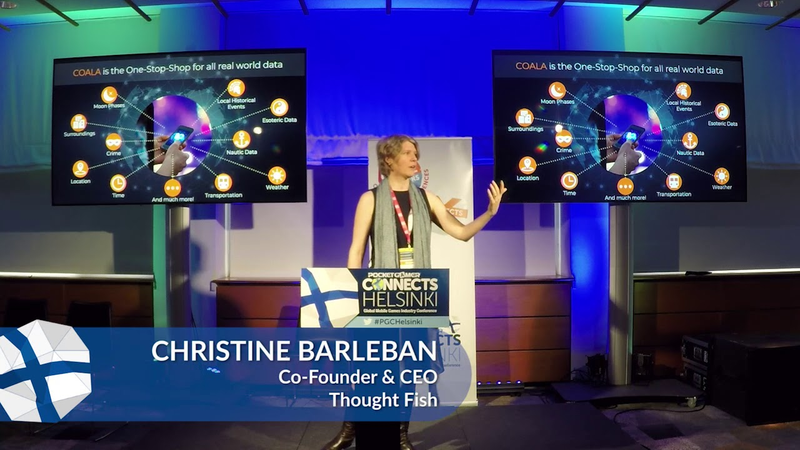
The Nuts and Bolts of Real World AR Gaming
Real-world augmented reality (AR) is emerging as a powerful genre in mobile gaming, serving as a significant driver for user retention and session frequency.
- Integrating real-world data into AR games can increase daily user sessions by 30%.
- Titles utilizing location-based features, such as The Walking Dead: Our World, have achieved day-seven retention rates 54% higher than the top 50 US game average.
- AR should be redefined as a tool for digital products to react to environmental context, such as using weather or moon phases to influence game mechanics, rather than simple camera-based overlays.
The Gamer's Brain, Part 2: UX of Onboarding and Player Engagement
Effective game design hinges on the application of cognitive science to manage the limited attentional and memory resources of the human brain.
- Free-to-play titles frequently lose 20 percent of their audience during the first hour of gameplay, making this window the most critical period for player retention.
- Human working memory is limited to processing approximately three items simultaneously, necessitating a design strategy that minimizes cognitive overload to prevent player churn.
- Onboarding should prioritize intuitive affordances and context-driven learning over dense, passive tutorials to allow players to master mechanics through practice rather than memorization.
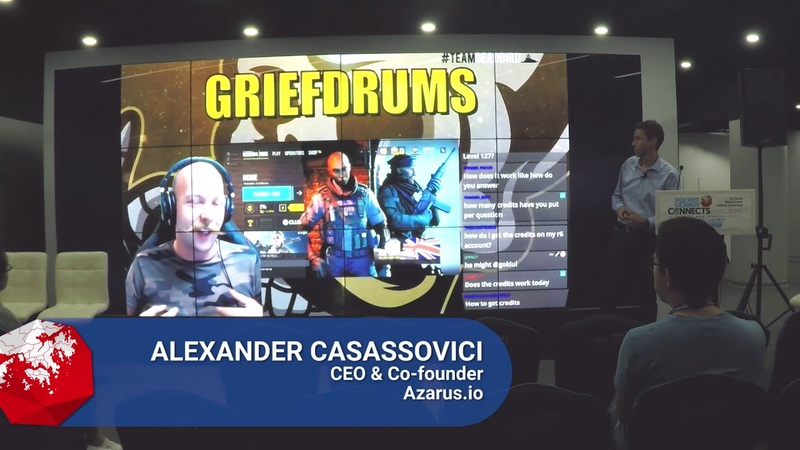
Boosting Your On-stream and In-game Engagement and Retention
The presentation explores strategies for enhancing player engagement and retention in live-service games by leveraging streaming platforms and data-driven incentive loops.
- Integrating real-time game data with streaming platforms can increase player retention by transforming passive viewers into active participants through interactive overlays.
- Watch time serves as a strong proxy for play time, with data showing a correlation between the two ranging from 40% to 90% depending on the implementation of interactive elements.
- Deploying overlays that track in-game events—such as kills or objective completions—to issue challenges and rewards directly to viewers significantly increases session lengths.
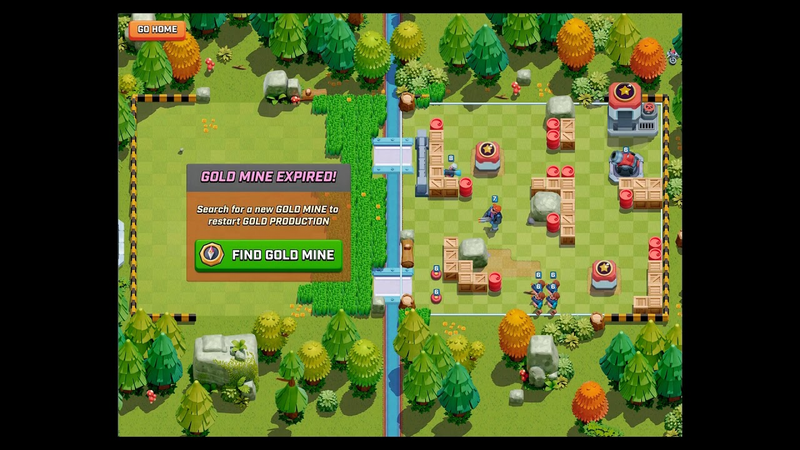
How does RUSH WARS retain, engage and monetize?
Rush Wars, a mobile strategy title developed by Supercell, utilizes a streamlined, loop-driven design focused on quick-play engagement rather than the deep, long-term base building characteristic of the developer’s other flagship titles.
- Supercell designed Rush Wars as a lighter, casual alternative to Clash of Clans and Clash Royale to avoid cannibalizing its existing flagship portfolio.
- The core gameplay loop centers on rapid, accessible sessions involving attacking player defenses and managing a base to generate soft currency.
- Retention is driven by timed reward mechanics that incentivize players to return every few hours to collect loot boxes containing essential unit and defensive upgrade cards.
User Generated Content - The Upsides and Pitfalls to Level Editors - Extra Credits
User-generated content serves as a powerful mechanism for extending a game's lifespan and fostering player engagement.
- User-generated content (UGC) extends a game's lifespan by decoupling its longevity from the size of the active player base, allowing small communities to sustain interest for decades.
- Effective UGC ecosystems require a balance between accessibility and depth, as overly complex tools discourage participation while overly simple tools lead to low-quality content.
- The primary operational cost of UGC is the necessity for robust curation and moderation systems to prevent low-quality or offensive material from alienating the player base.
AFK Arena Game Deconstruction | Game Design Analysis with Jeff Witt & Adam Telfer
AFK Arena represents a significant evolution in the mobile RPG landscape, successfully merging traditional collectible character mechanics with the low-friction accessibility of the idle genre.
- AFK Arena achieved 8.7 million downloads and $40 million in net revenue following its late 2018 launch by merging collectible RPG mechanics with idle game accessibility.
- The game utilizes a non-punitive progression system where every hero draw contributes to long-term growth, effectively eliminating the need for repetitive grinding.
- Designers implemented a stat-check approach across modes like the Arcane Labyrinth and Peaks of Time to incentivize the cultivation of deep, specialized rosters across six distinct factions.
Thriving in Steam Early Access: Turning 20XX's Slow Launch into Success
Steam Early Access serves as a critical development phase that, when managed with intentionality, can transform a modest initial launch into a sustainable, high-retention product.
- Community engagement must be treated as a core development pillar, requiring approximately 20% of total production time to ensure long-term product success.
- Maintaining a rigid, predictable update schedule is essential for building the player trust necessary to sustain momentum during the iterative Early Access process.
- Developers should leverage public platforms like Discord and forums to crowdsource high-quality bug reports, effectively using the community as an extension of the internal quality assurance team.
Designing Two Tasty Cores Three Times Over: The Case of Brawl Stars
The development of Brawl Stars serves as a definitive case study in the necessity of iterative design and the strategic value of extended soft launches.
- Supercell transitioned Brawl Stars from portrait to landscape orientation to accommodate a dual-joystick control scheme, which provided better ergonomics and more precise combat feedback than the original single-joystick portrait design.
- The development team iterated through multiple progression systems during the beta phase, eventually replacing an elixir-based model that caused player confusion with a 'Power Points' system similar to Clash Royale to improve clarity and satisfaction.
- Internal playtesting at Supercell involves a wide cross-section of company employees—from finance to legal—to gather diverse feedback before testing with real players.