Retention reports and market data
Documents
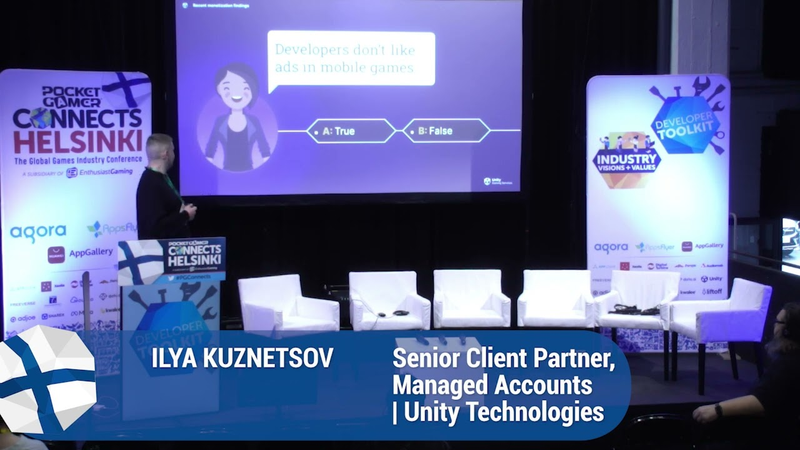
Creating Impactful Player Experiences With Monetisation
Hybrid monetization models that combine in-app purchases with strategic advertising represent a sustainable approach to game development, effectively serving the vast majority of players who do not engage in traditional microtransactions.
- Hybrid monetization models combining in-app purchases with strategic advertising create sustainable revenue streams that support long-term content updates for non-paying players.
- Well-implemented ad formats like rewarded videos and interstitials do not negatively impact player retention and can actually enhance the user experience by providing a democratic path for progression.
- Success requires a data-driven approach that analyzes specific performance metrics including eCPM, ARPDAU, and impressions per daily active user to isolate the causes of revenue fluctuations.
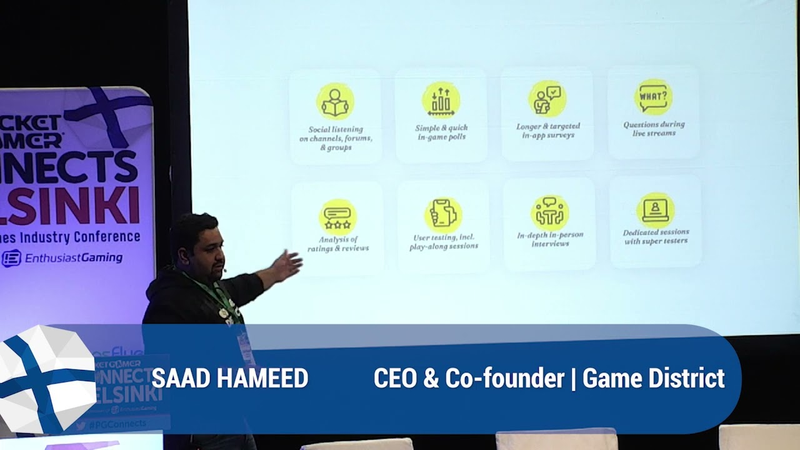
Recognising the Value of Games That Retain
Mobile game developers operating in increasingly saturated markets must move beyond basic data analytics and churn detection to prioritize habit creation as the primary driver of player retention.
- Developers must shift focus from basic churn detection to building habit-forming loops that transform casual play into consistent daily engagement.
- Retention strategies should be segmented into three distinct lifecycle phases: short-term (days 1–7), mid-term (days 8–30), and long-term (post-day 30).
- The MENAP (Middle East, North Africa, and Pacific) regions represent critical emerging markets that require localized content and specific regional adaptation strategies.

Adjoe on helping to grow apps through smarter advertisement
The advertising technology company Adjoe focuses on transforming user acquisition and monetization strategies for mobile applications.
- Mobile gaming is shifting away from traditional in-app purchases and intrusive interstitials toward reward-based, personalized advertising models.
- Opt-in rates for personalized ads in gaming have increased by approximately 20 percent despite the removal of identifiers like IDFA.
- Rewarded video and interactive ad formats are driving higher user engagement by providing tangible incentives, such as in-app currency, in exchange for interaction.
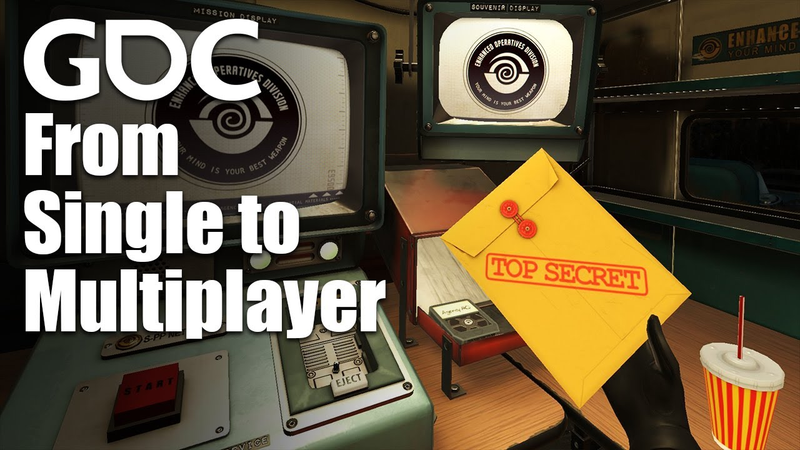
Expanding Single-Player Games to a Multiplayer Experience with Discord
Single-player titles can transcend their solitary nature by leveraging external platforms like Discord to foster collaborative and competitive community environments.
- Schell Games utilizes the 'JADE' method (Jump to conclusions, Apply action, Data gather/listen, Evaluate/learn) to iteratively design community-driven multiplayer experiences for single-player titles like 'I Expect You to Die' and 'Until You Fall'.
- Community-wide collection challenges, such as the November 2020 'Spirit of Giving' event, successfully incentivized player engagement by tasking the community to collectively pool in-game resources (Aether) to reach a shared goal, which exceeded initial participation expectations.
- Player-pairing challenges, such as the February 2021 'Match Made in Rokar' event, foster intimacy and cooperation by requiring players to coordinate weapon sets or make gameplay decisions for one another via Discord voice chat.

Secrets of the F2P Game Designer
The modern free-to-play gaming landscape has transitioned from a focus on rapid scaling to the development of high-fidelity, cross-platform experiences.
- Modern free-to-play design requires integrating meta-systems directly into core gameplay rather than treating them as secondary features to ensure high-fidelity, cross-platform success.
- Designers must balance creative innovation with the analytical ability to deconstruct existing mechanics, as there is no universal methodology for success in the current market.
- Career advancement in game design requires a transition from generalist roles to specialized expertise, eventually shifting focus toward soft skills like empathy and team management for leadership positions.
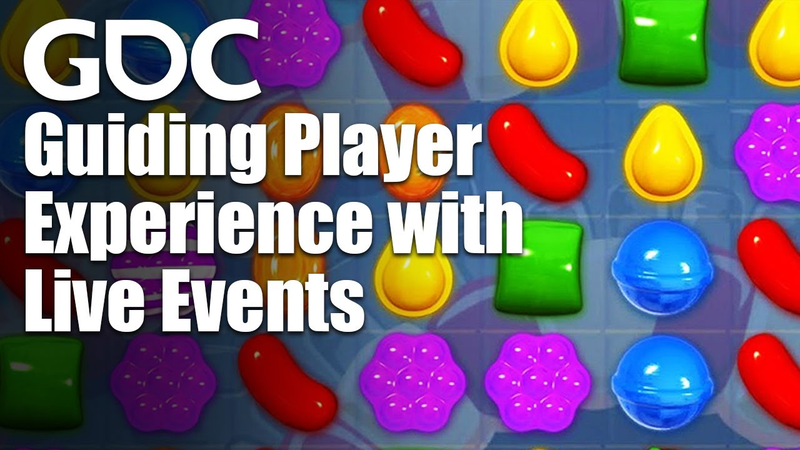
Narrative Breadcrumbs: Guiding the Player Experience with Live Events
The integration of narrative into live-service mobile games serves as a powerful tool for increasing player engagement, retention, and monetization.
- Integrate narrative as a core structural component rather than superficial flavor text to increase player engagement, retention, and monetization in live-service mobile games.
- Utilize a 'breadcrumb' narrative strategy to guide players through an ongoing, evolving journey instead of a static story with a definitive conclusion.
- Apply the 'context, characters, and conflict' framework to embed narrative directly into gameplay mechanics and event structures.
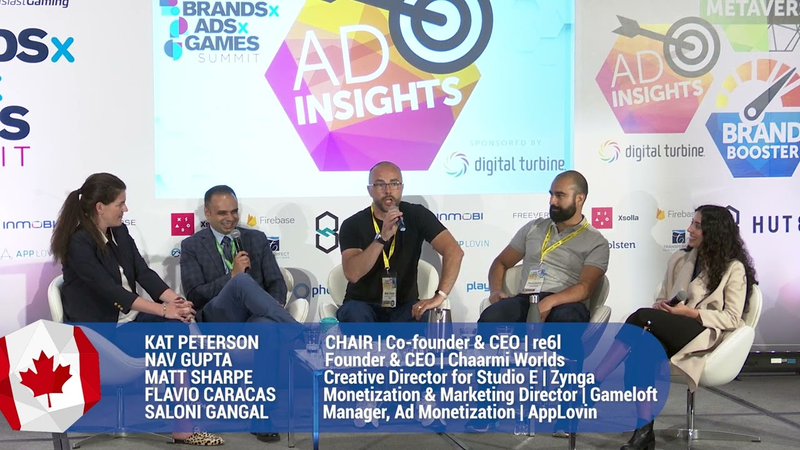
Panel: Why Creating Seamless Ads in Game Is Essential to User Retention
The modern mobile gaming landscape necessitates a fundamental shift from disruptive, intrusive advertising toward seamless, value-driven experiences.
- Mobile game developers must shift from disruptive, push-based advertising to pull-based models like rewarded videos to maintain long-term user retention.
- Advertising should function as a utility for game progression, ensuring that monetization strategies enhance rather than interrupt the player experience.
- To combat user desensitization, developers must prioritize high-quality, immersive ad formats such as playable ads and native brand partnerships that integrate organically into the game world.
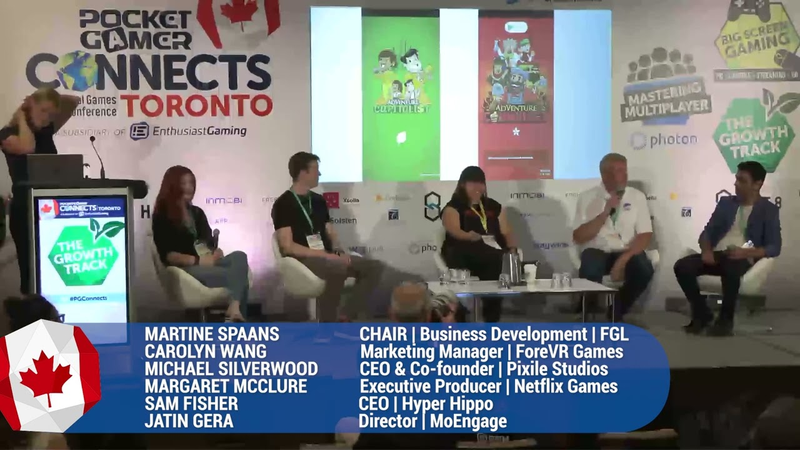
Panel: How To Successfully Scale Your Game Through Community Engagement
Successful game scaling depends on a shift from broad demographic targeting to a nuanced understanding of player archetypes, motivations, and behavioral data.
- Integrate community feedback directly into the product roadmap, as some firms have successfully derived nearly 50% of their recent game updates from player suggestions.
- Shift from broad demographic targeting to segmenting players into distinct archetypes—such as competitive core gamers versus social-first casual users—to improve long-term retention.
- Utilize active monitoring of user reviews and community platforms like Discord and Reddit as a critical early warning system to identify and mitigate potential churn.
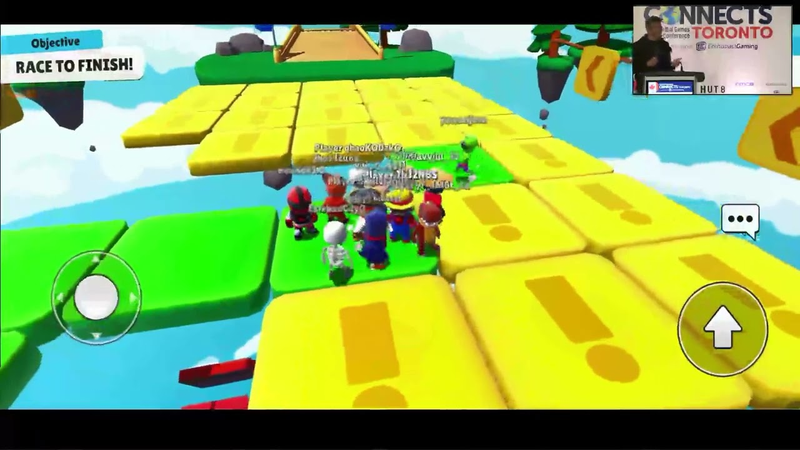
Cooperation Boosts Retention
The integration of collaborative mechanics into game design serves as a powerful driver for player retention and community growth.
- Collaborative mechanics significantly increase player retention by leveraging psychological social cooperation, which triggers dopamine responses that reinforce long-term engagement.
- The mobile game Stumble Guys achieved 22 million daily active users by utilizing real-time multiplayer infrastructure and tournament systems that facilitate both competition and collaboration.
- Players who participate in organized tournament systems exhibit higher retention rates compared to those who engage only in solitary gameplay.
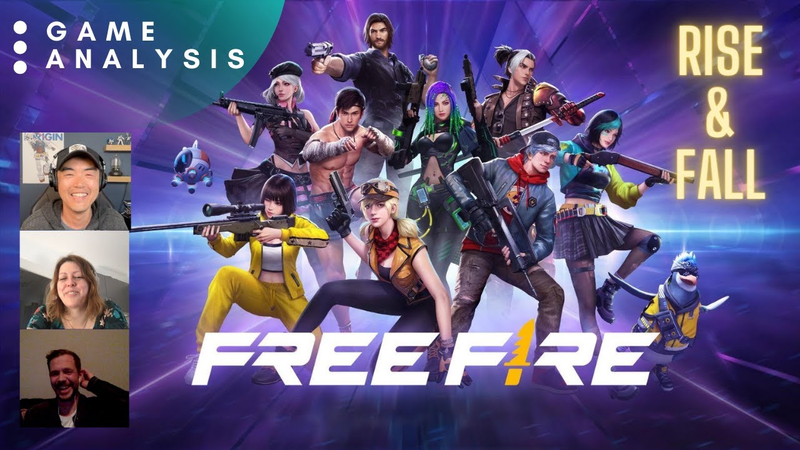
Garena Free Fire: Secrets to Success and Analyzing The Fall
Garena Free Fire achieved global prominence by pioneering a mobile-first design philosophy tailored specifically for emerging markets in Southeast Asia and Latin America.
- Garena Free Fire achieved global scale by prioritizing mobile-first design, specifically optimizing performance for low-end hardware and limiting match sizes to 50 players to capture underserved markets in Southeast Asia and Latin America.
- The game’s reliance on pay-to-win mechanics, specifically temporary weapon upgrades that provide situational advantages, has become a primary driver of player churn as users seek more balanced alternatives.
- Technical instability caused by aggressive, constant live-ops updates has led to significant player burnout, further exacerbated by market saturation and post-pandemic shifts in consumer behavior.
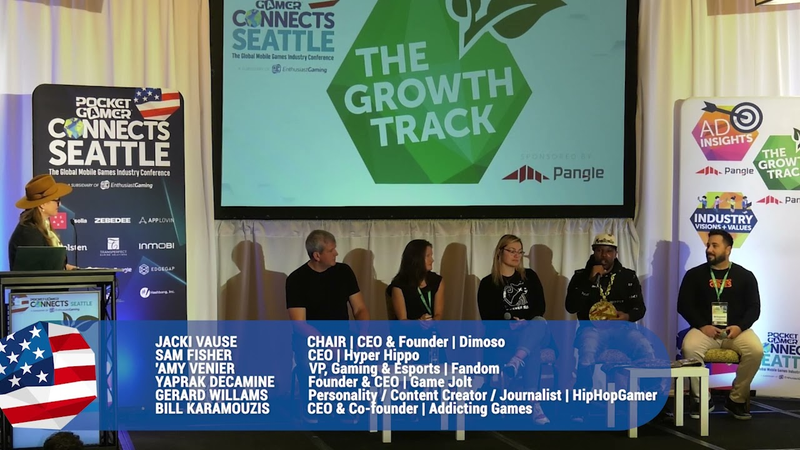
Panel: How To Engage Communities To Grow Your Business
Community building serves as a foundational pillar of modern game development, shifting the industry paradigm from traditional marketing toward the cultivation of long-term, authentic relationships with players.
- Community building is a strategic necessity for long-term growth, shifting the industry model from traditional marketing to cultivating active player evangelists.
- Studios should involve audiences as early as the conceptual stage through beta testing, polls, and feedback loops to inform development without sacrificing the core creative vision.
- Community managers must act as essential, human bridges between players and internal decision-makers, utilizing platform-specific interactions rather than automated responses to build brand loyalty.
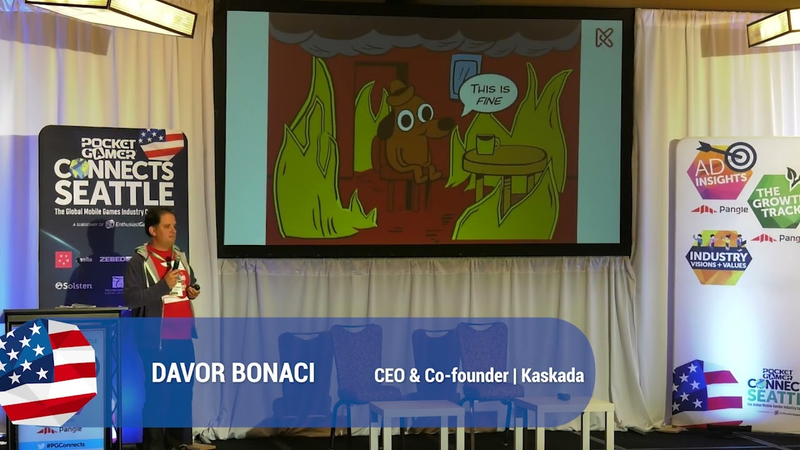
Boost Engagement in Your Game by Supercharging Live Ops With Time-based Machine Learning
Machine learning serves as a powerful tool for mobile game developers to enhance player engagement, retention, and monetization through personalized experiences.
- Effective machine learning in gaming relies on event-based data—such as session starts, wins, losses, and spending—rather than static demographic data, to predict future player behavior based on past patterns.
- Predictive modeling should focus on achievable, short-term goals like seven-day engagement or churn rather than attempting to predict long-term metrics like 365-day lifetime value within the first few minutes of play.
- The most predictive features are discovered by mapping player events onto a timeline, allowing models to identify specific moments of friction or engagement that influence retention.