1 free read left. Create a free account for unlimited reading + AI research.
Create free account
Garena Free Fire: Secrets to Success and Analyzing The Fall
Key insights
6 takeaways- 01Garena Free Fire achieved global scale by prioritizing mobile-first design, specifically optimizing performance for low-end hardware and limiting match sizes to 50 players to capture underserved markets in Southeast Asia and Latin America.
- 02The game’s reliance on pay-to-win mechanics, specifically temporary weapon upgrades that provide situational advantages, has become a primary driver of player churn as users seek more balanced alternatives.
- 03Technical instability caused by aggressive, constant live-ops updates has led to significant player burnout, further exacerbated by market saturation and post-pandemic shifts in consumer behavior.
- 04The launch of Free Fire Max functioned as a critical re-acquisition strategy, successfully maintaining a unified player base despite cooling engagement metrics.
- 05Future growth efforts include transitioning toward high-definition development and exploring digital asset marketplaces to capitalize on the brand's established distribution networks.
- 06Garena is pivoting its strategy from a single-title focus toward a sustainable ecosystem by leveraging transmedia initiatives, such as virtual music projects and pop culture crossovers.
Ask AI about this video
Transcript
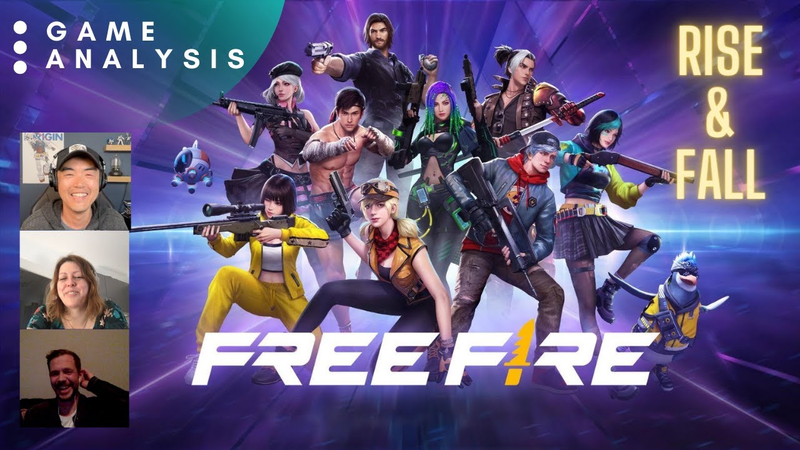
hey evan thomas thanks so much for joining me we are talking garina free fire the secret to the success for that game and maybe we could all just go ahead and jump right in in terms of the massive success of free fire if you were to characterize what they did right and by the way for the audience you guys have done some incred like an incredible deep dive and created like this 87 page initial research report followed up by another report i'll put links to that but given how much time energy and effort you guys have looked at free fire what do you guys think why is garina free fire so successful what are they doing right hey folks joseph kim here i'm going to take you back to our conversation in just one minute so hang on but a quick note on our speakers first thomas speaker has spent his career in mobile game design including a nine-year stint
at electronic arts where he worked on a number of titles but also acted as lead game designer on the hit reel racing 3. and we also have eva grilova who's also a very accomplished game designer having worked on a number of titles at a number of studios but notably wuga and socialpoint both eva and thomas are game design consultants at novik a games industry market research firm links to their bio in the show notes and as a very special promotion starting today they be meaning novik are offering their garina free fire research report super in-depth and really insightful report for free link in the show notes this is something that's literally worth i believe in the thousands of dollars but you can get it free today and make sure to also subscribe as well to game makers youtube channel newsletter so you can get access to future deals just like this one now taking you back to this in-depth and
very expert conversation about how did green of free fire become one of the world's most successful games of all time check it out i can start with the business side of things so like one of the biggest like cornerstones in this whole success story is definitely targeting mobile before anyone else did it like they started developing the game probably around the same time when ford fights fortnight started and by the time everyone was just looking at pc and mobile only came by later while like when garina was building free fire it was intentionally aimed at mobas and it was intentionally aimed at low performing devices which is something we will be talking about over and over again because it's a huge part of the story that mobile first design mentality um clearly had benefits in terms of scaling down to low-end devices but they also brought that to bear when it comes to
things like control scheme you know gun play the amount of bullet drop the recoil on the weapons the amount of auto aim and kind of auto tracking of targets so they they thought pretty hard about how to take you know shooters which is a complex you know in terms of inputs it's a complex genre um and how to adapt that really effectively to the the input method that's native to mobile as a platform and tom could you go into that in a little more depth if you were to highlight some of the big changes gameplay-wise could you kind of repeat some of the things that they changed and talk a little bit more about why you think that those were like good design choices for them yeah 100 yeah so i mean they they have adapted the controls first and foremost um but they also did a lot to the
uh the play account for example is 50 which is half of your conventional battle royale um which necessarily leads to shorter round times which is better for mobile um it also means that the maps don't need to be as large which means the assets are smaller which means they don't take up as much memory so it's less of a threat to stability on device and this also doesn't take up as much space just in in storage so people are more likely to be okay downloading it in the first place um and then more likely to leave the app sitting around on their device uh when they're looking for free space so there's a wide variety of benefits to be had just from that core um central half play account decision uh had all sorts of benefits further down the track um yeah so i think it's it's that kind of
thinking that they brought to bear um that that really shows that they were targeting mobile players who tend to want shorter sessions they want it to resolve um in a manageable amount of time um because yeah they're not sitting in front of their tv or whatever gaming they're maybe on on public transport or sitting at home so yeah right it and eva i know that you had mentioned in terms of the timing they were one of the first to mobile and certainly fortnight when it finally did launch on mobile out of like the top 100 grossing games they might have been like the top number one or near the top but from a device performance perspective they were all the way at number 100 right so to that point they were the most it was the most difficult to to run fortnite from a device kind of support perspective
um do you like from from a regional perspective then or can can you speak to like some of the um some of the impact of that decision both by fortnight not to have a fortnight light version for mobile and and how did that play out geographically sure so like we did a lot of digging on this i like i hope i can answer this well but um like it feels a lot like garina managed to serve markets that were completely underserved and completely under the radar for a long time like um i'm sure there was an intention to building a game for these low-end devices which then again like it ripped a huge harvest in countries like brazil or mexico in the southeast asia recently also or until recently also in india so that was definitely intentional and i think or what we also mentioned in the in the
report is that before before this no one really especially in the west looked at these markets right like and like arena is sort of known for being very innovative and looking into what they can offer that no one else has offered yet like they started as a digital publishing platform in 2009 and they brought together certain aspects that like i don't think were offered at the time like community um chat ability to just push a button and play your favorite games they were working for they had a deal with stance and with riot so they were distributing games like counter strike in southeast asia so there's a lot of this knowledge that they accumulated over the years and now they were using it and hey there's actually a lot of people that have these low-end devices all over the world they want to play something right in in terms of like to that point maybe we could also even talk about a c right the which is the you know green is
operated by a singaporean company c and there's like three kind of operating companies garina is part of the part of it um i think part of the advantage that you talked about was they were live operating other big games and gaining knowledge and things of that nature but could you speak more toward about garina itself or see like kind of more go ahead yeah no like uh lightly so basically garina is part of 3b companies which are all under the under the umbrella of c limited it's a public listed company on the new york stock exchange which is um it's a huge achievement for for forestly who's the founder he's a very elusive man there's one interview with him from 2009 that's pretty much it but he's the visionary behind all of these and there's definitely something to be said about how much into the future he's looking
because um well if we talk about the companies so it's karina it's the digital games digital gaming platform then it's a shoppi which is sort of like um it's a it's a sorry it's like amazon for for southeast asia expanding worldwide or trying to these days and see money which is e-commerce digital e-commerce platform and especially like for shoppi which like the brand got registered around the same time when free fire started development so there were definitely there was definitely some thinking around maybe knowledge in one area can like in digital distribution in i don't know network setup whatever can help us propel these other businesses but i have to say that for me it's also a little bit of a mystery like it's too visionary you know like you're thinking like oh well no one else is doing that like literally no one else is doing that in the whole world so
um but besides the intentions like the story that happened was pretty much a free fire called fire and uh and the money from that then helped propel these companies that require like huge starting capital right and it's way easier or more convenient to have that capital at hand than to run funding and stuff like that so at certain point where garina was or where free fire was making a lot of money that of course gives you a lot of freedom to experiment and if you're a visionary interpreter you're probably going to succeed yeah i if it feels like that or their organizational structure and their roots help them in the beginning to your point eva in terms of the ability to then live operate games gain knowledge expertise from that experience but then to your point about there's these two other kind of or you know these two other divisions and a lot of the garina free
fire uh revenue or profits are kind of you know being used to subsidize those businesses which aren't profitable like if we were to potentially run into a situation where the shooter market becomes intensely competitive and margins drop you could then think potentially about a situation in the future where the c organizational structure could then make it actually more of a negative rather than positive but you know just kind of speculation on my part but maybe kind of going back to the gameplay itself and what garina has done right since that initial phase where you know they were early to market they had the right strategy supporting lower end devices but then if you were if you were to think about some of the key differentiation how they were able to compete against some of these massive other players right whether it's fortnite pubg call of duty mobile and you know more recently we've got a bunch of new entrants apex legends mobile you know
valor mobile's being worked on or has been worked on for a while so that that'll be coming there's going to be another call of duty mobile shooter game battlefield like could you speak to kind of like maybe with respect to some of the bigger games what you think is a primary differentiation between them and what they're doing well and then maybe also what do you think about the potential impact of this new wave of shooters all hitting the market that are kind of you know battle royale focused so like i'm gonna take the first part of the question and just like mention the regions because like um what garina like the expertise they gained while they were operating um games like counter strike in southeast asia is also like that there are different different countries different cultures which have different requirements and they really leverage this with free fire we can see that like i think the most
shining example is brazil i think they also got fairly lucky there like it really spread incredibly like they were they're like the peak the eiu in brazil was 28 million players in a country with population of 210 so it's like wow a lot of people in brazil were playing free fire at the same time like garina is notorious for building local teams in locations like sao paulo like mexico city and catering like building local localized and local flavors into into the events and into the game so they were really like looking at the audience and saying oh this is what you need we're going to give it to you because well if we will it's going to be good for us and the numbers speak for themselves it was good for them for a certain amount of time right so like the lower end device strategy and you're saying a big part was just a lot of localized stuff that they did running local esports like all of that
like hey we have a community here and we're just gonna cater to it as much as we can and and beyond that getting um you know local streamer you know celebrities to endorse the game you know building up that profile um with you know people that that region is familiar with and already care about um and i'm i'm pretty sure that this this hyper-localized mentality was brought to bear on on each region um so they're each kind of somewhat their own separate silo in terms of the talent that's used to to spook the game but also in terms of um the cosmetics and and the live events that are promoted in each region there's is content that is specifically catering to each given culture that ties into real real world cultural events that are
um specific to that area and that you know that's the kind of thing that makes people feel like this is a game that understands them that you know it gives them more marketing beats to hook into um when they're promoting the game and and running ua so um yeah obviously it's the kind of thing that you you only have the privilege of being able to do when you already have a big budget and a big team but you also have to have the foresight and the organizational capacity to actually execute that strategy successfully and think to do it in the first place as well so um it's not just something this is something they already tried with the garina platform with like leagues of legends so and thailand they already run like hey this is a specific character that we created just for you just for this specific audience someone a local star like and they did this a
lot again with free fire like also heavily in india in brazil like building characters based on bollywood stars and stuff like that like so they really know what they're doing in this area right and just to kind of repeat and clarify some of the localization initiatives that grina implemented if i'm understanding correctly it sounds like what they did were specific localized cosmetics specific localized characters and tom you also mentioned events so maybe like you know for the specific location various kinds of holidays and things like that but was there anything else or do you think those those are the three main forms of localization i think it's those and it's also running like events like on the ground like area specific um esports tournaments that kind of thing to to really foster a culture of higher level competition yeah okay
and it's also interesting how like differently it works in different countries like we can definitely talk about u.s because that's i think one of the most interesting stories about garina or about free fire uh but for instance like like for instance in brazil um the virality was huge like you can really see um like the crazy amount of dius like in comparison for instance with another latin country which is fairly big for garina that's mexico it's still still huge so there are definitely some um cultural factors to how the game spreads which was again like really really leveraged in in brazil and i think like partially it was just sort of sheer luck but at the same time like is there for the ones who are sort of prepared right and like also in brazil there was this like whole it sort of became this dream you know like um like based on the social economic factors like it became this dream of i can i can
become an influencer i can i can become rich like there were stories of influences getting huge almost literally overnight and for brazil which is huge and diverse and there's a certain a an underserved population when it comes to games but also a population which is poor there's this dream of of course like getting out of that right and for a long time in brazil this was the dream of becoming a soccer star like that's a very national wide dream and at some point this got replaced by becoming a free fire influencer or a free fire star like i've seen i've seen um sorry like i'm going to wrap up i've seen surveys from from the favelas like which games do you know and 100 percent of the audience would name free fire and potentially no other game like this is the kind of impact they caught on and
it was huge right and when you think about for example going back to that second part of the question which is really about competitive landscape and how you would potentially think about the differentiation between fortnite pubg and call of duty mobile for example in this kind of current generation of competition like one thing that comes to my mind is that you know fortnite got banned um they kind of you know for whatever reason had the issues with google play tried to launch their own store on google on android when you look at call of duty mobile it's just from what i'm hearing most of the gameplay is more tdm team deathmatch instead of battle royale and so it seemed like when you think about compet competition to green a free fire it seemed like it's most mainly pub g but i don't know if you guys would agree or disagree and then um maybe just to keep things complicated and
adding to that you know how would you guys like characterize the competitive landscape in terms of the current market and then again going back to like this new wave of of competition coming in apex legends mobile valorent battlefield um how do you think that that then changes the competitive landscape with these new guys jumping in um well i think um i mean free far yeah i think i i agree i think the primary competitor is um is pubg um i think that what free fire still has over the competition is um you know really excellent performance on low-end devices any competitor that's aiming to make a dent in that is gonna have to scale down and accommodate that demand in in tier two and um three audiences and even in tier one countries we we see from
the numbers that there is clearly a demand for a battle royale experience that is polished and also runs well on i believe mid-tier devices android devices in the us like is is a big um opportunity that free fire has managed to capitalize on so the like wide device compatibility feels like table stakes for me to really pose a threat to free fire um to its specific market i think you would also need to be employing the same kind of um short round mentality uh as free fire has employed and we've seen that come about in um in pubg new state which was utilizing uh i think one of the modes that they were rolling out shortly after launch which is a little while ago now we appear to be very much mimicking this free fire uh approach of trying to keep things
tight keep them snappy keep things resolving rapidly you know the player count is down um high quality loot uh that kind of thing so um yeah you would need to you'd need to do what free fire is doing and then present some kind of compelling competitive advantage and one thing that we haven't talked about yet is um you know arguably a strength and a weakness as as is arguably pretty much any game design decision um on free fires parties they're heavily diversified monetization uh avenues so they they have the cosmetics side of things locked down as do all the battle royales really um the really big ones but what they have that the others don't and this was probably the most interesting part of the analysis um for me was that they're selling power so then they're not only making you look cool but they're making you more powerful um
and they do that very cleverly and we can talk about why but um essentially i think probably the the greatest risk to free fire is free fire itself in the sense that uh by allowing players to pay for competitive advantage um they're making they're making clearly making good money out of that but if someone comes along with a more fair uh more level playing field oriented option that is also accessible to people's devices and also has snappy gameplay with very accessible controls gun play and and you know um that kind of thing accessible round times then i think that that could pose a real threat um as for the specifics of of those competitors that you mentioned um apex uh i i'm actually not sure how well
that core gameplay translates to mobile um i haven't delved deeply into the mobile version yet um on on pc on hd it's it's a more nuanced experience than your average battle royale um whereas free fire has gone the less is more kind of approach um so yeah i i'm i'm not convinced that that pose is a threat but i haven't looked at the numbers so i i shouldn't speak too confidently there um battlefield mobile we haven't even seen a reveal trailer so that's that's a wild off yet um it has a fairly different audience uh well aesthetically speaking at least um you know battlefield caters to the authentic authenticity oriented crowd um so yeah it'll be interesting to see how quickly they jump the shark there um yeah i i i suspect that just you know you can't you can't
get over a billion downloads and have all of those players churn out and then expect to keep kind of bulldozing forward at that same pace while still making money out of kind of disrupt disrupting the the integrity of the competition i don't think so um yeah i suspect it'll be the game itself that that undermines its future i can talk about that um so by the time we released the report the numbers were like looking talking specifically about the eu and revenue they were let's say um falling down a little bit but not heavily but now we're half a year later and i can say for sure that it's it seems threatening like the absolute peak for free fire was the august of last year that was the largest dau or monthly um average users and it was also when they were making the most money
and uh like we were looking at something like 180 million bau at that moment and now we're at like 40 so i think that speaks a lot for how quickly the game is falling out um one thing that i don't know for sure and i don't know if tom looked into it is that like we don't know how much or how little their efforts on the live upside has have dwindled right like um [Music] at some point there is a point of no return when it no longer makes sense to run a very heavy operation i don't think we're there yet like they're still releasing seasons and everything and the game's probably gonna be running for a couple more years for the dedicated audience but i think it's safe to say that it's way past its prime yeah so let's talk about a couple of these issues that you guys raised i mean kind of a couple of bombshells here right so so first this differentiation tom that you mentioned about the monetization model in green of
free fire which is dramatically well you know you can carry you can characterize it for me but i would consider you know potentially dramatically different from what fair to play players are expecting and i think you talk about this in your report you call it the you know they're monetizing and what you guys call the goldilocks zone so maybe we could start with that but then i also want to get to the point that you raised eva in terms of like the the kind of decline now and you know c did warn that they may be 40 down in terms of their overall gaming portfolio if they're uh at a one of their financial analyst calls but let let's start with um with this sort of pay to win uh or the the monetization model tom or eva could you guys break down the specific differentiation and how they are so different from from let's say pubg yeah sure um i'll take this one it was it was the area that i focused on um so
yeah so i described it as being in the goldilocks zone and what i what i meant by that is um the the competitive advantage that you can pay for is is sufficiently large and appealing that it's worth paying for but not so great that it actually undermines the integrity um or fairness of the competition um yeah so you know not too little not too much kind of just right uh influence over the outcome of any given match and that's um you know so part of the cleverness of the way that they've monetized power is is kind of inherent it's kind of baked into battle royale as a format uh for gameplay there's there's a lot of randomization elements there um you know i'm sure the audience is probably quite familiar with how battle royale functions is randomized loot you drop into a
semi you know a place that you choose but your options are determined by a randomized flight path at the beginning of each round um so even if for example so when you when you buy a weapon you have um that any given weapon will be better than its base version but not uh like obviously significantly better it might be like i don't know 20 40 better it's not like you can upgrade guns and have this massive vertical progression where you can see that your gun x is three levels higher than this other person's gun x so um so when you buy a variant of a weapon they add a couple of things that benefit it like might be rate of fire and you know bullet drop um reduction and they might reduce the damage so it's
like well it's better but it's not like roundly better it's not categorically superior it's um it's kind of it's something of a side grade but it is obviously the superior option and that that has all sorts of benefits first of all it kind of tempers the sense of pay to win um which is is a good thing uh the other thing is it means that they can have many different versions of the same weapon for sale and different versions might be preferable for different players are in different circumstances or different maps different modes so that's useful as well because it means that they can not just sell you an upgraded blah they can sell you different upgraded blah um and then beyond that once you get into a round there's only so much chance that you will actually find one of the weapons that you have paid for
so just because you have you know half of the weapons in your inventory of say 50 guns might be these paid semi-upgraded variants it's the luck of the draw it's it's where you choose to lose where you choose to drop um that that determines whether you get to take advantage of those and then beyond that there's the fact that when you encounter another player or players in battle royale inherent in in the relatively freeform nature of that is you don't know whether you're going to engage them solo whether you're going to come across an entire squad uh are they going to get the jump on you are you going to be like on a hillside that's heavily forested or in a like claustrophobic urban environment are you going to be out in the open so there are all these variables that contribute to different weapons being more or less useful and and just having paid for them doesn't mean that you're definitely going to win so that's that's
part of what contributes to this goldilocks um element um and then tom in your in your research report you you kind of allude to this concept that i think you called orthogonal utility yeah is that and you kind of compared it to something that you called categorical superiority is that is that a good example of that uh yeah yeah so yeah basically the orthogonal utility like the classic example is i don't know um chess chess is an okay example the bishop has fundamentally different benefits to to the um bishop um did i did i say the same thing twice the anyway yeah orthogonal uh utility is about um basically different things having different uses in different circumstances and just because you have a fully stacked smg and if if you pick that up and then you encounter someone in out in the open
and they have a default sniper rifle then they're probably gonna gonna take you out so um so yeah there are many subtle ways that you can pay for advantage but they don't all combine to collectively increase your chances of winning in any given encounter but they're beneficial enough that they're seriously worth considering and then there's this separate layer to it um which which i found really interesting um which is the the temporary nature of a lot of the power that you can pay for um temporary cosmetics are also a big part of what the game does um it's not unusual certainly not unusual in in korean games have been around for a while um but yeah it is certainly more prevalent in free fire and and the fact that the power that you pay for is also given a time limit means that just because you
bought such and such thing a week later you no longer have access to it so they they can afford to charge you a small amount for something that's quite useful um but then you might you'll kind of essentially have to subscribe to that power on an ongoing basis if you want to consistently leverage and increase your chances of winning and here like if you come back to what the competition can do better it's definitely that also this behavior and this particular battle royale was the first like game of this genre for a lot of people that saw the game right so as soon as they sort of realized that like things don't have to be this greedy or this pay to win of course like that's another reason to leave the game right yeah and it's and well and the inverse of that is um if you're already in love with pubg
then you play free fire and you see that your opponents have paid to beat you and what they paid for is something that they don't get to keep um the chances of you being like oh yeah this is the free the battle royale for me this is something that i'm gonna um invest in heavily yeah it just seems pretty slim so uh when you have a captive audience like they did in the tier two and three regions that they really aggressively captured early on then these things are competitive advantages but when that same audience is exposed to an alternative or that audience in a different region has a prospect of jumping to your to your product to free fire uh i think it kind of inverts and becomes a competitive disadvantage got it so going now to that second part eva you had mentioned the decline and i think you guys go into in more depth in
your report but since like august 2021 i think you guys have been showing a decline i mentioned before c itself has warned that there may be a forty percent drop and in green and maybe like a 30 drop or something like that but uh for for this year what are you guys seeing and maybe you we can even follow up to your point tom about because of the the pay-to-win mechanics that potentially fueled a lot of the profits that they generated in you know to now is that a risk for them does that pose a risk for them to continue to fall especially as we see more and more entrants into the market what do you think eva right so like as i mentioned like by the time we were releasing the report the decline started to be tangible but there was still like it wasn't unclear how it's going to continue so now we're happy later and it's it's it's very tangible it's very visible so like for instance in brazil the game is
sort of like falling off and um i'm not sure if it makes sense to talk about the actual numbers right but like it's obvious that the audience has pretty much like dwindled to a very small degree what it used to be um [Music] uh an interesting case that we haven't really spoken about yet is the united states and um so when we were looking into the numbers and into how different markets perform one thing that was very very interesting was that actually like it was clear from the start that garina tried to capture southeast asia they tried to capture lotta and they definitely succeeded there but one of the like side effects of developing for low-end devices was also capturing a huge android base in the united states and that was the sort of interesting thing because when you look at i don't know the ratio of devices used for pubg it's going to be more or less half half
maybe slightly higher for ios even but for but for free fire it's like five to ten percent of ios users and then the rest is like this overwhelming mass of uh of android users and unlike the markets that garina captured early on like the interest from the states like about free fire only only happened with corvette like there's a very clear trend like march 2020 the numbers are going up um and particular revenue that there wasn't even such a huge uh amount of players like actually like that's also something we can maybe show it's that at the time of writing the report like a third of all revenue was coming from the united states while only two percent of all players were coming from there and that's like already in the report we mentioned that this is sort of risky because first it's in the market which is sort of unknown to garina right like they know
how to operate on their own turf they know how to operate in southeast asia but this felt more way more accidental and one of the things that speaks for like maybe garina not expecting that was that english speaking esports tournament only happened for the first time like in april 2021 so while they were like running esport tournaments for three years already in india in brazil serving the english-speaking audience came way later and um so by the time of the report u.s was contributing about one-third of of of revenue and we can see that this has also fallen off drastically and um like it's been nice why it lasted but it's no longer there and like you asked what factors contribute into this um like i think a big chunk is really that the players are sort of like wasted right
like they're tired of the game or they're not playing it anymore which we can see in the eu but also in lots of countries like i would again point out brazil like i think it's safe to say that everyone who would be potentially interested in the game already has seen it and has tried it and has played it like i think the total of downloads in brazil is like 150 million even if there will be some something ascribed to i don't know you know double accounts and stuff like that it's still like it's 2 million 200 million population so that's a lot of downloads and you can't really you know get more right and um in us probably i would assume that again like um you know things are freeing up people no longer spend time in front of their phones or computers uh that's definitely gonna play a role as well and um to add another little story on top of that like for instance in southeast asia itself the decline has been also fairly tangible um also like it
all all the decliners sort of coffee themselves like the peak the worldwide peak last august and then things are sort of falling off falling off um there is couple of interesting stories that are very hard to explain that sort of like set my brain on fire while doing the report like for instance at some point in indonesia the revenue just drops off to a fourth and never recovers and i spent ages trying to like understand why like was there a lockdown imposed was their lockdown opened released was there another game released but it doesn't really make sense like i think like the theory i'm sort of fine with is maybe something happened in the game itself maybe a technical factor that i don't know maybe had an impact for a couple of hours or days and meanwhile like players sort of you know churned because they lost like their uh main activity i don't know but it's it's safe to say that uh like for
instance in indonesia again like the adoption of of the digital world of mobile devices is still on a very strong upward strength like 26 new mobile users um or mobile gamers actually between 2021 that's also like a very you know steep upper strength but also comes with a heavy push for local development for local investments and locally built games which of course will take away some of that audience as well so that's also like a reason why by for instance in in there like in this region it's not just the case for indonesia but it's a good showcase case showcase case is that like the local development is taking over and like the local digitalization is is a strong trend and heavily um heavily i'm not sure i would say subsidized but definitely heavily looked on
by you know the government hey there's some official money we can make local development we can create local jobs we can create local games yeah i think it's part of a broad broader kind of decolonialization digital colonialization yeah i think yeah i mean i think there are some macro trends at play in its decline there's there's the covert hangover factor where like everything that involved being able to socialize online blew up in 2020 2021 that can't possibly persist um you know what goes up must come down so the neighbors the the numbers don't compare favorably almost by default um battle royale itself as a genre you know has burned very brightly for a while now um but i think you know well i know it's on a steady decline as a whole um but there are also there's one other game specific aspect that we haven't talked about beyond you know
the probability that this pay to win component is biting them um now which is the game is so incredibly or has been so incredibly heavily updated that the the live events that they run the complexity that they inject into the game on a monthly basis in terms of varied micro meta games uh in terms of season specific game play that they're absolutely thrashing the live ops and that is on one hand admirable but we did analysis of reviews and you know kind of common search terms and ratings and it became evident that there is an increasing number there are an increasing number of players complaining about instability about data loss about you know loss of performance
so um essentially i think what's going on is they are running so fast that they are tripping over themselves that you can only be so robust with your qa um you can only shove so many new assets uh into the game without summoning it um basically causing trouble and tech debts mounting up uh so i i think you know it doesn't matter how cool or interesting or fresh your game is from week to week month to month if it doesn't work or you lose all your um you know sweet cosmetics or your profile data that's that's an instant game killer you know that that could cause a heavy spender to churn immediately if if they lose their stuff so um i think yeah they've kind of um run so fast that they're actually causing themselves trouble and that that actually and i i can't substantiate this
but my kind of player experience brain says if the game if the player has to continually learn and re-learn what it is to be optimal at this game uh you know constantly solve a new efficiency puzzle every week or every month in order to excel at the game and compare favorably with with other players or just feel like you have satisfied that need to be efficient then it's it's gonna take a cognitive toll over time um so on the one hand it probably keeps the game fresh and keeps people engaged on the other it probably burns them out gradually um so you know yet another case of like you use a particular tool in the game design toolbox it has pros and cons and then like often right inversion difference that's really interesting i i mean i could certainly see the the first reason that you talked
about with like covet hangover and we certainly saw like even when you look at social casino games for example as soon as the stimulus checks hit in the u.s and you you mentioned that there's a dramatic increase in terms of monetization from the us we saw big spikes in some of those games in terms of spend so that part makes sense and i can see that part declining but i i really thought that some of the other points that you guys had brought up in terms of maybe it is like this pay to win aspect and possibly to your point the technical instability just because they're they're potentially trying to put so much in so fast that may also be leading to a potential decline so that's that's really interesting to hear about and maybe the one other thing it'd be great to talk about would also be this issue with free fire max and you know we saw you know pub g also release a new new sku new state but
could you maybe talk about some of your opinions in terms of max what they did right what what's your kind of like outlook on on max and why do you think they launched max in addition to free fire yeah so i think um uh max is a really interesting case um so uh for the listener basically max is like a ultra hd version of the game it's essentially the same game it's same gameplay same live ops same economy your save data transfers between the two versions of the game um so that it is it is free fire but it's free fire under a different app id with different more high-res assets better visual effects um and the one interesting case where the
functionality differs is um is in craftland which is this um level editor that they've built in which you know presumably was too resource hungry for lower end devices or maybe just a key differentiator to try and encourage people to um check out the new version but so that's i mean the existence of max is interesting partially because it's something that i i don't know that anyone else has really done if you look at pubg for example uh i remember there being nine different skus you know that is a game that is highly fragmented across different regional specific implementations of that ip that um kind of genre of game and you know there are benefits to that approach but the the the real win with the free fire and free fire max is there's no fragmentation of player base so you can play against your friend who
has a higher end or lower end device um seamlessly they don't have to worry about uh you know cannibalizing in terms of concurrency of players that kind of thing um but but what's not you know super clear is why they released it as a separate app because they like i'm not a technical person but uh you know it it seems to me like unless there's some fundamental underlying like engine or asset management reason there's no reason they couldn't have done the same thing in the same app and just had it detect your device and enable or disable various functions and vfx and assets on that basis so i my my theory is that it's essentially a marketing move like they did this because they thought that it would light up the free fire brand they could
launch it as a new thing draw a lot of attention um get people to reinstall the game where otherwise they might have just been like not even known that it existed um as a new set of assets and this high fidelity experience um so yeah i think broadly it's like a re-acquisition um profile spiking maneuver on on garina's part eva do you agree with that yeah like like yeah obviously i do i do but like it's also funny because like this sort of idea um maybe some people will come over uh actually one of the one of the two drops in the au that happened over the last half year was the release of uh free fire max and that and it wasn't really compensated so you see people leaving the original game you see people playing less than the original game but it never picks up in max so
like that's also like a story that we can speculate on maybe people jumped over so it's exactly the same and it was the last throw for them um but in terms of like that expectation i don't think it really delivered [Music] all right well i have one last question so it just green a free fire longer term given how much you guys have researched the game the company what what do you think we should expect from green or free fire in the future and are there things that you you think that they should be doing right now to improve free fire so like this is this is an interesting question and i'm really not sure because like my general anticipation would be like they have built this mass network they have all this knowledge they know how to run liveops they have the local studios everywhere so like to me it sounds like trying to develop
something new would make sense um i was sort of like looking into what jobs they post if that has changed over time and there's not really any indication of some like strong activity which doesn't have to necessarily mean anything in case like they either have the themes in place but also pointing out that free fire was not actually developed by garina by but uh but by a vietnamese studio they sort of outsourced it to so like at least originally the whole like the whole the whole game was not developed by garina and like that's really not clear if they have capacity to do something like that like my guest would be more inclined to say yes um but whether they're like at this point it makes more sense to to be thinking how to utilize all that knowledge than to you know try to revive um garina uh free fire one thing is that um it could follow a similar pattern as
shopi does so with choppy they have uh success in southeast asia but now they're also trying to get into other markets like brazil or france there can be potentially still some untapped audiences for free fire for instance i think turkey was sort of on a rise by the time we were doing the report i actually haven't checked how it's looking now so i think it could still um potentially think about certain markets but that sort of mass successes pass us um and i'm not really sure how to how to answer this and how to answer this question like tom can speak for visit the game i can speak more on the outside scheme um it would be weird if they weren't at least prototyping is my opinion like why not because they could come in with something completely new relatively
easily and they have the distribution channels which i think is the most important part in this case yeah what do you think tom so my sense is um that i mean i think they would do well to avoid burning out any more of their players with performance issues and and technical problems um yeah i mean it's it's always risky you're running on the treadmill that's what keeps people engaged uh do you take the time to slow down and shore up your defenses to mix metaphors um to to try and retain people or do you keep running as fast as you have been and hope that they stick around despite you know the bumps in the road uh i would probably be inclined to say they they should be at very least in parallel trying to really meaningfully address the tech debts that they've accrued um so that that would probably be uh
i think that should be a priority for them in terms of more like interesting broad product strategy moves they could make um another another possible theory for the development of max or a way to build on the development of max is uh some time ago they acquired uh i can't remember the name of the studio maybe phoenix labs yeah phoenix labs yeah so they put out a free-to-play kind of monster hunter um like uh that's cross-platform called dauntless and perhaps the effort that was taken to uprez the assets for max was a step towards going like properly properly cross-platform and yeah yeah come out on hd um and perhaps recapture some of the market that fortnight has kind of
left behind because um to my knowledge it's the it was the only true cross-platform battle royale uh or at least the only really big one i think there are probably other instances but they haven't blown up so what if what if they took all the assets the vfx and so on uh utilized the expertise of cross-platform play that they have from dauntless and went stepped into the shoes that fortnight um vacated um a year or so ago so that's one interesting possibility another is they do what it seems like almost everyone is doing these days and kind of go um transmedia you know release a tv show or um you know put out a movie they already have uh some pretty slick video production capabilities that they bring to bear on their um marketing materials so i can imagine that they could perhaps repurpose them
um or just outsource development further and and try and turn free fire into like a universe unto itself um and they also have this um quite weird interesting thing that's a bit like you know the gorillas the bands that's a virtual band made up of you know a super group of um regular band members but it's you know as a performance it only exists in its kind of virtual form um potentially they could uh so free fire has a virtual band and i can imagine they might try and build out the cultural cachet of the brand um by having that band go on tour or something like that there's there's all sorts of you know pop culture crossover happening between these juggernauts of of social competitive games and other forms of
popular cultural expression so i can see them potentially trying to capitalize on that and then one kind of long shot possibility is they they take you know what might soon be a husk of a game in free fire and run some kind of crypto related experiments on it to see if people are interested in like trading cosmetics and they take you know takes take a cut from each marketplace transaction or something um and then you know depending on the outcome of that as a product experiment and you know working out what the pipeline is and what are the regulatory limitations of you know what will what will apple and google actually tolerate being present on their platform in a high profile game relatively high profile um and then bringing all that knowledge to bear on whatever they might be prototyping right
now but that's probably a long shot i'm not sure i would sacrifice the golden goose to um to that god just yet but they might be considering it yeah a lot of really interesting ideas that you bring forward and i definitely think the you know the the phoenix labs acquisition for them to go to hd that one really seems like that would make a lot of sense for them to do but yeah all right and it's something that they're relatively well positioned to do compared to the competition yeah right everyone else is sitting yes yeah okay eva and tom thank you so much for your time just to wrap this up for people out there in the audience who want to get in touch with you uh how can they do that and do you have a final message for anyone out there listening i'm not on twitter um which is kind of weird but there you
go um but um but i am on linkedin you know thomas speaker um i'll leave a link yeah awesome thank you for me not not by the most baker evergreen on linkedin as well okay um and final message i don't know i hope you enjoyed um our analysis and and the podcast and um yeah if ever you want uh some consulting services or um juicy juicy deconstructions um navic navic pro hit us up i'll definitely leave a link to that as well tom and eva thank you so much and for our audience we will catch you next time thanks everybody thank you thanks bye [Music]
you
Summary
Garena Free Fire achieved global prominence by pioneering a mobile-first design philosophy tailored specifically for emerging markets in Southeast Asia and Latin America. By optimizing performance for low-end hardware and limiting match sizes to 50 players, the game successfully captured a massive, underserved demographic. This technical accessibility was bolstered by a hyper-localized strategy that integrated regional influencers and cultural events, transforming the title into a significant social phenomenon that provided tangible avenues for community engagement and social mobility.
The game’s monetization strategy relied on a nuanced approach to incremental power, utilizing temporary weapon upgrades that offered situational advantages. While this model drove substantial early revenue, it has increasingly become a point of friction. As players gain exposure to more balanced, consumer-friendly alternatives, the reliance on pay-to-win mechanics has contributed to rising churn rates. This decline is further compounded by post-pandemic shifts in consumer behavior, market saturation, and the technical instability resulting from aggressive, constant live-ops updates that have led to player burnout.
Despite these challenges, the brand remains a powerful asset. The introduction of Free Fire Max served as a vital tool for re-acquisition, maintaining a unified player base even as engagement metrics cooled. Looking forward, the focus is shifting toward brand expansion through transmedia initiatives, such as virtual music projects and pop culture crossovers. By leveraging its established distribution networks and technical expertise, the company is now positioned to pivot toward high-definition development and explore new market frontiers, including potential experiments with digital asset marketplaces, as it seeks to transition from a single-title success to a broader, sustainable gaming ecosystem.