Player Demographics reports and market data
Documents


Essential Video Game News: Market, Consumption, Use 2017
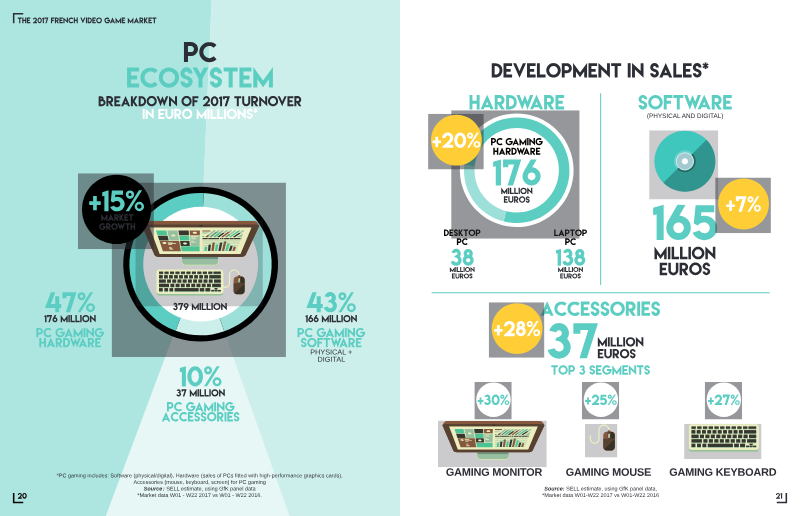
The French video game industry reached a significant milestone in 2017, solidifying its status as a cornerstone of mainstream leisure.
- The French video game market reached a valuation of 3.46 billion euros in 2016, followed by a 14% growth rate in early 2017.
- Gaming has achieved mass-market status in France, with 52% of the population identifying as regular gamers and an average player age exceeding 30.
- Digital platforms account for 58% of game transactions, while physical retail remains the dominant channel for families and younger demographics.

Player Segment Analysis: Example Report
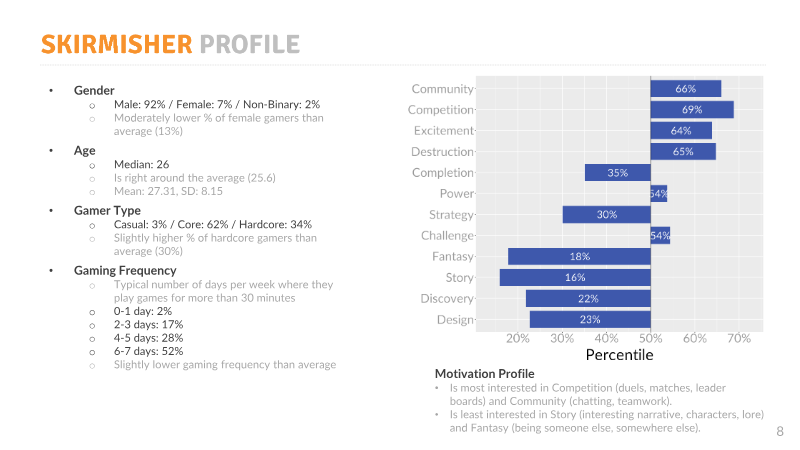
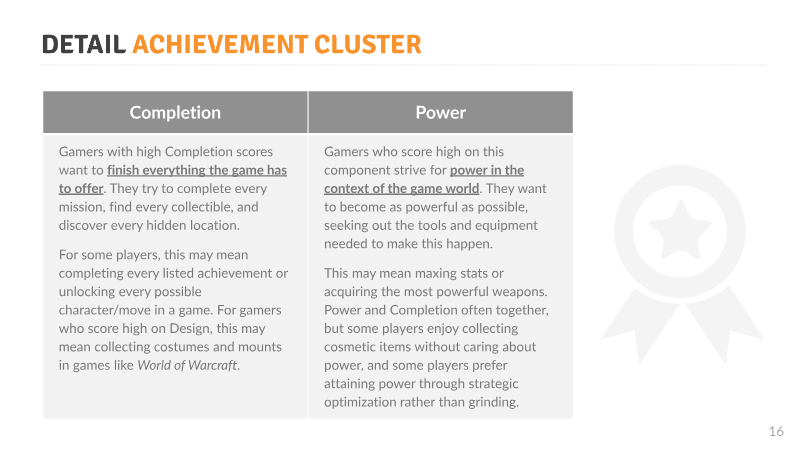
This analysis provides a comprehensive framework for understanding player behavior by mapping psychometric data to specific gaming motivations.
- The research utilizes a dataset of over 400,000 global participants to map psychometric data against specific gaming motivations like mastery, achievement, and social interaction.
- Player segments are identified by filtering out base-rate popularity bias, revealing unique mechanics that drive engagement for specific player types rather than just general game popularity.
- The study sample consists primarily of core and hardcore gamers with a median age of 25, recruited through social media sharing.
Making girly games that aren’t patronising
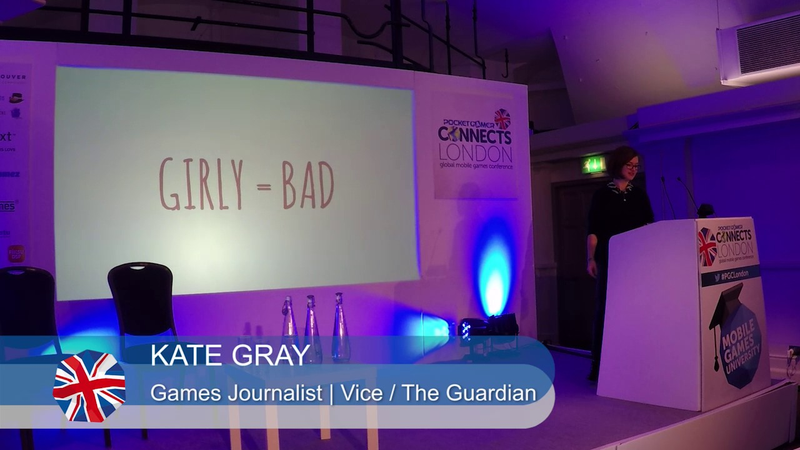
The gaming industry suffers from a systemic bias that devalues femininity, leading to a cycle where games marketed toward women are often dismissed as inferior or relegated to low-quality shovelware.
- The industry's systemic devaluation of femininity originated from a 1983 market shift that pivoted exclusively toward teenage male demographics, cementing a long-standing bias against female-oriented content.
- Games marketed toward women are frequently relegated to low-quality shovelware, creating a self-fulfilling cycle where poor design reinforces the stigma that feminine themes lack artistic merit.
- High-quality titles like Style Savvy, Mystic Messenger, and Toca Hair Salon prove that traditionally feminine themes—such as fashion and social simulation—can support complex, deep, and well-designed gameplay mechanics.
The Anatomy of Gamer Motivations: What We Learned from 250,000 Gamers
Gamer motivation is defined by six primary psychological clusters—Action, Social, Mastery, Achievement, Immersion, and Creativity—which serve as the foundational framework for understanding player behavior.
- Gamer behavior is categorized into six primary psychological clusters: Action, Social, Mastery, Achievement, Immersion, and Creativity.
- Analysis of 283,000 unique users demonstrates that player preferences are not monolithic but vary significantly based on demographic factors.
- Predicting long-term player retention and guild longevity requires advanced analytical techniques, including machine learning, factor analysis, and social network analysis.

The Gamer Motivation Profile: Model and Findings
Gaming motivations are driven by 12 core factors categorized into three primary clusters: Action-Social, Mastery-Achievement, and Immersion-Creativity.
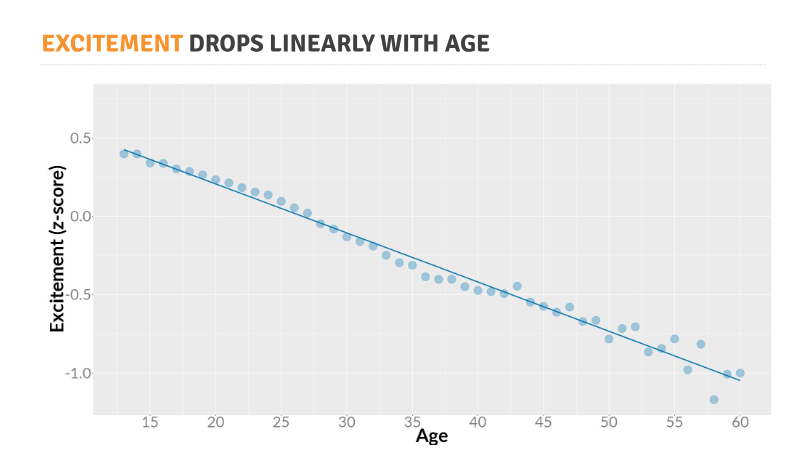
- Age is a more reliable predictor of gaming motivation than gender, accounting for twice the variance in player preferences across most categories.
- Gaming motivations are structured into 12 core factors grouped into three primary clusters: Action-Social, Mastery-Achievement, and Immersion-Creativity.
- Gender-based differences in competitive play diminish significantly after age 45, suggesting that industry design strategies should prioritize age-based segmentation over gender-based assumptions.
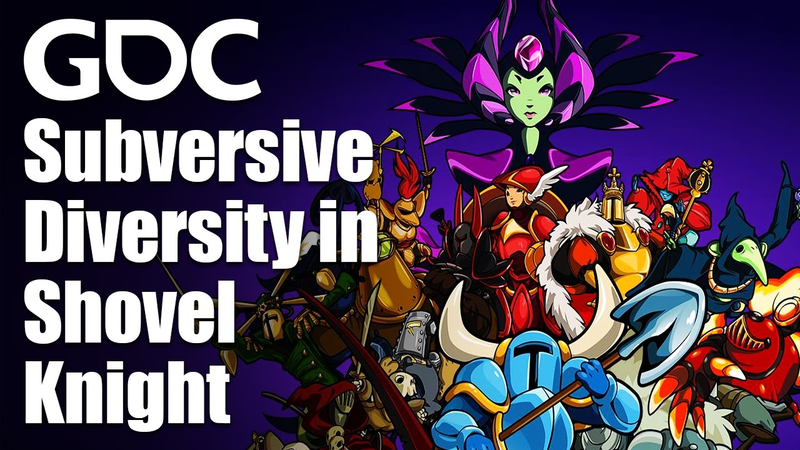
Knights, Fist Fights, Lasers & Catacombs: Subversive Diversity to Improve Our Games
Meaningful diversity in game development requires moving beyond superficial aesthetics to integrate inclusive design from the earliest stages of production.
- Diversity in game development should be an intentional design choice integrated from the beginning of production, rather than a superficial veneer added at the end, to avoid it being easily discarded or poorly implemented.
- Developers should avoid relying on lazy tropes, such as assigning specific gender roles to character stats or using 'color-swapped' character models that lack unique backstories, as seen in games like Crypt of the NecroDancer where character models were identical despite different skin tones.
- Inclusive character design requires authentic representation; for instance, developers should consult with diverse teams to avoid harmful stereotypes, such as the inaccurate depiction of black hair in Broken Age.
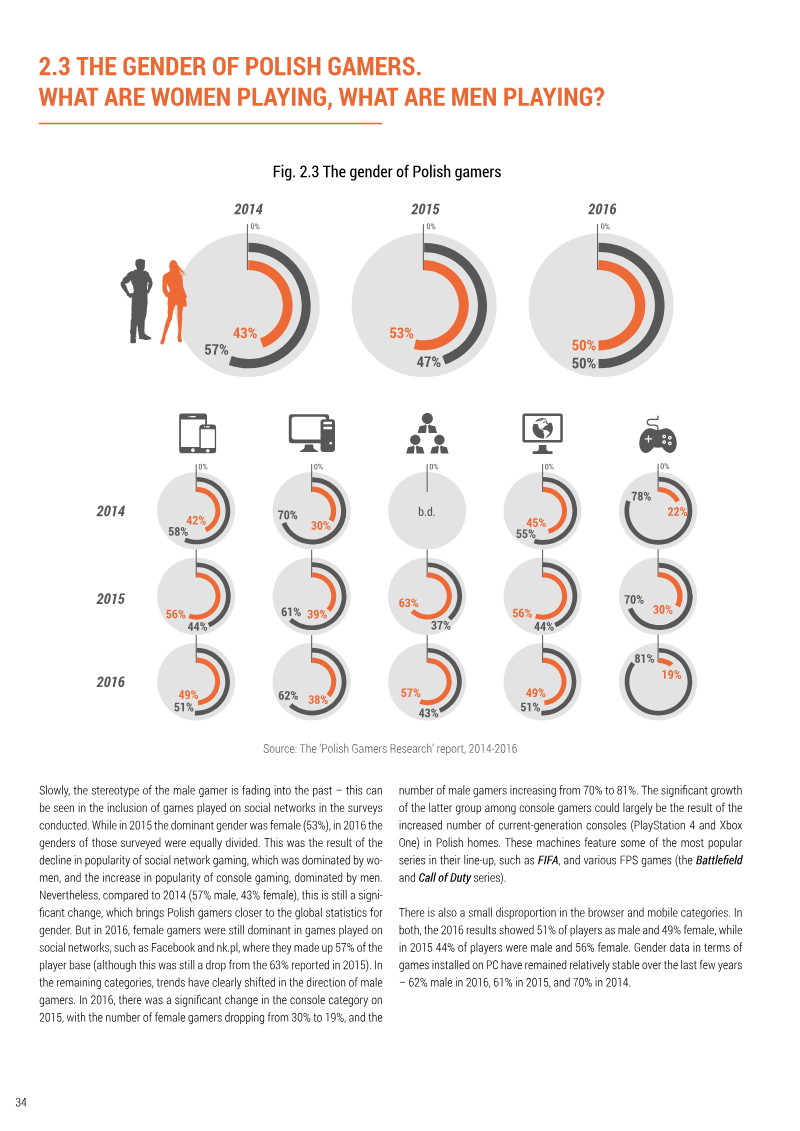
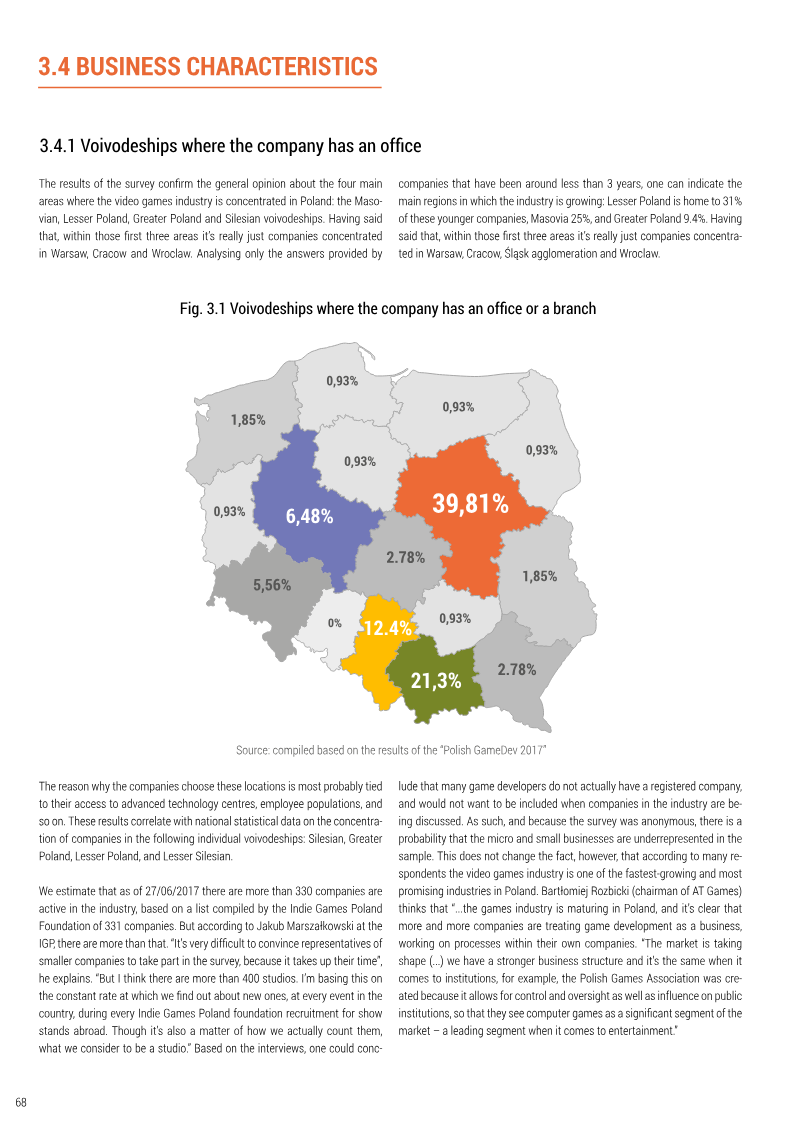

State of the Polish Video Game Industry 2017
The Polish video game industry in 2017 represents a maturing, vital pillar of the national economy, characterized by a transition toward professionalized business structures and global competitiveness.
- The Polish video game industry is growing, with 13 companies listed on the Warsaw Stock Exchange (WSE) having a combined worth of nearly PLN 9.5 billion and generating PLN 270 million in earnings last year. These WSE-listed developers contributed over PLN 67 million in taxes to the Polish treasury in 2016.
- Poland is a significant test market for game soft launches, particularly for mobile games, due to its comparable market significance to the US, UK, or Germany, and lower user acquisition costs compared to Western or Asian markets. While the percentage of paying players and amounts spent are lower than in Western Europe or North America, the gap is narrowing.
- The PlayStation brand, especially the PS4, dominates the console market in Poland, significantly outselling Xbox One. This trend is partly attributed to the high system requirements of cross-platform titles like The Witcher 3: Wild Hunt, which encouraged many PC players to switch to consoles for a smaller hardware investment.
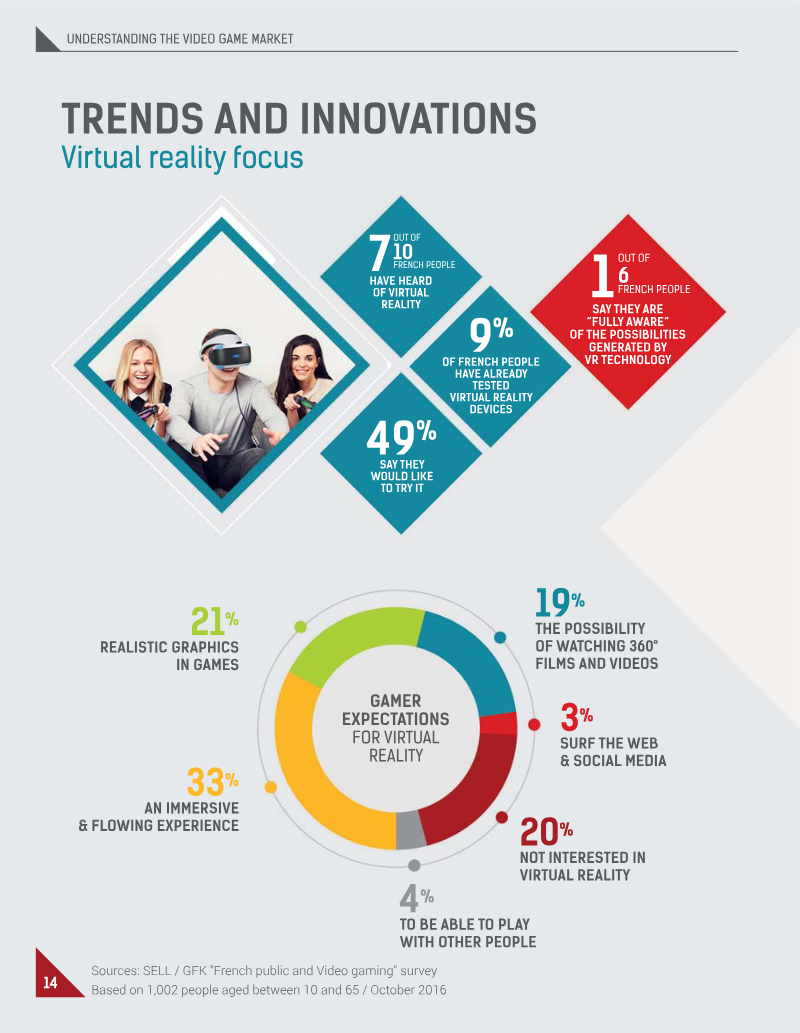


Essential Video Game News: Market, Consumption, Uses (October 2016)
The French video game industry underwent a period of significant expansion during the mid-2010s, solidifying its position as a cornerstone of the national cultural economy.
- By 2016, the French video game market reached a valuation of 3.4 billion euros following a decade of consistent growth.
- The gamer population expanded to include 70 percent of the French public, with the average player age surpassing 30 and gender parity becoming a defining demographic characteristic.
- The industry established a formal professional framework for competitive gaming through the creation of the France eSports association.
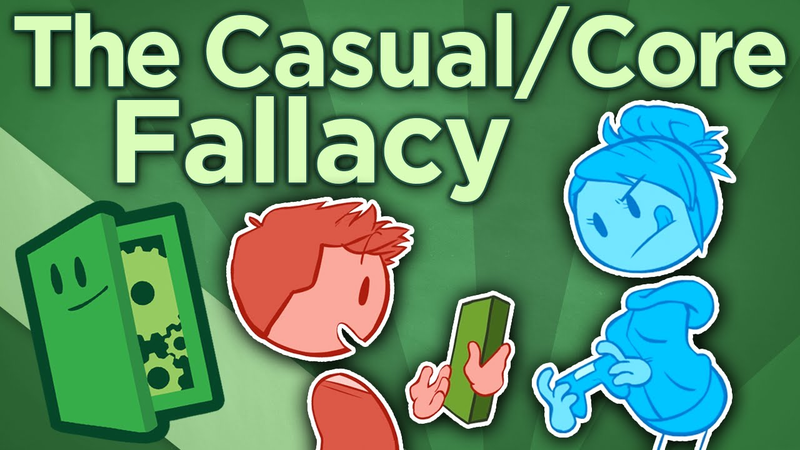
The Casual/Core Fallacy - Designing for Depth - Extra Credits
The traditional game design dichotomy that categorizes players as either casual or core is an outdated framework that hinders modern development.
- The traditional binary classification of players as either 'casual' or 'core' is an outdated framework that fails to reflect the reality of modern gaming habits.
- Developers must decouple a player's desire for mechanical depth from the total amount of time they have available to play.
- Gating complex systems behind hours of simplistic, repetitive gameplay leads to poor player retention among both time-constrained enthusiasts and dedicated core players.

The challenges and potential of the expanding kids games market
The children’s mobile gaming market represents a rapidly expanding segment of the industry, driven by the increasing prevalence of tablets among younger demographics.
- Regulatory compliance with COPPA in the US and strict EU guidelines necessitates a fundamental shift in development, as these laws prohibit standard third-party advertising SDKs and retargeting for users under 16.
- Monetization in the kids' sector has moved away from freemium and consumable-based models toward premium, paid, and subscription-based services to address parental concerns regarding data privacy and unexpected in-app purchases.
- Brand identity acts as a primary discovery tool and trust signal, with major franchises like Disney and Nickelodeon and mobile-first brands like Toca Boca dominating the market.

Estudio Videojuegos y Adultos 2015: España
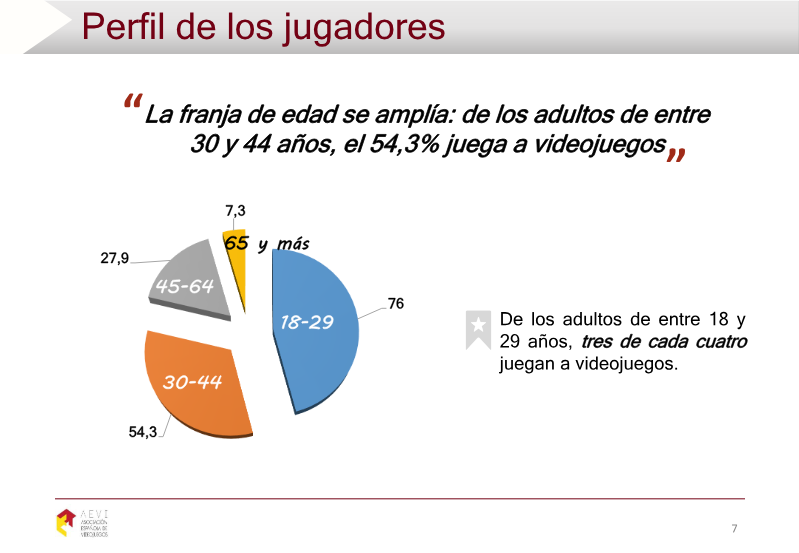
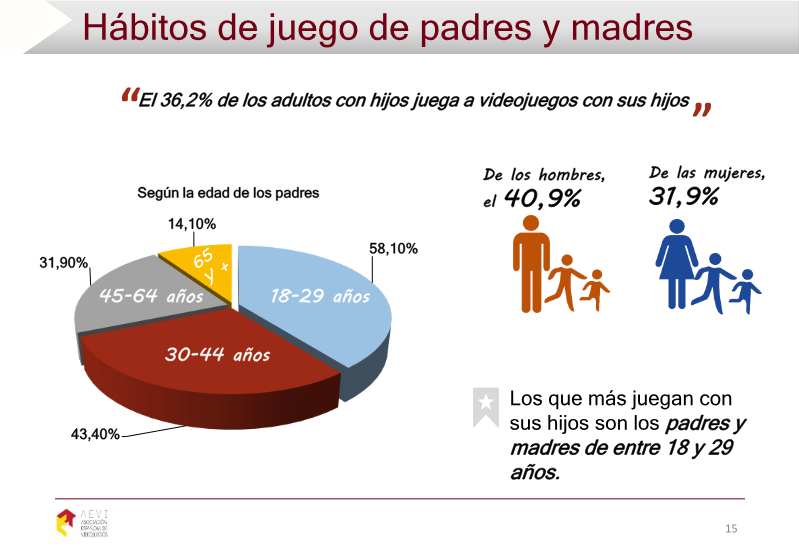
The study aimed to gauge the penetration of video games among Spanish adults, map the demographic profile of adult gamers, explore attitudes and usage habits, compare adults with and without children, and assess purchase intentions for the 2015 holiday season.
- In 2015, 38.9 percent of Spanish adults played video games, with the highest engagement found in the 18-29 age demographic at 75 percent.
- Gaming habits are gender-split by platform preference: men favor consoles (66.2 percent), while women primarily use smartphones (57.6 percent).
- Habitual gamers, defined as those playing weekly or daily, account for 41.5 percent of the gaming population and are 60 percent male.
Bartle's Taxonomy - What Type of Player are You? - Extra Credits
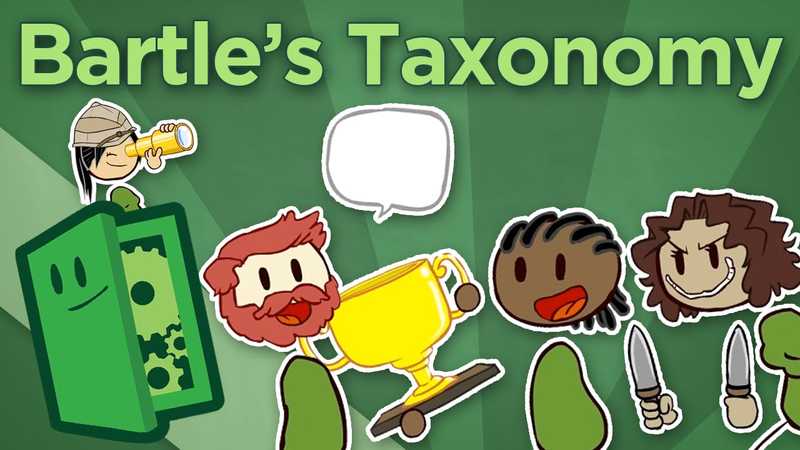
Bartle’s Taxonomy serves as a foundational framework for understanding player psychology within multiplayer environments.
- Bartle’s Taxonomy categorizes player motivations into four archetypes—Achievers, Explorers, Socializers, and Killers—based on Richard Bartle’s sixteen years of observation of Multi-User Dungeon (MUD) players.
- The taxonomy utilizes a two-axis coordinate system—acting versus interacting and players versus the world—to map how specific game mechanics influence user behavior.
- Achievers are driven by mastery and status, while Explorers prioritize the discovery of hidden mechanics, lore, and secret areas.