Player Demographics reports and market data
Documents
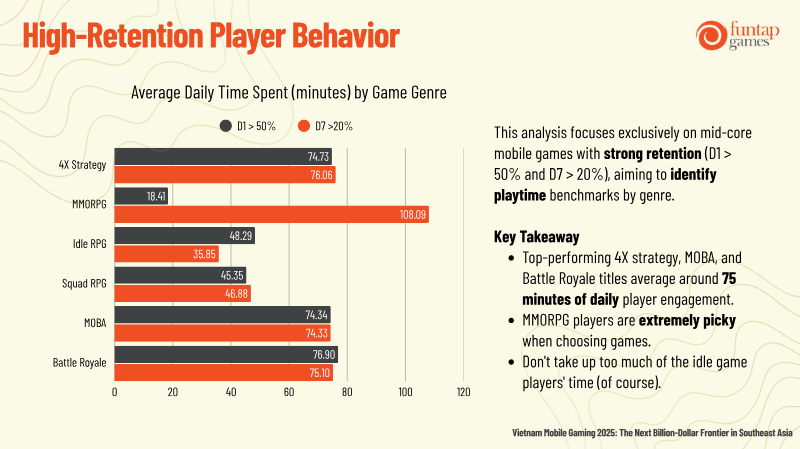
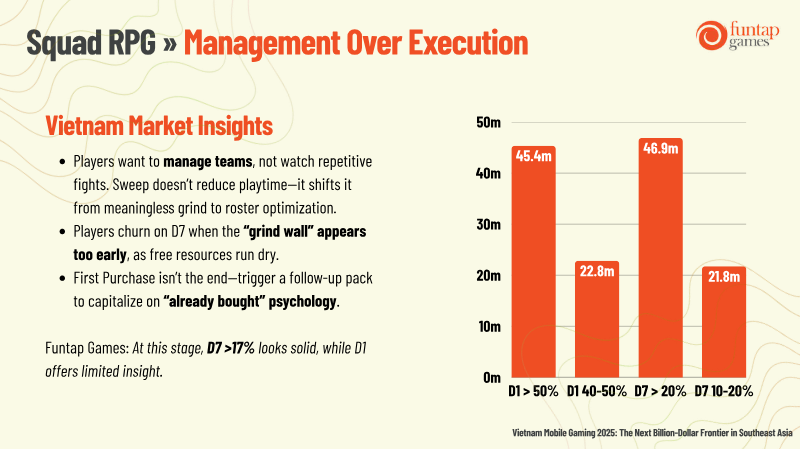
Vietnam Mobile Gaming 2025: The Next Billion-Dollar Frontier in Southeast Asia
The report argues that Vietnam’s mobile gaming sector will reach a billion-dollar valuation by 2025, driven by an expanding user base and high spending per download.
- Vietnam's mobile gaming market is projected to reach a billion-dollar valuation by 2025, supported by a 9.8% compound annual growth rate.
- A 2025 regulatory crackdown resulted in the removal of 1,081 unlicensed titles, leading to a 13.7% decline in total downloads but fostering a more stable environment for compliant mid-core games.
- Vietnam demonstrates strong monetization potential, with revenue per download exceeding that of the Philippines by at least 28%.
Southeast Asia Gaming Consumer Economy
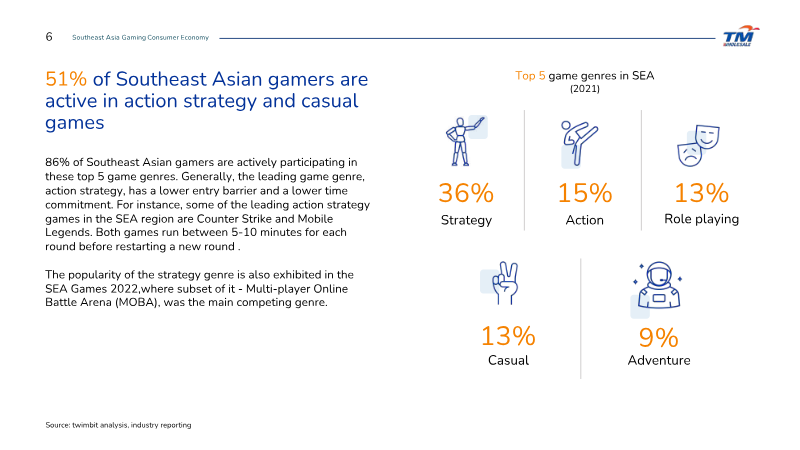
The Southeast Asia Gaming Consumer Economy report, produced jointly by Telekom Malaysia and twimbit in Q2 2022, examines the region’s rapidly expanding gaming market.
- The Southeast Asian gaming population is projected to reach 367.8 million by 2025, with Indonesia, Malaysia, the Philippines, Singapore, Thailand, and Vietnam accounting for 85% of the total regional gamer base.
- Mobile gaming is the dominant market force, generating 70% of in-game revenue and achieving a 13.7% CAGR in consumer spending between 2018 and 2021, reaching a total of US$5.57 billion.
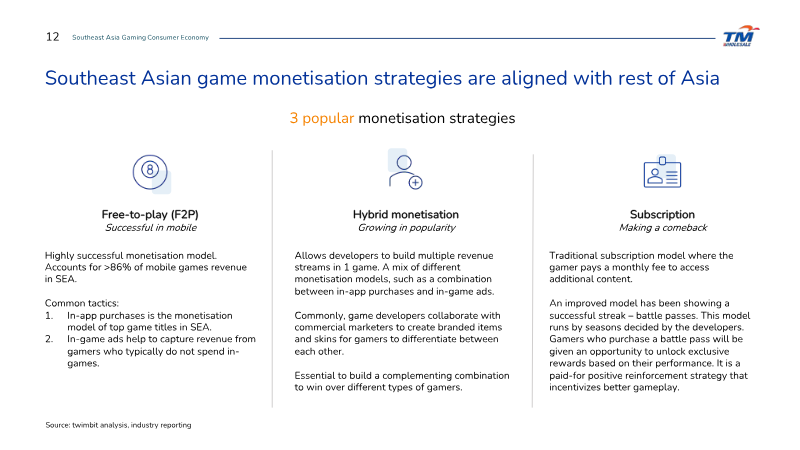
- Monetization is heavily reliant on free-to-play models with in-app purchases, which account for 86% of total revenue, though hybrid and subscription models are increasingly utilized.

Interview: World of Warcraft bosses on ageing players, Midnight and expanding the Warcraft IP
World of Warcraft is undergoing a strategic transformation to accommodate an aging player base while simultaneously expanding its reach to new generations.
- World of Warcraft is transitioning from a traditional MMORPG into a versatile social space to accommodate an aging player base with limited time.
- The development team is introducing low-pressure features, such as player housing, to provide flexible gameplay options for busy professionals and parents.
- Operational workflows have been restructured to utilize parallel production cycles, successfully eliminating historical content droughts.

India Player Behavior & Market Insights: August 2026
The Indian gaming landscape is undergoing a significant demographic and structural transformation as of August 2026.
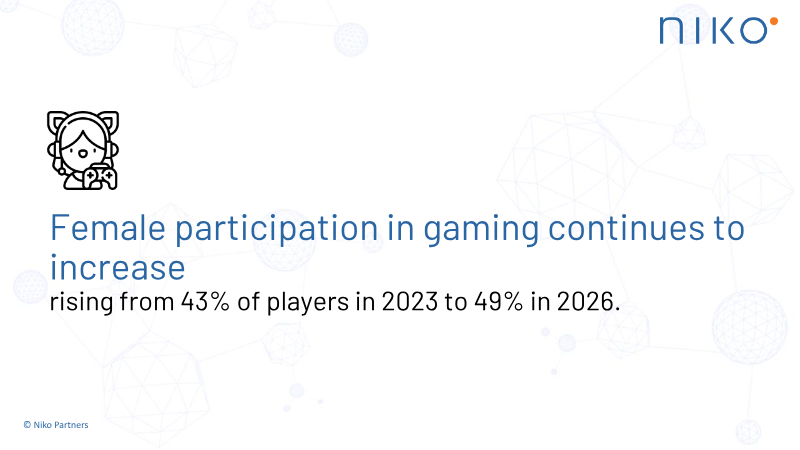
- Female participation in the Indian gaming market has reached near parity, rising to 49% of the total player base as of August 2026, up from 43% in 2023.
- Non-battle royale mobile titles have successfully expanded their market share from 53.2% to 62.8% over the past three years.
- The Unified Payments Interface (UPI) is the dominant transaction method, utilized by 84.6% of players, significantly outpacing credit card usage at 31.5%.
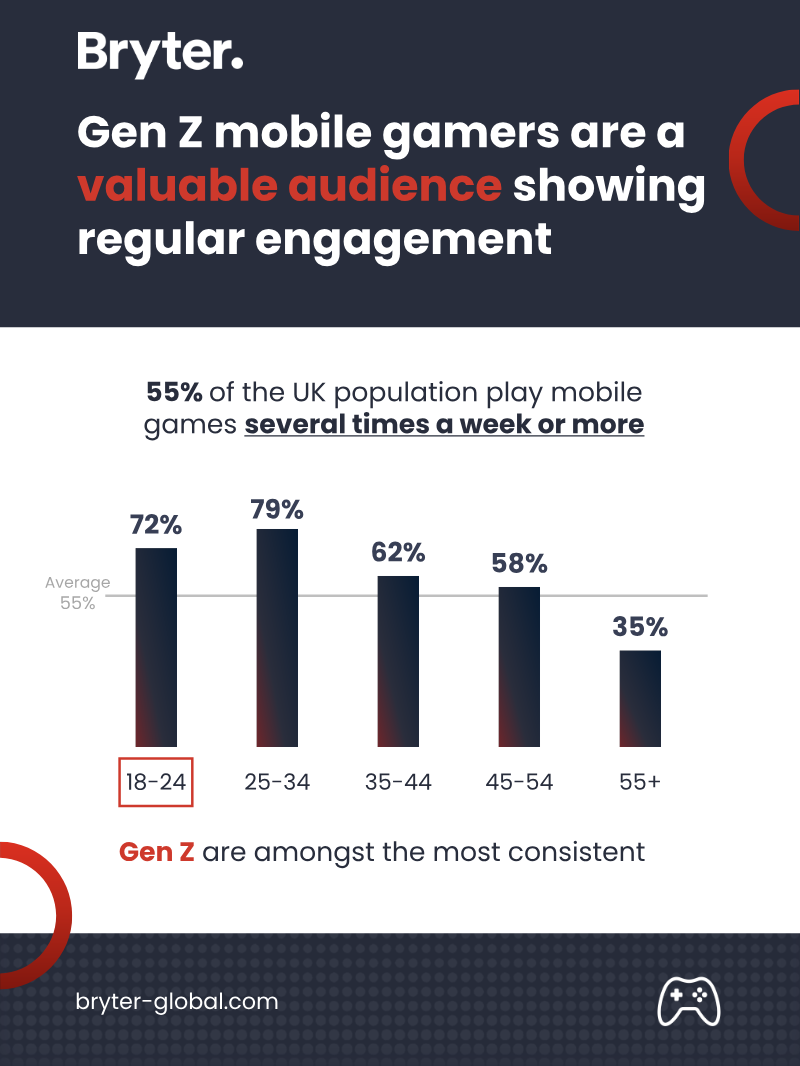
Reconnecting with Gen Z Mobile Gamers: UK
Mobile gamers aged 18 to 24 represent a critical demographic for the UK gaming industry, characterized by high engagement levels but increasing volatility.
- 71% of UK Gen Z mobile gamers cite intrusive monetization and advertising as the primary reason for abandoning games.
- Gen Z mobile gaming time is declining to an average of 4.4 hours per week as 57% of players shift their attention to social media, streaming, and short-form video.
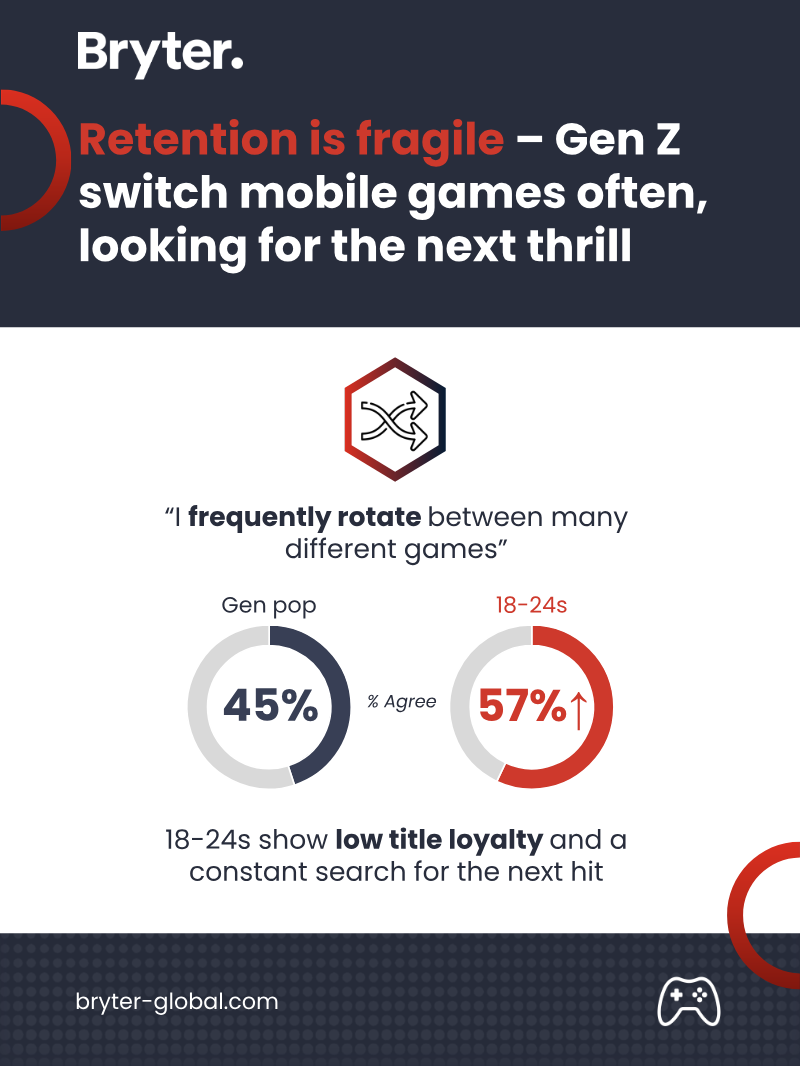
- Title loyalty is low among this demographic, with 57% of players frequently rotating between games in search of new experiences.
TWIG Jr: Awards, Predictions, and Gen Alpha's Take on Gaming
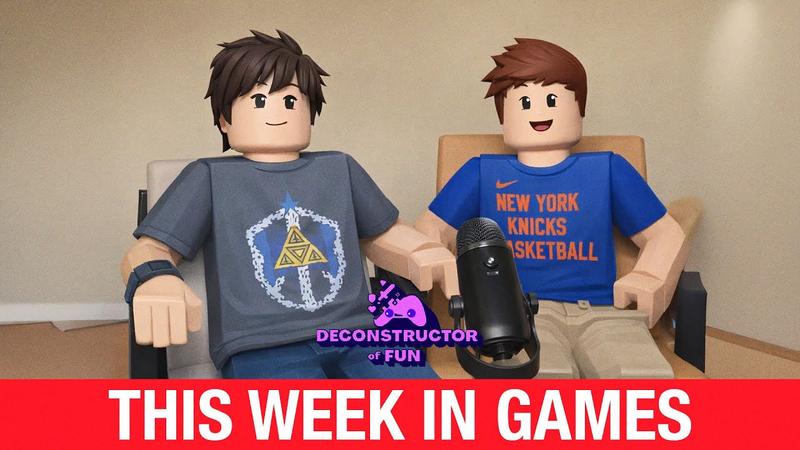
Generation Alpha’s gaming preferences reveal a sophisticated shift away from hypercasual mobile titles toward experiences that offer depth, narrative, and social utility.
- Generation Alpha is shifting away from hypercasual mobile games toward indie titles like Hollow Knight and Undertale, citing a preference for mechanical depth and a dislike for intrusive advertising.
- Platforms like Roblox and Fortnite are functioning as essential digital third spaces, though players are showing signs of fatigue regarding the aggressive pop-culture collaborations currently driving Fortnite’s model.
- Children are developing high brand awareness for sports betting platforms like FanDuel and PrizePicks due to the pervasive integration of wagering advertisements into televised sports and gaming environments.
Power of Play Report: UK
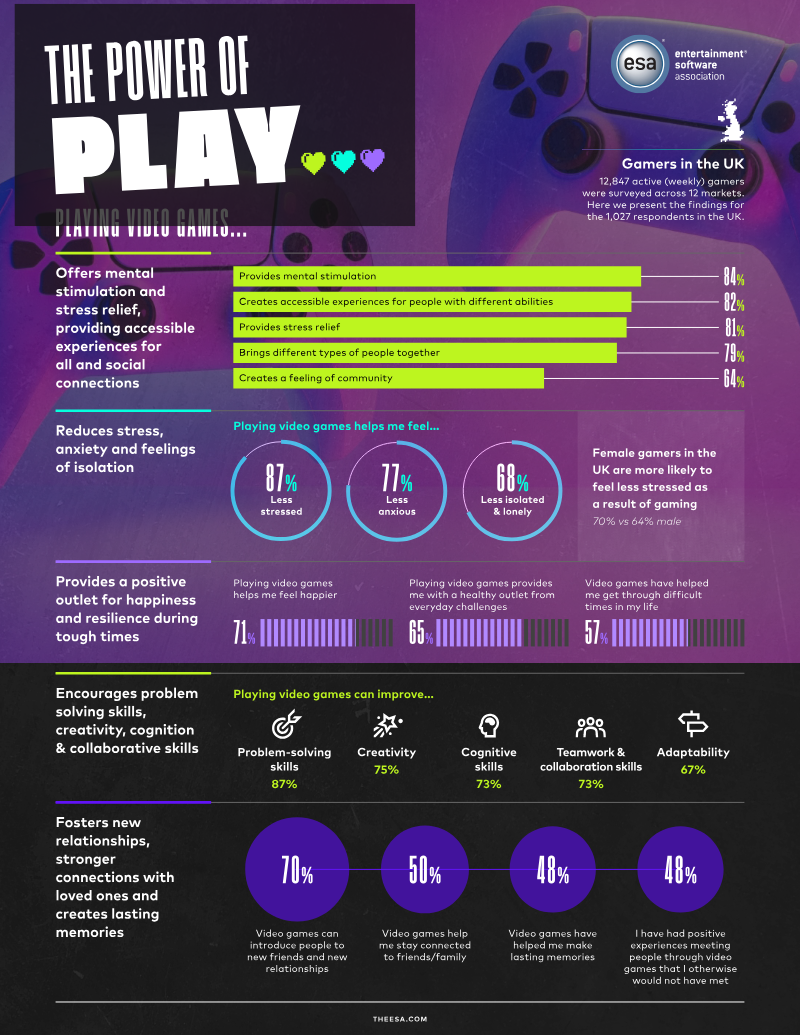
Video games serve as a significant tool for mental well-being and social connectivity among the United Kingdom’s gaming population.
- Gaming is a primary tool for emotional regulation, with 81% of UK gamers citing stress relief as a key benefit and 57% reporting that games helped them navigate difficult life periods.
- Video games drive significant skill development, with 87% of players reporting improvements in problem-solving, 75% in creativity, and 73% in teamwork.
- Gaming serves as a critical social infrastructure, as 70% of players use games to meet new people and 50% use them to maintain existing relationships with friends and family.
Power of Play 2025: Global Video Games Report
Video games have evolved into a fundamental cultural and social phenomenon that extends far beyond traditional entertainment.
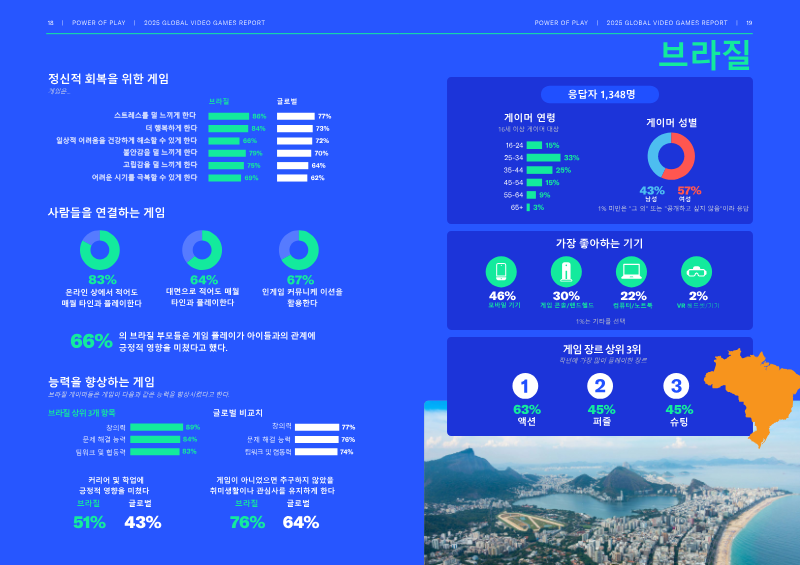
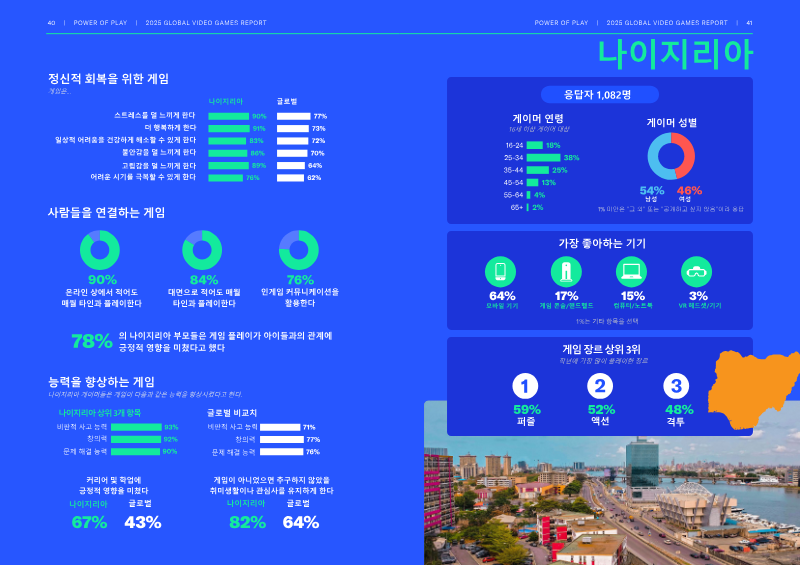
- The report analyzes data from 24,216 gamers across 21 countries to establish gaming as a primary tool for mental well-being, stress relief, and mitigating social isolation.
- Mobile devices are currently the most preferred platform for gaming, driving widespread accessibility and consistent social interaction.
- Gaming is increasingly utilized as a professional training mechanism in high-stakes fields, specifically medicine, aviation, and emergency response.
I Videogiochi come Strumento per la Salute Mentale: Italia
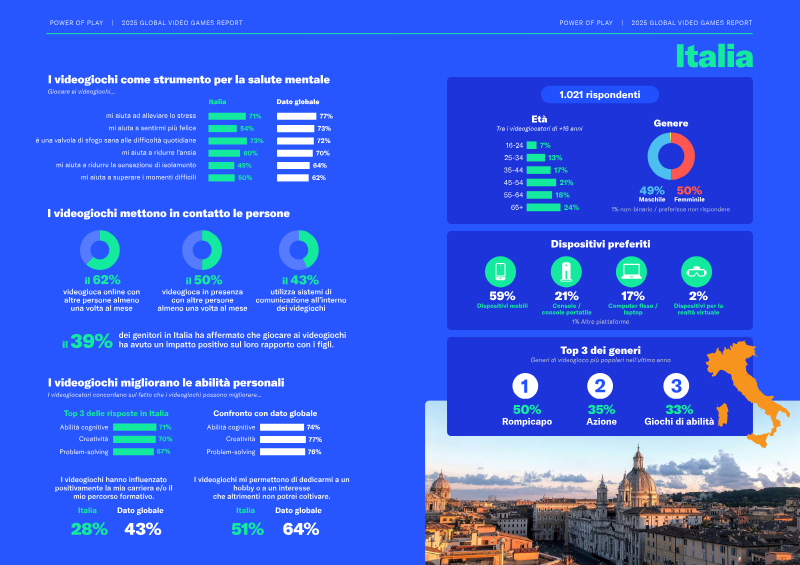
Video games serve as a significant tool for mental well-being and personal development among the Italian population.
- Gaming is a primary mental health tool in Italy, with 71% of players using it for stress relief, 73% for navigating life challenges, and 60% for managing anxiety.
- Social and familial bonds are strengthened through gaming, as 62% of Italian players participate in monthly online multiplayer sessions and 39% of parents report improved relationships with their children.
- A majority of Italian players credit gaming with enhancing cognitive functions, specifically citing improvements in creativity and problem-solving skills.

An oral history of how PlayStation 1 conquered Europe
The PlayStation 1 achieved dominance in the European market during the mid-1990s by fundamentally repositioning video games as a sophisticated lifestyle product rather than a niche hobby for children.
- By mid-1996, the PlayStation 1 achieved an 8-to-1 sales lead over its primary competitors in the United Kingdom.
- Sony successfully repositioned video games from a niche children's hobby to a sophisticated lifestyle product targeting the 15-to-30-year-old demographic.
- The company utilized a decentralized operational model that empowered regional teams to execute 'global localization' strategies tailored to specific European markets.
Are video game consoles in trouble?
The video game industry is currently undergoing a structural transformation characterized by the erosion of the console’s status as the primary gateway for new players.
- The console is losing its status as the primary gateway for new players, leading to a decline in unit sales and a demographic shift toward an older, more affluent consumer base.
- Younger demographics are increasingly migrating toward accessible, casual platforms like Roblox, effectively pricing them out of the traditional console ecosystem.
- Major publishers are shifting toward multiplatform strategies that prioritize PC and mobile distribution to ensure long-term viability as the hardware-centric business model loses dominance.

Essential Video Game News: French People and Video Games (September 2025)
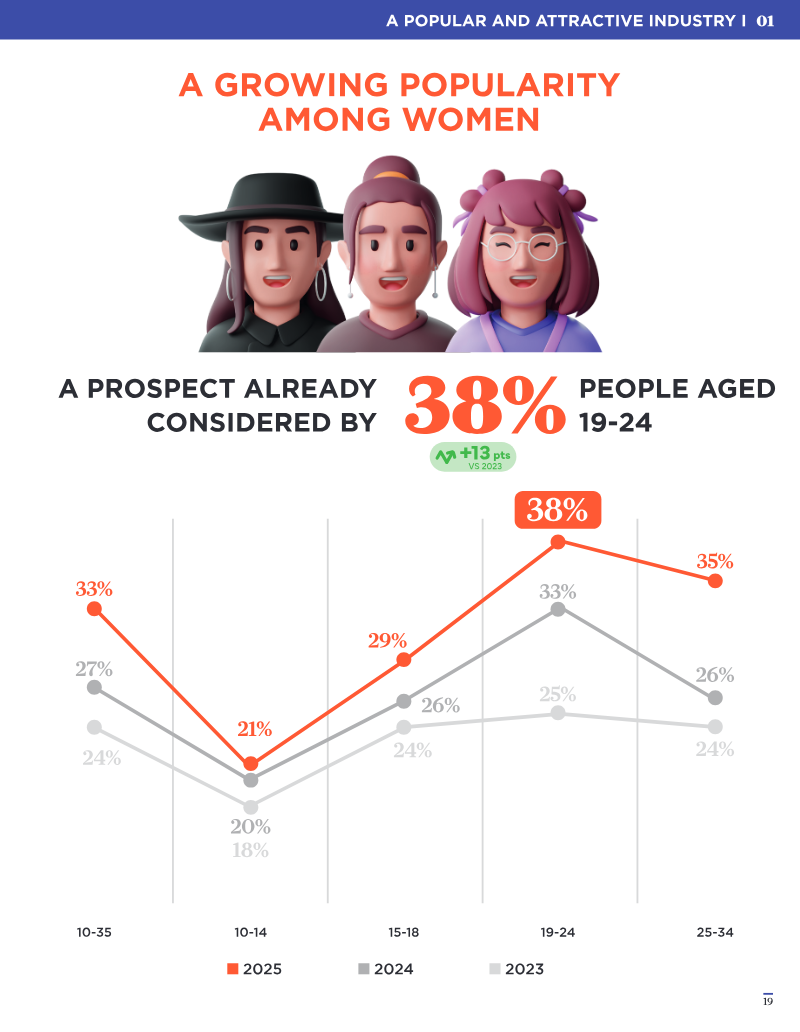
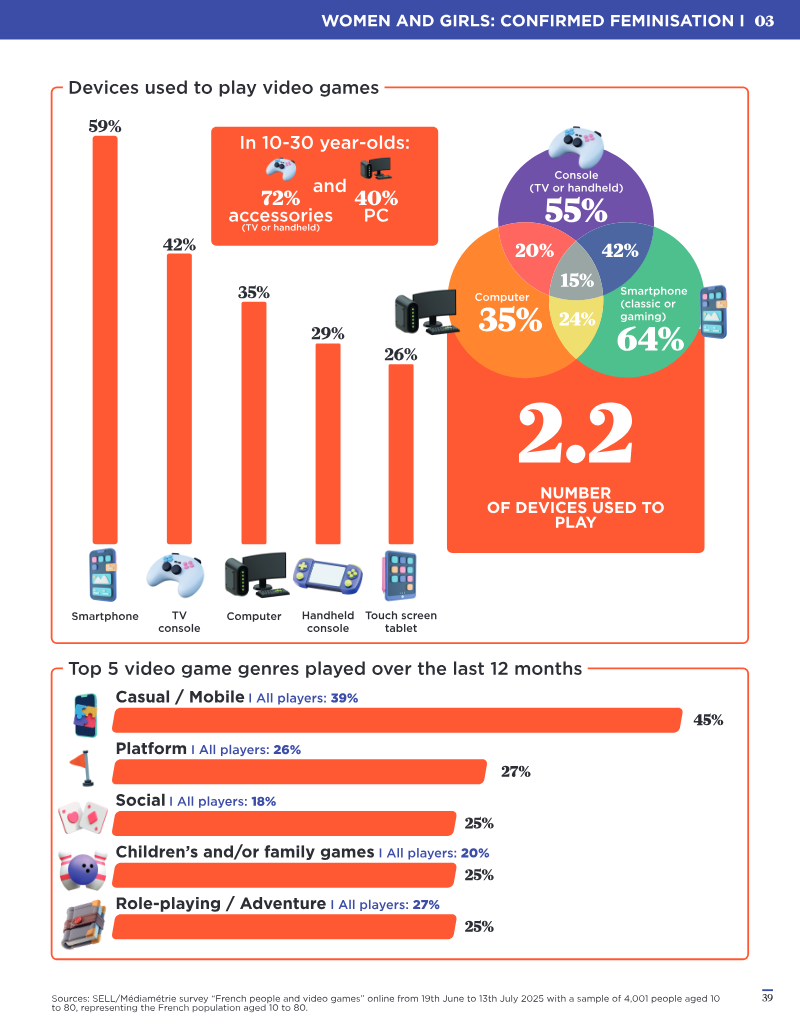
The French video game market has reached a significant milestone in 2025, with a record 40.2 million active players establishing the medium as a central pillar of national culture.
- The French video game market reached a record 40.2 million active players in 2025, with adults comprising 88% of the total player base.
- Gaming serves as a primary social and family conduit, with 75% of parents actively participating in gaming sessions with their children.
- French consumers maintain a distinct preference for physical media and in-store purchasing, prioritizing tangible ownership and retail social experiences.