1 free read left. Create a free account for unlimited reading + AI research.
Create free account
Evolving the Skill Gaming Business for a Diverse Audience, Generation, Gender and Gaming Styles
Key insights
7 takeaways- 01The skill gaming sector is a high-growth market defined by competitive, real-money tournaments based on physical or mental ability rather than luck.
- 02Market growth is projected to continue through 2025, driven by billions of dollars in entry fees.
- 03The core demographic is older and female-skewing, with approximately one-third of players aged 45 or older and a majority identifying as female.
- 04Skill gamers are high-value users who exhibit 'hardcore' gaming behaviors, spending more time and money across multiple platforms than the average mobile consumer.
- 05Player motivation is primarily driven by the psychological 'joy of winning' and the excitement of having 'skin in the game' rather than purely financial gain.
- 06Player retention in real-money environments relies heavily on sophisticated matchmaking algorithms that ensure fair competition.
- 07Successful engagement strategies combine familiar, repetitive mechanics like word or puzzle games with event-based entertainment programming to foster long-term loyalty.
Ask AI about this video
Transcript
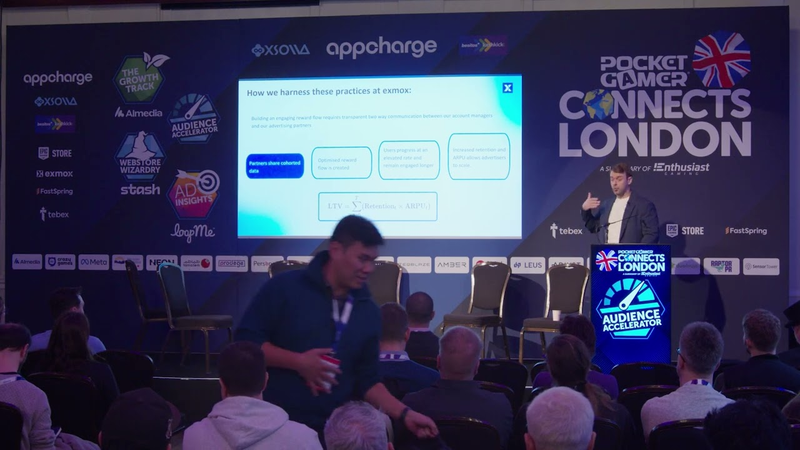
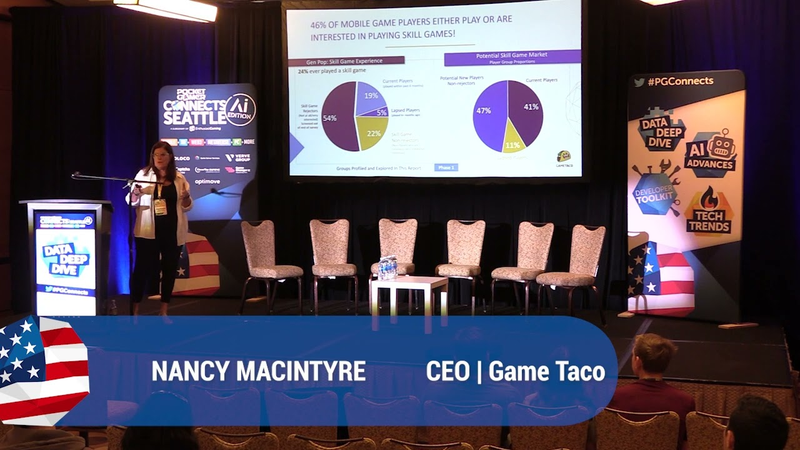
[Music] thank you [Music] I would like to invite our first speaker to the stage Nance McIntyre from game Taco please give a warm welcome to Nancy I'm really surprised to see so many people wanted to come and hear about data this morning so welcome so um first of all can you guys put my presentation up okay let's start with that um I'm Nancy McIntyre I am uh the CEO of game Taco for like a week so
so uh don't uh don't hold me to it or anything I've actually been working at game Taco for uh about a year and a half I came here after running a kids mobile game business for the past 10 years and then before that I was working in video games at Lucas arts and at Atari and so getting to skill games is sort of like a radical Evolution because I sort of say I went from working in kids games family games to working in Vice so it's quite a it's quite a transition today I'm going to talk about uh the audience and I I can kind of relate to this because my own personal evolution in games went from Hardcore games to more and more casual games and games across all platforms and that's really what the consumer is doing too so today
I'm going to talk a little bit about that if I can make the clicker work my not is it going now the first one always have it twerks and Meanwhile my time is counting down and you're missing all these amazing nuggets that I would be making anyway uh just a little bit about game Taco we uh are actually the operator of two different skill gaming businesses the first is our director consumer business World winner which was purchased from Sony about two years ago and World winner is really the Premiere or skill
gaming platform we call it sort of the Netflix of gaming and we've got about 30 Games across a wide variety of genres and then we're in business with FanDuel who is the leading sports betting and sports gambling entertainment company in the world and we operate a product called FanDuel Face-Off with them um we On Any Given month we operate around 9 million paid tournaments and many many free tournaments as well uh we do around 25 million uh a month in entry fees from people playing our various games and we've priced out today almost two billion dollars to people that have played our games and you know what's interesting is skill gaming is a category that's not widely known yet 34 million people have played World winner so it's it's quite a big and interesting category
okay up so I want to show you just a little bit about our players because it sort of sets the stage for the diverse audience and my name is name is Queen cd04 and I'm playing from San Diego California player names Aaliyah pet and I live in Brentwood my player name is astute Northern Android I um currently live in Toronto my name is I love Krishna and I am from India in my player name is Storm King Nine and I live in Ringgold Georgia okay coming to you from my laundry room yeah so I mean you could see a really wide variety of the kinds of people playing our games and here's a little bit about skill gaming in general
[Music] all right [Music] guess you're back again [Music] [Music] performance so just a little bit about the market before we get into the players and their motivations so what's interesting here is I mean everybody here is probably
aware that the mobile game Market is over a hundred billion dollars and and growing what's less known is what makes up the mobile gaming market and you know about 50 percent of the total revenues come from three major categories the first is casual games the second is sports games and the third are casino games and they are the three genres that really uh Drive the whole skill gaming Market as well so when we look at this holistically as a business and say wow 100 billion plus category and then the kinds of games that skill gamers are playing it really gives us a sense for what will happen once the skill gaming Market gets to scale because of the content path so what's interesting is when we look at the mobile game Market as a whole almost 50 percent of mobile game players say they're interested in playing games for money you know there's there's a
relatively small number of people that are actually playing them in the in the realm of all the game players out there but when you ask them are you are you interested in playing for money almost half of them say yes which again when you combine that with the genre data you say okay big interesting category that's largely untapped and how big is the market the skill game market today is around 13 it's targeted to go somewhere around 15 to 17 by the time we get to 2025 so it's growing it's largely dominated by the US and India today and some new markets are beginning to beginning to open up as well um part of that is that skill games any game can't be a skill game what really defines being a skill game is that it requires physical or mental skill versus luck so it's the difference between
playing chess and playing roulette where a skilled chest takes strategy and knowledge whereas roulette takes putting your number and spending and hoping for the best so there's a legal definition as well as a mathematical definition about what makes a skill game secondarily it's played in a competition against other people it can be Head to Head or it can be multiple player and you know skill game tournaments are run just two people all the way up to thousands of people playing uh games at any one time and it's played for real money or for prizes and so when you think about the type of games the type of people and the type of events that are possible it really opens up quite a wide and diverse audience I'm going to skip this a little bit because it's an eye to eye chart but let's talk about uh the customer demographic so about a third of the players that play
skill games in the US are over 45. a much smaller percent are young people under 30 the the biggest growth area is really people right now over the age of 45 and about 55 percent of them are women when skill gaming first came about 20 plus years ago it was really about casual games for soccer moms and now 20 years later those soccer moms are soccer grandmoms and they're the the men in their life are playing and now with the Advent of Esports you're seeing more and more younger people come into the category as well so if you look at the general games Market where more than 50 percent of users are you know under the age of 35. this category is way more diverse than that which is which is sort of interesting uh just this is a little bit of an eye chart but just some general uh points that are
there so that like all Gamers uh all skill gamers are not alike there's quite a lot of difference between your attitudes based on your age or your gender or even your player profile so men tend to understand skill games they like the competition they're used to betting on sports it's like completely logical that they would want to bet on games and so they tend to really gravitate towards skill games because they understand how they work but there's just fewer Men playing than women at this point then when we think about uh older people they tend to say it's less about the it's less about the competition and it's more about the games being social and relaxing and give them more free time so they're much more about how the games make them feel and then young people are
really about competition and socializing and really the head-to-head so as you think about sort of all the different demographics in the market there's there's different aspects to game development and how you want to approach these customers and then um you know what we really see is that people in the older age of the skill gaming demographic they want things that are relatable and that they understand how to play them like they like play patterns that are repetitive that they know about they know Bingo they know Solitaire they know Bejeweled they know Wheel of Fortune they want games that are easy for them to understand and start playing whereas younger people are really focused on Innovative new play patterns and things that they haven't seen before and uh I'll give you just
one example in our world at World winner so we launched a game based on Yahtzee about six or eight months ago and everybody probably in this room at one time or the other has played Yahtzee but we turn the game completely on its head and asked how do we make it a skill based game with a slot theme and this game has become you know one of the most popular games out there because because the play pattern is relatable but we're really innovated in how it's used and it's the most widely diverse product that we have now with with every age range playing it because it really spoke to the Innovation that younger Gamers wanted and since a challenge but also the familiarity of the play pattern that older Gamers really liked and so getting to sort of that experience that works for each one of demographics is kind of key so the other thing about skill gaming
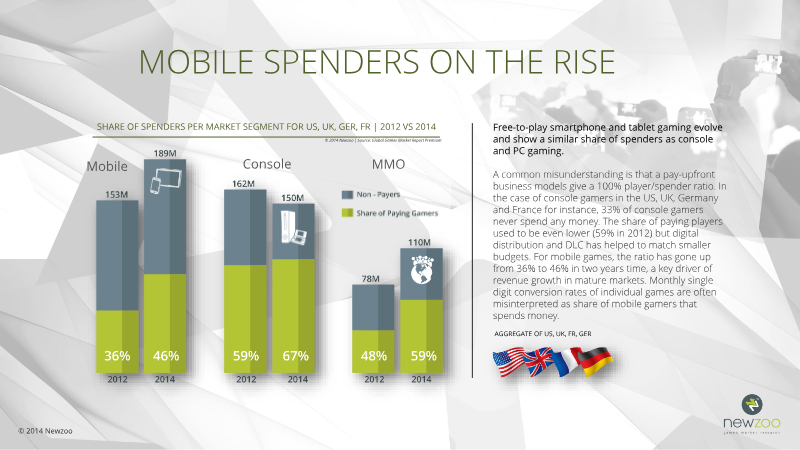
which I would never have believed before is that skill gamers are actually Gamers with a capital G they play everything they you can see the green bar here compared to the total whether it's by platform PC Mobile console they're out playing the total Market an hours played across every single segment and then you look at the dollars spent on the right they are spending way more than regular Gamers across all categories so so they are they may be playing more casual part kinds of content but they are playing for a lot of hours and they're spending a lot of money because these are people that are comfortable spending money on games and spending money to compete head to head so they think about spending more as a
think about spending more as the the entry to get into a tournament as opposed to paying for games and that's that's a little different and then the last Point sort of on the same thing what's really interesting is that our players play at least once a week and then about a third of our players play multiple times a week now the skilled gaming business is a little bit like television that we are constantly programming events any of you that have ever signed up for World winner or skills or papaya or whatever are probably constantly receiving notifications that you know there's a ten thousand dollar or a fifty thousand dollar or whatever kind of event happening over the weekend we program our customers to participate in events and we can drive the you know daily or weekly behavior and it really works with this segment of audience that wants to
be engaged in in the joy of winning so relative to the kinds of content you saw earlier in the presentation that you know the mobile game category 50 comes from casual Sports and casino well when you look at what people are really playing in this skill gaming area it's right on it's card games bingo games puzzle games word games it's really those kinds of casual experiences that are easy for people to learn and then more difficult to master but when you ask these players what kinds of game genres are they playing in general it's all the usual skill game stuff but then Shooters casinos sports games so the main point here is that these gamers are are Gamers they're playing everything and uh if you are a developer or involved in innovating in new kinds of games you know skill gaming is a interesting category and we'd love to
talk about how to bring your games into the skill game arena and this is truly an eye chart but but the main point here is that these gamers are playing everything and so so while the conventional wisdom is the people play skill games for the money they play it for the joy of games more than anything else and they want to play games of of a variety of genres as you can see here and you know we're saying um that you know our FanDuel product has a golf game with Jordan Spieth then a a football game with Pat McAfee and NBA game Etc and you will begin and we are doing more sports games but we are also seeing that you know the audience can support everything from game shows to more hardcore action games we've just
launched them Atari Breakout the market will expand because Gamers want to play all kinds of games and it seems logical but it's it's really part of the growth trajectory here and when you talk to users about their motivation uh it's really all about give me great content show me how to win in a competitive and social environment oops so a couple last points here about these audiences um they may consider themselves skilled Gamers first but they really consider themselves as people that like to play games so the barrier even though these games are casual and they may look sort of simple there's really a customer requirement around make the game fun polished high production values because they are going to compare these games against other
types of freemium mobile games because it's really it's really a battle not just for their wallet but for their time so the barrier to creating great games is exactly the same in skill games as it is in casual games and also no surprise that the kind of person that wants to play skill games is the kind of person that likes gambling they like the idea of slot of of betting on football games they like the idea of playing slot machines doing scratch offs doing things that are games of chance these are people where uh they like the idea of winning and so when you add the financial component into gaming it gives them more skin in the game it makes it more exciting it's more of an accelerant and so you know when you think casual games plus super wide audience and then the excitement of
winning that's really the secret sauce here so just to summer sum it all up so this audience is older and more female they want to win money but games great games are a number really number one the play pattern is super important because they need to figure out how to master the game and how to win at it so so learning the game quickly and mastering it is really key these gamers are playing across platforms so while mobile and web are the dominant platforms there is a place in the world for console Mo web Etc skill Gamers like gambling and sports betting and other types of adjacent activities and then lastly whether the growth is going to come from
innovation in new types of game styles or innovation across other types of territories what's really clear is this is not a homogeneous group of people and when you look at gender and you look at age and you look at gaming type is actually quite different like any other category and for those of you making games there's very much a place in skill gaming for high quality Innovative and new types of games so that's what I've got it's a hundred it's I have one minute and 52 seconds and so if anybody has any questions I'm happy to answer yes so does anyone have any questions this guy over here oh hi uh yeah uh thanks for the talk that was great do you know if players have a preferred type of thing that they like to to purchase is it are they purchasing
like are they purchasing turns like what what are what are the things that they like to buy they're purchasing tournaments because that's all you can purchase really okay so entry fees yeah so they uh the most popular tournaments are head-to-head tournaments they run in price from 88 cents to a hundred dollars and they can be Head to Head or they can be multiplayer but the most you know popular popular uh events are really head-to-head tournaments and sort of the one dollar to five dollar range perfect great thanks sure anybody else yes all right thanks for the talk I'm just wondering how much effort you put into ensure matchmaking gives players a really good experience so they'll churn like because of skill based it's easy to say well you rank where you rank but do you do make it do you make any other
concessions ensure that people have a good time and stay in the game how many years it's based on the world winner attack and so we focus quite a lot on making sure that our players have the best possible experience so there's a there's a new player experience where we're matching people with the same skill level and as you begin to improve you begin to move up the skill level so that you are theoretically always matched again against people that are sort of in your same skill level because that's absolutely like Central to everything because you know in skill gaming you bring people in they have to set up an account they have to make a deposit it's real money it's not buying an IAP in the App Store and so it's super important that they have a great experience and the only way you can do that is make sure that they feel satisfied
wonderful thank you yeah thank you [Applause] [Music] [Music] [Applause] foreign
Summary
The skill gaming industry represents a significant, evolving sector of the mobile gaming market, characterized by a transition from traditional casual play to competitive, real-money tournaments. The primary thesis is that skill gaming—defined by mental or physical ability rather than luck—is an untapped, high-growth category that appeals to a diverse, cross-generational audience. By leveraging familiar, accessible play patterns while incorporating competitive stakes, operators can engage players who are already deeply invested in the broader gaming ecosystem.
Key data points highlight the scale and demographics of this market. The industry currently generates billions in entry fees, with projections for continued growth through 2025. Unlike the broader mobile gaming market, which skews younger, the skill gaming demographic is notably older, with approximately one-third of players over age 45 and a majority identifying as female. These users are high-value, "hardcore" gamers who play across multiple platforms and spend more time and money on gaming than the average consumer. Their motivation is driven by the "joy of winning" and the excitement of having "skin in the game," rather than the financial reward alone.
Methodologically, the industry relies on sophisticated matchmaking algorithms to ensure fair competition, which is critical for user retention given the real-money nature of the transactions. Success in this space requires high production values and a balance between familiar, repetitive mechanics—such as card, puzzle, or word games—and innovative, new play patterns that appeal to younger cohorts. Ultimately, the industry is moving toward a model that treats skill gaming as a form of entertainment programming, where consistent, event-based engagement drives long-term loyalty among a diverse, non-homogeneous player base.