Monetization reports and market data
Documents

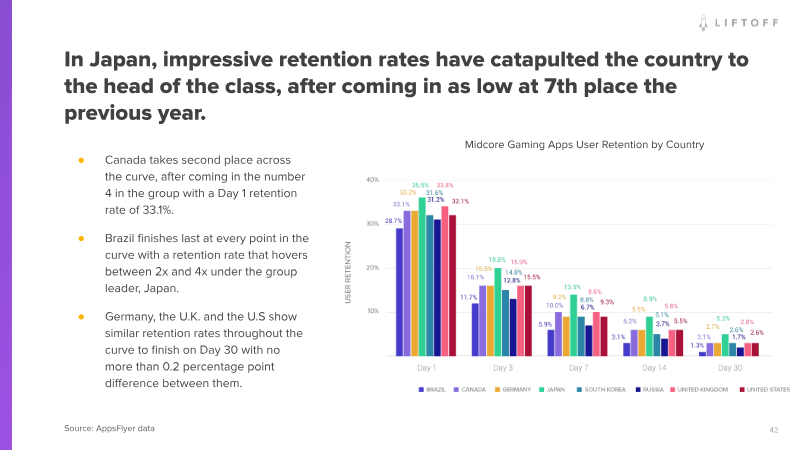
2020 Mobile Gaming Apps Report
The global mobile gaming market is projected to surpass $100 billion in revenue in 2020, fueled by a 2.6 billion-person player base and a 24% surge in daily in-app payments.
- The global mobile gaming market is projected to exceed $100 billion in 2020, supported by 2.6 billion players and a 24% increase in daily in-app payments.
- Midcore and strategy games are the most efficient segments, achieving a 39.5% 30-day return on ad spend with low acquisition costs, particularly on Android.
- While the average cost per install has hit a record low of $1.47, the industry faces a 24% rise in install-to-purchase costs and a decline in conversion rates to 3.3%.
Level Up: A Guide to Succeed in Asia’s Gaming Market
Asia has established itself as the epicenter of the global gaming industry, driven by a mobile-first population exceeding 1.5 billion players.
- Asia’s gaming market is driven by over 1.5 billion mobile-first players, with free-to-play models generating 99% of mobile revenue.
- The female demographic has grown to 500 million players and now contributes nearly 40% of total mobile gaming revenue, necessitating more inclusive content.
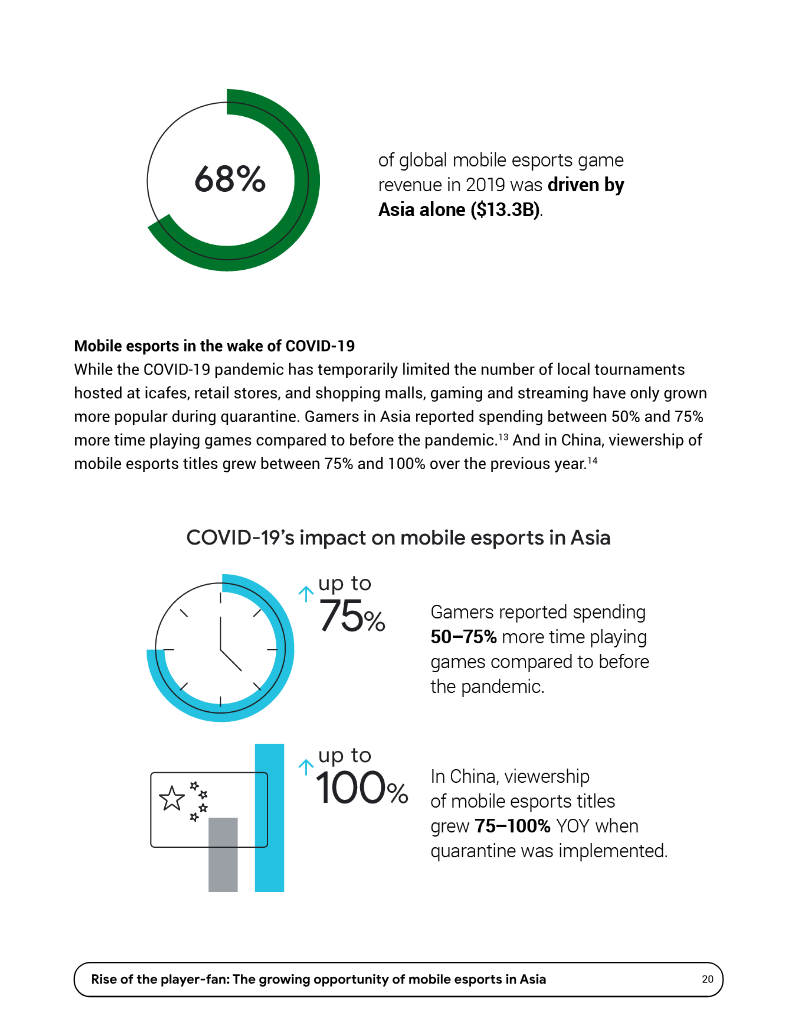
- Asia accounts for 68% of global mobile esports revenue, with Southeast Asia experiencing a 244% increase in tournament prize pools.
From Playing to Paying: The Art of Monetizing Games in Asia
Monetization in Asia's gaming market is shifting as developers respond to rising player spending power, especially after COVID-19.
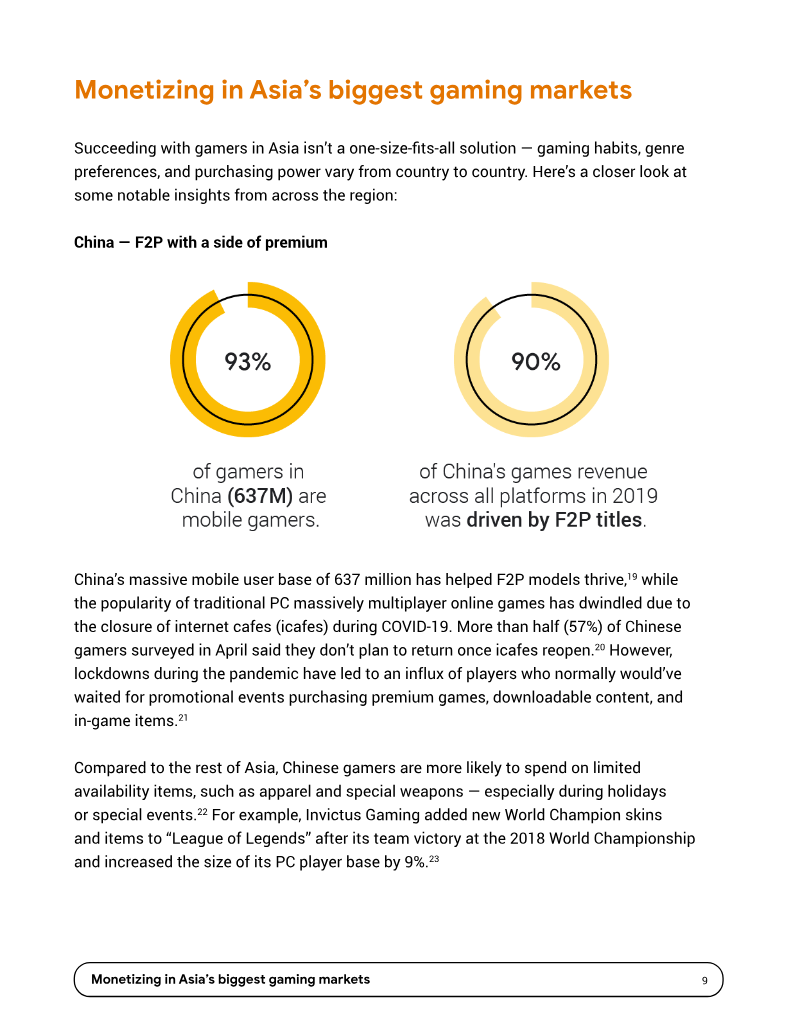
- Free-to-play (F2P) is the dominant monetization model in Asia, accounting for 98.5% of all mobile games revenue in 2019 and 100% of top-grossing titles in China.
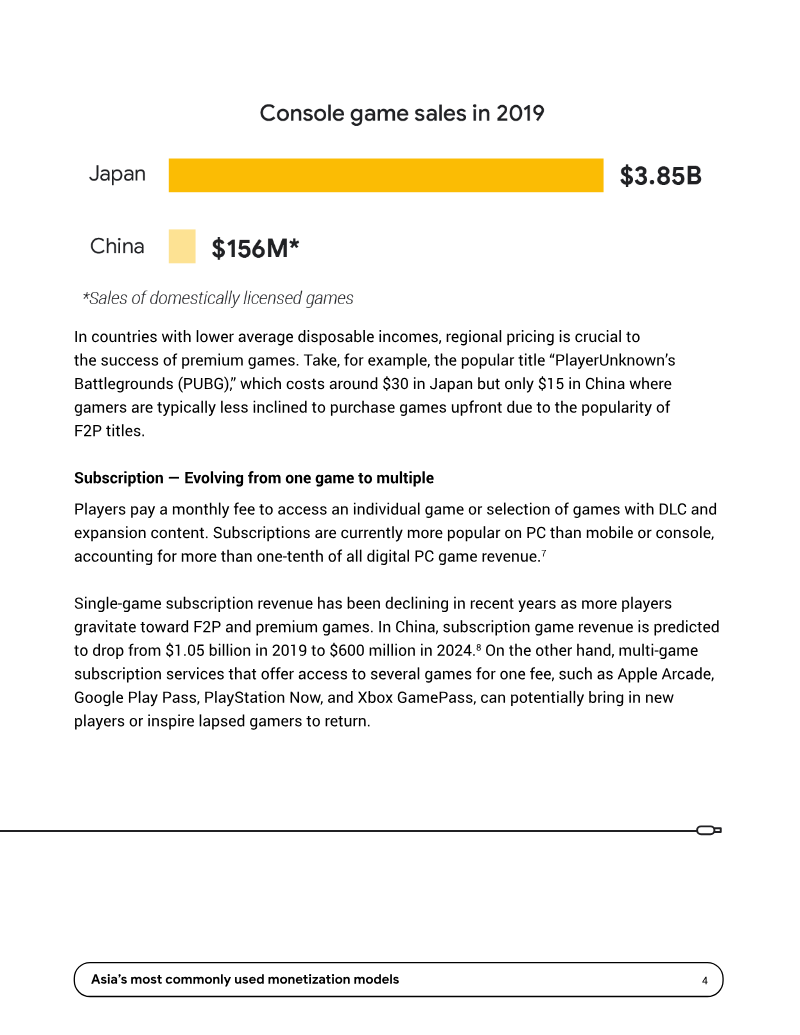
- Japan is the most lucrative mobile market in the region, generating $12.84 in revenue per download compared to the $1.53 regional average.
- Emerging markets like India are rapidly adopting sophisticated monetization, with battle passes appearing in 50% of the country's top-grossing games by early 2020.
2 Years of Indie Game Development
This summary reflects on a two-year journey in independent game development, focusing on the transition from a student to a financially secure developer.
- The release of the game Islanders, developed in collaboration with an established studio, achieved over 200,000 sales and provided the necessary financial and professional foundation for a career in indie development.
- Long-term career sustainability requires prioritizing game production over content creation, as the developer is moving away from a rigid weekly YouTube upload schedule to focus on project quality.
- Solo development projects like Will You Snail highlight significant operational challenges, specifically the difficulty of self-marketing and the technical limitations of working without a dedicated art team.
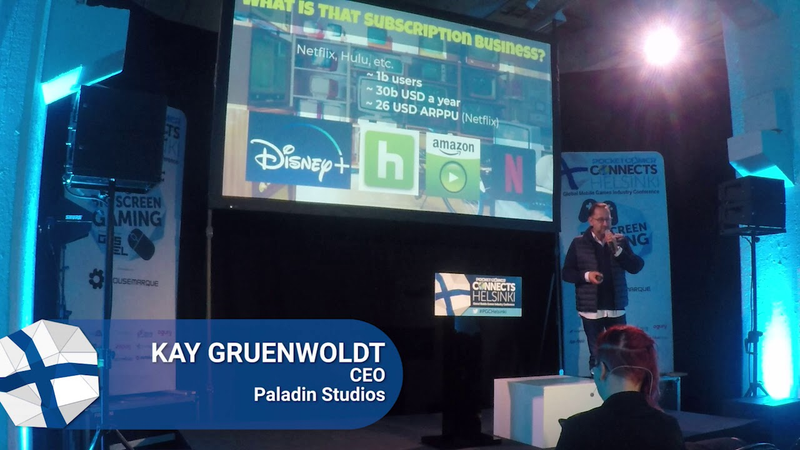
Changing Business Models in the Games Industry - Plotting a Path in Interesting Times
The games industry is currently navigating a period of significant structural change, characterized by the rise of subscription-based models, cross-platform play, and the convergence of mobile and console experiences.
- Studios face significant operational friction when attempting to simultaneously manage premium console development and live-service mobile operations, often leading to diluted focus and resource allocation failures.
- The industry is polarizing into two distinct tiers: low-budget projects and high-end, multi-million dollar co-development opportunities, with market consolidation increasing the difficulty of securing high-level partnerships.
- Subscription services like Apple Arcade and Google Play Pass are shifting mobile monetization toward models that mirror the ARPU metrics of streaming services like Netflix rather than traditional free-to-play structures.
Optimizing UA Budgets by D7 ROAS | UA Coffee Talk
The primary thesis of this discussion is that Day 7 Return on Ad Spend (D7 ROAS) is an insufficient and potentially misleading key performance indicator (KPI) when used in isolation to optimize user acquisition (UA) budgets.
- Relying exclusively on Day 7 (D7) ROAS for UA budget optimization is a strategic error that ignores long-term retention and varying payback windows across different user sources.
- Automated bidding models on platforms like Facebook and Google prioritize short-term ROAS, which can mask declining revenue curves that emerge after 60 days.
- A single, consolidated D7 ROAS target across all traffic sources leads to suboptimal budget allocation because it fails to account for the distinct monetization profiles of different channels, geographies, and platforms.
Game Discoverability Day: Paid Acquisition for Smartphone Games: A Scrappy, Practical Guide
Smartphone game developers can achieve sustainable growth by prioritizing Google Play as the primary platform for early-stage user acquisition.
- Prioritize Google Play for early-stage user acquisition to leverage organic reach, which can yield an organic-to-paid install ratio as high as 4:1.
- Execute aggressive paid acquisition during the first 30 days of release to capitalize on initial momentum and navigate platform-specific performance cycles.
- Use the open beta phase to optimize keyword density and marketing assets to secure Early Access featuring and improve conversion rates.

Stillfront Group Capital Markets Day 2019
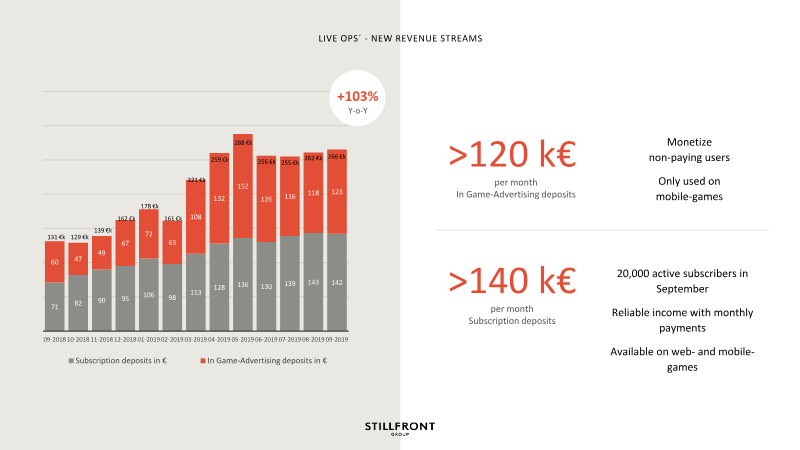
Stillfront Group operates as a decentralized powerhouse within the global free-to-play gaming sector, prioritizing a model that balances entrepreneurial autonomy with centralized operational support.
- Stillfront Group targets 4,000 MSEK in net revenue and a 35% adjusted EBIT margin for the 2020–2022 period.
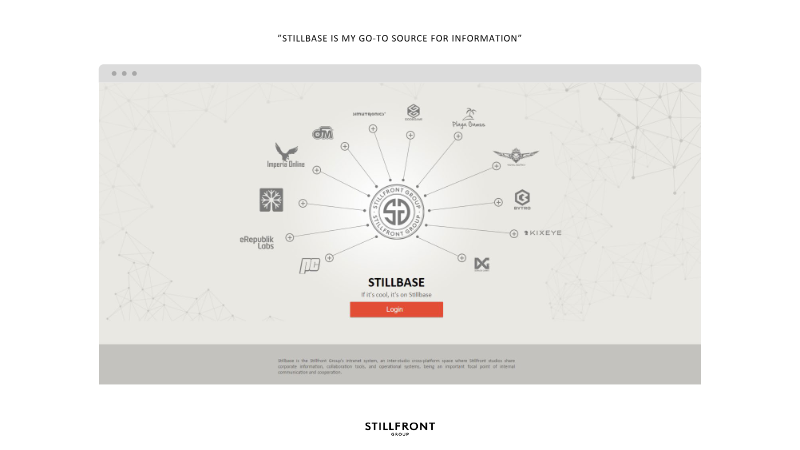
- The company operates a decentralized model managing 35 live games, utilizing a shared internal infrastructure called Stillbase to facilitate cross-studio data sharing and operational synergies.
- Growth is driven by a dual-strategy of organic expansion through evergreen content updates and disciplined, value-accretive acquisitions such as KIXEYE.
TPAY Mobile Reveals New Partnership that will Reshape MEA’s Gaming Industry!
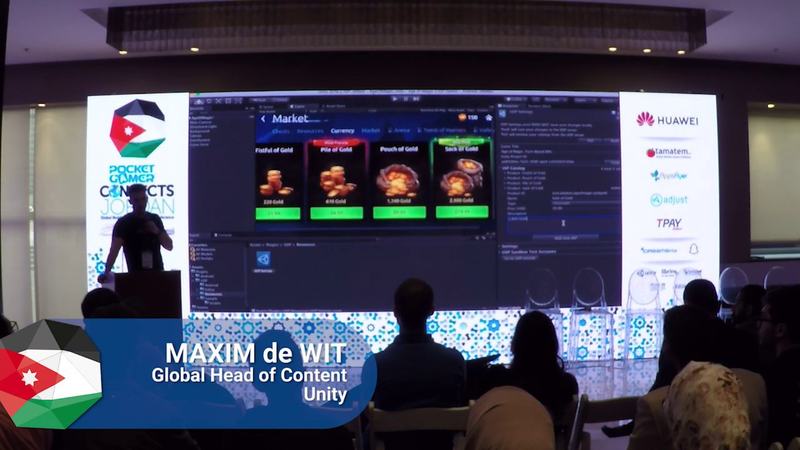
The gaming landscape across the Middle East and Africa is undergoing a significant transformation through a strategic integration between TPAY Mobile and the Unity Distribution Portal.
- TPAY Mobile and the Unity Distribution Portal have partnered to provide developers access to over 750 million consumers across 18 countries in the Middle East and Africa.
- The integration utilizes direct carrier billing across 38 regional mobile operators, which reportedly achieves conversion rates ten times higher than traditional payment methods.
- Developers can now manage distribution and in-app transactions across multiple telco-based app stores using a single APK and a unified dashboard.
Streaming Wars, Loot Boxes, Indie Dev Future | GduX.me
The gaming industry currently faces a period of significant structural transition, characterized by the rise of subscription-based models, evolving distribution strategies, and persistent labor challenges.
- Subscription services like Xbox Game Pass currently struggle to replicate the success of passive media platforms due to technical latency and a lack of original content.
- Indie developers should treat streaming platforms as supplementary marketing channels rather than primary revenue sources to avoid marginalization by blockbuster-focused algorithms.
- The industry is unlikely to adopt effective self-regulation regarding loot boxes, as regulatory intervention remains inconsistent due to a lack of technical literacy among policymakers.
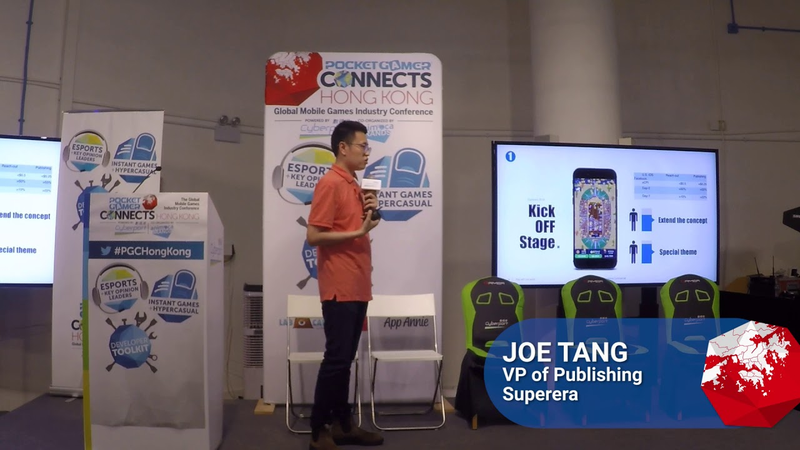
PGC HK 2019 - Designing/Publishing a Successful Idle Game - Joe Tang
The presentation outlines strategies for designing and publishing successful idle games, emphasizing the importance of genre hybridization, user experience optimization, and data-driven marketing.
- To attract publishers and scale globally, idle games should target a cost-per-install (CPI) of approximately $0.25, a day-one retention rate of 35%, and a day-seven retention rate of 22%.
- Developers can push day-seven retention beyond the industry-standard 10% threshold by integrating fresh content like mini-games or complex recipe-unlocking systems into the core gameplay loop.
- Successful idle games rely on genre hybridization, specifically blending established mechanics from RPGs, simulations, and tycoon systems to enhance long-term user retention.
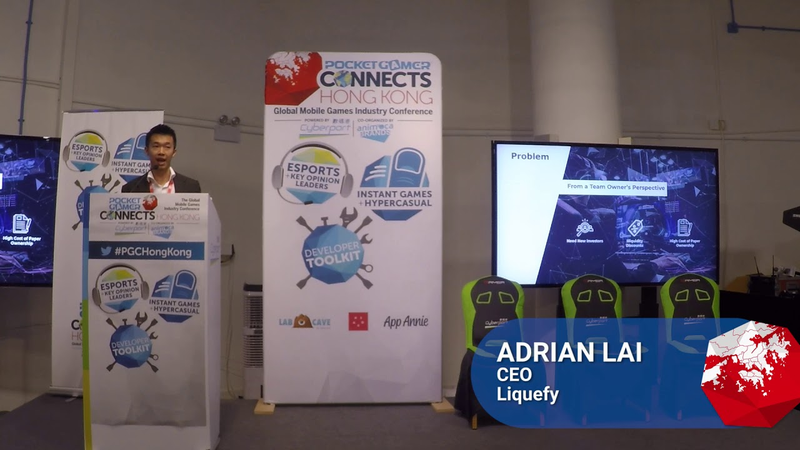
How Tokenisation Can Take Esports to the Next Level [Liquefy], Adrian Lai
The tokenization of esports represents a transformative financial model designed to address liquidity, accessibility, and transparency challenges within the industry.
- Tokenization addresses the industry's profitability crisis, where approximately 95% of esports teams currently struggle to achieve financial sustainability.
- By fractionalizing ownership of teams, tournaments, and infrastructure, blockchain technology lowers the barrier to entry for retail investors from millions of dollars to smaller, accessible amounts.
- The model creates a liquid secondary market for ownership stakes, which is expected to command a valuation premium compared to traditional, illiquid private equity structures.