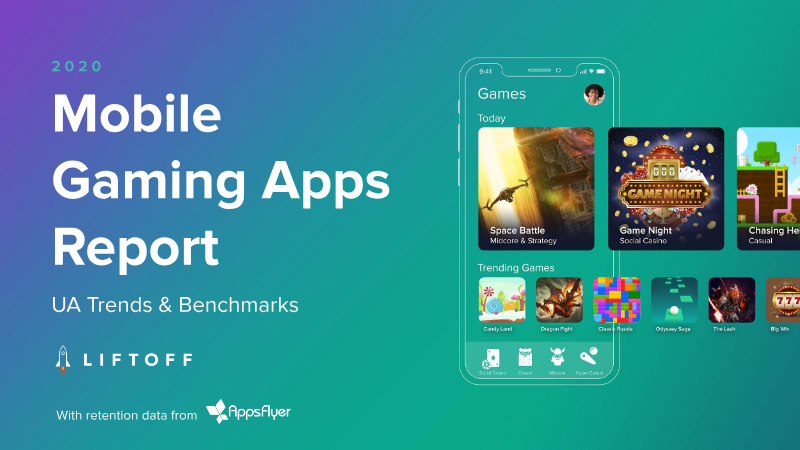
The global mobile gaming market is projected to surpass $100 billion in revenue in 2020, fueled by a 2.6 billion-person player base and a 24% surge in daily in-app payments. While the average cost per install has reached a record low of $1.47, the industry faces a tightening conversion landscape where install-to-purchase costs have risen by 24% and conversion rates have dropped to 3.3%. Midcore and strategy games have emerged as the most efficient segments, offering the highest 30-day return on ad spend at 39.5% while maintaining low acquisition costs, particularly on the Android platform.
Geographic performance varies significantly, with Japan and North America established as the premier markets for user retention and monetization. Japan consistently outperforms global benchmarks, doubling the retention rates of its regional peers and exceeding return on ad spend targets by over 10 percentage points. While the Asia-Pacific region as a whole delivers high returns, it is characterized by the highest acquisition costs. In contrast, the EMEA region, specifically the United Kingdom, provides a high-value alternative by balancing affordable install costs with strong returns. Emerging markets like Brazil offer the lowest entry costs globally but present high risks due to poor long-term retention and low conversion.
The hyper-casual sector is expected to reach $3 billion in 2020, though market saturation is driving a shift toward hybrid monetization models to combat declining long-term engagement. Across all genres, platform choice remains a critical strategic factor; iOS provides a slight advantage in return on investment but requires four times the acquisition spend of Android. Furthermore, while paid user acquisition drives initial engagement in midcore and social casino categories, organic users continue to demonstrate superior long-term loyalty, highlighting the ongoing importance of organic growth strategies in a competitive global landscape.

Liftoff · 2026
Liftoff · 2024
Liftoff · 2024

Liftoff · 2024

Liftoff · 2024
Liftoff · 2024

Liftoff · 2023
Liftoff · 2023
Liftoff · 2023
Liftoff · 2022

Liftoff · 2022

Liftoff · 2021
Pangle · 2025
AppFigures · 2025
Newzoo · 2022
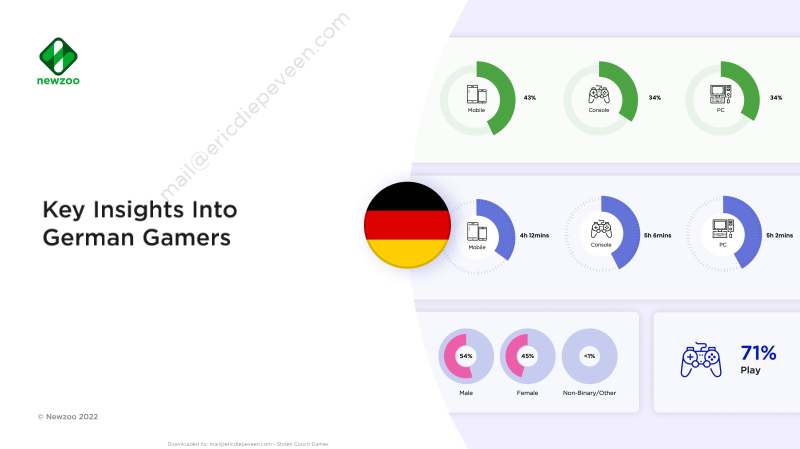
Newzoo · 2022

Almedia · 2026
Sensor Tower · 2026

Sensor Tower · 2026
AppLovin · 2026

Sensor Tower · 2026
Modern Times Group · 2026
AppMagic · 2026
InvestGame · 2026