Monetization reports and market data
Documents

India’s Blue Gaming Ocean
The Indian gaming market is undergoing a structural transformation, projected to expand from $2.6 billion to $8.6 billion by fiscal year 2027.
- The Indian gaming market is projected to grow from $2.6 billion to $8.6 billion by fiscal year 2027, driven by a mobile-first player base of 400 to 500 million users.
- The industry is shifting its strategic focus from real-money gaming toward original, culturally resonant content that leverages Indian mythology and lore as unique intellectual property.
- India accounts for nearly 20% of global game downloads, with users spending an average of eight to nine hours per week on mobile gaming.
BREAKING: Unity Surrenders
Unity has issued a formal policy revision in response to widespread developer backlash regarding its previously announced runtime fee structure.
- Unity has abandoned its controversial runtime fee for the Personal plan and increased the revenue threshold for mandatory upgrades to Pro or Enterprise from $100,000 to $200,000.
- For games generating over $1 million in trailing 12-month revenue, developers can now choose between a 2.5% revenue share or a fee based on self-reported monthly engagement.
- These policy changes apply exclusively to the 2024 Long Term Support (LTS) version of the engine, meaning existing projects remain exempt unless developers voluntarily upgrade.
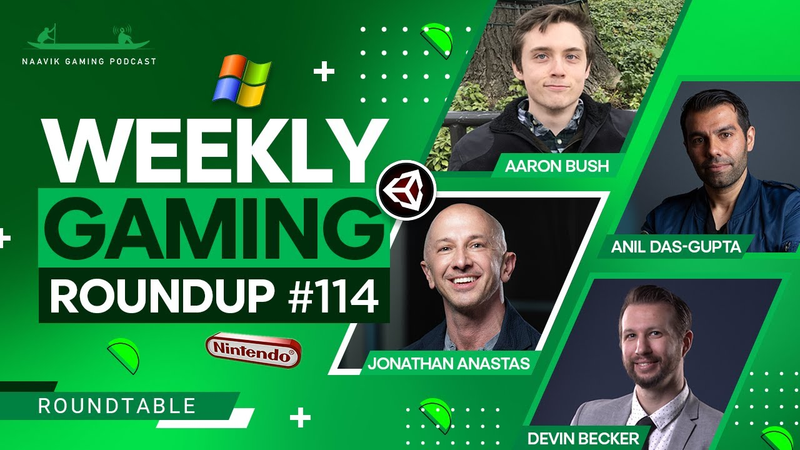
Unity Backpedals / Playtika Acquires / Next-Gen Console Leaks
Unity’s recent attempt to implement a controversial runtime fee policy has triggered a profound crisis of confidence within the game development community.
- Unity's attempt to impose retroactive runtime fees has damaged its reputation, prompting developers to explore alternatives like Godot to prioritize platform stability over Unity's mobile ecosystem.
- Unity has attempted to mitigate developer backlash by capping its new runtime fees at 4% of revenue and limiting the policy to high-earning developers.
- Microsoft is shifting its strategy toward a hybrid ecosystem that integrates local hardware with Azure cloud infrastructure to centralize user data and services via Game Pass.
New Unity Pricing Has Leaked
Unity’s recent attempt to overhaul its pricing structure has triggered significant industry backlash, forcing the company to backtrack on controversial elements of its proposed runtime fee policy.
- Unity is revising its runtime fee policy to include a fee cap of 4% of revenue for customers earning over $1 million annually.
- The company has confirmed that installation counts will not be applied retroactively to existing game titles.
- Unity is shifting toward a self-reporting model for revenue thresholds to address developer concerns regarding transparency and tracking.

Driving ROI with Data Analysis – Part 1
Maximizing return on investment through data analysis requires a lean, iterative strategy that prioritizes actionable insights over the indiscriminate collection of metrics.
- Prioritize actionable metrics like rolling retention, session length, and stability to prevent technical debt and the accumulation of vanity metrics.
- Align data infrastructure complexity with the studio's current stage of development and team capacity to ensure pipelines remain manageable.
- Supplement quantitative data with qualitative community feedback during soft launch phases to compensate for a lack of statistical significance in early-stage metrics.
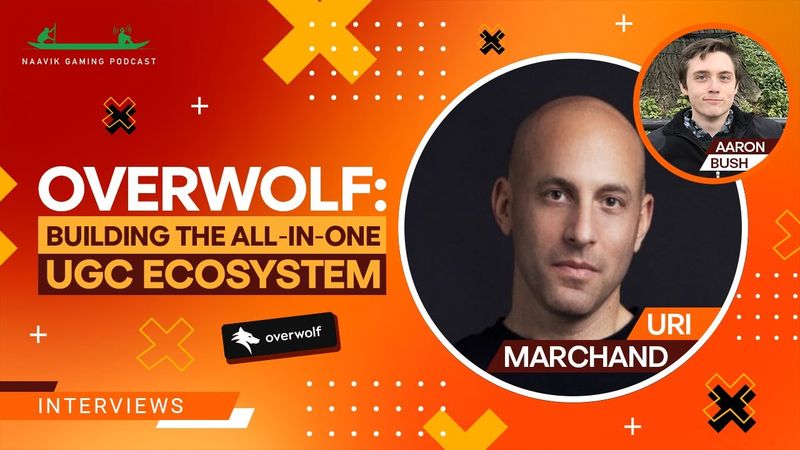
Overwolf: Building the All-In-One UGC Ecosystem
Overwolf functions as a comprehensive ecosystem designed to professionalize and monetize user-generated content (UGC) within the global gaming industry.
- Overwolf aims to generate $1 billion in total revenue for its creator community by 2030.
- The platform provides an end-to-end infrastructure for UGC by integrating app development frameworks, the CurseForge modding marketplace, and the Tebex server-side e-commerce solution.
- Overwolf is expanding its 'UEFN-as-a-service' capabilities to help major studios integrate modding directly into their development pipelines.
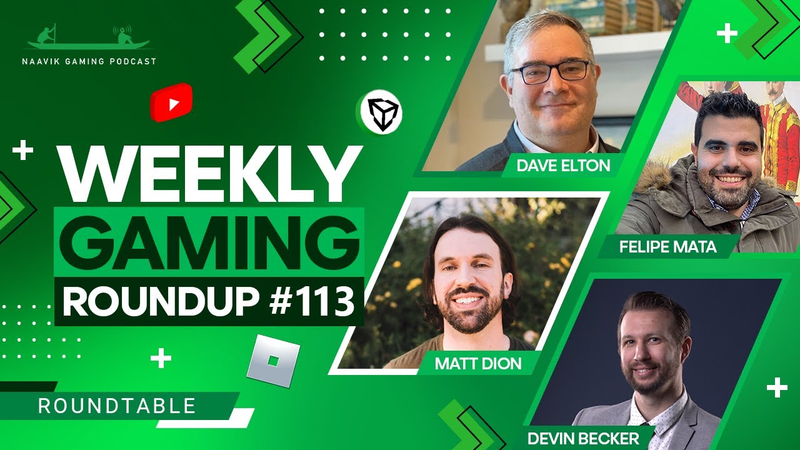
Unity Sparks an Uproar / YouTube Instant Play / Roblox Developers Conference
The gaming industry is currently navigating a period of significant structural and financial recalibration, characterized by cooling investment climates and aggressive monetization strategies.
- Unity’s new runtime fee based on game installs has triggered widespread industry backlash, threatening its market dominance as developers migrate to alternatives like Godot and Roblox.
- Story Protocol secured $54 million in funding, highlighting a growing industry shift toward blockchain-based automated intellectual property management and modernized royalty tracking.
- Roblox is aggressively targeting demographic expansion and professionalization by launching on PlayStation and VR, while introducing direct USD payouts to attract mature creators.
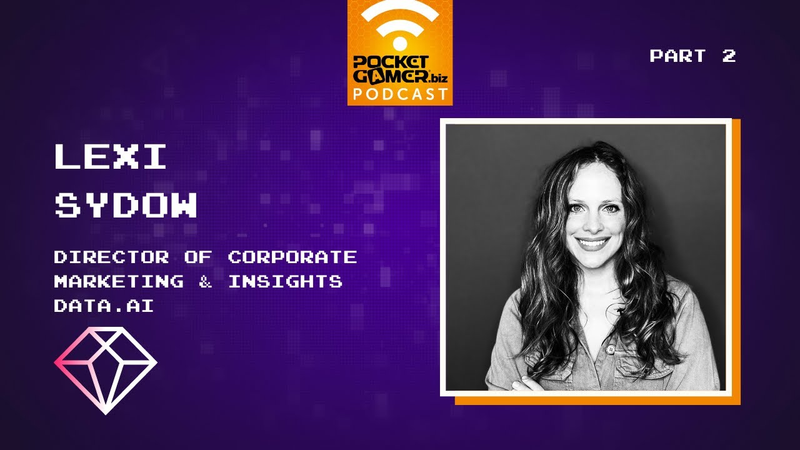
data.ai’s Lexi Sydow On Top-Grossing Genres And What It Takes To Make A Successful Game
The mobile gaming landscape is currently defined by a shift toward holistic performance metrics that prioritize a blend of acquisition, engagement, sentiment, and monetization.
- Success in the current mobile market requires a holistic strategy that integrates intellectual property with high-intent user acquisition, such as targeted paid search advertising.
- Leading titles like Monopoly GO! and FIFA Soccer sustain high revenue by leveraging real-world events and social-first experiences to build long-term player affinity.
- Modern game development must pair simple, intuitive gameplay mechanics with complex, event-based content to maintain engagement in a crowded ecosystem.

Starfield Launches / Actor Strikes May Hit Games / Humble Bundle’s Expansion
PlayStation’s recent subscription price increases reflect a calculated strategy to leverage high user retention and market dominance to bolster profitability.
- PlayStation is increasing subscription prices to prioritize average revenue per user (ARPU) and leverage its market dominance following the conclusion of the Microsoft-Activision acquisition.
- The potential SAG-AFTRA strike centers on demands for improved compensation and protections against the unauthorized use of AI and digital likenesses, threatening significant production delays for the industry.
- Starfield’s launch acts as a critical stress test for Xbox’s hybrid business model, which must balance direct unit sales against the need for a consistent pipeline of first-party content to sustain Game Pass growth.
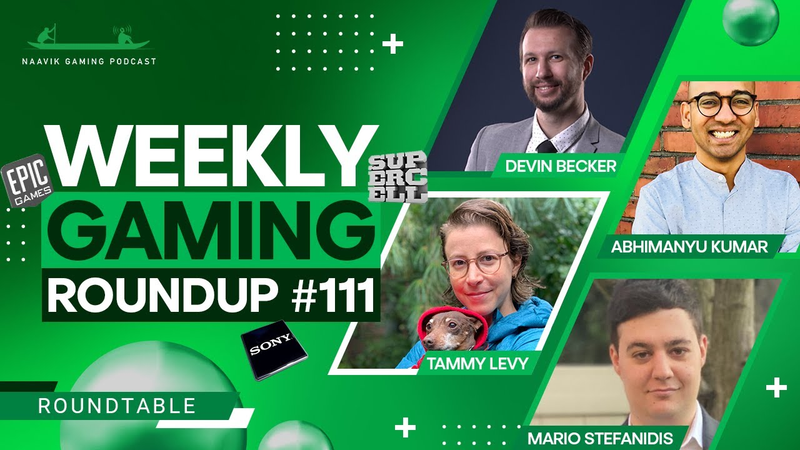
Supercell Cancels Floodrush / Gamescom Highlights / Epic’s Revenue Boost
Supercell’s decision to cancel the battle royale title Flood Rush underscores the company’s rigorous commitment to quality, as the project failed to achieve the strategic depth necessary to compete with established hits like Brawl Stars.
- Supercell canceled its battle royale title Flood Rush because it lacked the strategic depth required to compete with established games like Brawl Stars, reinforcing the company's focus on iterative quality over volume.
- Epic Games launched the 'First Run' program to challenge Steam by offering developers 100% revenue retention for six months of exclusivity, though the strategy faces skepticism regarding the potential loss of launch-day momentum on larger platforms.
- Sony is pursuing a dual strategy of hardware ecosystem expansion through the acquisition of Audeze and aggressive revenue extraction via increased PlayStation Plus subscription prices.



Store Intelligence Data Digest: Q3 2023
This analysis examines global mobile application performance during the third quarter of 2023, covering downloads across the Apple App Store and Google Play.
- Global mobile app downloads reached 35.1 billion in Q3 2023, a 0.7% year-over-year decline driven by a 2% drop in Google Play installs despite a 6.1% increase on the Apple App Store.
- Meta dominated the quarter as Instagram secured the top global download spot, while the July launch of Threads generated nearly 40 million installs on its first day to become the fifth most downloaded app globally.
- India remains the world's largest mobile market by volume with 6.6 billion downloads, more than double the volume of the United States.
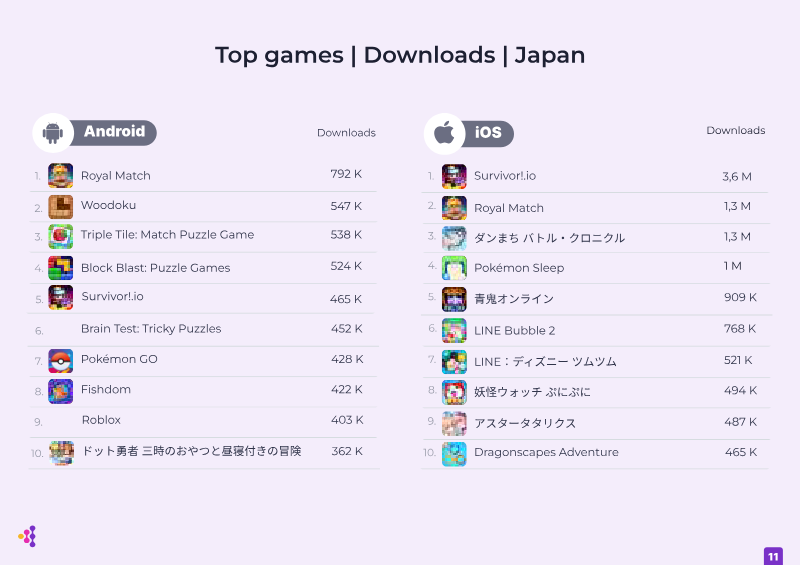
Mobile Games: State of the Market & Playtime Benchmarks Q3 2023
The analysis evaluates the current performance of the mobile-games ecosystem, concentrating on download popularity, revenue generation, and user-engagement metrics across key Western and Asian markets.
- Revenue in the mobile sector is highly concentrated, with Coin Master generating €5.3 million on Android in France and €6.7 million on Android in Germany during Q3 2023.
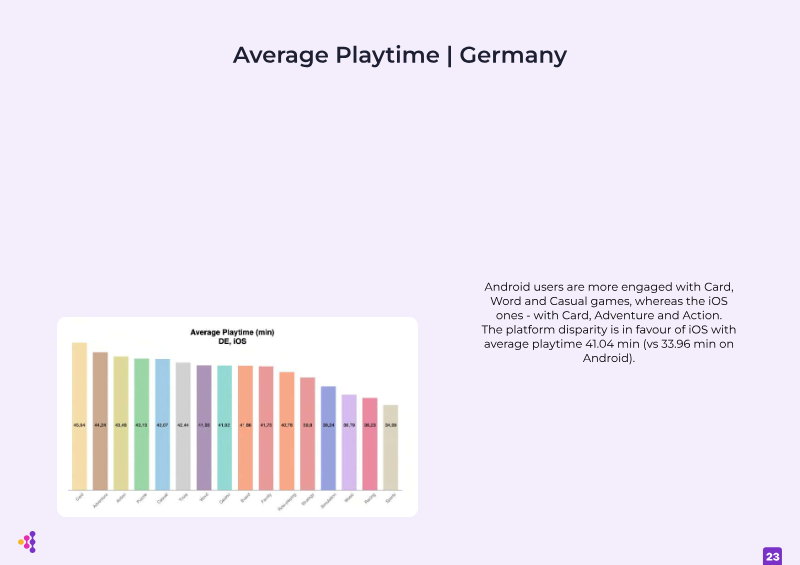
- iOS users consistently demonstrate higher engagement than Android users, with average session lengths ranging from 35 to 51 minutes on iOS compared to 29 to 44 minutes on Android.
- Japan records the longest average mobile game sessions globally, while France exhibits the smallest platform-based engagement gap at approximately 3.6 minutes.