1 free read left. Create a free account for unlimited reading + AI research.
Create free account
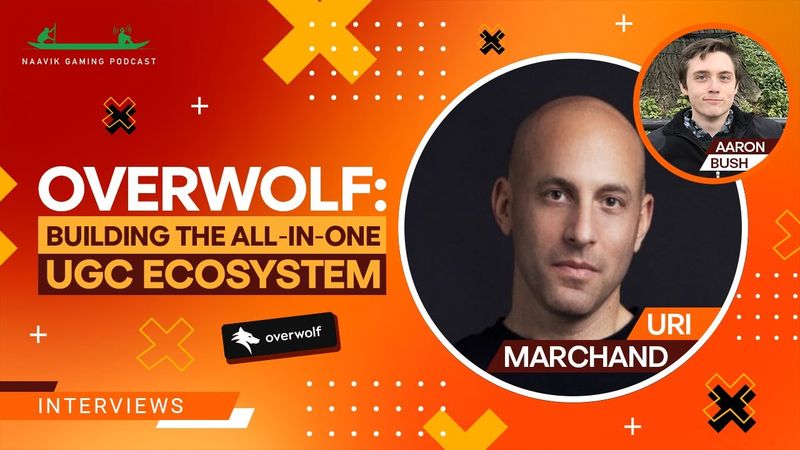
Overwolf: Building the All-In-One UGC Ecosystem
Key insights
6 takeaways- 01Overwolf is expanding its 'UEFN-as-a-service' capabilities to help major studios integrate modding directly into their development pipelines.
- 02The platform provides an end-to-end infrastructure for UGC by integrating app development frameworks, the CurseForge modding marketplace, and the Tebex server-side e-commerce solution.
- 03To ensure platform security, Overwolf has implemented generative AI-powered scanning tools to monitor user-generated mods.
- 04The organization has scaled its internal operations to over 160 employees to support a decentralized ecosystem that functions across multiple distribution channels.
- 05The company is shifting away from traditional ad-based monetization toward stable, creator-centric revenue-sharing models supported by centralized payment and payout infrastructure.
- 06Overwolf aims to generate $1 billion in total revenue for its creator community by 2030.
Ask AI about this video
Transcript
Welcome to the Naavik Gaming podcast, where it is our mission to explore the business and future of video games. We bring together the industry's brightest builders, investors, and thinkers to keep a pulse on current events, dissect emerging trends in games, share lessons learned, and have a great time. This podcast is also part of Naavik's growing ecosystem, which ranges from free and premium research to consulting and advisory services. For more information, visit www.naavik.co. This episode is brought to you by our partners at Windwalk. Windwalk builds digital communities and the technologies necessary to accelerate them through their flagship software, Harbor. Harbor is an end-to-end community software that empowers community and marketing teams to delight users, measure success, and grow across an expanding number of
digital channels. Harbor is a foundational technology loved by millions of gamers and integrated into the communities of the largest mobile, PC, and Web3 gaming products on the market. To learn more about this flagship product, simply head to harbor.gg or check out the details in the show notes. And with that, let's dive into the episode. Hi everyone, I'm your host Aaron Bush and my guest today is none other than Uri Marchand, co-founder and CEO of Overwolf. Now, if you followed our podcast for a while, you know that we're super bullish on the emergence of user-generated content in many forms across games. And Overwolf, which labels itself as the all-in-one platform for creating, sharing, and monetizing in-game apps and mods, is of course one of the industry's most important players in the space. Overwolf is also one of our partners for Naavik's Open Gaming Research Initiative, which we're absolutely thrilled by, and it's always a pleasure to learn more about what's
going on at this increasingly important business. And Uri, I believe this is now your third time on the podcast with us. I'm glad you're not tired of us yet, but thanks again for taking the time to hop on. No, not at all. And thank you very much for having me. Great. Well, since you've been on before, we'll work to cover some new ground today as well as updates on what's been going on over the past year. Uh but first, just for those who might have missed the previous episodes or maybe unfamiliar with your business, could you just recap what Overwolf is all about? Let's start with the the big picture. Sure. So, with Overwolf, we're building a new profession. We're calling this profession in-game creators, and in-game creators are people building either gaming apps or mods or private servers and are making a living doing so. Um it's kind of like if you're looking to build content around existing games, and you're a developer, you're not an entertainer, and you have an idea on how
to add a feature to a game or how to add a mod to your game like additional content, you'd be able to potentially build something by yourself, but if you come to us, you would get a very robust engine that helps you with creation tools, with advice on what to build, documentation, and with acceleration team that helps you kind of understand whether this has any sort of commercial viability or product market fit. Uh we have monetization capabilities, and it's really like an A-to-Z solution if you want to build gaming content, distribute it to gamers to use and potentially make a living doing so. So, I think this is us in a nutshell. Yeah, it's a really exciting ecosystem, and Overwolf has also made a couple notable acquisitions in recent years, first with CurseForge and then with Tebex last year. Um so, maybe could you just walk through like what are the different core components of Overwolf at this point? You You just teased on it a little bit. Because you break it down in
a bit more detail for us. Sure. Yeah, absolutely. Uh so, let's kind of describe these categories based on the games that they serve. Uh let's take League of Legends for example, right? Uh competitive online game the game developer and publisher Riot Games, they're not too excited about people modifying the game itself, right? Uh so, you cannot do things like you can do in games like Minecraft. And so, for a game like this, what you could build is either a gaming website or gaming app. So, something that does not modify the game experience, but enhances the game experience with overlays and stats and data and information, for example, that would help me be a better player. Or if there was a new set in TFT, another game by Teamfight Tactics by by uh Riot Games, through uh an app, I can see what the meta looks like today and which comps I should play and which items I should put on the champions that I'm playing. And so, this is the first category. Apps
tend to monetize either with ads or subscriptions, and they're the notable. So, you go to a website, you download the app that you want, and start playing. We have two different uh frameworks. Uh one of them is how we started, so the Overwolf apps platform that is built on Chromium CEF, actually, Chromium Embedded Framework. That's option number one, and option number two is to simply build it on Electron. Electron is a framework that helps you build desktop apps, and we've created on top of Electron Overwolf Electron that basically takes all of the functionality that we've built over years building Overwolf platform and make it it feature compatible with Electron. So, for those of you who are listening who are more technical, you probably know what I'm talking about. The one less technical, think about it as another framework that we support for gaming out development. Makes sense? This is the first category. Second category is modding and it's something that we started working on probably round about 4 years ago once we felt like our solution is mature
enough with apps. And mods are basically a bunch of files that modify the game experience, right? So, if I want to use a mod, I need to download again something to my computer, but it's not an overlay. It's not necessarily like a separate from the game. It's something that changes gameplay. So, if I'm downloading a mod for The Sims, this could be a new outfit or a new like script mod that is kind of like DLC. If I'm downloading a mod for Minecraft, it could be a whole world or a map or something else. It's really a very kind of large variety of different experiences that I can explore as a gamer. And over there, the solution is first and foremost the console for authors for mod authors. Uh they can use that to see analytics, how many downloads they have, publish their mods, manage their releases, and all that. So, this is kind of the author-facing product. The gaming-facing product is a marketplace called CurseForge um that is either a website or an app.
The website simply allows you to browse for mods, search, get information, download all the usual things you would do at a store. And the client does the whole thing just a bit more conveniently and uh takes care of auto updates and those kind of things. Cool. So, this is kind of the first set of modding. The other side of modding, CurseForge for studios, is a way to integrate all these capabilities directly into your game. So, let's think about a game, say Ark: Survival Ascended, that that is launching in round about a month and a half. And for this game, the studio Studio Wildcard wanted to support mods for not only PC, they wanted to do it PC cross DRM, so Steam, Epic Games Store, etc., but also consoles. And so, if you want to make that happen and provide high-quality discoverability for your gamers, you probably want to have the whole store and discovery mechanism
built into the game. And this is what we're powering for them. So, different components obviously are discovery for players, the back-end services for the authors themselves, and uh eventually monetization for uh you know, the authors so that gamers can actually buy high-quality DLC-level mods from either console or PC, and therefore developers or mod authors can earn a living. Cool. So, this is a uh the first sort of product description is a more third-party way to do modding. And the second one is a more integrated way to do modding that's like directly embedded into the in in the game. The last category that we power is uh server owners. Um you know, for some games that have a decentralized server architecture like Minecraft or like 5M that we mentioned earlier today, like ARK, like Rust, for creators building these servers, we provide like an e-commerce solution. Uh
this includes a plugin that they integrate into their server that handles attribution, a CMS that allows them to manage their own live ops business and store so they can sell stuff and all that, and a payment solution that takes care of basically allowing gamers to pay for whatever they want to buy and creators to get their rev share, and we're handling all of the creator needs in terms of tax handling and chargeback protection, obviously dealing with all the card providers and many other services that Topics provides. And this is indeed an acquisition. Um the team started Topics around about a decade ago uh at a very young age and uh very slowly, kind of the way we like it and you know, I love entrepreneurs that start scrappy very early on build products that have product market fit and over time find the right business model and are able to scale their businesses. It's very similar to kind of the story that we've had and experience that we've had building Overwolf. So, we came
across the team and we thought that would be a great addition to Overwolf. Um So, yeah, this is the third category. Well, that's a fantastic breakdown of your business. Thanks for laying that out for us. And really in this episode, we'll be kind of taking some time digging into each of those main components. Um followed by I mean, you've been working on Overwolf for I think about 13 years now and so, I also want to spend some time just talking to you about what you've learned as an entrepreneur and CEO over that time period as well. So, we have lots of stuff to uh to look forward to um and the rest of this episode, but uh maybe to start with something even more recent. Uh you gave us a pretty tremendous breakdown of of the company, but you were on the podcast with us a year ago. So, I'm also curious just to hear your take on what's changed at Overwolf over the past year. What have you been working on? What is your focus been? Um yeah, you can take that any direction, but what's new? Sure.
Uh sure. So, I think with each of the product categories that we serve or the creator categories that we serve, we made um significant continuous progress. On the app side, we've opened up Electron. Um the reason we've done this is we saw that sometimes people who develop gaming apps, their starting point is Electron. And they're kind of building everything in-house, but then when they ship the product, they find that they're missing many different components. For example, how do they understand real-time telemetry? How do they do an overlay that doesn't crash the game and causes a bunch of issues like we ourselves experienced in the past. How do they do ad monetization within the desktop app in a way that is legitimate and they're not going to get banned by Google that forbids placing AdSense ads within desktop apps. For them, what we're building is this feature parity and over the past year, we've introduced our first solution for Electron which we've continuously
evolved since then. On the modding side, I think we've done a bunch of things. I mean, first we've launched the new website for CurseForge when we've acquired the asset from Twitch. It was like the previous sort of legacy website that was super super hard to maintain. It's a project that started, you know, over a decade ago, different languages, tricky to maintain, tricky to add features. I remember this one time we wanted to add like a a mod to the featured section. And we've changed the number of featured mods, I think from six to seven, something like stupid like that. And that completely crashed the database. Oh. Uh got the CPU over 200% whenever we would reload the site, it would crash. I think we sat on it for I don't know how long before we figured it out that it's such a dumb thing that caused this crash. So, a lot of these things, you know, obviously we've not built the original product caused us to be slower than we wanted. So, anyways, we launched
a new website. That was big. Um obviously integrated with uh The Sims and added a bunch of other games. And uh most recently we've added a bunch of new security options. Uh you know, everyone's talking about GenAI. We're actually using GenAI for making uh our services safer. So, like literally every relevant mod is being scanned not only with antiviruses and anti-malware, we're actually, you know, decompiling some of those files and running them through like GenAI automations to understand if there are vulnerabilities. So, there there's all this continuous product over there, and with Tebex, this is actually really interesting. You know, when we've a lot of people ask me, "Why do you guys acquire Tebex? Like, what's the rationale behind it?" And I think first and foremost, we love the team, we love the culture, and we feel like it's extremely aligned with our vision. And then more concretely, Tebex helps us open up a new creator category that has a lot of synergies and network effects with our
other categories. That's one. But then the second thing is, if you want to build an ecosystem, you kind of need to own the payment flow. Otherwise, you're really dependent on third-party providers for payments, payouts, and all those things, and it's very difficult to create the best consumer experience possible. So, we felt like we need to have a solution in which we kind of own the payments and payouts, and if we work with We already work with tens of thousands of creators that we need to pay out for every month. So, if this infrastructure is already built and we can improve it over time, it's extremely valuable for creator economy play. Um Most recently in in this past Gamescom, we've also launched the capability for game studios to monetize using Tebex. Um obviously really relevant for indie studios, but also for larger ones that don't want to deal with the payments headaches, and particularly are excited about integrating creators with their game, and want like a single provider that's
going to help them with people who just want to buy the game, but also people who want to buy UGC stuff. So, most recently, we've launched a new website for Tebex, but the website is like just the you know, the end of the project. This is a result of working quite a long time to take the offering that we now have for server owners and introducing it to game studios. So, I think TLDR on apps, Electron and a bunch of other features. On mods, new website, a bunch of things that we've done in CurseForge Studios. And lastly, on Tabex, we've launched this new capability for our studios to also monetize. Awesome. Well, it seems like your team has stayed quite busy, and I admire the the all-around progress you all have made and and seem are seeming to make pretty quickly, too, which is which is fun to watch unfold. Even just from interview to interview that we've done with you, it's been really interesting to see how at every point you're leveling up a few things that that Overwolf
both is and is capable of. So, so that's really cool. I'm curious maybe even to just ground this on more of the creator side, because you're building things for creators to then leverage in some kind of way. So, similarly, over the past year, like what have been like one or two really cool projects that have been built leveraging Overwolf that are exciting to you? I think one of the things that I'm mostly excited about is actually what's coming up in round about a month and a half with Ark Survival Ascended. So, in preparation for this launch, we've been working with a couple of game studios, like proper game studios that have shipped games on building Ark mods. And it's kind of like the way Fortnite thinks about UEFN. And um By the way, like I I we haven't talked about UEFN, but I think UEFN is one of those changes that happened over the past year that further strengthen our position and caused more
game developers to say, "Hey, I want to find this company that does like a UEFN as a service. And can you guys do that for us?" And this is exactly what we do, and this is exactly what we're doing with Ark Survival Ascended. And luckily, this is something that we started working on um you know, long before GDC. At GDC itself when uh Epic Games announced UE fan, we've already had conversations with uh you know, PlayStation, Xbox on how that's going to work inside the console um after finishing, you know, the integration process with the first parties. And this has been, you know, a big uh focus to get it to the quality level that needs to be at and make sure we nail all the components and just working with uh these studios is probably one of the things that I'm uh most excited about both kind of looking back over the past couple months, but also onto the future. Um let's see. Second one.
I think the the second one that I really like is um the security features that we've added because those again touch multiple projects. Uh so, they're important not just for a specific, you know, mod in Minecraft. They just add safety all across the board. Um something like I want to say roughly 3 months ago, maybe I'm not exactly sure up in the exact date. We had a malware situation in Minecraft. So, uh a group of modders in Minecraft find a way to steal cookies from authenticated authors and somehow distribute mods through their account that had like a a piece of malware. And we realized that um we need to do uh like a level up in particularly our automation tests, but also some of our heuristics. Um Luckily, we're at a point where we feel a lot safer and we've learned a ton from
that experience. And so, while it was definitely unpleasant, as as far as I know by the way, no harm done with this malware. So, this is also good news. But in terms of the solution, I'm really excited about us significantly leveling up the security level based on um this creative way we found to use gen AI to increase the security level. Make sense? So, you know, security and you know, I don't know, mods and consoles. Yeah. No, that's exciting. Uh two quick thoughts back to you. One, I think uh UEFN as a service is a fantastic framing for people who don't really know what you are to for it to like quickly click with them. Um and yeah, you're right that something like the emergence of UEFN it it helps prove Overwolf's case a large amount for what's going to happen elsewhere in the industry. And then two, as someone who has had, you know, malware from Minecraft mods hit me many years ago, um totally totally relates to the importance of increased security. So, awesome to hear that um you as a
team have been prioritizing that. Um one last question from me before we kind of dig more into the kind of the details of the different categories that you have. Um you started Overwolf in 2010 and over the past 13 years that you've been running this company, the the industry, especially user-generated content um side of gaming, has changed pretty uh tremendously, pretty dramatically. And so, I know that there's a lot that you have held steady in your beliefs on that have been a driving force in the creation of Overwolf and what the company is ultimately going to be. But I'm also just curious, within this space over the past decade or so, what have what have you changed your mind on um that maybe you didn't see coming, that you've had had to adapt to or um or whatever it might be, even as an entrepreneur? What have you changed your mind on? I I think it's a really really interesting question that I can kind of
break into different categories. But I want to say like fundamentally in terms of our strategy, um you know, I I don't know if we've talked about this in the past, but every once in a while when people talk about the early days, I mentioned this uh article that we've done for uh gamesindustry.biz and it's called modders are developers. And the whole thing is about how the industry should potentially change its perception about modders kind of being an evil side of the industry, breaking the game, doing whatever they want without helping the studio in whatever way. How we can harness the creativity of passionate creators to actually benefit not only gamers, but also the studios. This goes back to 2014, you know, long before Roblox became what it is and the Minecraft ecosystem has grown to kind of the scale that it's at today. And I want to say that from that perspective,
what we've seen over the past decade is this continuous acceptance that creators are actually good. And creators are actually benefiting you and if you watch out for the quality of the service that you're providing, security-related stuff, if you're curating and moderating the content, then eventually if there is like a system to control the jungle, then it actually benefits everybody. So, I want to say that perspective probably with time is what What we're saying is it becomes more and more relevant. You know, I think as as an entrepreneur going over to, you know, things like how do you think about should run a company and managerial-related stuff and leadership, you know, skills, I had to teach myself a ton. I realized at some point, probably back in 2015-ish when we've grown from a group of, say,
three dozen people, so 30-ish or so, where I pretty much know every single person, what they're doing, what they're focused on, what their problems are. We started growing with our uh headcount, with our team, and it became extremely complicated to be on top of everything. And at that point, I had to learn how to kind of be a different type of leader. Um and I'm it just something that you know, I'm still learning. So, uh my best source for learning, I think, has been either the people I speak with and uh most importantly, the books that I've been reading. So, I probably read close to 100 books around uh leadership and managerial things. And from each book, I've tried to take the insights that I would then implement into the company. Some worked, some didn't, but all have taught me something meaningful, you know. We can talk about it later. I don't know if it's interesting, but notable books are obviously the Jim Collins books, um Good to Great,
uh Built to Last. Great by Choice is also uh wonderful. I think it was the first uh book I've read, but also a bunch of others. Um So, I think this is on me as uh as like an entrepreneur. What else has changed? You know, I think the the We've talked about this previously, but I think it's just the perception of game developers. When we started off, game developers were like, "Hm, why why are you guys, you know, building things around our game, and how are you doing it?" And everyone kind of were suspicious about that, instead of welcoming. And right now, that's completely changed. I don't know, does that cover uh and did I miss any important categories or anything like that? No, that's that's good. I was I was even curious where you would take it and what stands out to you as what's changed. Um uh I think that was a great answer, and some of those pieces we'll we'll dive into a bit more um later in the episode. But let's go ahead and and shift gears to kind of talk about the main pieces of the business. And so, for one, your in-game apps business, um as you mentioned, has sort of been your
longest-time pillar of the business. And I I think it is, at least compared to the other parts that you've created, is the more mature side of things. So, maybe So, we can spend a little bit of time on this, but maybe you could just tell us a bit more about like the the in-game apps strategy. Like, what does your support really look like these days? How's it evolved? What's missing that you would like to see added over time? So, you can kind of take that strategy question, maybe past, present, future. The way we started is we realized So, we started as creators, right? We didn't have a platform. We built everything in house. We thought that we're going to be building everything in house forever. And then, you know, mid-2013, we decided to pivot, and that was the thesis of our A round, from building everything ourselves as creators to being the best in the world in just building the app engine. So, an engine that allows you to build gaming
apps. We started with just having stable, high-quality overlay, because if you want to add the feature to your game, you need to have UI that works inside of the game without you tabbing out. And that has been a really complicated task. Right now, there are a few open-source libraries out there that can help you do that. But still, if you compare our performance to where they are, there are huge gaps in terms of both stability and performance. And we've had to go through this learning curve ourselves. So, this is how we started. We then evolved into real-time telemetry. So, you want to build smart features, you want to know when someone died or how much damage they're, you know, dealing, which items they currently have, etc. So, we've developed the capability to, through looking at things that are happening on the screen, extracting real-time telemetry. We also have an SDK that is with some games that just fires real-time events. We then have evolved our developer tools. Once upon a time, people had to
submit apps via Slack and that, you know, doesn't scale and doesn't make sense. So, we've created this uh developer console that has your analytics and crash reports and monetization uh reports and like everything you would need. It's like a Google Analytics, but instead of for your website, it's for your desktop app and it provides you things that are relevant for desktop app. For example, logs. Like you want to understand what happened on the player's computer if you have this specific issue or you want to understand how people are using your app, which windows are visible. Um so, aggregate information that's going to allow you to build a better product. And then we realized that actually what a lot of uh developers need is not necessarily the like just the tech tools, but they also want distribution. So, they just released an app. So, they want distribution. So, we've developed capabilities around discovery in a store that we have, around making recommendation. We have a marketing team that provides growth
services for the third parties that we work with. So, anywhere from branding to um dealing with influencers and dealing with big platforms to do paid campaigns that sometimes we fund. Like if we see a high-quality product with great retention, we would fund them. Uh so, we're helping with uh distribution and promotion. And um I think as we move forward, we're building more and more services into that. Um another service that we have is for testing. You have the ability to in your console have a version that's dedicated for testers and a version that is the public branch. So, you can go to the test branch and ship it either to a to our alpha testing group or to a bunch of folks on your team that would now test it before it's being released. So, you know, all of those live ops {slash} you know, uh continuous deployment type services that you would need in building traditional products, it's all something that you get as a service from us. And then most recently
Electron. So, it's like continuously thinking about what is the most desired feature from the developers' perspective and focusing on it. And it's not just tech tools, it's all of the above, right? Everything that you need. Monetization, good market, UI UX, and more. Does that Does that make sense? That does. I have one quick follow-up um of what you just said. Um I'm curious what you think the future of distribution is um in this space. Like do you Do you see like an Overwolf marketplace being like the primary go-to distribution channel of these types of apps or do you foresee like these games teams supporting them uh more like ingrained in in some kind of way? Like what what are you seeing there and how do you think that'll play out? So, I think there's going to be distribution from three different sources. One is the Overwolf Appstore. People are going to go, they're going to download, and this is something that's already happening right now. The second one is just independent
websites for products. Um some app developers do not want to kind of be in a store. They just want to have their own website and have their product exclusively available on their website. And this is why we've developed support for Electron. And we're welcoming like our approach is to think about what our partners need, what the developers need, and then go and serve these needs. It's a very simple process, and once we understand that some people prefer to have it this way, then, you know, we're happy to support that. By the way, one of our partners, uh Mobalytics, actually had an app on Electron and kind of their own independent website and now they have an app on the overall store. So obviously it's available on the website to download, but it's also available in the store and they decided to make that transition for the benefits that I mentioned earlier. So people can go both ways, but what's going to change in the future is we
already have conversations with a couple game studios that choose to integrate some of the apps um you know, into the game. One example is a goose goose stack. Um it's a it's a fun game. You know that game? Um they've integrated an app called Outplayed into the game and it just helps folks create highlights from the game. But we have conversations with a couple other studios that are looking to you know, choose a few selected apps they would market from the game. They also get a piece of the rev share so they're commercially incentivized not only from like an engagement and user onboarding standpoint, but also you know, uh a bit of revenue potentially that they can generate. And I think this would probably be the third way to kind of distribute apps from like official destination. Obviously marketing whatever you would imagine like influencers and Twitch and and YouTube and whatever else. Awesome. Well, that does provide a lot of context on distribution. Thanks for sharing those details and I I cut you
off with that question when we were when you were starting to talk about more about the future of uh your your in-app strategy. Is there a bit more that you wanted to unpack there Yuri? Yeah, I think the the road map at the end of the day is defined by the needs of our customers and they're always very communicative and vocal on what they want us to develop. And so it's always going to be welcoming and it's going to welcome additional frameworks. So we have electron. We're going to look into adding uh more frameworks soon once we finish feature parity with electron. So you know, I think this is one thing. Um the other thing just this policy of listening and developing where developers need, that's the second one. And, you know, this is a very long list. It's all on our website, by the way. If you folks want to vote, they can do that quite easily. And, uh, it would obviously grab our attention. And then lastly, I think we're going to start seeing games, more and more games, actually integrate apps as an offering somewhere within the game UI, so that
people can download apps and it becomes, uh, not only a retention and engagement mechanism for the games, but also a monetization strategy for them. So, I think this is how I would imagine the future. Yeah. Uh, that makes sense. And that in-game embedding makes a ton of sense for for unlocking upside of engagement and all of these tools. So, I'm probably most excited about seeing where that goes. Uh, well, let's go ahead and shift gears slightly and talk about modding. And you mentioned how Overwolf has been playing a a growing role in enabling, um, modding and helping modders unlock new business models for themselves that didn't really exist in the past and in a corner of the industry that in many ways has sort of looked down upon, um, monetization. Uh, so I'm curious, maybe we can start big picture. How do you think this next era of monetization will look different from the past era? Um, and what exactly is Overwolf doing in a bit more detail to kind of enable that evolution?
Sure. So, I think when modding started, it was only about creating new experiences just from the passion of creativity and the passion for the content that people played. You know, a lot of the early gamers were software engineers themselves or with a bit of like a tech angle. And so, they can actually build all of those things. And this is modding back in history. But then, maybe, I don't know, five, six, seven, eight years ago, modders have started monetizing with all sorts of either reward programs, kind of like the one that we have on CurseForge and has existed on CurseForge pre-acquisition, but also things like Patreon. Like, do you want to get early access to my Sims mods? Great. Subscribe three bucks a month or something and get early access. But then eventually, I think some mods are just going to be like DLC level mods that people would actually be willing to
pay money for, just like they do on private servers. And at that point, I think we will hit an inflection point in which this becomes such a gigantic engine just generally in the industry so that every game, as it's being created, they would think, "Huh, you know, if this game's going to succeed with the right moves and the right decisions and with integrating some of the tools that we have, we can turn this game into like a game engine, just like Minecraft is a game engine or the the the various Minecraft loaders are game engines or just like ARK: Survival Ascended is kind of like a game engine because, you know, you can do actually quite a lot with it and you don't need to worry about some of the other things you need to worry if you start from scratch, anywhere from go-to-market to everything that ARK provides. Yeah. You know, so so I think this is the evolution from I'm just doing it because it's fun or because I think other people are going to enjoy to uh making a very basic
income based on business models that kind of exist, but they kind of have a glass ceiling to it's just like a pure entertainment e-commerce play where everyone's benefiting from creating high-quality content and selling it. Yeah, and on the the other side of the equation too with game studios, um historically, I know many studios have been hesitant to like formally support modding in in some kind of way whether for different reasons whether it's cuz they don't want to put the resources into it, they have concerns about moderation etc. In your conversations with game studios more recently like how has how have the conversations been changing and like what of what you offer has made that conversation easier more compelling to the studios themselves. Yeah, I mean I mean definitely we talked about this earlier when we're saying that it's like you have fun as a service they're like okay sounds sounds cool.
And then you know we don't have a ton of more questions because they kind of understand where this is going. Obviously there are a ton of details around live ops and how you do the integration and how you provide developer tools because you have to think about how you build a creation kit for the studio but we're in a position where we can come to you and if you're on board and if you have a great title and we see a similar vision for your game then we would invest in building the creation kit for you. So you don't need to worry about that. We would provide to you an A to Z solution for managing the community and handling live ops and making sure that you're contractually protected against all of the pitfalls of UGC including identification if you have like terrible things happening in your game and all that, you know, we feel quite confident with the scale that we're operating right now and our experience to kind of take that responsibility so we can satisfy a lot of general counsels in big companies
that are risk averse as they should by the way but we're in a position where we can help. So the way the conversation has changed is it's definitely going more positive ways compared to previous conversation in the past and since we're in a place where folks are happy to trust us with their creator communities and you know, and it just makes the integration easier and even possible. Yeah, and you've had some big wins, too. You mentioned Arc, but even uh Sims 4 has been uh just the Sims in general and what you're building with them has been a pretty exciting project. Um and on CurseForge, I was looking at the top three games there, Minecraft, World of Warcraft, and The Sims 4. Um it currently represents a vast majority of user engagement um and and modding. And, you know, as activity presumably grows more popular in the years to come, I'm curious just to know your thoughts on
like how you expect this top-heaviness to change. Do you think there will always be a small percentage of the mega games that dominate these charts um even if other games are enabled for modding via CurseForge, or do you think we'll start to see a greater number and variety of games like rise in the ranks and also become more important as a result of, you know, enabled modding through Overwolf? Yeah, I I think um we're going to see some diversification with time and as we grow. I mean, just generally the way the games industry works, if you look at, you know, Steam's top top charts and the top three games, it's like a very much an 80/20 hit-driven industry, right? So, very roughly, you know, 20% of the game were responsible for 80% of the play time. It's It's probably closer to 5/95 if you if you count or maybe 1/99 or something
like that uh because there are a crapload of games that are being shipped every single year. But, the opportunity that we're actually offering is instead of, you know, studios always kind of running after shipping their own game, maybe they could think about looking at an existing game like Arc and saying, "Hey, we could actually kind of build our own game within Ark, and if we do a really, really good job because there is an existing community, it's kind of like it becomes like this Roblox or this UEA fan where there's an audience that already loves the game. And all you got to do is create high-quality content, and if you create something good, they're already there versus you need to educate people to build a new game. You know, when I was a kid playing games, I played pretty much every game out there. That was really easy because there weren't so many games. Right now, it's just impossible. So, the challenge of go-to-market with a new game has massively, massively increased. Um I mean, back to your question, I think UGC success in a specific game talks about number of creators excited,
the number of content pieces that they create, but most importantly, the quality and the gamer adoption. And for that, I think with time, we're going to see, you know, more and more games out there. Big franchises that uh you know, with some we're having current conversations for their sequels and what they have in their road map. And I think when those games launch with, you know, day zero creator tools and with all these possibilities on day one, when the game is going to peak at like 600,000 concurrents on Steam, people are going to say, "Holy you know, this is awesome. This is great opportunity for me. Look at these developer tools. We're just going to develop an awesome mod because we're going to be able to run fast. We're a small team. We don't have the constraints of a large studio. We're going to create something different, something that no one's ever seen in, you know, an IP that everyone loves. And it's going to be fun. So, uh let's, you know, this is just a new opportunity. So, this is this is I think
how the future's going to look like. Exciting. Uh let's go ahead and switch gears to your um third other main pillar, which is player-run game servers. Um and to start, maybe just for for those who aren't in tuned with the growth in the game server market these days, maybe you could share a bit more about what's just going on here, and why is this even a market worth tackling for Overwolf? I'll also um, just quickly note that um, I think, you know, in the week that this episode publishes, uh, we're going to be publishing an an in-depth report on on the the game server market, you know, kind of the history, where we are now, and where it's going. And we got a bunch of great feedback from Overwolf. So, if you're enjoying this conversation, definitely make sure to keep your your eyes out for that report, which will hit soon, too. But, um, but for now, Uri, um, you know, can you just tell us a bit more about why is this market so interesting to you and Overwolf right now? So, so I think, you know,
games, um, particularly online games, are just a room for so much creativity and human interactions. And human interactions in multiplayer games is what creates excitement and adoption and following. And this is what really a decentralized server architecture provides game studios that choose to go that route. There is a really good reason why GTA V is like at the top of the Twitch charts for like the most viewable hours or streamed hours. I'm not sure how those KPIs are calculated, but and you know, if you look at the content, it's role-play content. You know, folks like NoPixel that create these unique experiences that otherwise would not have been created by the game studio, either because they're um, just weird, and it's not something someone in a traditional company would create, or because it's like a narrative that could be super boring for some people, like a career development
role-play type, you know, server. But, for for others, this is where where live, and this is where they like to spend 6 hours of their days or of their day with, you know, their community. So, because it's multiplayer and because it's on a game a lot of people love, and because the server itself has complete creation freedom, this is where magic starts to happen, and the growth that we've seen on GTA 5 servers, 5M, and Minecraft servers, as well as Rust and um Valheim and Ark, with people running their own mini live services on top of these games, is just just amazing to see. Like, if if you think about modding is like a single-player experience or a single-player modified experience, a server is already like a multiplayer modded experience. And uh yeah, it's just it's amazing. Like, the same thesis, but multiplayer.
Yeah, it makes a lot of sense that this is an area that Overwolf is tackling as well. Um I guess, kind of similar to my my question when we were talking about modding, um obviously game servers right now are mainly popular in the biggest UGC-leaning games like Minecraft, Roblox, GTA. Do you see game servers playing larger roles in more types of games in the future or like really from your point of view, is your participation here mainly a like a continued bet on these big leading platforms? Uh or is it the same, you know, 80/20 rule at play here? Um you know, obviously the way it starts is with is with participating with the bigger titles where there's a lot of engagement and a lot of creator demand, and people ask features, and there's opportunities. So, uh we're as a tools and services company, we're there to serve, and you know, that's obviously how things start. But, and it's conversations that we're now having with studios as they're
starting to think about when building a multiplayer game, do they want to have decentralized strategy or centralized strategy? I think if there's a real business around decentralized you know, maybe a lot of folks would be happy to kind of pursue this route. Um you know, one great example is the Rockstar acquisition of 5M. Mhm. You know, they're basically potentially, you know, thinking to themselves, you know, there's been this amazing group of creators that has built this wonderful ecosystem. And as long as it's ours and it's safe and it's managed, we're happy to, you know, continue to let it thrive. I think this kind of proves the point that done right, there's a lot to be gained from decentralized and creator savvy {slash} you know, creator tools rich environment. And I think uh you know, potentially some games are going to from the beginning think about
doing it. Um a bit of a tangential question. How does advertising or just ad-based monetization play into the Overwolf ecosystem? It seems like it sort of has a a through line through some of the the projects that you offer. It's basically people that have built gaming apps and they want to monetize with ads. They can decide to add a piece of JavaScript to their app uh that defines kind of the ad location and um just start monetizing from day one, just from the engagement and time spent of people in the app. One of the unique things, by the way, we're providing for advertisers is, unlike websites that are usually swamped with ads, uh we tend to have just like a single unit um that functions in close to 100% viewability. And so we make sure the advertisers are getting their money's worth. For mods, I mean, mods do not have ads.
Like if you download a Minecraft mod, no ads whatsoever. However, like the mod manager, if it's an app, it could have an ad. If it's a website, it could have an ad. So, the way we help those folks monetize is like if you think about Spotify, you know, you don't have ads in songs, but you do potentially have ads between songs or in the UI of the client if you're not subscribed. Right. You know, same thing for a mod manager. So, it's pretty much the same. And with ad servers, there's no ads. Um cuz again, it's like something that's in the game. I know there are a lot of in-game ad companies. Um you know, they're actually kind of replacing game objects and putting ads inside them. We're not there at this stage. Gotcha. Yeah, that's part of why I was asking cuz it seems like uh in-game ads in different forms are are starting to be thought of as more of a more of a real thing. Um and so, it could be could be relevant across user-generated content more than we we
think if we're to look forward 3 to 5 years from now. Are you aligned with that? I mean, potentially, you know, the the thesis of you know, me playing say a soccer game and just like when I see a soccer game on TV, there's like these ad placements on the field, being able to run a system that programmatically kind of bids for the right advertiser to put like a high-quality ad over there that provides the value to the advertiser and measures itself for viewability and all of the advertising KPIs. Like do do I see a world in which this becomes uh bigger? Yeah, for sure. It's just it's hard work because the ad formats are not standard. You cannot plug into the programmatic sources and all that. So, you kind of need to build everything from scratch, but I know a lot of companies are pursuing this path and um I I would love to see a winner being able to scale not not a winner specifically, but these companies, you know, actually
able to scale this into, you know, a significant portion of, you know, ad spend and all that. I think eventually this would be doing good to the industry because game studios will be introducing a new business model for themselves and if it's nice and not, you know, crappy and annoying in terms of their creatives and where the ads are placed, then I think the value exchange with the consumers reasonable, so why not? Why not? Uh, well, let's go ahead and move over to our final segment of this episode, which is uh, where we can really just kind of talk about what you've learned as an entrepreneur and CEO over your time um, running Overwolf. Um, but before I do that, I do want to make sure uh, that I ask even just more generally, what is next for Overwolf? You have you've expanded the company to kind of focus on all these different pillars, which all fold up into, you know, one umbrella mission
um, that you're serving to enable um, creators um, and game studios. Um, is your goal to simply expand on what you already do um, in these pillars or are there other big major pillars that you don't yet have that you'd love to see get added to the Overwolf ecosystem at some point? Um, so our you know, you know, there's this term in um, I think both good to great and built to last called BHAG, Big Hairy Audacious Goal. And they're thinking that every company should have one. And uh, we have one, too. And our goal is a billion dollars for creators by 2030. And well, I mentioned that a few times, I'm not loving having like a dollar figure as a KPI for what we aspire to kind of do in the company, but because this is a dollar figure that we provide to third-party creators, in-game creators, I think this is the best one because it represents the fact that there's product
market fit, there's engagement, there's quality because people are willing to pay money, etc., etc. So, this is our 10-year target for 2030. From that perspective, the future for us is doing more of what we currently do. So, as like a UEFN as a service type company, there's an endless road map for us for the next three, four, five decades. Like, seriously, it doesn't and it won't ever end in terms of the value we can build into that. If you think about Unreal, like what's the future of Unreal? Well, I don't know exactly, but I know that it's not going to end ever because there's always going to be something else that you could do, that you could introduce that's going to uh improve the experience and delight gamers and game studios, and it's just never going to end. And I think the same situation is with us. So, I think this is how the future looks like potentially. Yeah, well, that's a really exciting answer. And obviously, um even to get
here over the past decade, you've had a lot of organic growth and a lot of organic building, but you've also made a couple of notable acquisitions that we talked about um previously uh with CurseForge and ZeniMax. What have you learned about acquiring and integrating new teams and new brands into a larger business? And if you look back or had to do it again, are there any things anything specifically that you learned that maybe you would do differently the next time around? So, it's it's it's a really interesting question. I think what worked really well for us, and I'm super proud of the integration we have with uh Tabex is just the culture fit and the vision alignment. And in the future, you know, this is something that I will never give up on. You know, I think um it would be a total waste of time to acquire even a great asset, but with a team that sees the world in a bit of a different way, you know, has different values than than us.
Because, you know, the world's more than just KPIs, and I think to meet our BHAG and to really win, the team's the most important thing, and the team is a reflection of its people and its culture and all those things. So, I think um this is something that I would be extremely, you know, tight on. I would definitely want to make sure that we're not biting more than we can chew, because sometimes those things can be like really crazy, and all of a sudden I need to manage a lot of processes and a lot of people, and I just want to make sure that with whatever I'm doing, I'm not hurting other people that need attention, and all that. Um but yeah, like I think acquisition, like the the TLDR is that it starts with a shared vision and cultural alignment with uh the people leading the business. And from there, if it's synergic, if it's like in the tools and services realm, then sure, we're up for whatever opportunity that could be relevant, assuming the numbers work out.
Got you. And Overwolf, I believe, has also raised over $150 million to date from a multitude of investors. Uh what key lessons have you learned about fundraising since you since started Overwolf that might be interesting to to others out there? I was a very bad fundraiser in the past, and yeah, it's been very difficult in the early days when we've barely raised our A round. We basically had one investor that said yes, and they took the whole round. Um that changed over the years, and I think what's changed has been this mix of us being able to articulate our vision in a clearer way. It's like for me it's always sort of been clear, but I remember this experience of talking with investors, them looking at me like they don't know what I'm talking about, and me struggling to explain why this is the next big thing in gaming, and they're like, "Oh, yeah, talk to you later. Uh, you know, let's grab let's
let's grab lunch when you're in town." kind of response, not anything too um exciting. But then that that changed when we uh have gone through like a branding process, and we worked on how do we kind of articulate the story? How do we build this in-game profession thing that we once upon a time just called, you know, creators or developers. Um so, I think first is your ability as an entrepreneur to tell the story in a very concise and understandable way. The other part is having a potentially really big market. Um particularly with VCs, you know, the way the model works, you need to have a super large TAM or strong thesis why the TAM is super large. Otherwise, it's just not worth the effort because even if you're going to do good execution, the TAM is too small, so we're not going to be able to build a large business, so it's out of the VC model. Maybe you can get other investors to invest. And then thirdly, there's just the track record,
I think, you know, just being able to stay there and do this, and you know, people get used to seeing you, and they get used to seeing that you're gradually making progress towards your vision. So, you know, creating this um credibility with them, I think, plays a lot. And finally, you know, last point is the team. Um I mean, if you surround yourself with uh smart people that are execution-driven, that see the world in a different way. So, this this is kind of where the sweet spot of fundraising is, you know, good story, um large total addressable market, large TAM. Um a very kind of uh clear track record in your history, whether it's in this existing company or previous companies. Just something that, you know, helps reduce risk for potential investor that doesn't even know you. You know, and lastly, just the people around you. And I think if you have those figured out, you should be able to raise money. That's great advice. Easier said than done uh when you put it into practice. Oh, well, I definitely in 2023, right?
Right now it's way more difficult compared to 2 years ago. Um I don't know if it's more difficult compared to uh something like a decade ago, um but it's definitely more challenging times. Mhm. How else have you improved as a CEO over the past decade? Uh maybe it's related to, you know, setting priorities or building a culture or hiring or what whatever it is for you that that stands out. How have you um improved as a leader overall? I think I've touched on that earlier, but I think that the key thing is to have this mindset of I I need to continuously learn to be able to be in a place where I'm worthy to kind of lead the organization and the people working on it, but not only them, also the creators that are relying on us for their livelihood, for, you know, their salaries and all that. I think it's great responsibility, and to be worthy of that,
it's my role to always be open and ask myself where I need to level up and, you know, all those things. The specific areas that I just had to find a way to grow to are around, you know, team management, project management, particularly as the company has scaled. It's one thing managing a 10-people company, 30-people company, 70-people company, 160-people company, you know, and the what you do as a CEO changes, right? Uh Today, one of the most important things I need to make sure is that there's clarity, right? And that everyone very clearly understand what we're doing, why we're doing what we're doing, and how the road map looks like, and how success is going to be measured. And all those things didn't necessarily happen back in the day because it just happened naturally. So, I think these are the areas where I had to grow the most. Um I had to do more things like improve my English level and be able to tell a story and like uh and
you know, my background's computer science. I'm not really used to talking a lot. So, I had to work a lot on this part. Um Well, you've done a great job over the past hour of of sharing what Overwolf is all about and what makes you excited. Um so, I think you've come you've come a long way and the opportunity and excitement is as big as it's always been, it seems. Um to close this out, if anyone wants to learn more or reach out um to you or Overwolf more generally, where should they go? Um so, to me, [email protected] or obviously to the website, where overwolf.com, where we have a bunch of information for the different categories. If this is, you know, a game studio that is looking for monetization capabilities, you start at overwolf.com, you go to Tebex. Um if you're looking to integrate mods into your game, CurseForge Studios is also accessible from overwolf.com. So, I think this is a good hub for pretty much everything we do. Perfect. Well, this has been a fantastic
conversation, but we got to wrap up here. Um thank you again for hopping on, Uri, and to all of our listeners, thanks as always for tuning in. We'll catch you next time. If you enjoyed today's episode, whether on YouTube or your favorite podcast app, make sure to like, subscribe, comment, or give a five-star review. And if you want to reach out or provide feedback, shoot us a note at [email protected] or find us on Twitter and LinkedIn. Plus, if you want to learn more about what Navic has to offer, make sure to check out our website www.navic.co. There, you can sign up for the number one games industry newsletter, Navic Digest, or contact us to learn about our wide-ranging consulting and advisory services. Again, that is www.navic.co. Thanks for listening, and we'll catch you in the next episode.
Summary
Overwolf functions as a comprehensive ecosystem designed to professionalize and monetize user-generated content (UGC) within the global gaming industry. By integrating app development frameworks, modding marketplaces like CurseForge, and server-side e-commerce solutions through Tebex, the platform provides an end-to-end infrastructure for creators and game studios. The primary objective is to transform individual titles into sustainable, long-term platforms where player-driven mods and private servers drive engagement, effectively lowering the barriers to entry for studios looking to integrate UGC into their development pipelines.
The platform’s strategic evolution centers on providing a robust "A to Z" engine that encompasses real-time telemetry, distribution services, and live-ops tools. Recent initiatives emphasize security through generative AI-powered mod scanning and the expansion of "UEFN-as-a-service" capabilities, which allow major studios to seamlessly incorporate modding into their titles. By centralizing payment and payout infrastructure, the company enables new revenue-sharing models that benefit both developers and studios, moving away from traditional ad-based monetization toward more stable, creator-centric business models.
Looking toward 2030, the organization has established a goal of generating $1 billion in revenue for its creator community. This ambition is supported by a shift in internal operations, where the company has scaled to over 160 employees while prioritizing organizational clarity and strategic alignment. By fostering a decentralized ecosystem that supports multiple distribution channels—including independent websites and direct in-game integrations—the platform aims to mitigate the challenges of modern go-to-market strategies. Ultimately, the focus remains on building a scalable, secure, and culturally aligned environment that empowers creators to build viable businesses within the gaming landscape.