1 free read left. Create a free account for unlimited reading + AI research.
Create free account
Starfield Launches / Actor Strikes May Hit Games / Humble Bundle’s Expansion
Key insights
5 takeaways- 01PlayStation is increasing subscription prices to prioritize average revenue per user (ARPU) and leverage its market dominance following the conclusion of the Microsoft-Activision acquisition.
- 02The gaming industry faces a strategic tension where failing to resolve labor disputes risks production halts, while overly restrictive AI policies may inadvertently accelerate a shift toward full automation.
- 03The potential SAG-AFTRA strike centers on demands for improved compensation and protections against the unauthorized use of AI and digital likenesses, threatening significant production delays for the industry.
- 04Starfield’s launch acts as a critical stress test for Xbox’s hybrid business model, which must balance direct unit sales against the need for a consistent pipeline of first-party content to sustain Game Pass growth.
- 05Humble Bundle is pivoting from a charity-focused storefront toward becoming a traditional publisher and potential studio owner, focusing on ethical AI standards and independent developer support to expand its influence.
Ask AI about this video
Transcript
foreign [Music] gaming podcast where it is our mission to explore the business and future of video games we bring together the industry's brightest Builders investors and thinkers to keep a full sun current events dissect emerging Trends and games share Lessons Learned and have a great time this podcast is also part of novik's growing ecosystem which ranges from free and premium research to Consulting and advisory services for more information visit www.navic.com [Music] this episode is brought to you by pragma pragma is a back-end game engine founded by the engineering leaders who built the platforms for some of the largest live service games including League of Legends fortnite Destiny 2 and plants vs zombies 2. pragma power services like accounts matchmaking and player data for the world's most ambitious live service
games the pragma back-end game engine is the only solution that is truly extensible so that game designers aren't blocked by clumsy black box designs with pragmat Studios no longer need to hire a large back-end team and get the ultimate peace of mind that their game will always be ready to scale to learn more simply head to pragma.gg or check out the link in the show notes this episode is brought to you by Coda payments game developers building their free to play monetization strategy have a daunting task when considering Security payment methods user experience and Global expansion I'm here today with Neil Davidson executive chairman at code of payments Neil how has codepayments helped games teams Drive greater success we like to say we help mobile game developers think outside the app when it comes to monetization that's because outside the app they can collect payments from their players at half the cost or less of doing so through the app
stores cutter shock is our Global Marketplace for game currency and in-game items trusted by tens of millions of Gamers around the world and developers that want to accept payments outside the app on their own websites can use codepay which allows them to support hundreds of local payment methods globally with a single integration whether our partner leverages code to pay codashop or any of our other Solutions we offer local market insights provide live local language customer support ensure tax compliance and manage fraud risks if your listeners are interested in retaining more of the revenue they generate I hope they'll get in touch with us at coda awesome thanks for sharing Neil and if you our listener are interested in learning more about how Coda Payment Solutions can take your game to the next level head to codepayments.com or check out the details in the show notes and with that let's dive into the weekly Roundtable hi friends welcome to the
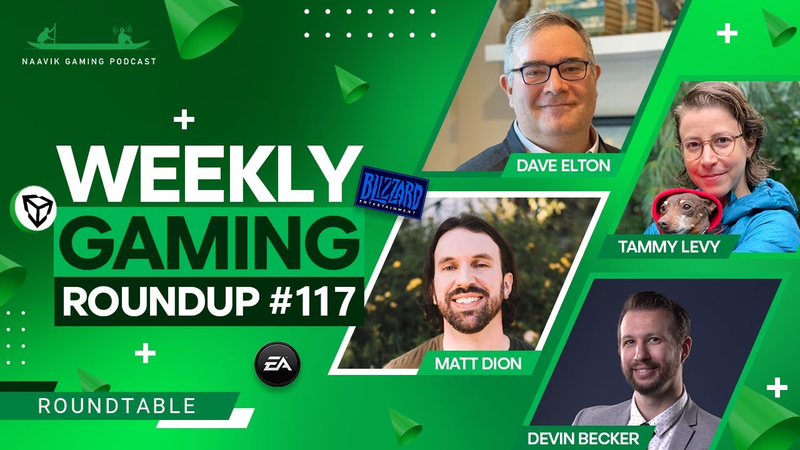
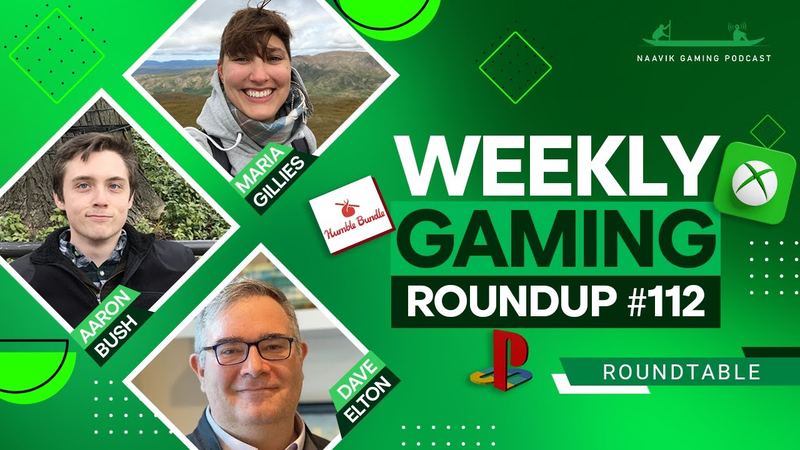
round table today I'm joined by Aaron Bush co-founder of navic and Dave Elton president at Blue Line Studios and I'm filling in as host Maria Gillis I work at pixion games because Devin is enjoying the Fantastic Korea blockchain week hello folks howdy welcome back to the host seat Berea oh my gosh I missed your howdies Erin this is such a throwback I need your howdies in my life they sneak out occasionally I guess being in Texas does that too yeah so yeah today we're hitting on so many different topics we're looking at data ai's reports um in the last episode there was some discussion about about the PlayStation Plus price increase but because it came in so hot we decided to give more fresh intakes that had time to simmer today we're talking about the Starfield launch and so many other great topics so let's get jumping in Aaron what's up with did AI yeah so I just want to give a quick
plug and shout out to our partners at data.ai they recently published their 2023 gaming Spotlight report and it's absolutely worth checking out it is really mobile focused of course and walks through current gaming Trends mobile games that have defined the year so far mobile ad monetization Trends uh some of which of that I found interesting and more and for those interested in checking out this report uh we'll leave a link in the show notes and we'll also be promoting it again in navic digest sooner than later as well so you'll probably see it pop up there um and yeah we might even bring someone from data.ai to talk about it sometime too so I'm still seeing how all that's shaken up but for for the time being definitely recommend just scrolling down to the show notes and checking out that report I think you'll enjoy it um I'm not sponsored by data AI so my my price it does come from the heart very genuine we are there and asked is yours
um so I actually read a report um it was really good and it's nice to see I read every report and it's nice to see the the industry um going back to growth and honestly data AIS um materials have just been really good lately because I've also read today the ASO um key insights it's just become a tool to level up knowledge across different subjects so yeah props to data.ai keep them keep them coming because I'm reading them all right we'll jump to PlayStation Plus that's also you Aaron hello I'm on a roll uh this early part of the episode um so yeah before we move on to completely fresh topics I did want to hit on um hit on this topic that last week's crew mentioned but was puzzled by a bit and didn't really dig into too much which is why did PlayStation raise its subscript subscription prices for all of
the different PlayStation Plus tiers and um I think the answer is actually very simple it's just because they can this is what happens when tens of millions of users are locked into a dominant platform it gives that platform pricing power um meaning it can raise prices with minimal Financial negativity and in this place if it's raising prices 20 to 30 33 percent it's not going to lose anything close to 20 30 of its subscriber base because they're locked in and therefore for PlayStation's profitability increases the other question was why right now especially since this Market has just been flagged for antitrust concerns with the Xbox and Activision deal and well if I had to to guess PlayStation did not raise prices earlier because if it had it would have shown Regulators that a stronger Xbox is still not really a threat to PlayStation's
leading position and pricing power but now that Regulators have made up their minds about Xbox and Activision and approved the deal PlayStation doesn't have to look weaker to sway regulators and judges so it can now it can now flex and I guess lastly well I do personally think that it's kind of lame to have to pay a premium just to access multiplayer raising prices is normal and honestly you know what they raise prices to especially the premium tiers is a bit more more in line with Xbox the base tier is going from essentially five dollars a month to 6.60 cents a month and even the most premium tier being 13 a month I know this the prices differ by region I think a little bit but you know that's not crazy and if you look at the success of you know a video subscription company like Netflix regularly raising prices as the value of the service increase increases and as inflation hits that's
kind of the way that it's supposed to work at least from a business and so really from my point of view it's kind of a non-story and what it really just shows is that PlayStation is a good business that has real competitive advantages and the platforms should not be complacent and obviously it should be working to innovate and grow the value of those subscriptions but bottom line most people are going to stick with PlayStation and Playstation will now have more money to work with I have three uh additions to why I believe why now one is raise a price before Black Friday I'm a locked in user and I always Renew on Black Friday because it's cheaper annually and so I honestly don't care about the price increase I'm going to keep paying it because I play Playstation most days the second one is to raise the the prices before the the
portal I think that's what's called the portal is released and maybe also a bundle that's rumored potentially to come with the Christmas season and the third do it when most people are also raising prices because you can then you can use the macro and it doesn't come as a surprise because at least here in the UK things are starting to come down price wise and so if they were to do this next year they would be doing it isolated yeah and I think the main thing I think is as Aaron and well actually supposed to be right ahead I think people have been able to see what the value is and now Sony said okay everyone understands what we're offering let's raise the prices up now that everyone understands that it's a I think it's a really good deal especially you know if you're coming from a parent's perspective you've got a huge library of games you know same sort of value proposition as the Xbox game pass and you know people can go ahead and try out a whole bunch of uh different flavors of games as it is yeah it's all because we say this as
analyzing what happened and me as the player that's exactly what happened I got a taste for it and now you can increase the price unless it's you know above 20 pounds I that's my price elasticity I still pay it because it's worth it are you a subscriber to the premiums here Maria is the premium the one that has Cloud I'm the one just below I forget the names honestly that's kind of like the bad part of their tears no one remembers the names of any of it because they're all you know just kind of random and change and such but yeah okay cool I'm the average average tear is my tier I think uh average I think I'm in the below average tier if that makes you feel any better for her yes enjoy your premium experience all right we'll uh carry on then to the next topic and this is with you Dave thank you yes um so I'm sure everyone's aware at this
point that the uh both the actors and the screenwriters are on strike uh in terms of regards to the film industry but the national board of the SAG after I announced that they've um given strike authorization to its members uh for working in video games now this doesn't mean that they're able to go on strike right now uh members of The Screen Actors Guild uh will need to put a vote to it and I believe that they're um they have until September 25th to put in their votes um but this isn't the first time though the the actors have gone on strike so if you think back uh a number of years the actors are actually on strike for quite a long period of time from October 2016 to November of 2017. um and uh it was actually probably the lie I believe it was the longest strike that uh it's like after it after it actually ever had somewhere around 340
days um that one was uh I think a little contentious in terms of what the response was from the video game industry because part of what they were looking for at that point where things like residuals uh for their performances something that you know the actual creators of the video games weren't receiving so it was uh seemed a little frustrating in terms of the the actors performers were looking for residuals from the games this time around I think they've taken I think the probably the case of they have a better understanding of what the video game industry is like how it is that uh you know teams function how Revenue gets split up amongst everybody um but if the strike does go ahead um then they're looking to be going into an agreement with they have a select number of companies that they set uh the agreement with and those include things like or companies like Activision Electronic Arts epic
Insomniac take to uh Warner Brother games uh Publishers we definitely see a lot of um you know IP of the actors involved and the streak uh the potential for the strike only affects uh the the performers it doesn't affect the the voice actors um the voice actors are covered under a separate agreement and that's not under contention at this moment but um but for the for the performers themselves honestly I think they're looking for a lot of the same things that they're looking in terms of their agreements on the film side of things so an increase in terms of pay um they're looking for protection from the use of artificial intelligence inside games uh and some I think some realistic things in terms of making sure that you know Medics are on set if they're doing dangerous stunts or any sort of stunt work uh that people get appropriate breaks when they're performing
um but I think one of the key things again is that is the AI component um now inside games it's you know it's been pretty easy for people to capture the likeness of an actor or actress for the celebrity Talent performer and be able to bring that into a game um and have multiple uses you know across multiple titles um and depending on how those Agreements are structured uh there's the fear that companies could misuse that ability uh there was a story of um one actor who performed you know had a performance for one particular title uh and then was informed by a friend of theirs that they actually showed up inside a different game um than what they were actually contracted for um and you know those are the types of fears that people have you know being able to capture someone's likeness be it uh you know either what their image is or through their voice and being able to
use that multiple times with any sort of compensation I think is one of the main concerns um you know inside the film industry you hear stories of people being told hey you're going to be a background actor and by the way we need you to go over there and have a photogrammetry session done of you uh there's the worry about well you know they've come in they've been paid once but then the studio is able to use them multiple times they just want to make sure that that's the same case in in the video game space at any time they're like this is used or their voice is used that that they will get compensation for that each and every time that they're used so um interestingly enough the last time that there was a strike resulted in the contract that has now run out and is now in and now has the the actors in the uh strike position again so it'll be interesting to see at the uh as we get closer to the end of the month
as to whether or not the strike is authorized by all of the members of The Screen Actors Guild uh and if they end up adding uh adding that to the uh the number of strikes that are going on um it'll also be interesting to see how many people this actually affects you think of Indie companies they don't use uh Screen Actor Guild members in order to do their voiceovers or you know or motion capture or things like that so um you know this is something that we're more likely just affect the larger companies but at the same time as we see more and more celebrities being brought in to advertise games to be part of games um you know the I think the potential impact starts to become larger and larger though even though they may be companies that aren't part of the negotiation teams they may still get affected by you know actors not wanting to do work in solidarity with the with those that are working with the aforementioned companies yeah I have
mixed feelings about all of this in general um on one hand you know some of much of what these people are asking for and the strike is totally fair and I think should be respected like the health benefits more fair residuals the you know when stunts are performed that there's safety measures the whole you know better rules around you know using people's likeness like all of that makes a ton of sense and also part of it too is just as especially like as the structure of video has changed with like streaming services compared to what it used to be with TV like just like new structures demand like changes into how contracts are structured um and so it makes a lot of sense to revisit that um you know the problem though was strikes like this and even strikes we saw a decade ago elsewhere like walk on Wall Street if any of and if you remember that is that as momentum builds and as these strikes grow the demands
expand and they become less focused and therefore they become harder and harder to agree with and any type of like real practical way um and you know so in the case of this strike even though there are some Fair demands that would help fix the system there are also demands that don't make sense like writers want firm limits on the way artificial intelligence can be used if it's around their likeness specifically around like them the actor maybe that makes sense but basically everything else they're asking for makes no sense whatsoever it's just uh you know like trying to put their foot down in the face of like Innovation and progress in some kind of way and so like in the same way it would not have made sense for you know like groups like this to protest like new types of cameras in the past or virtual effects in the past it does not make sense for them to um like put demands around artificial
intelligence and the use of like movies and TV and potentially games as well um and you know also you know what we see in the market really is a result of supply and demand there are way more good actors and writers than there are spots for them which is a sad reality but the the market rates very much reflect that and you know maybe the minimum rates should be higher I don't know or at least something structurally changed but even so that doesn't fundamentally change like the core economics that are at play that lead to these strikes every time a contract you know the broader contracts go um they they expire um and so you know I think that these contracts kind of ignore meritocracy and kind of built for the lowest common denominator which is good for some people holds others back but it's kind of hard to build systems around and so
when I see the news that maybe the strike will now extend to video games part of me shakes my head and I'm sure there's some Merit to improvements that can be made in the video game industry absolutely um but you know yet again this is a strike with growing demands that would become less focused and therefore harder to agree with and also video games are just different from video and so if you know it's harder when it's you know filming and you're filming actual people you know but in video games it actually would probably accelerate the use of artificial intelligence and the things that these people don't want to happen um and so I think that if you know it gets unionized and gets played the wrong way it could actually backfire on the people who want the change the most when it comes to gaming so yeah I don't I don't think it'll impact the games industry nearly as much as it's impacted elsewhere in entertainment but
yeah some good some bad but really at a risk of just becoming more unfocused the longer this goes on in my view I'm sorry if I really want to challenge that view because I won't discuss them usual progression of the strike that it grows in demands negotiations you know things get um put to the side I don't want to discuss that I think that's that's a fair assessment I think it would be a shame if we don't see consequences coming from the strike on the industry the demands are fair you as your person should be compensated wherever your data in air quotes is used likeness like whatever it is motion capture animation if you were paid to do a job and the contract was for a specific usage if it's used elsewhere you should be compensated for for your work and I understand the apprehension I especially it's on even though you have
a contract you have to trust who you're working with because you don't have access to their internal systems maybe someone who did the motion capture left someone new joins they see that data and they they think oh this is fine to use I'm just going to put it in a prototype and then the Prototype is released and there's your your data and your work being used and also with the usage of AI I think if AI wants to be applied fair enough but it has to be disclosed when you're doing the contract with the create whoever is doing the creation whether it's the acting the voice acting um the writing because it affects your creative work and your name is going to be on it like I wouldn't want to write a script and then I appear in the credits and I'm you know I'm the person who did it and then it's changed by Ai and there's nothing in credits or me being told that is going to be altered you know I think it's really fair and I do
hope change comes from it because it it makes sense yeah I don't think I disagree with anything that you just said there's a lot that is fair here I think what I'm really trying to point out is that the more momentum and people and groups that kind of get behind movements like this historically kind of lead to it losing focus um and no longer standing for some like one main thing in particular and it just becomes harder to agree with as a whole um when more and more demands get thrown in some of which makes sense but some of them some of them don't so like even with AI specifically I think that if it's leveraging someone's likeness having demands around that makes a ton of sense but having demands around AI as a whole and whether it should be used or not whether it like if it's not about someone's likeness and it's just about just if AI can write and compete with people or if AI can voice act and compete with people um a lot of it is these people just
trying to project protect the future of jobs and I think maybe there's something to that but it's different from from likeness and some of it if it just gets in the way of progress of Technology as a whole um I don't think that's the right move and especially if it gets conflated with all the other issues I think that might harm their case more than than help honestly I'm pretty optimistic that this will get sorted out in a matter of time and it'll actually be improvements for them and probably a lot of these technological concessions will fade is my guess but uh but yeah that's kind of the nuance and what you're saying I would add yeah I think um so I can use probably a sample case here as to where I think some of the potential challenges and where where people are thinking of things going um so if you think back to so Harry Potter and you have your your lead actors and
actresses from the film series and um you know if you if you were able to capture the main actors and actresses when they started so they're year one and you're able to capture their full likeness capture do voice capture at that point you then would be able to create theoretically a whole wide variety of materials around year one of Harry Potter and you know rather than you know having to try and figure out well how do we take actors as they are today de-age them or try and you know figure out how they can uh capture them and then change what their appearances are in order or mannerisms are so that matches when they were children but if you were then able to capture you know the the actors as they were year one and then be able to use them for decades
from a Creator's perspective you know that's fantastic that means I have always have access to that from a performer's perspective it's like well but am I going to be compensated for that every time you use them um especially as with the advances of uh being able to do voice alteration you could end up with somebody you know creating a full performance of um you know one of the actors like uh you know Rupert all of a sudden you know you've got him playing uh for decades uh all under the control of the game Studio or the film studio rather than under the actors control um and I think that's that's one of the main worries you know from a Creator's perspective I'm like that's fantastic you know I could be able to use that to be able to generate continue to generate content I personally would hope that I would want to be you know continue to compensate the actor for their original performance as well as for continuing use of them but that's not how things
are are structured right now and I think that's one of the the main worries that you can recreate them for forever great well we will continue to monitor how the strike progresses and how the gaming worlds gets sucked into it or not but in a more immediate topic however let's talk about what is probably the most anticipated launch of 2023 and that would be Starfield uh also I'll just quickly note that Maria is having technical difficulties so Dave and I will take it from here but Starfield yeah so this has been a big week with Starfield finally out for launch after years of people patiently waiting for this game and even though so some reviews are all over the place and even some are quite critical uh really the reviews as a whole are holding up really well such as the game maintaining an 88 meta score which is which is quite strong also anecdotally it seems like this game is much less of a buggy launch
compared to some previous Bethesda games so you can see the Polish that that went into you know making sure this game was ready for prime time and of course you know from the biggest factor of this game from our business of gaming perspective is that it's the first major Bethesda game and Triple A Game of its type to find itself in the middle of Xbox's current hybrid sales strategy where some people are gonna buy the game outright and some people will play through Game Pass um and maybe this game will even help sell some consoles and so the question you know is how exactly will this game move the needle and how could that influence how Xbox manages these types of releases in the future um and because Xbox has a bit of a have your cake and eat it too strategy um right now it's uh it'll be interesting to see how the numbers shake
out because on one hand the game's Premium Edition was for sale before the game even came to Game Pass and the enormous pre-sales from that likely helps Xbox recuperate some of its costs quickly and we'll hopefully see some some more data on that soon and then of course there's all sorts of data on how Xbox console sales have accelerated in the past week too and so that's probably going to be a bit more of a of a shorter term blip from this launch but you know good for Xbox to see that but of course the more interesting question is how will this launch impact Game Pass and given that growth was actually pretty flat for Game Pass recently um and the next quarter or two we should get a pretty good view on how this launch turbocharged signups or not and then we can start doing you know all the math um around it but you know kind of before diving into that I just kind of wanted to pause and you know hear your just early impressions of the game if you've played it or seen things and then also
just curious to hear your thoughts on um this game's impacts on Game Pass as a whole well I've certainly been following the launch um but I'll be playing it on Game Pass so it I didn't get the uh the Early Access um I do think that uh yeah I think it's actually by the sounds of it like a really good launch for Bethesda from the people that have played it um certainly anecdotally getting a lot of the same feedback uh some people you know the very first few hours have been well I'm not really sure what's going on here but you know the more they get into it the more that they feel like hey this is actually uh something phenomenal for them to play through um and certainly I've not seen the number of bugs and complaints about the games I have seen for a number of other episodes the launches or experience for at Bethesda launches um but very much looking forward to diving into it uh now that it's uh in in general release
um certainly I do expect that it will drive some additional sign ups for uh for Game Pass um for me I think the really big question for Microsoft as a whole is can they follow up can they you know really use this as the beginning of um you know a number of first party titles to help Drive the business forward um you know I and I think this is if they're not able to do that then I think they've got some challenges in terms of trying to you know continue to to claw their their way up in terms of percentage of market share and I think it really does you know is that is it is that key indicator in terms of how well is the pass going to uh work for the company overall if they're not able to bring in that constant uh wave of first party titles to help bolster it um I think
they're going to find uh some more challenges in that area yeah I I completely agree with that I do think it will move the needle for Game Pass um pretty immediately I don't know it'll be interesting to see is it going to be like a 10 lift a 20 lift like what what's the kind of lift that one game can drive for for Game Pass um right now so I'm really curious to see those those uh numbers when when they start reporting and updating uh but I just completely agree with you Dave that the big question is is really about churn and retention because in a subscription business obviously games like this are the temples that pull people in and you can even look at other companies like Netflix and see that of course like in their quarters of their like the biggest tent poll releases like a stranger things that's when they get the most subscriber growth so launches like this are really important but to the economics of a subscription business churn and retention is like ultimately like the Savior or killer of what you do
and even like pretty um like marginal differences can add up pretty tremendously over time and impact your LTV and so yeah it is a huge question of uh you know whether they can follow up on this game what the timeline of that can be and what frequency can they um you know satisfy the same type of gamer that you know gets pulled in for a game like Starfield um I have a feeling they'll execute on it okay probably better than the past although it won't be perfect but it is notable how much like the churn can vary because again like video games completely different business from video but if you look at video a company like Netflix has a call it like three percent monthly churn rate um and that's Best in Class by far like no one no one is really competing with that except for maybe like cable in the past which was even better um but you know as you start going down
the list of Disney plus Max and you start getting to the Paramount pluses and and the peacocks of of the world um you know the churn the monthly churn is more like eight percent nine percent and it's just like not in a position to create value if you're also trying to invest heavily into growing your content um and it just leads to to burn and so it's going to be really important for Xbox game pass to you know find a way to like really level up its retention because going from I don't know what it is now but if it is going from like eight percent to five percent that's not like a three percent Revenue increase that's like a very heavy compounding effect that greatly impacts the economics per person and what enables Xbox to reinvest um into future growth and content and such to keep keep the cycle rolling so
um yeah that's that's the big question the other question in my mind is just like how being on Game Pass will affect the legs of this game like even today a game like Skyrim is still holding up pretty well in terms of like over a decade later it still continues is the cell and somehow maintain pricing power um to a decent degree which is crazy and you know most 99.99 percent of games will not be able to do what a game like Skyrim has done right um and I don't know if Starfield would fall into that same category even but um it'll be interesting to see how the long-term legs and kind of value driver of this game are different because it's in subscription form versus um just being able to to buy it outright and you'll see a mix but I have a feeling what it'll do is it'll it lowers the barriers to entry and so people might actually spend more time in a game like Starfield because it's just easier for you know tens of millions of people to try it out over the next decade or so
but it probably won't lead to the same type of Revenue long tail that we saw from Skyrim at least it can be directly attributable to that game so I don't know I think the the net economics if I had to guess it is net negative and this weird hybrid form versus kind of selling more a la carte but the only thing that would change that is that retention number if they could increase that retention from their whole system that is what would make the economics here better but might be so might be a bit of a far-fetched dream for for a while we'll have to see okay Dave take us home with the final topic I was curious when you added the topic of Humble Bundle to our docket because I think it might be the first time we've ever discussed this company in depth on the podcast but very curious Humble Bundle what's going on uh for those that are not familiar with uh The Humble Bundle uh basically they started
off as uh selling a collection of Indie titles in bundle um and I've certainly grown a lot over the years so they now are a digital storefront uh where you can get games books software um and most recently uh Alan patmore has been talking about what the future of uh of Humble Bundle looks like and uh he did give an interview with game developer magazine during the latest Gamescom where he talked about some of the ways that Humble Bundle could be going in terms of even potentially going as far as acquiring uh Studios um so where they have been to this point has really been you know supporting uh game developers most recently uh and they've been working on acquiring IP and
working with second party developers to build out that IP um and where they do see things as a potential extension of where they are these days is actually acquiring Studios or acquiring the ability to develop properties uh internally uh so inside the The Humble Bundle uh company um and it really is an interesting uh you know change for me seeing that evolution of what the company is you know they started off as a way of being able to help celebrate some really fantastic indie games and be able to bring those out to Consumers to really looking at well how do we you know go beyond just supporting uh the Indian Community but actually start looking at um you know helping them even by being Publishers helping with funding of titles and now being able to acquire IPA and create games on their own so for me it's been really interesting to see the growth um now the The Humble Community the way
um you know one of their their big selling point I think for me personally is that they look at these transactions not just transactions that help support the developer and themselves but they also support uh Charities around the world and they've been able to um contribute over 250 240 million dollars to Charities since uh 2010. so it's certainly not a small effort on their part um and and they they really do support some really good Charities uh uh around the world I think so uh for me it'll be interesting to see as they continue um do they become a larger and larger Force for uh in terms of building their own games and how do they uh continue you know is the the pricing model still the same where uh people are able to pay what they'd like to pay effectively uh and and determine you know how much
of what they're paying goes towards charity versus goes towards the the developer publisher uh split um so I think for me it's it's really going to be an interesting to see how they continue to be a a Force for good um you know being able to take the the the hobby of playing games and making it into something that really supports a lot of people outside of the hobby as well um and I'm really looking forward to see what they're able to do uh they certainly have taken you know as they become more and more to the Forefront in terms of being a publisher they're they're taking their own stances uh AI is one of the things that they spoke out about recently and and making sure that um you know they really are really going to support uh ethical use of generative AI so unless you're able to prove that you know your sources are well documented they're clean then you know they're going to question as to you
know why is it that you should be using generative Ai and inside the projects um but yeah overall I'm really looking forward to seeing what they do I think they've uh they've been working with some really good IP over the last little while and I expect to see that grow over time um and also for me the good thing is is that they're not just diving head first into it they are taking a very methodical look at um who they're partnering up with with what games and what Studios they're partnering and trying to bring to the marketplace and that in that aspect so um yeah I'm hoping for some uh some slow but solid growth from from the company and interest to see uh the types of games that they come out with I expect they'd probably still stay within the sort of that Indie realm in terms of the games that they're they're going to be building out internally but they also do have some great Partnerships with some some of the larger players as well so awesome well let's go ahead and wrap up
the episode here on behalf of Maria and Dave thank you all as always for tuning in we really appreciate all of you and as a reminder you can hit us up at podcast novik.com with any questions or feedback we always appreciate your emails and comments but with that we'll go ahead and wrap up here and catch you next time if you enjoyed today's episode whether on YouTube or your favorite podcast app make sure to like subscribe comment or give a five star review and if you want to reach out or provide feedback shoot us a note at podcast navic dot Co or find us on Twitter and Linkedin plus if you want to learn more about what novik has to offer make sure to check out our website www.navik.com there you can sign up for the number one games industry newsletter navic digest or contact us to learn about our wide-ranging Consulting and advisory Services again that is www.navic.com thanks for listening and
we'll catch you in the next episode
Summary
PlayStation’s recent subscription price increases reflect a calculated strategy to leverage high user retention and market dominance to bolster profitability. By timing these adjustments to coincide with broader industry trends and the conclusion of the Microsoft-Activision acquisition, the platform has effectively mitigated the risk of significant subscriber churn or regulatory intervention. This move underscores a shift toward prioritizing average revenue per user as a primary driver of financial performance in a maturing console market.
Labor relations within the gaming sector are currently defined by the potential for a SAG-AFTRA strike, as performers seek improved compensation and, crucially, protections against the unauthorized use of artificial intelligence and digital likenesses. While these demands aim to secure fair remuneration for creative assets, they create a friction point with developers who view AI as a vital tool for efficient content generation. The industry faces a delicate balancing act: failing to address these labor concerns could lead to significant production delays, yet overly restrictive policies regarding digital assets may inadvertently accelerate the industry’s shift toward full automation.
Meanwhile, the launch of Starfield serves as a pivotal stress test for Xbox’s hybrid business model, which attempts to reconcile direct unit sales with the long-term subscription growth of Game Pass. Success for this strategy hinges on the ability to maintain a consistent pipeline of high-quality first-party content to prevent subscriber attrition. Simultaneously, Humble Bundle is transitioning from a charity-focused storefront into a more traditional publisher and potential studio owner. By emphasizing ethical AI standards and continued support for independent developers, the company is positioning itself to expand its influence through internal development and strategic intellectual property acquisition.