1 free read left. Create a free account for unlimited reading + AI research.
Create free account
data.ai’s Lexi Sydow On Top-Grossing Genres And What It Takes To Make A Successful Game
Key insights
6 takeaways- 01Sustained commercial viability depends on the ability to synthesize granular performance data with broader cultural trends to inform design and marketing decisions.
- 02Success in the current mobile market requires a holistic strategy that integrates intellectual property with high-intent user acquisition, such as targeted paid search advertising.
- 03Leading titles like Monopoly GO! and FIFA Soccer sustain high revenue by leveraging real-world events and social-first experiences to build long-term player affinity.
- 04Developers should prioritize cultural localization and meta-narratives to effectively reach a diversifying global audience that increasingly includes older demographics and more female players.
- 05Modern game development must pair simple, intuitive gameplay mechanics with complex, event-based content to maintain engagement in a crowded ecosystem.
- 06The industry is shifting toward immersive, user-generated experiences and social connectivity, necessitating a move away from outdated stereotypes toward inclusive, mainstream design.
Ask AI about this video
Transcript
[Music] hello world it is the pg. fiz podcast I'm your host Peggy and Sal Brian well he's away he's preparing for Scottish games week which is a massively cool event you'll hear a lot about it soon me while I'm hanging out my garden because hey it's a wonderful glorious September Day Indian summer I hope it's the same for you that you're having also a great time after the last days of summer and speaking of a great time we've got that for you as well because we have part two of our series with Lexi seal she is data Diva at data AI part two well part one we gave you everything you needed to know about the data around how to monetize your app ad formats that work
and some other surprises this time around other surprises as well because we're going to be talking about what it takes to make a successful game there is a Formula there is an MPS make a note of that and you can learn it all and listen to it all in the episode coming up right now so take it [Music] away I'm going to kick off with um the other part of the report so the report was very very focused on data some great insights that we heard before but interestingly and I think perhaps even uniquely Lexi you've looked at games that have defined the market have defined the first half of 2023 first of all am I correct that that is something quite unique because it certainly caught my eye when I was looking at it how you were illustrating how games succeed absolutely I I mean this report we've been doing partnership with IDC I
believe for about 10 years um and this was the first time that we sort of decided to give a spotlight to some of these key games uh we had a lot of questions about coming into a year of sort of economic uncertainty um headwinds with gaming we just came off of our first year where we saw a slight decline in gaming the opportunities for ad spend we actually saw mobile ads spend hit 336 billion uh last year compared to mobile apps store spend which is about 167 billion so you can see there's still there's a massive opportunity for mobile ads spend um and the growth rates were still up around 75% year on-ear that's one of the areas that we were looking at this year is in this climate where we saw disposable income and gaming spend essentially moved together so people said you know they wanted to know well who's succeeding right now then so we felt it was really important to call this out and we used um a metric that we call the mobile perform performance score which
is a sort of proprietary metric from data AI um and that was one of the ways that we helped to determine which games sort of made it in was those that were in that sort of top 10% or the 90th percentile for this score we have NPS now we have NPS which is pretty cool mobile performance score there are three components of it what I saw interestingly sentiment at a time when most of the game devs were speaking with they like hey I want to have a brand want people to understand and um and and and recognize this game and that means the brand and that would have to mean brand love so that goes back I think to sentiment again absolutely yeah I think what we've done with our mobile performance score is we've sort of made a composite metric um to try to give a bit of like kind of like a a credit score for instance you know this is your health of your app um and it's a great way that you can look at sort of the holistic number and then
unpack each part so there's acquisition engagement sentiment and monetization and so you can kind of see where your strong suits are where you might be lacking and sentiment is a key part of that and that tends to be the thing that we see a lot of um a lot of apps and games will struggle with that sentiment piece of keeping users happy um now some of that is your brand some of it could be um directly related to an update where maybe it didn't go as planned or it could be a bit of you know feeling upset about not getting to a level but a lot of that is is really good information for you as a publisher to leverage um and it also shows you a bit of how as you mentioned your brand love how are you doing is it are you able to carve out that Affinity with with a core gamer um and keep that over time so this metric is looking at not just your recent level but how that relates to sort of your cumulative as well Lexi it's incredible what you guys are doing and again your use of data I
think again to go back to the very beginning we bring you know you're bringing it to life um and it strikes a cord with me because one of the things that the pocketgamer.biz team do on an annual basis is come up with their top 50 developers it's a fairly uh convoluted process and there's a lot of editorial judgment and yes we we dive into the data but we're trying to kind of bring together what you've now clarified as sentiment um in a very clear and and easily definable data driven way so we may come knocking on your door uh in in 2024 but but let's have a look at the games because I think that's that's why a lot of our our listeners are here so let's drill into things so starting off with Monopoly go from scope play um I mean what did they do to get such high marks in in your book I mean 99 that's that's a that's a tough one to beat I mean I think part of it is um well they launched in April of this year so they gained some initial really strong traction off the right off
the bat um with some great user acquisition campaigns we noticed they had about a 5050 paid organic split so heavily on the leaned on paid to drive downloads um for this year and interestingly paid search on iOS was really key to their strategy about 65% of their iOS paid downloads came from Paid search ads and I think that's really key because that's that high intent traffic if you're searching on the App Stores you are in that mindset typically to find and download an app or game and so having a robust strategy there would have been key um the other part that you know almost goes without saying is just the IP of Monopoly so having that sort of beloved IP that people know that's a theme we've seen as well where they're benefiting from this this game um this is a little bit of that crossplatform play too right in a different way we've got a board game in a sense not quite crossplatform play in
the sense that you'll play both but a board game that sort of moved to Mobile so I think that's another sort of interesting experience here where um the mobile market was hungry for Monopoly I think to kind of make its debut and they've also layered in a lot of other elements that I think were quite Innovative um that sort of takes that classic board game but then redefines it for that sort of mobile first experience of um particular ularly social features like playing with your family and friends and then having sort of frequent touch points to engage like mini games and offers and events um and then there's also this sort of evolving worldscape they have as well so you can continue to kind of um edit and and Define that in the game play so I think that's quite interesting because that's what we've seen a lot of games that are immersive and and leverage that creativity and user generated content um can create really deep engagement
there so I mean boiling it down I think they've had a lot of really strong mobile first tactics in terms of user acquisition and in um layering in the gaml that would Elevate uh just the board game the classic kind of functionality and give it more of that rich um immersive mobile experience that um I think people have come to kind of expect with a mobile game as well so they've they've upped the up the anti there it's interesting when you drill down into that I'm just thinking literally um they nailed it they wrote the book on it and I wasn't aware that the search ads played such a big role here as well so that tells us again not just who made it but but how they made it I think paid search is a really interesting one um and it also offers a lot of those um ways to break into that branded search traffic so when you um have like a branded keyword you can actually bid on that keyword whereas
you can't you know stuff your competitor's key branded keyword necessarily into your keyword bank so it's a great way to try to Garner some of that traffic um and to kind of make inroads because we do see most the bulk of keyword searches are branded at the top end of the you know generating the most search volume on the App Stores they tend to be branded terms like Facebook or Monopoly or Instagram um so the more you can you can play in that that sector I think the more competitive it can become and you can start to see some interesting things happen with um with shifts around that so let's move on in the games and come down to an MPS of 96 because that's what we saw with FIFA soccer and we talked before in the last episode about just overall simulation Sports simulation how that was a very very strong genre in itself and this is a global success story right 900 64
million in consumer spend that's just eyew watering for some devs indeed but what made it the breakout success that it was oh this one's really interesting I I do love the questions we get from folks around when we came out of coid oh are we um did we stay essentially um glued to our phones or did we do we break away from it were we doing things were we out and about and I think we like to think we were we all just were so social uh but the reality was we we continued playing our games we continued staying on our phones and um what was really interesting is that intersection of where our demand went so real life games and live sporting events became a really important part of I think consumer demand globally we saw that with um Barbie and barbon Heimer with ticket movie ticketing apps we saw download Skyrocket um we saw with Taylor Swift tickets that ticket Tech and
Ticket Master as apps saw surges and downloads from demand to get access to Live Events and FIFA soccer this particular game benefited from the real life sporting tournament so 2022 uh FIFA World Cup uh taking place in Guitar this was a clear there was a very clear indication of some of the final games where we saw um boosts in downloads of this app so people were really hungry to be watching real life games and yes we were out and about we were engaging but we were also downloading FIFA soccer and playing that while we were watching maybe live on our TVs so it was pretty interesting to see they did see in 2018 a boost from for for downloads um from the World Cup but they hadn't seen quite as strong of a boost as what they saw in 2022 where we saw 135% growth there and downloads um and it was a huge a huge boost for them um on the whole and then sort of Lifetime downloads wise we saw
sort of a 34% jump from where we were in 2022 2021 and that strong boost upward in 2022 with adding this huge um influx for user acquisition so I think for for FIFA um they benefit from being a also a beloved cross-platform game I know there were some issues in the past with playing you know truly crossplatform with mobile but it is a crossplatform title that people love so I think that IP is strong the relevance for the the World Cup is there um and we saw some really strong boosts there in engagement and then in that consumer spend I think also having uh premium players that you can build your sort of dream soccer team and having those exclusive leagues and content and events all really important so those sort of timely events and the the exclusive leagues that you can join are also key to help drive that monetization and um as of this recording they have passed the billion doll lifetime Milestone so they are definitely doing
something very right with that ABS new member of the billion dollar Club fantastic yep and that's just mobile it's very impressive so I I I want to skip to our old friends that that we've talked about a couple of times Royal match because again that came in with a mobile performance score of of 95 is there anything you can add to about how they've approached this in terms of so you know it's not a new title um so what what is the doing that that's really you know elevated them up uh into into this fairly strong position one of the key things um and this is similar to FIFA soccer is um that the game is available in over 174 markets So theyve Gone very Global so captured a very wide footprint um we do see you know strong I think I had mentioned before the US is the biggest driver of Revenue um in in the first half of this year um so you do see some SK use with where Revenue sits but
huge Global base um so that's a big factor there when you do that you've got access to some of the high growth markets for downloads as well so focusing on Brazil and India and turkey for instance um the other thing I think that's notable here is around sort of their user acquisition we did see coming into 2023 and in the first part of the year we did see some heavy paid user acquisition camp campaigns um for paid ads to drive usage and what we saw was actually that they those paid off in growing Revenue so I believe they were really strategic in leveraging user acquisition to kind of probably re-engage to me as as lapsed users or potentially people who uh maybe had forgotten or hadn't played in a little while and sort of re-engage them strategically into the game so those I think are core and I think the other thing that's really quite useful and
quite a draw card is the um sort of the story line so they've created this match game that has you know you're helping to solve something you're helping to find and there's this sort of storyline that carries you through um and that's something that we saw with merge Mansions when they did really well with some of their viral ad campaigns uh with celebrities and they created this sort of story line that also um people kind of buy into and get involved and have that emotional bu in so I think that that's something over time that they've done very well as well is leverage that storyline to help continue to drive that game play um in something like a match game where you don't historically tend to see that type of a storyline emerge it certainly seems to be something that they're doing very well um you know I started out way back when in the games industry as a writer and being able to take something as simple as a match 3 mechanic and and build that sort of meta narrative around it you know with recognizable character characters who you know flow out into the UA campaign
and everything whatever your opinion of the game they are out there they are doing this and and it seems as though it's a very well-deserved position for them um just based on taking something so simple and again maximizing what they're doing with it based upon the data and on to your point Brian is you know story storyline narrative is really important this is what we're seeing amongst these top ranking games localization maybe even cultural localization depending I mean 174 countries that's quite a spread that's casting a very wide net so there are things that these games are doing to be top ranking games what did you see Lexi in the way of consistencies or commonalities that emerge that's like yes successful games do this yes I think um you've touched on some key ones so having that wide net the large footprint globally um and and carefully localizing
so culturally localizing not just translating and activating where you can in market so we've seen that in some other titles as well so freefire has done a great job of activating local streamers and DJs and putting characters into games in Brazil and India when they were going after launching in those specific markets I think fresh new content is key uh content is a big one so uh whatever that might be whether it's a time-based event or game or for instance um some a partnership for a key area so stumble guys has done a really great job as well uh leveraging you know Barbie and Nerf and Hot Wheels and Partnerships with NFL to drive just that kind of fresh content into their experience I think um the social element is is pretty key we saw that that was a big part of what catalyzed a lot of behavior during the early days of coid and what people sort of um latched on to a bit more more was the social element of gaming and so
that player vers player and having the ability to play some of these games in a more social Arena whether it's with your friends or just with other folks on the internet events is the other one I think that's a real uh a similar thing whether it's an in-game event that you're hosting or for instance like in the case of FIFA if you're optimizing for something real life um where you've got this real life event happening and you're you're leveraging sort of what's paying out with um different play players and teams and the jerseys and supporting the the actual tournament and trying to incorporate that in the app um or the game itself is important I think events are key for marketing as well for helping to drive user acquisition and be relevant at the time and then the last thing I'd say is around sort of those immersive experiences and so building and customizing and creating um that's a key part of our mobile experience I think Tik Tok did a really great job of sort of unlocking that for a lot of folks and having that be kind of the bar that we most things need to have like a
layer of creativity and user generated content to them so in the example of a monopoly go having that be a part of the evolution of that classic kind of gameplay with your traditional board game I think is really key to the mobile experience because that's what we see I mean Roblox is the number one most played game on mobile and that's a direct indication of how much people enjoy building and creating and having that kind of immersive experience pegy asked about commonalities I was going to ask about a blueprint but from everything you're saying um you know it almost sounds as though the only blueprint for developers creators out there is don't ignore the data you know use the data that's there and and tailor your experience there's no one siiz fits-all approach anymore is is that fair to say I think that's very fair to say and I think that the data um can really point you in a direction and illustrate where where there is markets that might be underserved as well um how
you know people thought the match 3 um or the match Market was pretty pretty stable and had it locked down and we see over the last few years someone roll in and and you'd expect there to be a high cross app usage between Candy Crush and Royal match but in reality it's only about 10% so you're accessing this new pool of users um so I think following the data is key and looking at where there's patterns in the data that might um be counterintuitive and looking Beyond gaming looking at non-gaming Trends to see how you can tap into some of that consumer behavior that would translate into gaming as well yes it's about the data it's about understanding the audience which I can do through the data as well but there's something you touched upon in the key takeaways that just really caught my eye because I thought ah this is something we need to look for a new kind of gamer is what you're telling us there's going to be a new kind of gamer what kind of gamer is
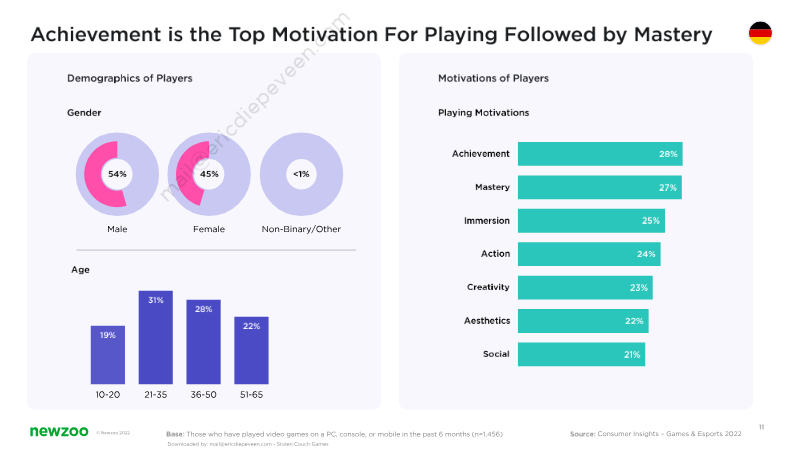
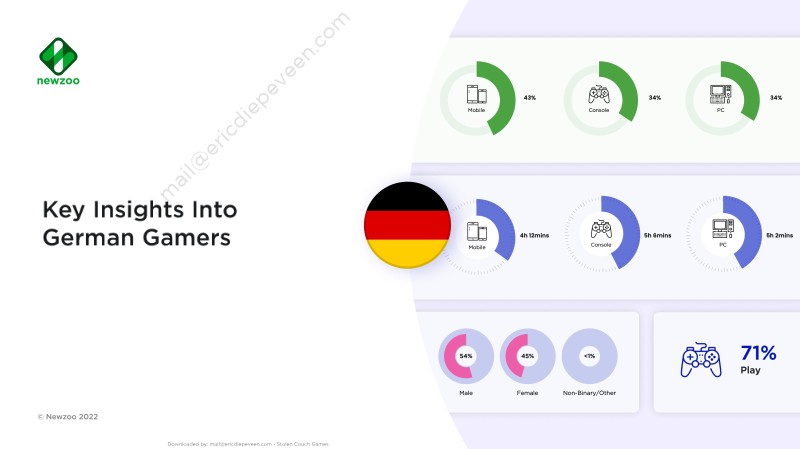
that I think this is one where it it's sort of all encompassing I think the new gamer is a hard one to Define because we have young and we have older we have um on the go we have people playing on their iPads at home a lot more so it's not truly on the go um we've got in markets like the US and UK um over half six or seven of the top games in the that regenerate the most Revenue um those skew more female meaning we've got larger you know likelihood of use by women which challenges perceptions about what you know gaming tends to be young and male um in the US one of the fastest growing segments of Gamers was actually those aged 45 plus gen Z was still the biggest section but the fastest growing was actually this older demographic um and the I think that that's exactly what it is I think really the new gamer is very um it's very Broad and there's lots
of inclusive opportunities and I think that that's a really great thing that mobile has done um and then I also a great example is just even how people find games um there's a great game called dumb ways to die it's a hyper casual puzzle game that actually I remember it started as a Metro trains safety poster campaign in the Melbourne uh train and trams and there were posters just being like don't be dumb and like on your phone and walk over the line you know things like that and it was in Melbourne 10 years ago maybe um and that game Dumb Ways to Die is the number two game in the US uh for hyper casual puzzle um in H1 and it's just gained this traction and part of that was due to trending on Tik Tok so it just started to organically trend on Tik Tok and videos of the gameplay and it got this sort of um massive boost of popularity in the US which was um not the intended target market of the ad campaign 10 years ago um so that type of
new gamer right people are finding games from all over um and all different types of games so there is that really core gamer that is playing on mobile and then there's also still this really large pool of hyper casual people who are playing Just for short gameplay and a little bit of the um entertainment and I think that's I guess the last Point around new gamer in my mind is uh people often think gaming okay entertainment it's discretionary and I think we've moved beyond that with gaming I think so much of gaming there's an emotional tie there's storyline there's characters that you're rooting for there's also that social element that is really key um and and friend groups that are socializing in this capacity within the game as well as maybe playing the game and being on Discord um so I think that we're it's so much more than entertainment um and it's so much more than the the young male gamer we tend to still think of
sometimes so I think this new gamer is is challenging because it's not easy to pinpoint but it's exciting because it's really Broad and brings a lot of people into the the fun and the glory of games and it's a big Market it's actually very positive what you're saying because what you're saying is like hey it's mainstream it's everybody we're all Gamers exactly I think that that's exactly it you know it's way way way back in the midst of time when I started Gamers looked like me you know it was other young you know prominantly white males and there were certain types of experience but you're absolutely hitting the nail in the head because now you might as well say mobile phone owner because as we found over you know lockdown in 2020 21 every phone owner is a gamer uh my my parents swear blind that they are not Gamers my mom still asks if I'm ever going to get a real job but she's playing about 15 games of
Words With Friends simultaneously and and beating me in most of them um so you know she she's not a gamer but she games and and I think we're we're getting to the point where it's now just so ubiquitous it's like saying readers or viewers or listeners you know um there will always be the dieh Hard music fans but it's so ubiquitous now that that you know we're we're just at the point where I think the industry is playing catch up and the fact that so many of these Emerging Markets are are mobile first is helping that diversity so it's a it is a Brave New World that's why we're here Brian this is exciting we're on we're on the cusp we are we are at the Forefront The Cutting Edge Peggy as always hence you know the nomination for the award but Lexi I think we're going to have to call a h um we could keep going for the rest of the day um just on this one report alone but I think we're going to have to call a halt and just sort of um
invite you back but before we do anything else please tell everybody uh in the audience where they can find the report where they can download it yes so you can go to data. a/ insights um it will be on that blog and the specific link is data. a/o gaming report IDC 2023 so that's a mouthful but you can get it at data. a/ insights perfect and we'll provide links in in the show notes and make sure that people um can find you wherever they're coming across the podcast before you go we we have two questions that we ask all of our guests um the first is so given your Insight I mean phenomenal insight into the games Market what is it that you're playing right now and secondly what's your favorite game of all time ever oh so hard um I as much as I like games I'm also I feel like a liability because I'm very bad at a lot of them so I'm actually playing stumble guys but
not playing it very well I find it very fun but I'm not going to tell anyone who I am I have a soft spot for Subway Surfers because I think that was one of the very first games I ever played on my phone um another one that I remember was one of my first was I think called Cut the Rope and I believe it was you remember that one I think it was a paid game and it was back when Starbucks gave you app download Little cards that you could get the free and it was the first time I got that a long time ago um but I think one of my favorite games is still Among Us I do love Among Us um that was a big pandemic favorite for me as well with friends and family um so I think there's a bit of sentimentality around being able to uh play with family even though they I was in Australia and my family was in the US so Among Us has a special place for me as well brilliant brilliant and and and very informed decisions with very high sentiment ratings all around I
would say exactly very high MPS there I thinked well Lexi it has been such a wonderful show two shows actually with you filled with data because all of those numbers all of that analysis and you're looking at us so you're not like you know tacked up with your notes and you're reading your report no this all came from your mind and that's what impresses me the most in your DNA in your DNA likeit but with numbers up there oh yeah no this is great you know it's when when I was talking to people in and the rest of the team and saying that we're going to have two episodes on data um there were a few rolled eyeballs and a few people going what uh how are you going to make that work um but it has been genuinely fascinating fting um completely fascinating um some huge huge insights
for for everyone to take away from that so we can't thank you enough um and I'm going to say it again we would love to have you back on at some point in the future absolutely we love to do it again thank you guys so much this show is all about how to do your job better how to make an amazing game how to Market it and you have a say so if you have a story or know someone we need to shine a light on then we would love to hear from you we want to hear from you we want to reflect the reality of the mobile games Market in all its wonderful complexity and strangeness so if you have any suggestions for us if you have any feedback for us you can always get in touch you can email us at podcast pocketgamer.biz you can find us on Twitter at PG Biz and you can reach out to us through the pocketgamer.biz website if you're interested in listening to all of our podcast you can find them at pocketgamer.biz SLP podcast
and we would love to hear your thoughts on future shows and we've got you covered on all the major platforms so subscribe to the audio podcast as Brian said look for us on YouTube if you want to read it hey you can do that too because we have a companion post for you as well on the pocketgamer.biz website tune in again for the next edition of the pocketgamer.biz podcast and we look forward to speaking to you in the near future until then I'm Brian Bago I'm peggyanne salts and that's a wrap until next [Music] week
Summary
The mobile gaming landscape is currently defined by a shift toward holistic performance metrics that prioritize a blend of acquisition, engagement, sentiment, and monetization. Success in this competitive market is no longer driven by singular mechanics but by the integration of strong intellectual property with high-intent user acquisition strategies, such as targeted paid search advertising. Leading titles like Monopoly GO! and FIFA Soccer exemplify this approach, utilizing real-world events and social-first experiences to cultivate long-term player affinity and sustain high revenue streams.
Data-driven decision-making has become the cornerstone of modern game development, necessitating a focus on cultural localization and the infusion of meta-narratives into accessible gameplay loops. By pairing simple, intuitive mechanics with complex, event-based content, developers can maintain player interest in an increasingly crowded ecosystem. These strategies are essential for capturing a diversifying global audience, as the traditional profile of the gamer has expanded significantly to include older demographics and a broader female player base.
Ultimately, the industry is moving toward a model where immersive, user-generated experiences and social connectivity are paramount. As the mobile market continues to mature, the ability to synthesize granular performance data with broader cultural trends will determine which titles achieve sustained commercial viability. By moving beyond outdated stereotypes and embracing a mainstream, inclusive approach to design and marketing, developers can better align their products with the evolving preferences of a global, multi-generational gaming community.