Mobile reports and market data
Documents
How Supercell built an nonsensical session rhythm into Clash Royale
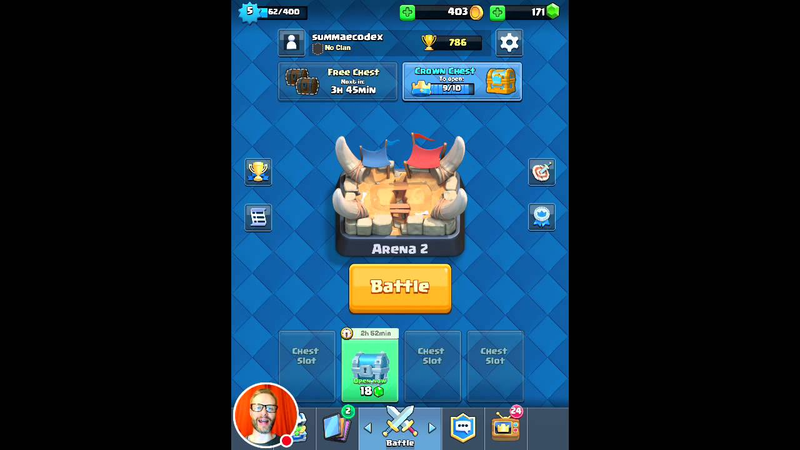
Clash Royale utilizes a sophisticated retention strategy by integrating a subtle, covert energy system into its chest reward mechanic.
- Clash Royale uses a chest reward system as a covert energy-gating mechanic, providing four slots to create a psychological sense of structure and completion.
- The game design encourages a 12-to-15-minute session rhythm, which is the optimal time required for players to fill their available chest slots.
- By framing limitations as a reward-collection loop rather than a traditional energy bar, the game avoids the negative player sentiment typically associated with restrictive gating.
Clash Royale's immediate reciprocity (and accidental Battle launch)
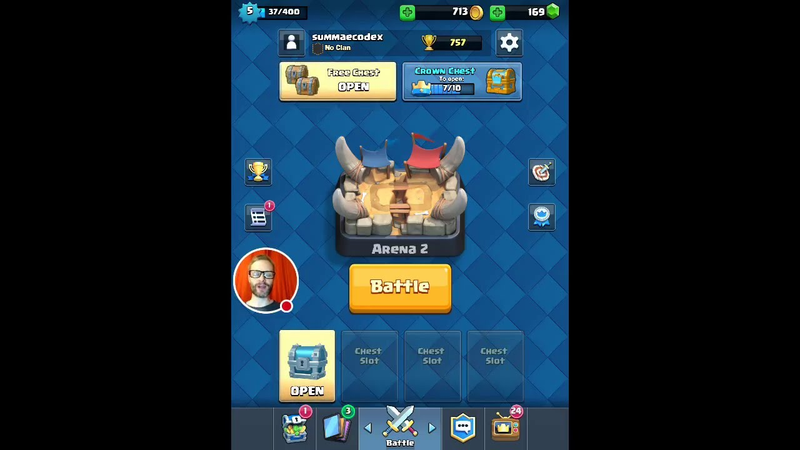
Clash Royale utilizes psychological principles of reciprocity to drive player retention and engagement through its user interface design.
- Clash Royale leverages the psychological principle of reciprocity by positioning free reward chests as the primary visual focal point upon app launch to foster immediate positive player sentiment.
- The reward system utilizes a four-hour replenishment cycle to establish a consistent, habitual return loop for players.
- Interface design prioritizes immediate gratification over menu navigation, effectively masking the complexity of the game's deeper systems and currencies.
How long does Clash Royale take to load?
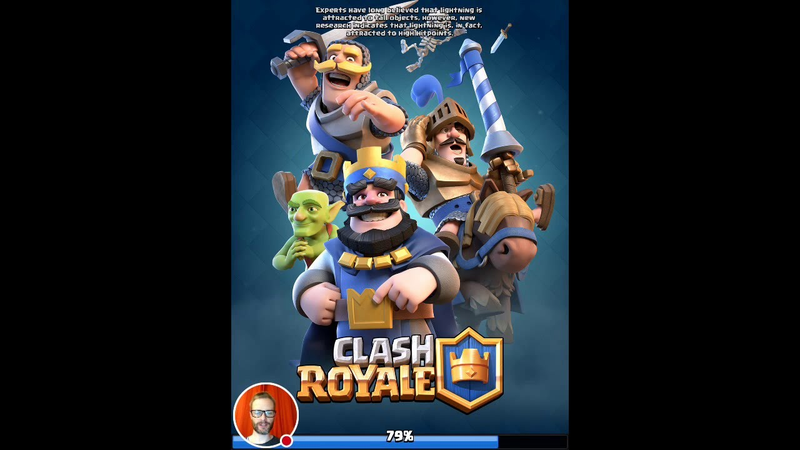
Rapid load times serve as a foundational pillar for user retention and accessibility in mobile gaming, particularly for titles targeting a broad, casual audience.
- Supercell mandates a maximum load time of twenty seconds for all its titles, with Clash Royale specifically achieving entry into the core gameplay loop in under ten seconds.
- Rapid load times function as a critical product strategy to eliminate friction points like server handshakes and content-checking, directly supporting user retention.
- Clash Royale utilizes a portrait orientation to align with standard smartphone usage patterns, allowing players to engage without adjusting their grip or posture.

FTUE: Marvel Avengers Alliance 2
Marvel Avengers Alliance 2 represents Disney’s transition of its successful social media franchise into the mobile squad-based role-playing game market.
- Marvel Avengers Alliance 2 marks Disney's strategic pivot from social media to the mobile squad-based RPG market.
- The game utilizes a three-by-three grid combat system, mirroring the design architecture found in competitors like Star Wars: Galaxy of Heroes.
- The first-time user experience prioritizes narrative immersion and a hands-off tutorial structure that emphasizes early strategic decision-making and turn-order management.

How Pollen VC helps you accelerate your cashflow
Mobile developers frequently face significant cash flow constraints due to the standard 30-to-60-day payment cycles imposed by major app stores.
- Mobile developers face significant cash flow constraints due to standard 30-to-60-day payment cycles from major app stores, which trap earned revenue and hinder reinvestment.
- Pollen VC provides a mechanism to access locked app store revenue on a weekly basis, allowing developers to maintain consistent growth momentum.
- The operational model integrates directly with app store accounts to verify daily revenue accrual, enabling disbursements to bank accounts or ad networks every seven days.

FTUE: Winterstate
Winterstate, a mobile vehicle combat game developed by PlayRaven, utilizes a post-apocalyptic arctic setting to deliver a tactical, line-drawing gameplay experience.
- PlayRaven’s Winterstate utilizes a line-drawing mechanic that shifts mobile combat from automated systems to player-driven tactical movement and positioning.
- The first-time user experience employs a gradual difficulty curve, transitioning players from basic target destruction to complex scenarios involving multiple vehicles and defensive shielding.
- The game’s core loop balances mission-based combat with a metagame focused on vehicle management, including weapon upgrades, driver attribute assignment, and resource allocation.

Monetizer: Clash Royale
Clash Royale serves as a prime example of Supercell’s ability to implement aggressive, time-gated monetization strategies that would likely cause significant player backlash if attempted by less established developers.
- Supercell leverages its high-tier brand status and massive marketing budgets to normalize aggressive, time-gated monetization mechanics that would likely trigger player backlash for smaller developers.
- The core progression loop forces players to manage a four-slot chest limit, creating psychological pressure to keep slots full and training users to engage with time-gating systems.
- Clash Royale maintains player engagement through a sophisticated matchmaking algorithm designed to keep win rates near 50%, regardless of individual skill level.

Monetizer: Guardian Stone
Guardian Stone serves as a case study in the complexities of mobile game design, specifically highlighting the friction between intricate Asian-market RPG mechanics and Western user expectations.
- Guardian Stone demonstrates that high-density, PC-inspired RPG interfaces create significant friction when ported to mobile, hindering accessibility for Western audiences.
- The game’s core gameplay loops are obscured by an overwhelming volume of icons, flashing notifications, and overlapping systems that lack intuitive context.
- Complex metagame systems, including character evolution and rune management, suffer from a lack of clear guidance, leaving players to navigate opaque upgrade paths without sufficient onboarding.
FTUE: Total War Battles: KINGDOM
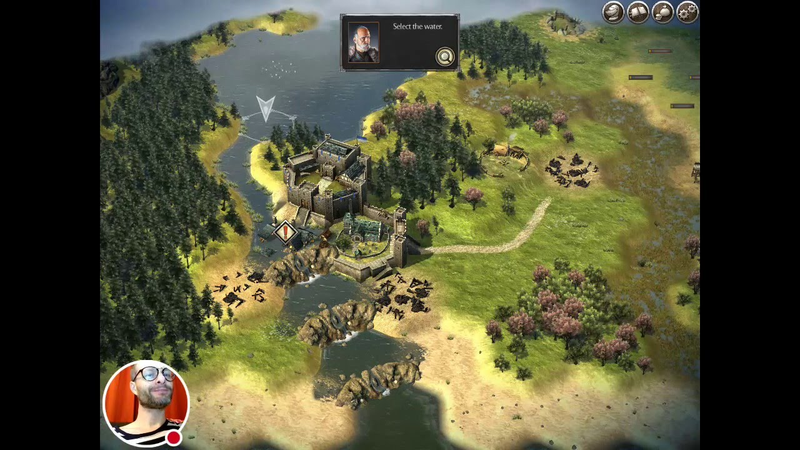
Total War Battles: KINGDOM serves as a case study in the challenges of adapting a hardcore PC strategy franchise for the mobile market.
- Total War Battles: KINGDOM struggles with mobile user retention due to a lengthy, overly prescriptive tutorial process that conflicts with mobile player expectations.
- The game’s reliance on PC-centric design, such as complex menus and tedious infrastructure tasks like road building, creates significant friction for casual mobile users.
- Creative Assembly and Sega’s adaptation maintains high visual fidelity and complex mechanics, but these features often feel cluttered and inaccessible on smaller mobile screens.
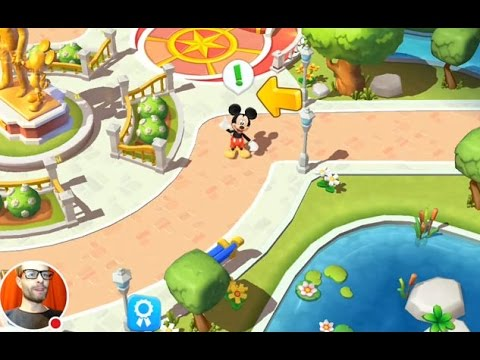
FTUE: Disney Magic Kingdoms
Disney Magic Kingdoms, a free-to-play mobile theme park simulation developed by Gameloft, utilizes a highly guided first-time user experience (FTUE) designed to accommodate a younger audience while maintaining strict brand standards.
- Disney Magic Kingdoms utilizes a highly guided, low-complexity FTUE to ensure accessibility for a younger demographic while maintaining strict Disney brand standards.
- The game’s core loop centers on narrative-driven progression, using character-specific tasks like welcoming Goofy to teach players about token collection and resource management.
- Gameloft prioritizes brand integrity over aggressive monetization, intentionally avoiding intrusive sales tactics during the initial user experience to comply with child-focused regulatory requirements.

FTUE: Timenauts
This analysis examines the first-time user experience (FTUE) of Timenauts, a mobile tower defense game developed by DeNA.
- DeNA’s Timenauts utilizes a comedy-licensed theme featuring Gabriel 'Fluffy' Iglesias to drive engagement within a side-scrolling tower defense framework.
- The FTUE effectively balances accessibility and depth by introducing core combat and metagame progression systems without overwhelming players with complex statistics.
- The game’s progression loop relies on earning experience points, coins, and character shards to facilitate unit upgrades in a simplified RPG-lite layer.
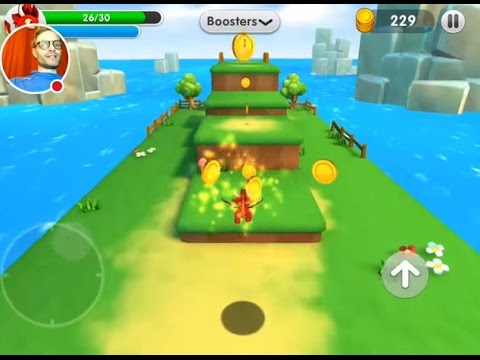
FTUE: Dragon Land
The first-time user experience (FTUE) of the 3D platformer Dragon Land, developed by Social Point, reveals significant challenges regarding mobile accessibility and control schemes.
- Social Point’s Dragon Land demonstrates that 3D platforming mechanics, specifically camera management and movement, suffer from significant friction when adapted to mobile touchscreen interfaces.
- The reliance on virtual dual pads and double-tap mechanics creates a steep learning curve that potentially alienates the casual player base typically targeted by Social Point.
- While the game uses visual aids like shadow indicators to assist with depth perception, these features fail to replicate the intuitive control precision found in traditional console platformers.