Marketing reports and market data
Documents

AD APOCALYPSE 2024 (???) with Felix Braberg
Mobile game monetization currently exists in a state of high volatility, characterized by a transition from traditional waterfall structures to automated programmatic bidding.
- In-app advertising remains a critical revenue pillar, contributing approximately 20 percent of total income even for core RPG titles.
- The mobile ad ecosystem is currently reliant on controversial fingerprinting methods to maintain eCPMs following the post-IDFA transition.
- Publishers must shift their focus from eCPM to ARPDAU as the primary health metric to accurately reflect total revenue in a volatile programmatic bidding environment.
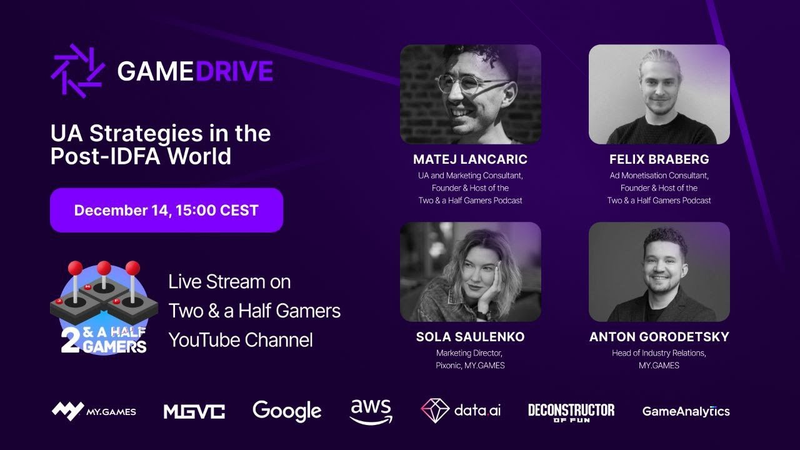
UA strategies in the post-IDFA world LIVE - Gamedrive x 2.5gamers!
The mobile gaming industry has undergone a fundamental transformation in the post-IDFA era, necessitating a shift from granular, deterministic tracking toward a holistic strategy that balances performance marketing with brand-building.
- AppLovin has emerged as a top-two UA channel for most mobile games, joining TikTok, Facebook, and Unity as essential platforms for iOS user acquisition.
- The current industry trend for creative strategy involves integrating 'fake' ad mechanics directly into the game as mini-games or calendar events to ensure a smooth transition from creative to gameplay.
- Switching ad mediation platforms can significantly impact revenue; for example, changing banner refresh rates from 30 seconds (AdMob) to 10 seconds (LevelPlay or MAX) can potentially triple banner revenue.
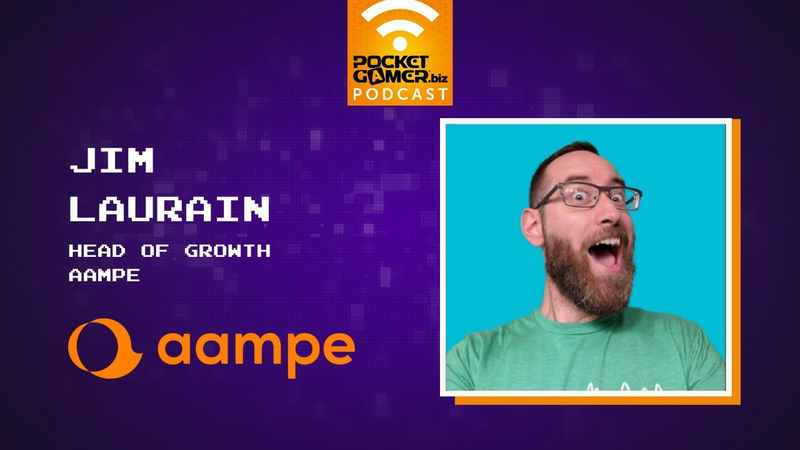
Aampe’s Jim Laurain On Smart Steps To Inspire Players With Messaging That Matters
Mobile game studios frequently overlook the critical importance of early-stage player communication, with three-quarters of top-tier titles failing to implement any welcome messaging for new users.
- Approximately 83% of mobile games fail within three years of launch, often due to a failure to deliver relevant, engaging content to users.
- Roughly 75% of top gaming apps fail to effectively welcome new players, missing a critical opportunity to drive retention during the onboarding phase.
- Developers should move beyond generic, repetitive messaging by testing different player motivations—such as escapism, competition, or social cooperation—to segment their audience.

Unraveling Content Creator Programs
Content creator programs have emerged as a critical strategic instrument for game publishers, shifting the focus from traditional awareness-based influencer marketing to performance-driven ecosystems.
- Players participating in creator-led ecosystems retain at twice the rate of non-participants, while creator-driven reactivation efforts are up to five times more effective than conventional marketing.
- Content creator programs are shifting from awareness-based marketing to performance-driven models that incentivize long-term engagement, retention, and monetization through revenue-sharing.
- Successful program management requires a hybrid skill set that balances community engagement with rigorous data analysis to measure incremental growth and return on investment.
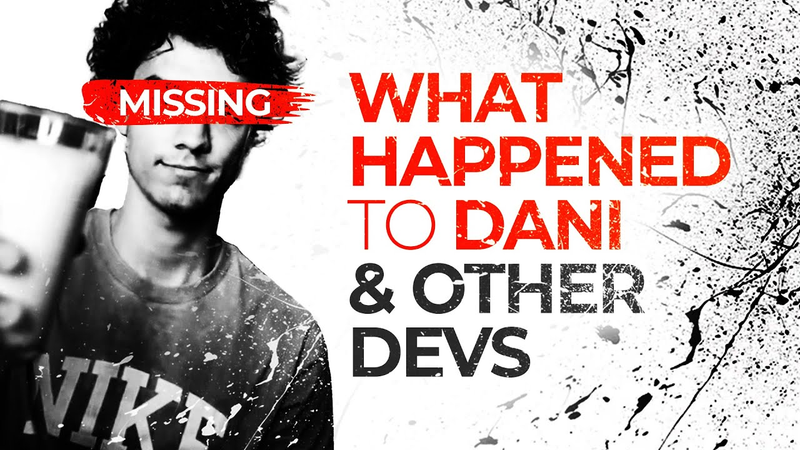
What Happened To Dani (And Other Game Devs)
The game development community on YouTube has recently observed a trend of prominent creators taking extended hiatuses or stepping back from content production.
- Game developers use YouTube as a strategic marketing engine to drive Steam wishlists, which triggers algorithmic visibility and commercial success for their titles.
- Content creation serves as a primary funding mechanism for independent studios, with revenue from sponsorships and digital products like asset packs and courses financing development teams.
- Many developers reach 'escape velocity,' a financial milestone where the success of their game projects eliminates the need for the constant, high-pressure demands of YouTube content production.

How This Game Dev Got 100 Million Views In 1 Day — Full Time Game Dev Podcast Ep. 005
The transition from solo hobbyist to professional game developer requires a shift from perfectionism toward market-driven production and sustainable workflows.
- A strong, marketable game concept is the foundation of success, as evidenced by the viral nature of Choo-Choo Charles, which achieved over 100 million views in a single day and reached the number four top-selling spot globally on Steam at launch.
- Game developers should prioritize creating a Game Design Document (GDD) for any project beyond a game jam to organize ideas, define the core gameplay loop, and identify the unique hook that drives marketability.
- Viral marketing can be achieved by making content creators part of the game, such as including them as characters, which provides them with a mutually beneficial reason to feature the game in their own thumbnails and videos.

BITKRAFT Summit 2023: Transmedia Magic - IP Opportunities in Gaming
The BITKRAFT Summit 2023 panel on transmedia storytelling explores how gaming companies and creative studios can effectively expand intellectual property (IP) across multiple mediums.
- Successful transmedia strategy prioritizes character-driven narratives over world-building to foster the emotional investment necessary for audience engagement.
- Creators should adopt a 'lean story model' by utilizing low-cost, short-form content to validate narratives and iterate based on audience feedback before committing to high-budget productions.
- Transmedia content must function as a standalone entry point, avoiding forced interconnectivity that can feel like 'homework' for the audience.

Mintegral ROAS Bidding 101
Mintegral’s ROAS (Return on Ad Spend) bidding strategy is designed to automate user acquisition by leveraging machine learning to predict user lifetime value in real time.
- Mintegral’s ROAS bidding strategy automates user acquisition by using machine learning to predict real-time user lifetime value, shifting optimization from volume-based metrics like CPI or CPM to profitability.
- Successful implementation requires a two-week calibration period for postback data collection and a minimum daily budget of $500 per country.
- Advertisers should initiate ROAS bids at 1.1 to 1.5 times their standard CPI to provide the algorithm with sufficient data to identify high-value users.

Product Marketing 101 with Jesse Lempiäinen, Founder/CEO of Geeklab
Product Marketing Managers (PMMs) serve as a critical bridge between game development teams and the broader marketing ecosystem.
- Product Marketing Managers (PMMs) act as the primary bridge between development and marketing to identify product-market fit early, preventing expensive post-launch pivots.
- In the post-privacy landscape, PMMs must proactively generate market intelligence through independent methods like surveys, pre-launch testing, and competitor analysis to compensate for the loss of granular ad network data.
- Embedding PMMs directly within game teams ensures marketing strategies and user acquisition efforts remain synchronized with the actual gameplay experience and development lifecycle.
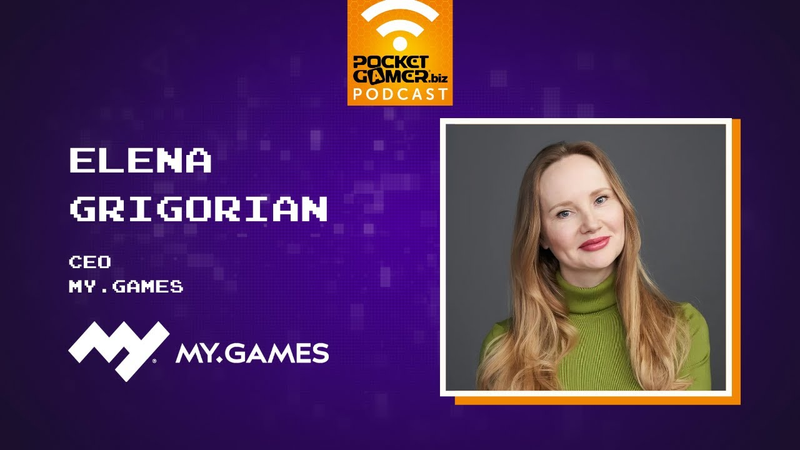
MY.GAMES’ Elena Grigorian On Smart Strategies To Stay Afloat During This Industry Downturn
The gaming industry currently faces significant volatility, necessitating a shift toward operational agility and diversified business models to ensure long-term stability.
- Companies can mitigate the risks of a hit-driven market by adopting a grid-based organizational structure that balances centralized marketing expertise with decentralized studio-level execution.
- Operational resilience is supported by a hybrid, remote-first workforce model capable of managing a diverse portfolio of over 80 titles across mobile, PC, and console platforms.
- Diversifying business models through a combination of internal development, third-party licensing, and strategic investments allows firms to maintain marketing and operational scale during economic downturns.

Your Indie Game Is Worth More Than You Think
The primary objective is to reframe the expectations of independent game developers regarding financial success and career longevity.
- Financial sustainability in indie development is best achieved through a diversified portfolio of multiple titles rather than relying on a single viral hit.
- Games with modest performance, specifically those garnering between 800 and 1,700 reviews, can generate significant revenue when distributed across multiple platforms like consoles and mobile.
- Developers should anticipate a 'launch equation' requiring approximately five smaller, iterative projects before achieving a breakthrough success.
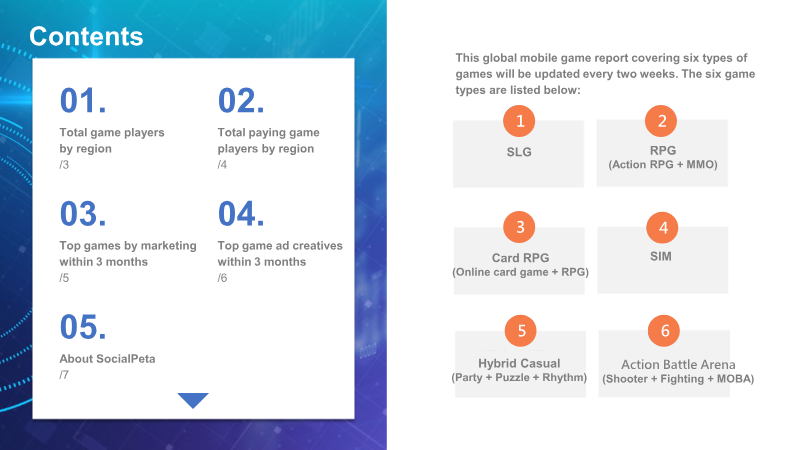
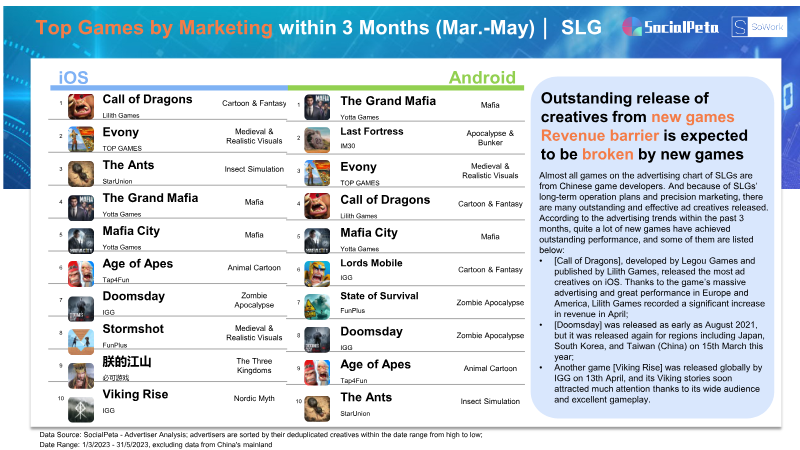
Mobile Game Trends White Paper: Simulation Games in Asia Pacific
The mobile simulation game market in the Asia-Pacific region demonstrates significant growth and untapped potential, particularly within the strategy and simulation (SLG) genre.
- The Asia-Pacific SLG market reached 106.97 million players by Q1 2023, with over 40% of the total player base actively spending to enhance their experience.
- Thailand and Hong Kong are the region's top monetization markets, with more than 50% of SLG players contributing revenue.
- Indonesia remains a commercially viable market with 18 million paying players, despite experiencing a slight year-over-year decline in the number of paying users.