Marketing reports and market data
Documents
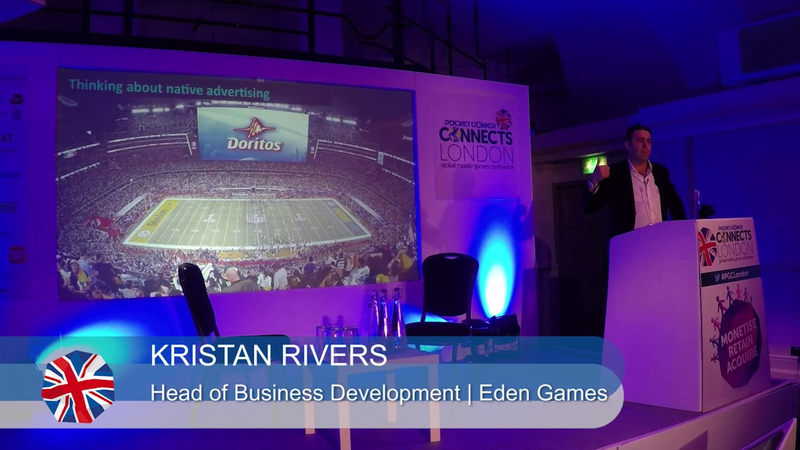
Forging successful cross-industry partnerships
Eden Games, a French developer with two decades of experience in the automotive racing genre, utilizes cross-industry partnerships to offset the high costs of vehicle licensing and enhance the authenticity of its mobile title, Gear.Club.
- Eden Games is shifting from paying high licensing fees to a revenue-generating model where strategic brand collaborations drive user acquisition and offset costs.
- A successful partnership with McLaren demonstrated that leveraging a brand's social media reach to promote a game alongside a car's debut can fully offset the cost of the licensing agreement.
- Successful brand integration requires treating licensed assets as high-fidelity 'jewels' that strictly adhere to the manufacturer's brand identity.
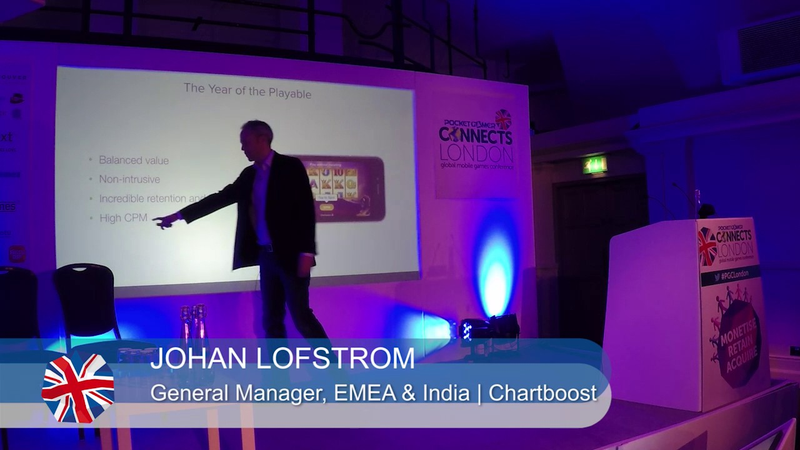
How to harness the power of playable ads
Playable ads represent a significant evolution in mobile user acquisition and monetization strategies, offering a high-engagement alternative to traditional static banners, interstitials, and video ads.
- Playable ads function as HTML5-based mini-games that allow users to experience gameplay before installation, resulting in higher retention rates and increased lifetime value (LTV) for the advertised product.
- Simplifying ad interfaces and highlighting primary interaction points can significantly boost performance; one case study showed engagement rates rising from 42% to 70%, which nearly doubled the ad's eCPM.
- Playable ads provide granular data analytics that exceed static or video formats, enabling developers to track user behavior through every stage of the ad funnel.

DCMN on why mobile game TV advertising is something for everyone
Television advertising serves as a highly effective performance-based user acquisition channel for the mobile gaming industry, offering a viable alternative to traditional digital marketing.
- Television advertising functions as a performance-based user acquisition channel that delivers higher-quality users with faster monetization and longer retention compared to social media or search engine advertising.
- Developers can track television ROI by using proprietary systems that measure organic traffic baselines and analyze organic uplift on both a spot-to-spot and campaign-wide basis.
- While television advertising requires a higher initial financial commitment to generate sufficient market pressure, it remains a cost-competitive alternative to traditional digital marketing.

Marketing Fundamentals for New Developers
Marketing functions as a quantifiable conversion system rather than a product of chance, serving as a critical multiplier that dictates the ultimate commercial viability of a game.
- Marketing must be treated as a quantifiable conversion system rather than a product of chance to ensure a game's commercial viability.
- Independent developers often underfund marketing by allocating only 2% to 3% of their budget, whereas industry standards in other sectors recommend 50% to 80%.
- Developers should shift from intuition to a data-informed approach by using cohort analysis and tracking tools to measure the return on investment for specific campaigns.
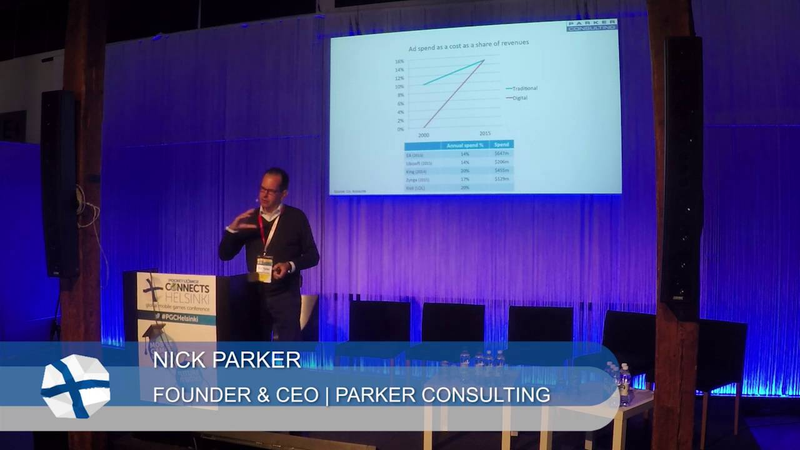
How to survive the games industry's IndieAppocalypse
The mobile gaming industry has transitioned from a period of democratization to a highly saturated market, often described as an "IndieApocalypse."
- The mobile gaming market is highly consolidated, with the top ten titles capturing approximately 43% of all global revenue.
- Discovery is the primary barrier to entry in a saturated market containing over 600,000 game apps on iOS.
- Studios must treat development as a rigorous business, as many failures stem from a lack of formal strategy, clear monetization models, or sufficient capital.
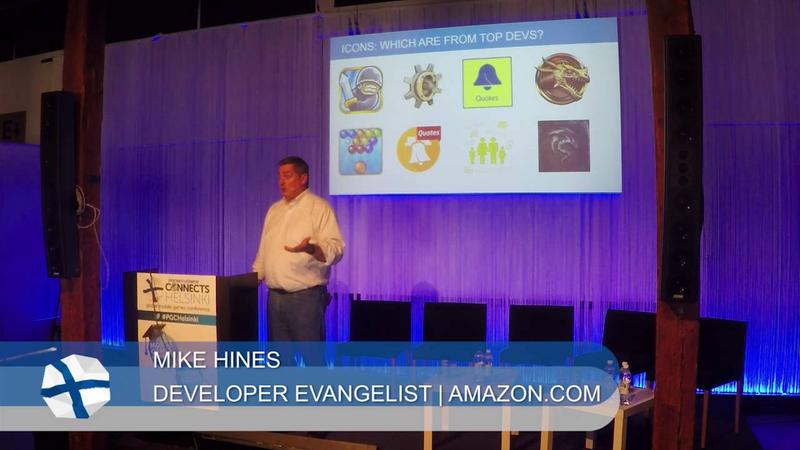
How to maximise organic downloads for your game
Maximizing organic downloads requires a disciplined, data-driven approach to app store optimization rather than relying on deceptive tactics.
- Optimizing video content to showcase actual gameplay rather than cinematic trailers can increase conversion rates by 19% to 35%.
- Crafting engaging marketing copy for product descriptions instead of keyword-stuffed text can improve conversion rates by 11% to 23%.
- Selecting an app name that strategically incorporates relevant keywords for a target audience can boost conversions by 22%.
11 deadly marketing sins developers should avoid
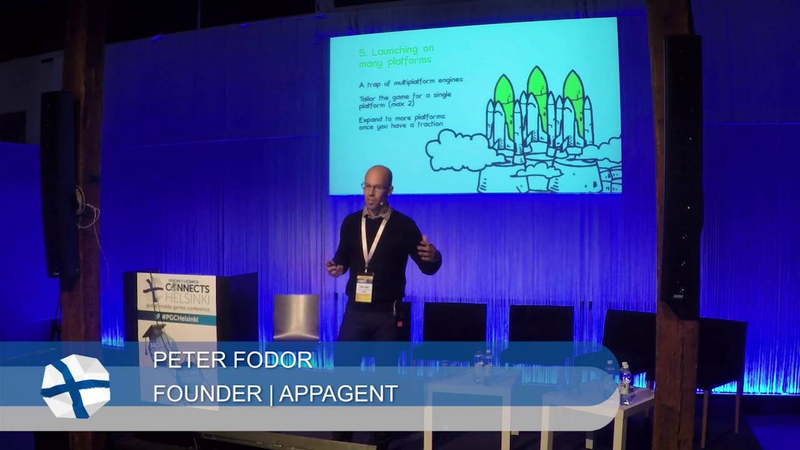
The mobile gaming industry demands a strategic, data-driven approach to marketing and development to overcome the high failure rates inherent in the market.
- For free-to-play titles, developers must allocate approximately one-third of their total budget to marketing and user acquisition to account for the cash flow lag between initial spend and revenue realization.
- Rewarded video ads are a critical revenue driver, capable of accounting for up to one-third of a game's total income while simultaneously boosting player retention and conversion rates.
- Developers should launch on a single platform initially to concentrate resources and maximize the likelihood of securing platform-specific featuring opportunities.
The 5 Pillars & Pitfalls of Indie Games PR
Success in the modern indie game market requires a shift from product-focused development to a strategy centered on professional public relations and strategic positioning.
- Prioritize a 60-to-90-second trailer that showcases the game's unique selling point within the first 15 seconds to maximize visibility.
- Shift from generic press releases to a 'pull PR' strategy by meticulously tailoring pitches to individual journalists.
- Distill the game’s core identity into a concise narrative using clear comparisons or sub-headlines to ensure immediate audience understanding in a saturated market.
The global games markets power panel 2016
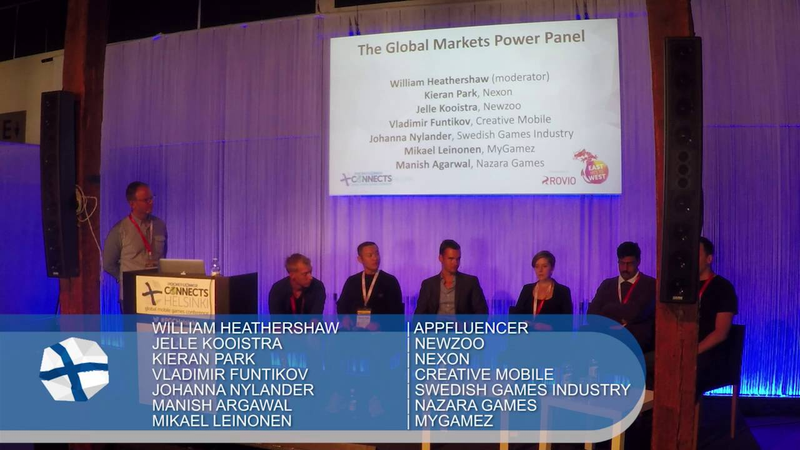
The global games industry is undergoing a significant transformation characterized by the aggressive expansion of Asian firms into Western territories and a simultaneous push by developers to capture high-growth emerging markets.
- Global expansion success depends on data-driven, localized strategies that account for regional variations in consumer behavior, technical infrastructure, and cultural preferences rather than broad, universal releases.
- Asian firms expanding into Western markets must move beyond stereotypes and engage local partners to navigate specific business practices and communication styles.
- Market entry in China is most effective through casual, standalone titles that prioritize in-app purchases over advertising revenue models.
How to make it big in the MENA mobile games market
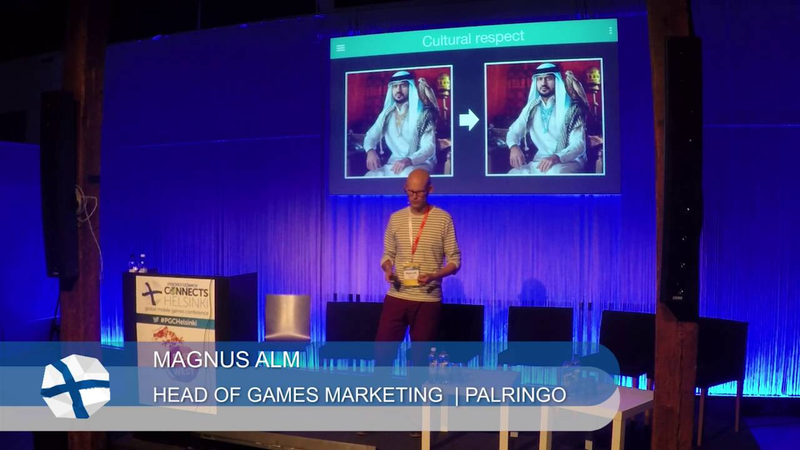
The Middle East and North Africa (MENA) region represents a significant, high-potential growth market for mobile gaming, characterized by a large, engaged audience that remains underserved by global developers.
- The MENA mobile gaming market offers significant growth potential with revenue estimated at 25% of the U.S. market, yet only 1% of global mobile applications are currently localized into Arabic.
- Developers must prioritize user anonymity by avoiding mandatory social media account linking, as MENA players strongly prefer maintaining separate online personas.
- Effective localization requires more than translation; it demands right-to-left UI mirroring and the use of specific regional dialects to provide a native user experience.
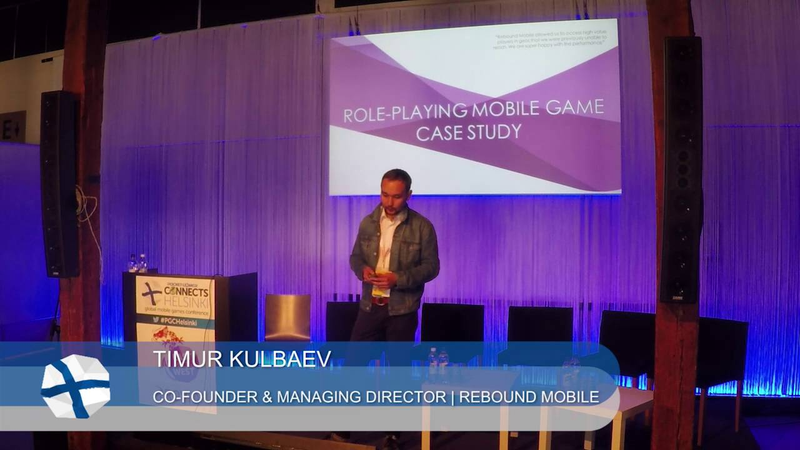
The secrets of Russian mobile game user acquisition
The Russian mobile gaming market represents a significant, high-growth opportunity for international developers, characterized by a large user base and lower competition compared to Western markets.
- The Russian mobile gaming market ranks fifth globally by download volume, offering a high-growth opportunity despite a modest average revenue per user of approximately $8.
- Successful user acquisition requires bypassing global platforms in favor of local leaders, specifically Yandex, which holds an 80% share of the search market, and social platforms VK and OK.
- Scaling strategy should prioritize performance-based affiliate networks, where local agencies manage traffic across multiple channels to drive growth with minimal internal resource investment.
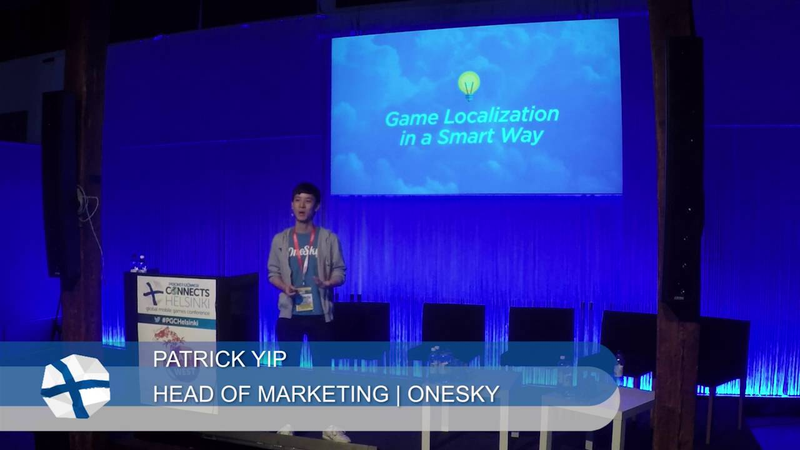
Key insights on winning global gamers with smart localisation
Effective global expansion for mobile games requires a strategic approach to localization that prioritizes cultural resonance over simple translation.
- Eighty percent of the 27 billion-dollar mobile gaming market is located outside the United States, making localization a critical requirement for reaching high-spending, non-English speaking users.
- Developers should implement internationalization—the process of isolating text strings from source code—from the first day of development to prevent expensive technical overhauls.
- Adopting a Minimal Viable Localization (MVL) strategy allows developers to test market potential by prioritizing high-impact assets like App Store descriptions before committing to full-scale in-game culturalization.