Marketing reports and market data
Documents
Care and Feeding of Wild Fansites
The modern gaming industry has transitioned from an adversarial stance toward fan-led platforms to a strategic, cooperative model that treats independent sites as essential extensions of the development team.
- Studios should treat independent fansites as strategic extensions of the development team, leveraging community expertise to produce complex wikis and guides that internal teams lack the bandwidth to create.
- Partnerships with fansites serve as a cost-effective mechanism for user acquisition and retention by utilizing community leaders to drive long-term engagement.
- Community managers must synthesize qualitative sentiment into data-driven reports to quantify the return on investment of fan engagement for executive leadership.
30 Things I Hate About Your Game Pitch
Securing a publishing deal requires developers to prove both the commercial viability of their creative vision and the technical competence of their team.
- A functional, high-quality prototype is the most critical tool for teams without an established track record to mitigate perceived risk and demonstrate technical competence.
- Successful pitches must prioritize the core gameplay loop and a unique project hook rather than relying on extensive lore or generic mechanics.
- Developers must conduct thorough research to ensure their game concept aligns with a publisher’s specific portfolio, genre focus, and platform preferences.
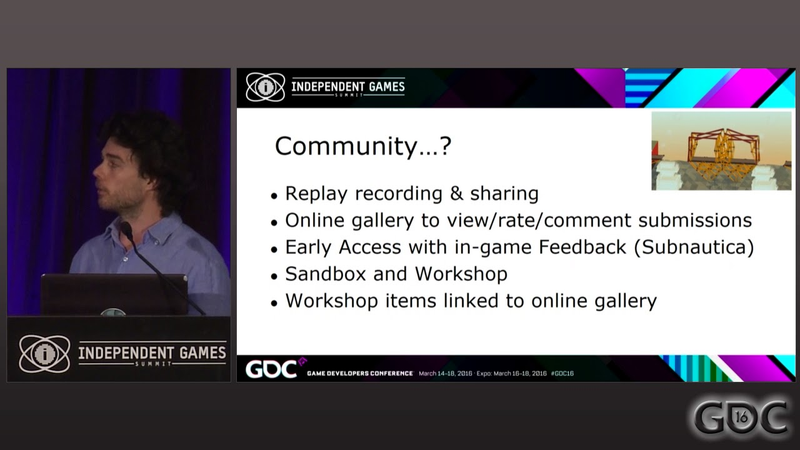
Poly Bridge and Social Media: A Love Story
Poly Bridge demonstrates that integrating seamless, one-click replay tools directly into a game’s core loop is a highly effective strategy for driving organic growth and community engagement.
- Integrating one-click replay tools directly into the core game loop is a highly effective strategy for driving organic growth and community engagement.
- Designing for shareability at the architectural level, rather than as an afterthought, allows community-generated content to serve as a primary marketing asset that outperforms traditional media coverage.
- Treating player failure as a creative opportunity rather than a penalty fosters a self-sustaining feedback loop that transforms the player base into a primary design engine.
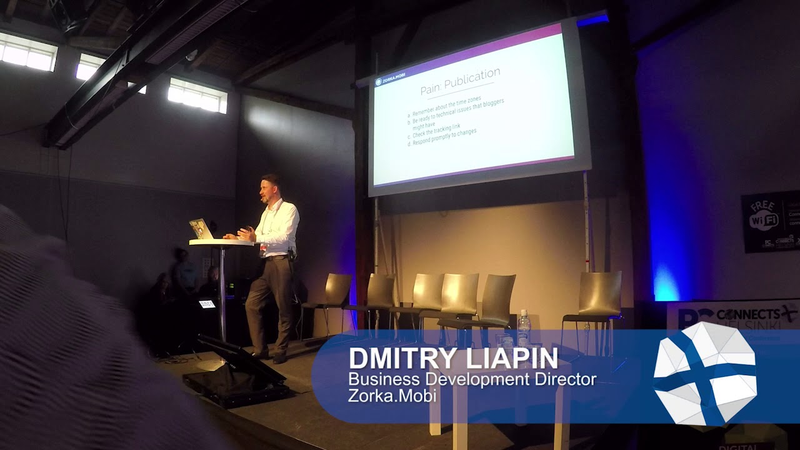
Influencer marketing: No pain, no gain
Influencer marketing has emerged as a critical user acquisition channel for mobile games, particularly as younger demographics shift away from traditional media toward platforms like YouTube.
- Influencer marketing can achieve 100% ROI when executed through sustained, multi-phase strategies rather than one-off campaigns.
- Tracking links undercount actual performance, as 20% to 70% of users bypass them to download apps directly from the store after viewing content.
- Successful influencer campaigns typically require a three-to-four-week preparation period and the coordination of 15 to 30 influencers.
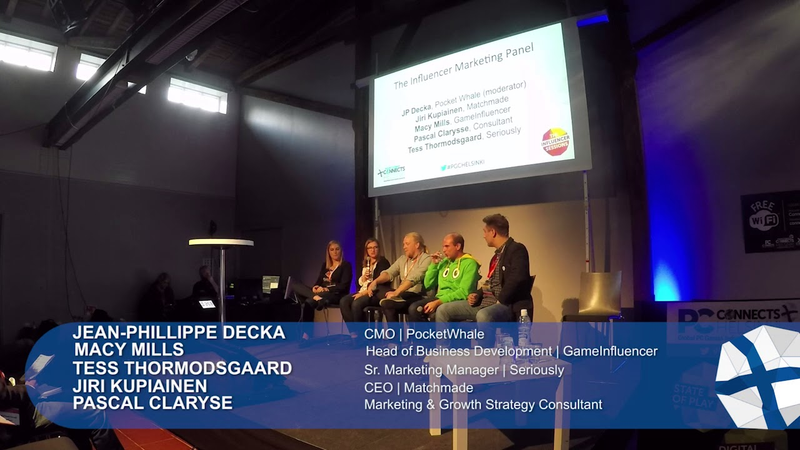
The good and the bad of influencer marketing
Influencer marketing serves as a critical bridge between game developers and audiences, leveraging the unique trust and long-form engagement inherent in creator-led content.
- Effective influencer campaigns require a dedicated testing budget between €20,000 and €100,000 to achieve statistical significance, as single-video tests are insufficient for performance evaluation.
- Developers should prioritize deep engagement metrics and audience alignment over vanity metrics like raw subscriber counts, which often lead to inflated costs and poor conversion rates.
- Marketing success is driven by integrating brand messaging into a creator’s natural storytelling style rather than relying on transactional, generic gameplay sponsorships.
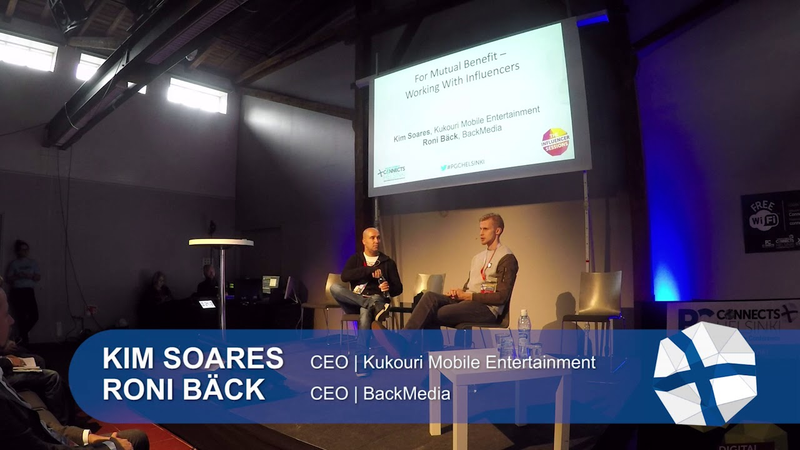
For mutual benefit: Working with influencers
Collaborating with influencers has become a vital strategy for game developers seeking to increase downloads and expand their social media presence.
- Prioritize channels based on actual view counts and audience engagement metrics rather than total subscriber counts, which are often misleading indicators of value.
- Influencers prioritize games that offer high 'fun factor' and ease of play, as these titles allow creators to focus on audience engagement and producing compelling thumbnails rather than mastering complex mechanics.
- Treat collaborations as professional business partnerships by initiating transparent discussions regarding financial compensation, as influencers view their work as a career rather than a hobby.
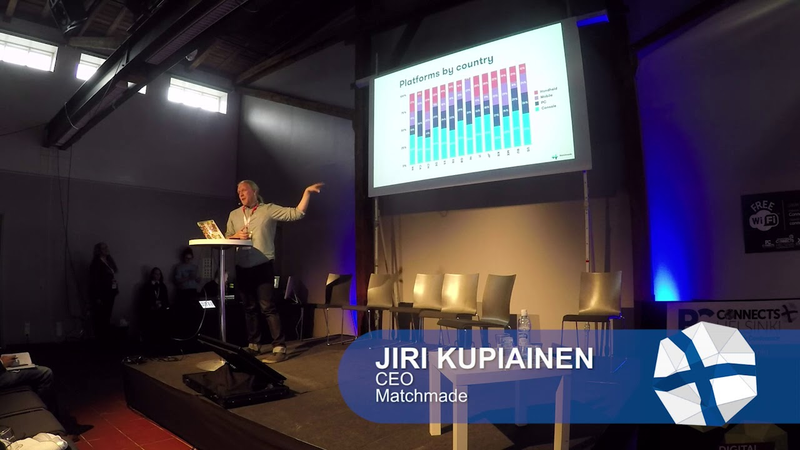
Influencer marketing: Meet the real data
Influencer marketing serves as a high-performance channel for game discovery, capable of driving high-quality user acquisition, retention, and organic growth.
- Mid-tier creators with 100,000 to 1 million subscribers offer superior engagement and more predictable ROI compared to larger influencers.
- Developers must prioritize verified analytics over creator self-reporting to mitigate discrepancies in audience demographics and geographic reach.
- Strategic alignment is critical, as games targeting female audiences demonstrate higher success rates when partnered with female creators.
3 Ways Your Crappy Game Can Make Millionz $$$$
The commercial success of an indie video game is often determined less by the inherent quality of the product and more by the effectiveness of its marketing and business strategy.
- Commercial success in the indie game market is driven primarily by marketing and business strategy rather than the inherent quality of the product.
- Developers must create a compelling hook by distilling the game's unique value into a single, concise sentence or feature that differentiates it from competitors.
- Treating game development as an entrepreneurial venture requires shifting focus from technical production to resource management and concrete, actionable business planning.
PR & Marketing Lessons Learned from Goat Simulator
The viral success of Goat Simulator demonstrates that indie developers can achieve significant market penetration by abandoning traditional, polished PR strategies in favor of radical honesty and humor.
- Embrace technical flaws and nonsensical gameplay as a unique selling proposition rather than attempting to hide them behind polished, AAA-style marketing.
- Prioritize authentic, humorous community engagement over corporate messaging to build brand loyalty and manage player expectations effectively.
- Focus marketing efforts on creating short, highly shareable visual content like GIFs and screenshots that transcend language barriers and drive organic influencer coverage.
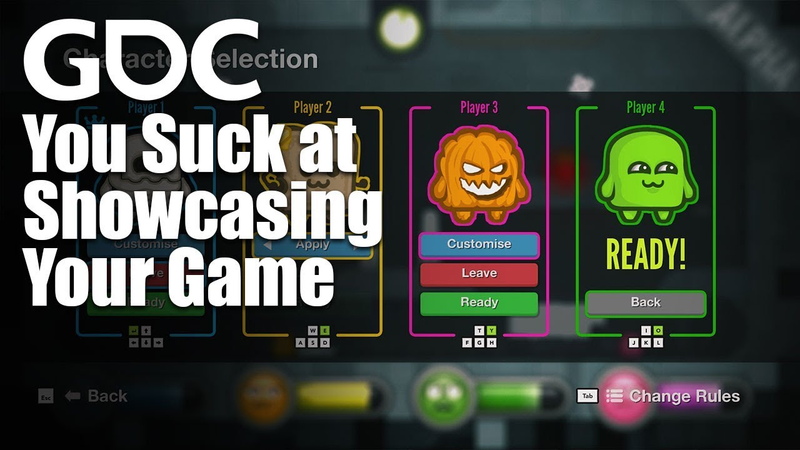
You Suck at Showcasing Your Game
Effective game showcasing at industry events requires a strategic shift from a sales-oriented mindset to one focused on relationship building and long-term brand awareness.
- Industry events should be treated as networking and brand-building opportunities rather than direct sales drivers, as event attendance rarely correlates with immediate revenue spikes.
- Developers should prioritize building long-term relationships with press, influencers, and industry peers to secure secondary benefits like media coverage, localization partnerships, and mentorship.
- Booth design must focus on high-visibility elements, such as vertical height and bold colors, while replacing traditional flyers with business-card-sized materials or social-media-driven interactive activities.
How (and When) to Not Give up on Your Game
The primary objective of this strategy is to sustain independent game development by leveraging platform-specific funding to iteratively build, refine, and release games.
- Developers can sustain independent projects by securing upfront funding from niche or hardware-focused platforms, typically ranging from $20,000 to $30,000 per deal.
- This iterative development model allows studios to retain 100% ownership of their intellectual property while using platform-specific revenue to fund ongoing polish and bug fixes.
- The strategy relies on treating a game as a living project, porting a high-quality core prototype across multiple platforms to build expertise and capital before a wider commercial launch.
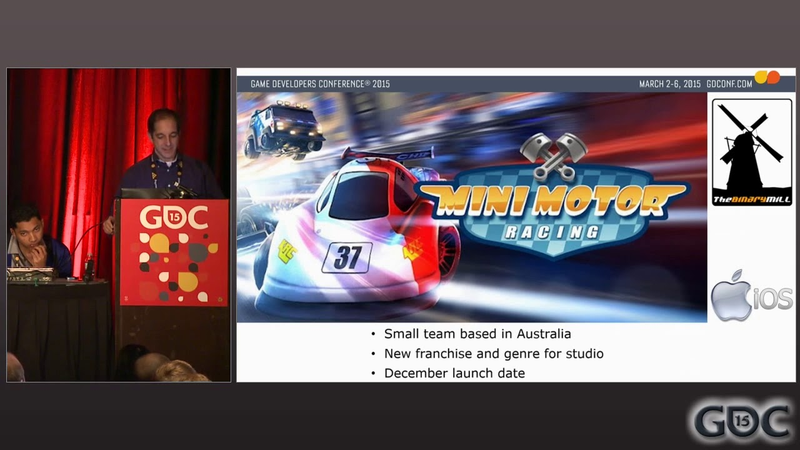
Marketing Indie Style
Effective indie game marketing relies on a disciplined, long-term strategic framework that treats promotional efforts with the same rigor as core game design.
- Indie developers should treat marketing with the same rigor as game design, prioritizing long-term audience cultivation through email lists and niche community engagement rather than relying on viral moments.
- Marketing budgets should ideally be allocated at 10% to 15% of expected revenue, though smaller studios with limited resources should prioritize cost-effective, targeted outreach over broad advertising.
- Sustainable success requires an iterative post-launch strategy that utilizes updates, seasonal content, and cross-promotional opportunities to maintain long-tail revenue.