Marketing reports and market data
Documents
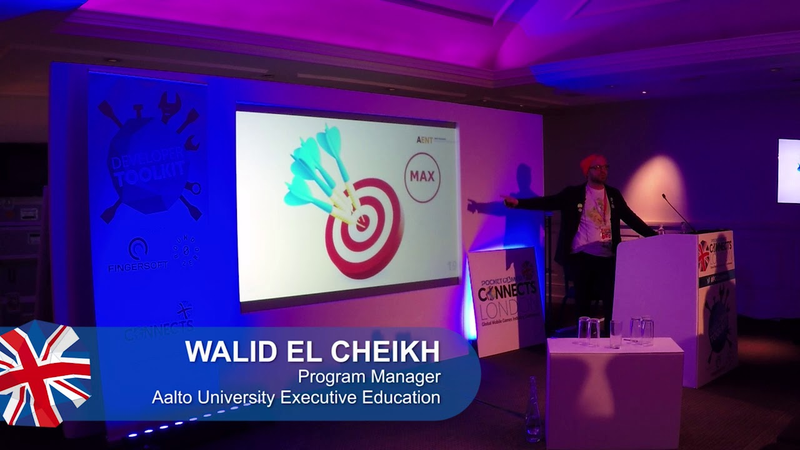
25 tips for successful pitching and networking
Effective pitching and networking are essential professional skills that extend beyond securing funding to include selling ideas to colleagues, managers, and partners.
- Success in pitching and networking requires a structured message that clearly defines the problem, the solution, and the value proposition while avoiding excessive jargon.
- Treat pitching as an iterative process rather than seeking perfection, using early, less-refined attempts to build confidence and gather actionable feedback.
- Effective networking is a high-volume activity that should be managed by setting specific, measurable targets for both the quantity of contacts made and the quality of those connections.
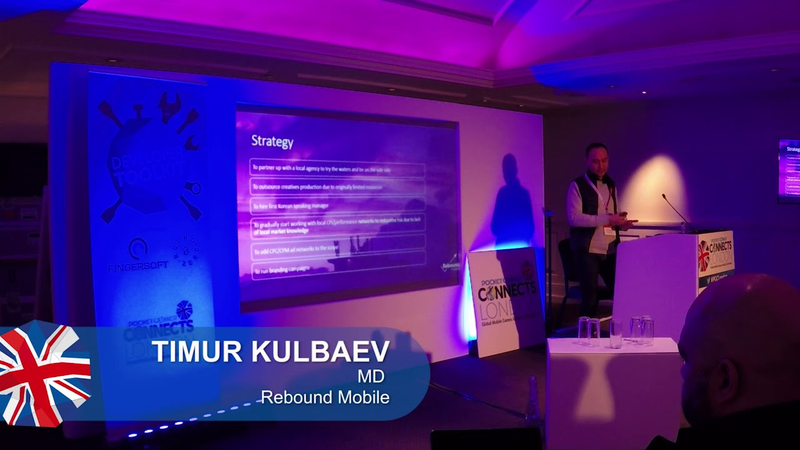
The journey of a mobile marketing agency to the Korean gamers
Rebound Mobile, a Helsinki-based marketing agency established in 2016, provides a strategic framework for Western mobile app and game companies seeking to penetrate the South Korean market.
- South Korea is a more accessible market for Western mobile content than Japan or China, offering lower competition and a higher receptivity to foreign gaming products.
- Direct partnership with local Korean ad networks is more effective than using intermediary local marketing agencies, which often suffer from communication barriers and a lack of trust.
- Hiring a native Korean-speaking manager is essential for navigating the market, as it facilitates direct communication and allows for the necessary cultural localization of creative assets.
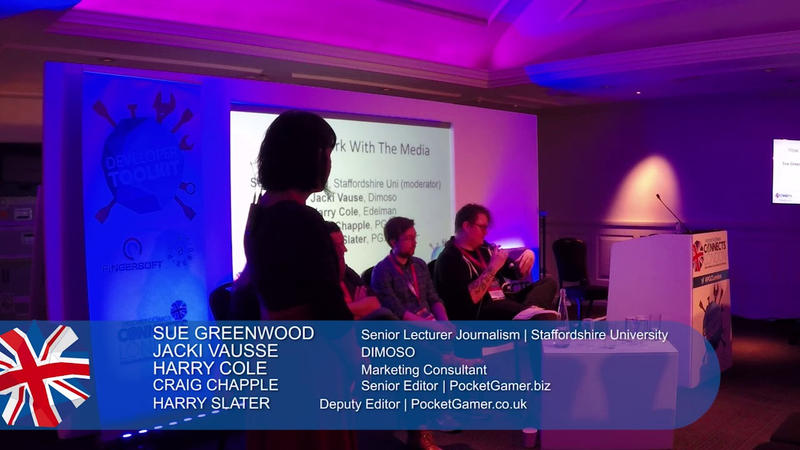
How to work with the games media
Effective developer-media relations hinge on building authentic, long-term relationships rather than relying on mass-distributed, impersonal press releases.
- Prioritize building long-term, authentic relationships with journalists well before a game is finalized rather than relying on mass-distributed, impersonal press releases.
- Tailor pitches to the specific interests of individual journalists, as generic 'Dear Editor' emails are frequently deleted and counterproductive.
- Engage with media throughout the entire development cycle by sharing early builds and progress updates to ensure journalists feel invested in the project's success.
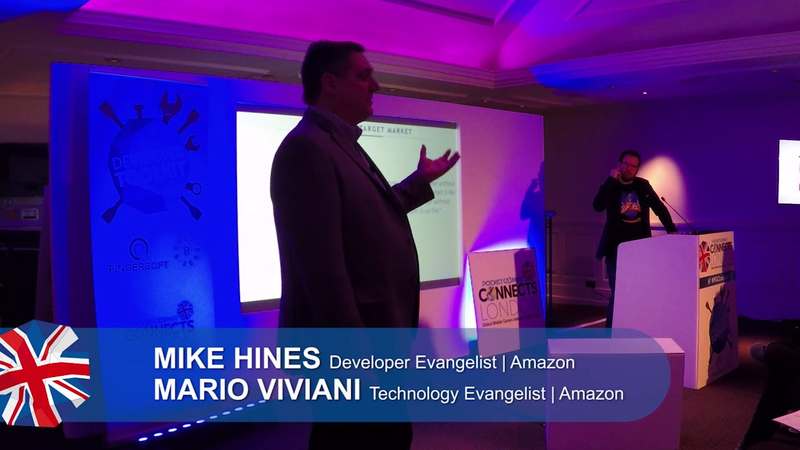
Crafting promotions that work and how I created one that didn’t
Effective game promotions require a deep understanding of consumer psychology and precise data-driven timing.
- Effective promotions must appeal to both the emotional 'elephant' and the logical 'rider' by combining initial desire with clear value propositions like discounts or exclusive currency.
- Marketing efforts should be synchronized with genre-specific peak usage windows, such as action games peaking during weekday breaks and puzzle games surging in the evenings.
- Developers should monitor the internal balance of soft currency versus power-ups to trigger sales at the precise moments players are most likely to convert.
How to get your app to the top of the App Store
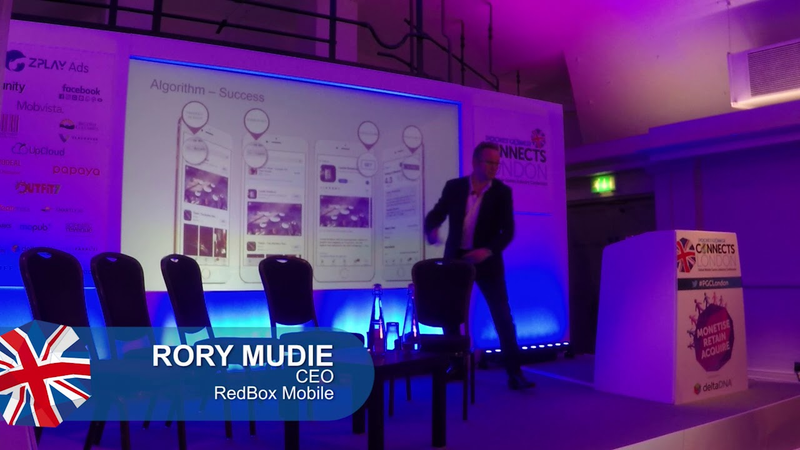
Achieving a top ranking in the App Store is a deliberate, labor-intensive process rather than a result of accidental viral success.
- Approximately 65% of all app discovery occurs through search, making App Store Optimization (ASO) and paid search the primary drivers of visibility.
- Metadata should be treated as a tool for algorithmic communication rather than human marketing, requiring iterative testing and the systematic removal of underperforming keywords.
- Developers must maximize the use of available character limits across titles, subtitles, promotional text, and descriptions to seed high-relevance keywords multiple times.
Maxing out your Facebook user acquisition for games
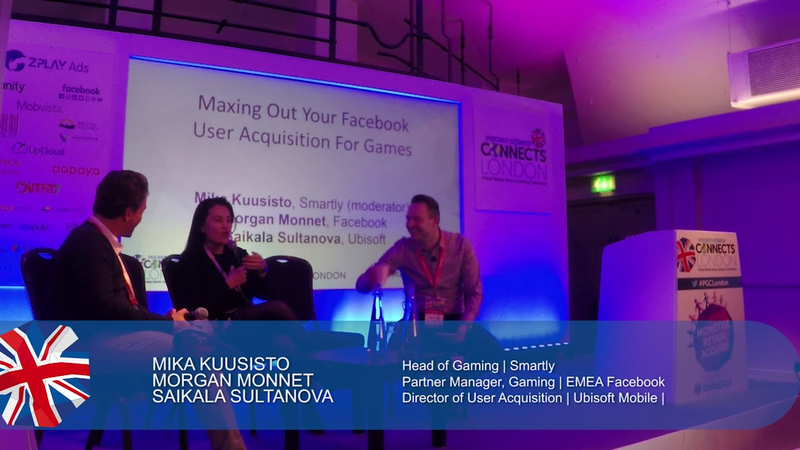
Effective user acquisition for mobile games on Facebook and Instagram relies on a sophisticated transition from broad, volume-based targeting to highly refined, value-driven optimization.
- Transition user acquisition strategies from broad, volume-based install targeting to App Event Optimization and Value Optimization once sufficient player data is collected.
- Identify and prioritize specific post-install milestones, such as tutorial completion or competitive ranking, to train algorithms to target high-value players rather than just download volume.
- Focus human effort on creative strategy and visual storytelling, as constant iteration of ad content is the primary differentiator for success in a landscape where automation handles technical delivery.
5 reasons why you need to embrace interactive ads now
Interactive advertising represents the next generation of mobile marketing, offering superior performance compared to traditional banners, interstitials, and standard video units.
- Interactive ads, including playables and interactive videos, outperform traditional banners and interstitials by driving higher conversion rates, improved brand recall, and superior long-term user retention.
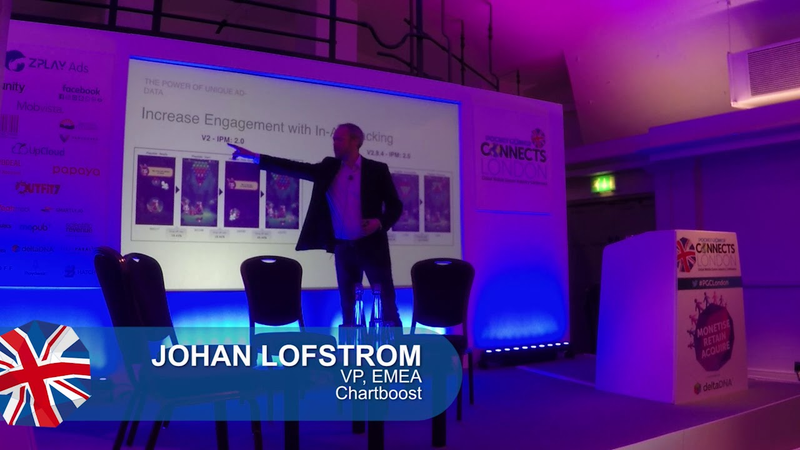
- Interactive formats provide granular data that allows developers to track user behavior within the ad, identifying specific drop-off points to optimize ad funnels.
- Analyzing metrics like installs per mille (IPM) enables developers to refine ad content, remove unnecessary tutorial steps, and highlight the most compelling gameplay elements to increase revenue and ROI.
Monetisation revealed – stories and data behind ad revenue success
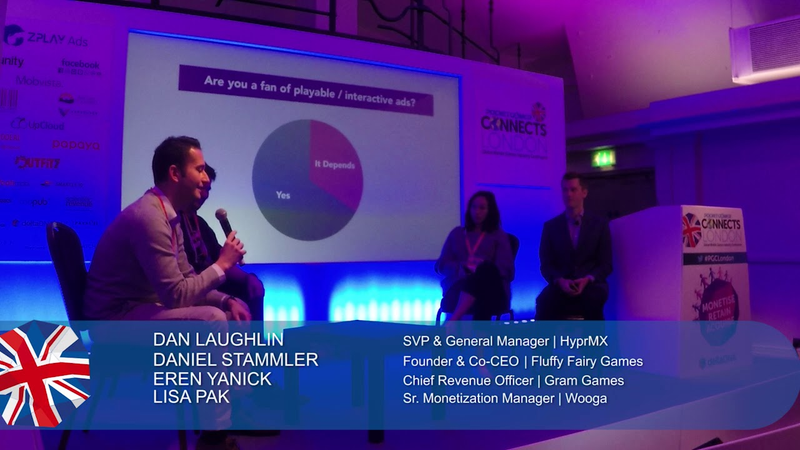
This panel discussion explores mobile game monetization strategies, focusing on the balance between ad revenue and user experience.
- Prioritize long-term player retention over short-term revenue gains by ensuring monetization strategies are deeply integrated into the core game loop.
- Implement only voluntary, opt-in ad formats, such as rewarded videos, to avoid the negative impact on user experience associated with intrusive interstitials.
- Utilize multiple ad networks through mediation rather than relying on a single source to ensure competitive bidding, higher fill rates, and better ad quality.
Gamified panel: Which ad won?
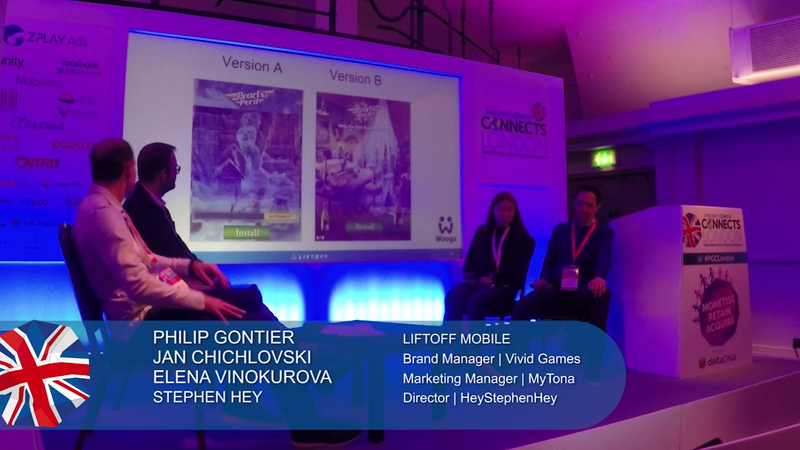
Interactive mobile advertising strategies prioritize gameplay-driven mechanics to maximize user acquisition and conversion.
- Granular creative refinement and visual iterations can drive performance improvements of up to 99%.
- Localized creative assets significantly boost performance, yielding up to a 56% uplift in specific markets like Sweden.
- Interactive, gameplay-driven ads consistently outperform static or video-only formats in user acquisition and conversion.
Influencer marketing: The tips that your app needs
Influencer marketing has emerged as a high-growth channel for mobile game user acquisition, driven by increasing consumer trust in content creators and the widespread adoption of ad-blocking technology.
- Influencer marketing serves as a high-growth user acquisition channel that bypasses ad-blocking technology by leveraging the authentic trust between creators and their audiences.
- Mid-tier creators often outperform top-tier influencers in both cost-efficiency and campaign performance, making them a more strategic focus for most mobile game developers.
- Campaign success relies on providing creators with language-specific briefs and in-app incentives to drive conversions, supported by 24/7 communication to manage operational needs.
Next generation playable ads on mobile
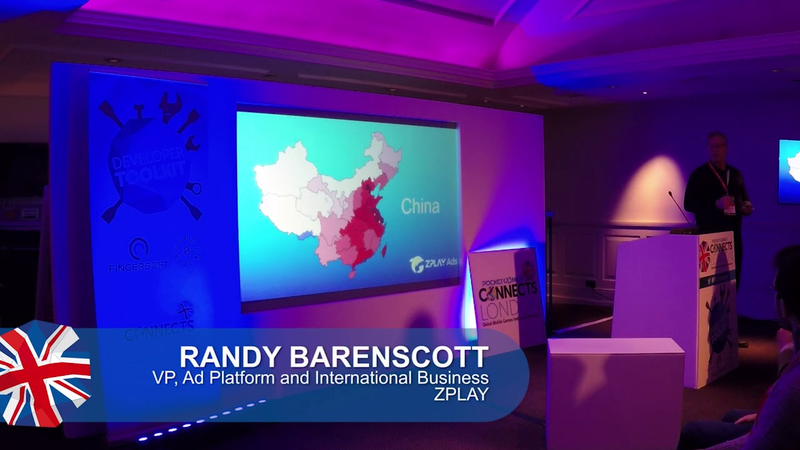
Playable ads represent a high-performing but underutilized format in the mobile gaming industry.
- Playable ads deliver conversion rates two to three times higher than traditional video ads, yet their adoption is restricted by high production costs and technical limitations.
- Current HTML5 playable ad production can exceed $25,000 per unit, effectively pricing out developers with lower lifetime value (LTV) games or smaller user acquisition budgets.
- Next-generation playable ad technology reduces production costs to as low as $1,000 per campaign by utilizing the game’s original user interface rather than building custom mini-games.
How to get the most out of your ad strategy
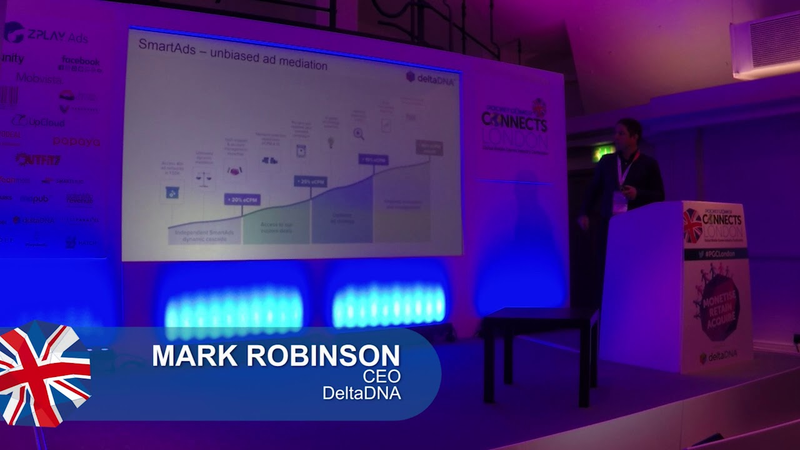
The mobile gaming industry has undergone a significant shift in its approach to advertising, moving from viewing ads as a necessary evil to recognizing them as a vital, strategic component of game monetization.
- Advertising has become a core revenue driver, with many mobile titles now generating between 20% and 60% of their total income from ad placements.
- Industry sentiment has shifted significantly, with twice as many publishers now viewing ads as a strategic monetization opportunity rather than a necessary evil.
- Successful monetization requires integrating advertising early in the development lifecycle rather than treating it as an afterthought.