Market Analysis reports and market data
Documents

State of the Industry Report 1999
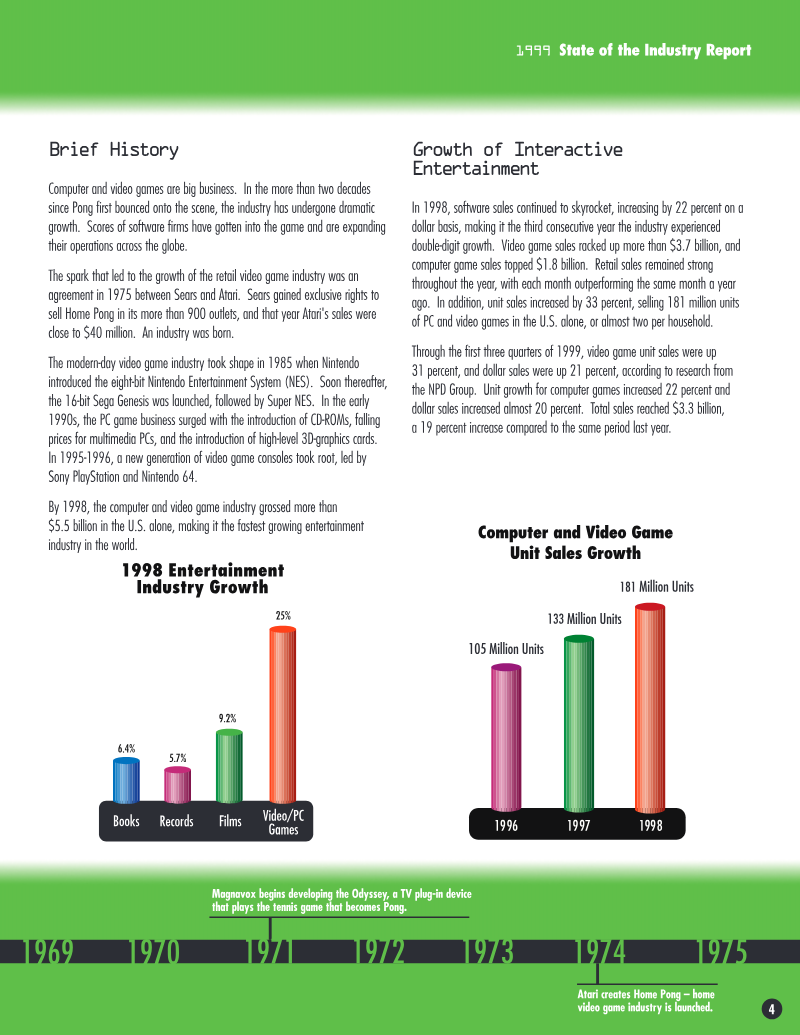
The 1999 State of the Industry Report provides a comprehensive overview of the interactive entertainment sector, documenting its rapid evolution into a dominant force in the global home entertainment market.
- The U.S. interactive entertainment industry reached $5.5 billion in sales by 1998, marking three consecutive years of double-digit growth and positioning software revenue to rival motion picture box office receipts by the end of 1999.
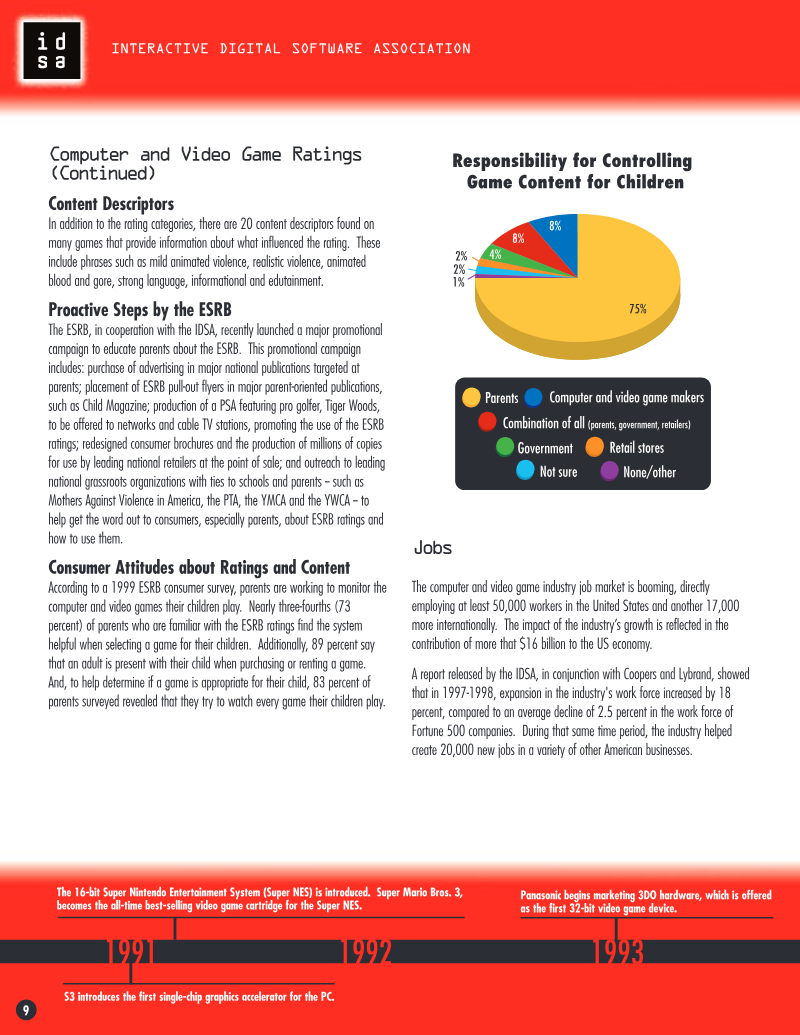
- The industry is a significant economic driver, directly employing 50,000 workers in the U.S. and contributing over $16 billion to the national economy.
- Gaming has shifted to a mainstream adult demographic, with individuals aged 18 or older now comprising 69 percent of PC players and 54 percent of console players.
Video Games in the 21st Century: The 2026 Economic Impact Report
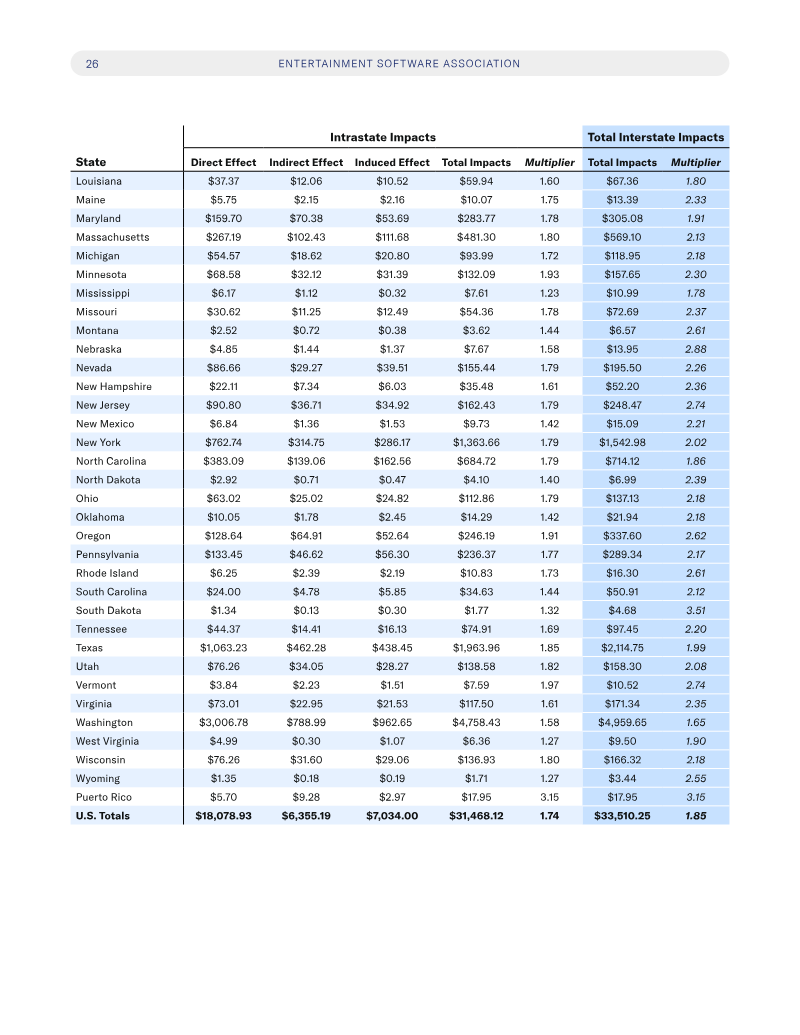
The United States video game industry serves as a robust engine for national economic growth, generating a total economic impact of $95.8 billion and contributing $65.5 billion to the national GDP as of 2025.
- The U.S. video game industry generated a total economic impact of $95.8 billion and contributed $65.5 billion to the national GDP in 2025.
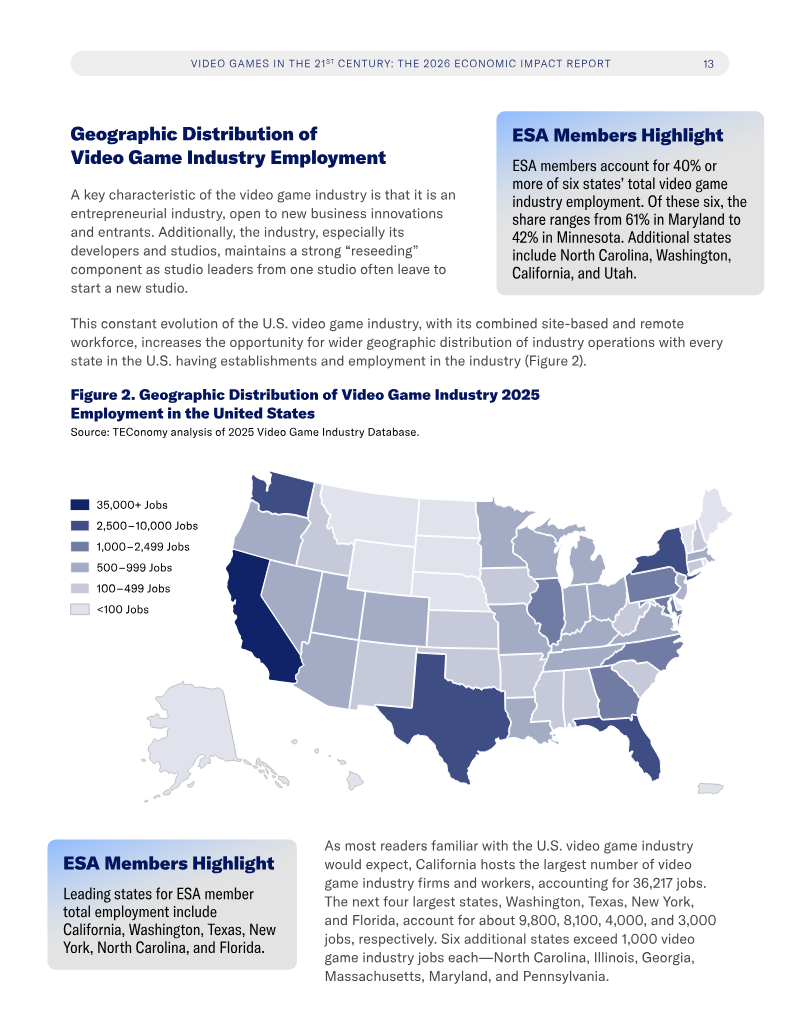
- The sector supports over 250,000 jobs nationwide, with each direct position sustaining approximately two additional roles in the broader economy.
- The industry contributes over $12 billion in combined federal, state, and local tax revenues annually.



Q3 2015 Data Digest
The Q3 2015 Data Digest provides a comprehensive analysis of the iOS mobile application market, focusing on global and U.S. trends in downloads, revenue, and advertising strategies.
- Gaming remains the dominant App Store category, generating over 20 times the revenue of the next leading category.
- Clash of Clans maintained its lead in Q3 2015, though Game of War significantly narrowed the revenue gap in the U.S. market.
- Aggressive advertising on the Facebook network, particularly using high-production image and video assets, shows a strong correlation with increased revenue for gaming and lifestyle apps like those from ContextLogic.
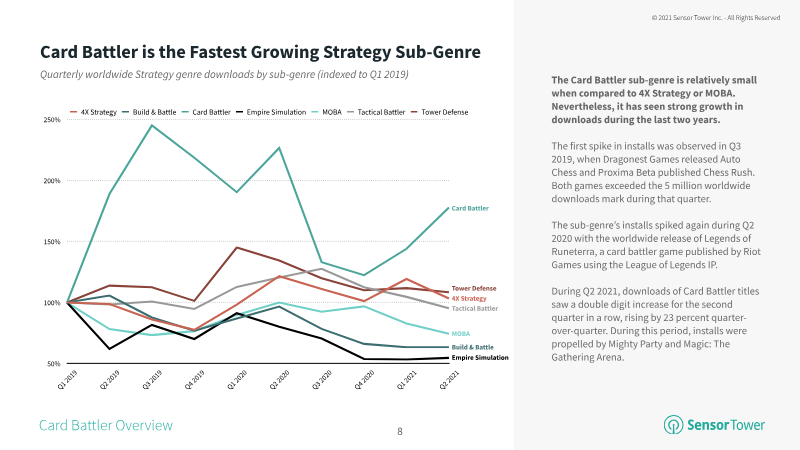


The State of Card Battler Mobile Games 2021: An Analysis of the Card Battler Sub-Genre
The mobile card battler sub-genre represents a growing, high-potential segment within the mid-core strategy market.
- The United States has become a critical growth market for card battlers, accounting for 27% of global player spending in the first half of 2021.
- U.S. card battlers exhibit a revenue-per-download (RPD) nearly double the worldwide average and are experiencing the fastest RPD growth among all strategy sub-genres.
- The market is currently dominated by established 'forever franchises' such as Yu-Gi-Oh! Duel Links and Hearthstone, alongside successful new entrants like Magic: The Gathering Arena.

An Analysis of Download Sources on Apple's App Store 2021
This analysis examines the primary drivers of first-time app downloads on the Apple App Store between 2018 and 2020.
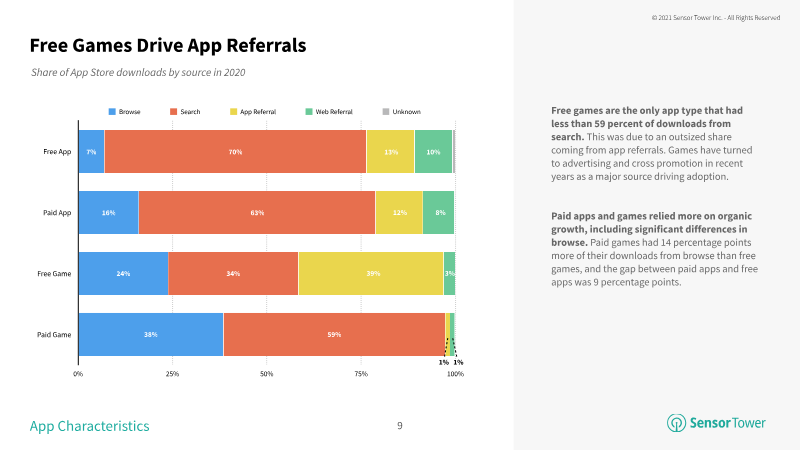
- Search is the primary discovery mechanism for the App Store, accounting for 59% of all first-time downloads in 2020.
- Non-game applications rely heavily on search for user acquisition, with 70% of their total downloads originating from this channel.
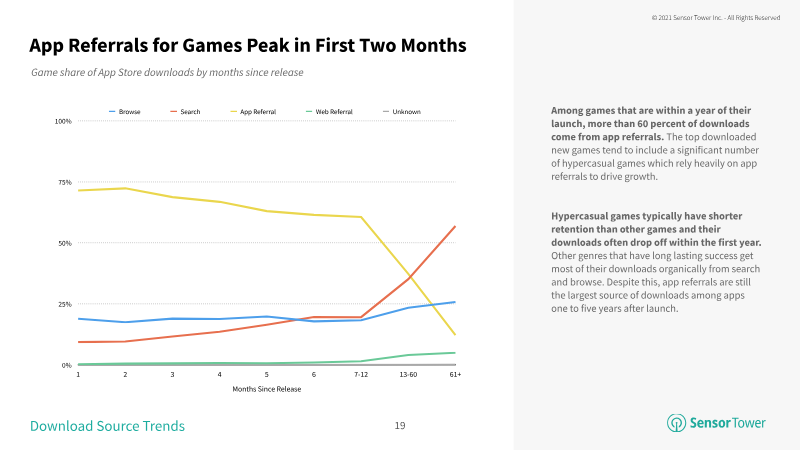
- App referrals for games grew from 26% in 2018 to 38% in 2020, driven largely by the hypercasual genre's reliance on cross-promotion.


Live-Streaming Trends Report: Q1 2026
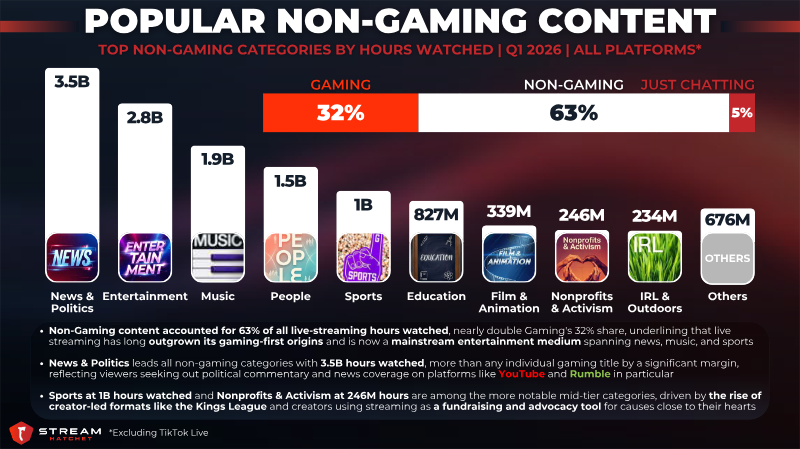
Live-streaming has solidified its position as a primary pillar of global entertainment, reaching a total of 17 billion hours watched during the first quarter of 2026.
- Live-streaming reached 17 billion hours watched in Q1 2026, with TikTok Live accounting for nearly 50% of total volume.
- Non-gaming content now dominates the ecosystem, representing 63% of total viewership with News and Politics as the leading category.
- Gaming engagement is shifting away from traditional esports structures toward mobile-friendly, community-centric, and creator-led events.

Power of Play: 2025 Global Video Games Report
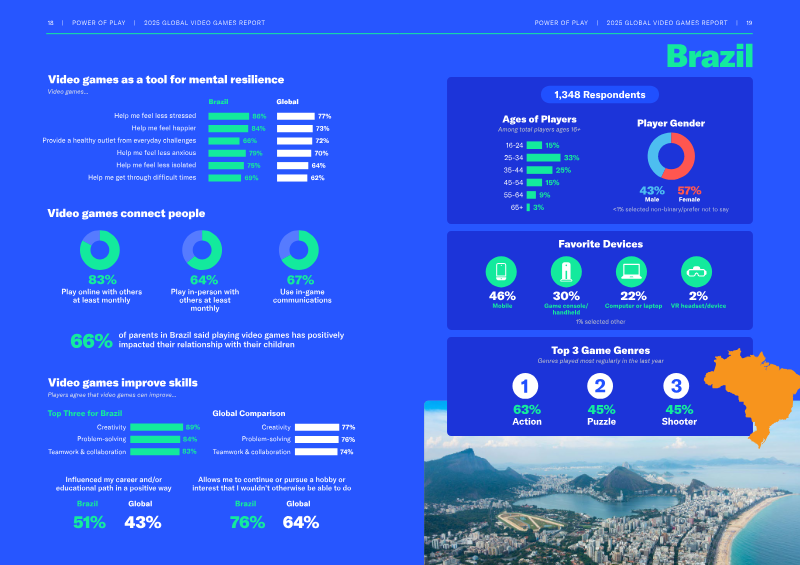
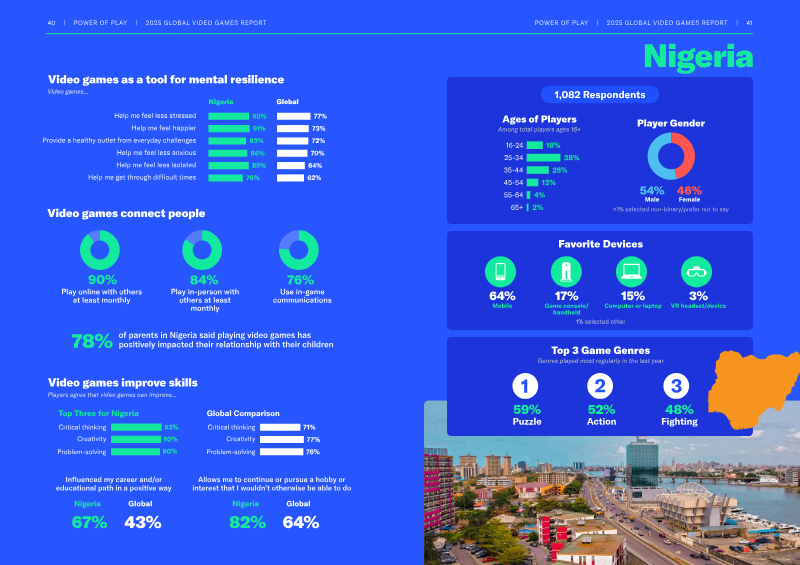
Video games have evolved into a fundamental cultural and societal pillar, serving as a primary medium for entertainment, mental well-being, and professional development.
- Video games are now a primary tool for mental health, with a majority of 24,000 surveyed gamers across 21 countries reporting that gaming effectively mitigates anxiety and isolation.
- Gaming is a catalyst for cognitive development, with players demonstrating measurable improvements in creative thinking, complex problem-solving, and collaborative teamwork.
- High-stakes industries including medicine, aviation, and retail are increasingly adopting simulation-based training and augmented reality to improve decision-making and technical precision.


New York City Digital Games Industry: 2021 Economic Impact Study
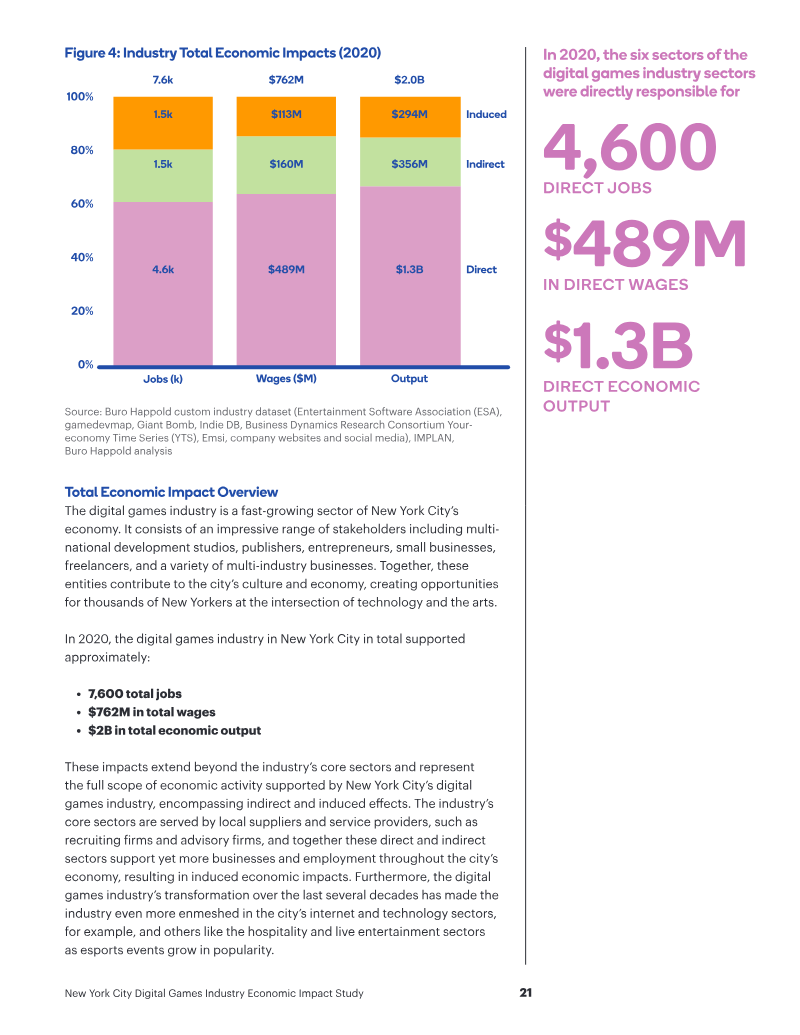
New York City’s digital games industry has emerged as a significant economic engine, generating $2 billion in total output and supporting 7,600 jobs as of 2020.
- New York City’s digital games industry generated $2 billion in total economic output and supported 7,600 direct jobs as of 2020.
- The sector has tripled in size since 2008 and is supported by an ecosystem of over 200 development and publishing studios.
- Venture capital investment in the industry reached $774 million in 2020, representing a 105% year-over-year increase.
The Investigation of Pandemic Impact on Global Gaming Market
The COVID-19 pandemic served as a significant catalyst for change within the global gaming industry, driving increased user engagement and revenue while simultaneously exposing regional vulnerabilities and structural weaknesses.
- The Chinese gaming market experienced an initial 25% revenue surge in early 2020, but subsequent regulatory constraints on ISBN licensing triggered industry consolidation and the closure of numerous small-to-medium-sized studios.
- Major U.S. gaming and hardware firms saw positive cumulative average abnormal returns of 7.66% during the pandemic, driven by increased demand from stay-at-home mandates.
- The Japanese gaming market bucked the global growth trend, suffering a statistically significant decline in stock prices, particularly within the mobile gaming sector.

European Video Games Industry Insights Report: 2019
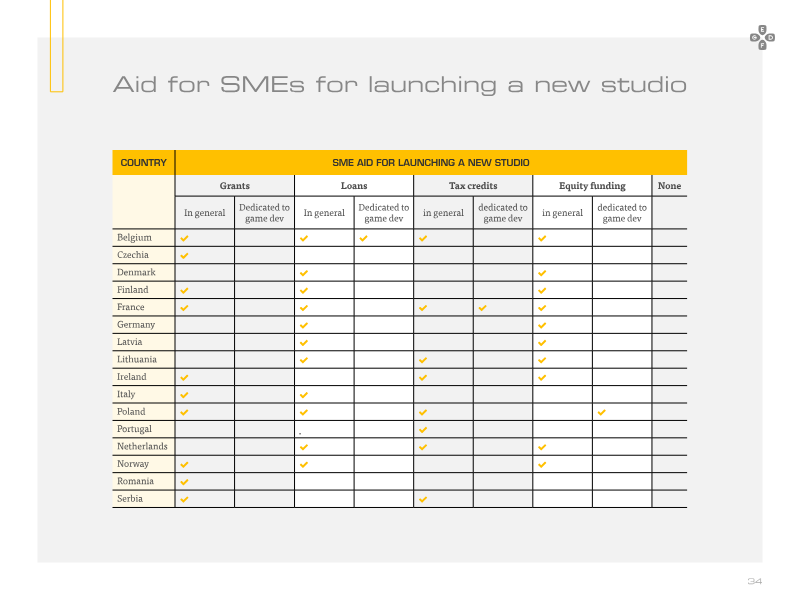
The European video games industry generated approximately €12 billion in combined developer and publisher revenue during 2019, reflecting a robust and expanding economic landscape.
- The European video games industry generated approximately €12 billion in combined developer and publisher revenue during 2019.
- France, Sweden, and Finland served as the primary revenue drivers, while Eastern European markets represent significant untapped growth potential.
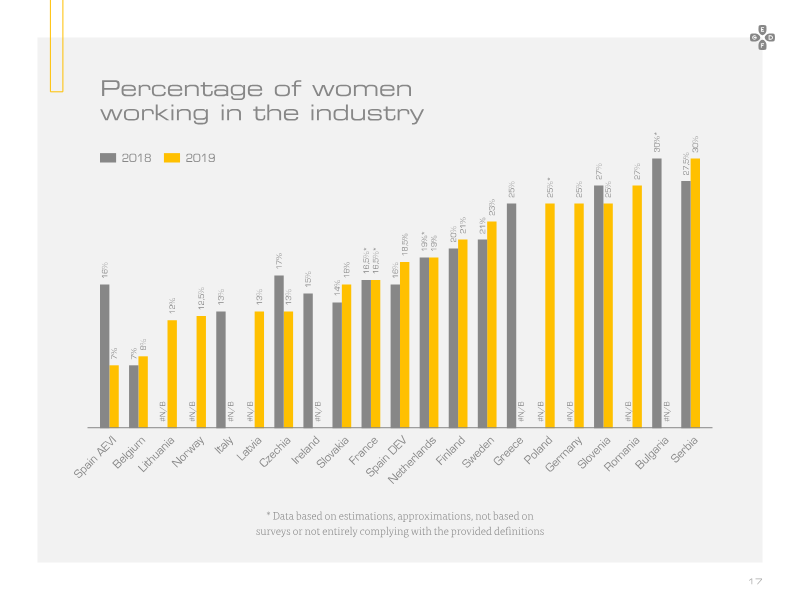
- Gender diversity remains a systemic challenge, with no European nation reporting a female workforce participation rate exceeding 30 percent.

U.S. Video Game Industry: Technological Advancements and Privacy Issues
The U.S. video game industry, a significant global economic force, faces a critical juncture defined by rapid technological evolution and escalating privacy vulnerabilities.
- The U.S. video game industry is a $60.4 billion annual revenue sector employing 240,000 people across more than 42,000 businesses.
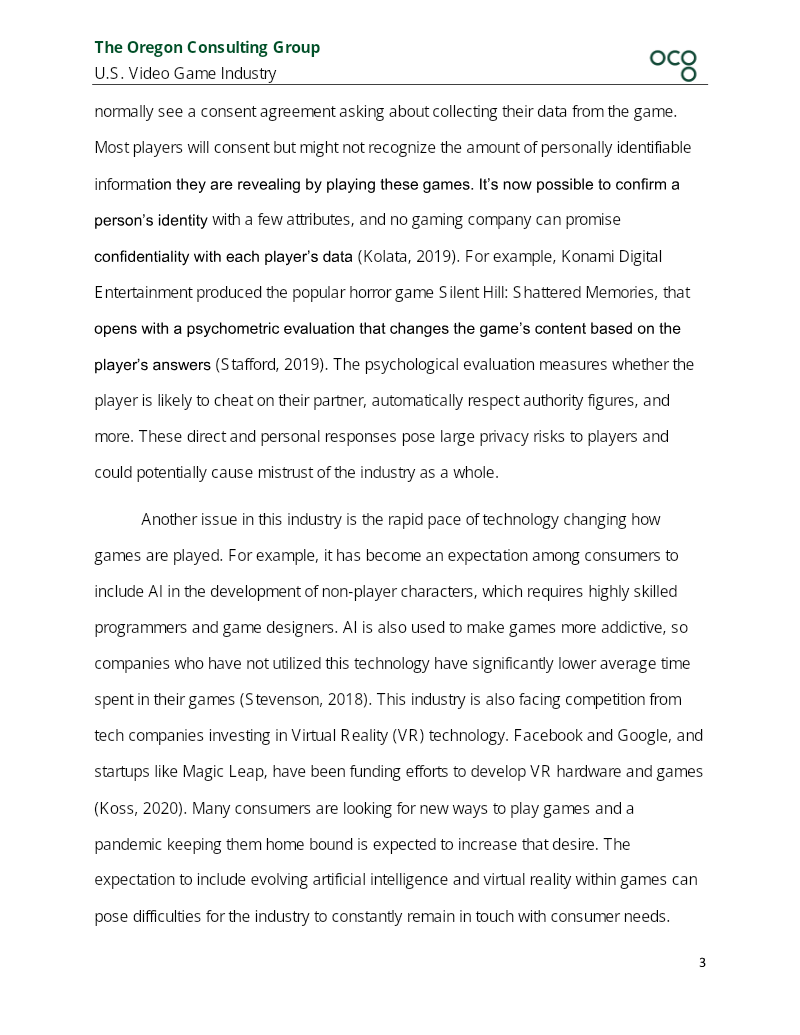
- Gaming platforms face severe cybersecurity threats, evidenced by 12 billion cyberattacks recorded against gaming websites over a 17-month period.
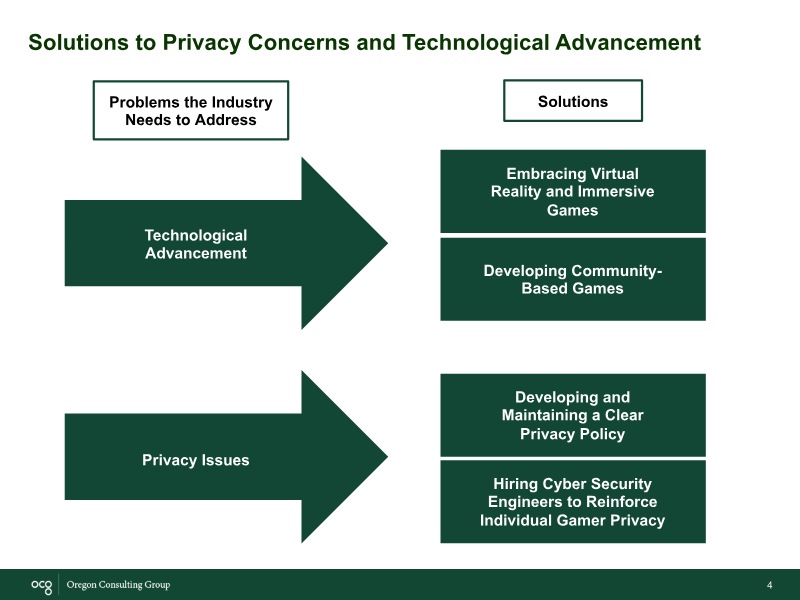
- Privacy risks are exacerbated by the re-identification of anonymized data and the use of psychometric evaluations, necessitating investments in specialized cybersecurity engineering similar to models used by Microsoft.
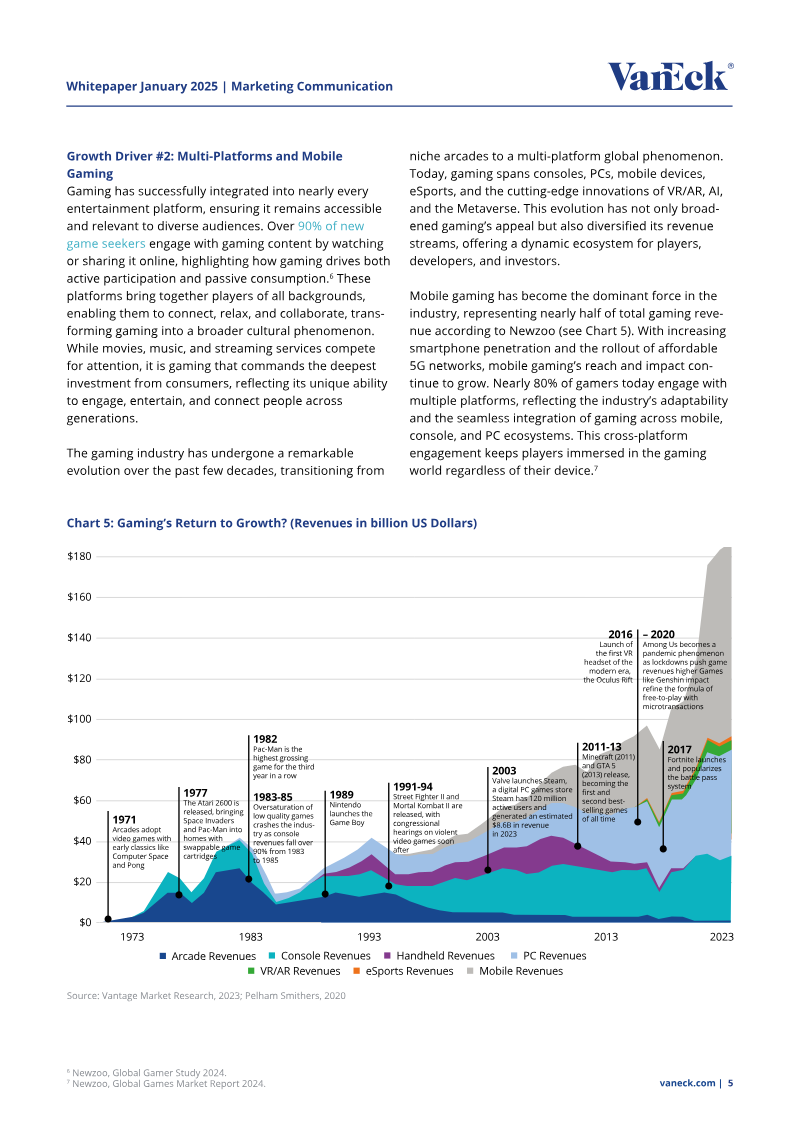

Gaming's Renaissance: From Ancient Origins to Digital Domination
The gaming and eSports industry has entered a phase of robust recovery, transitioning from a post-pandemic adjustment period to a trajectory of sustained long-term growth.
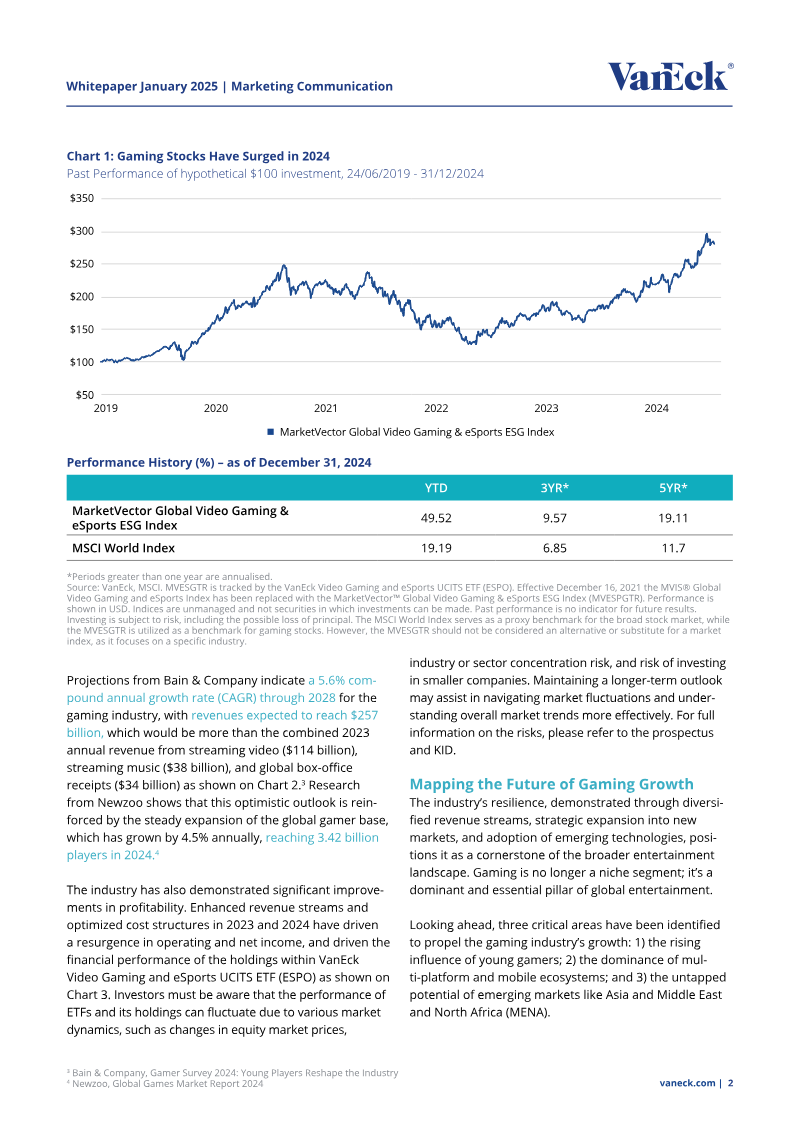
- The gaming and eSports industry is projected to reach $257 billion in annual revenue by 2028, reflecting a sustained 6% annual growth rate.
- The global gamer population reached 3.42 billion in 2024, cementing the sector's transition from a niche market to a pillar of global entertainment.
- Investor confidence in the sector has surged, with the MarketVector Global Video Gaming & eSports ESG Index recording a 49.5% increase in 2024.