Market Analysis reports and market data
Documents

So You Want To Be an Indie - How to Start an Indie Game Studio - Extra Credits
Independent game development requires a strategic approach that prioritizes manageable scope, business acumen, and iterative design over the high-production values typical of AAA studios.
- Prioritize core mechanics over content volume, as creating excessive assets before refining gameplay often leads to wasted effort and rigid design.
- Keep the scope of first-time projects small and achievable to ensure successful completion and market entry.
- Incorporate a 50% buffer into all project budgets and development timelines to account for unforeseen technical and administrative costs.

Mobile games industry news (w/e 9 August 2013)
The mobile games industry in mid-2013 is characterized by a transition from rapid, unchecked growth to a more competitive, plateauing environment.
- The mobile games industry is transitioning from unchecked growth to a competitive, plateauing environment, forcing companies to pivot toward international, free-to-play models.
- DeNA reported a 10% revenue increase to $526 million in Q2 2013, though operating profits declined due to heavy investment in international expansion and continued reliance on Japanese feature-phone platforms.
- Glu Mobile experienced a 17% revenue drop as it struggled to transition from legacy carrier-based business models to modern free-to-play structures.
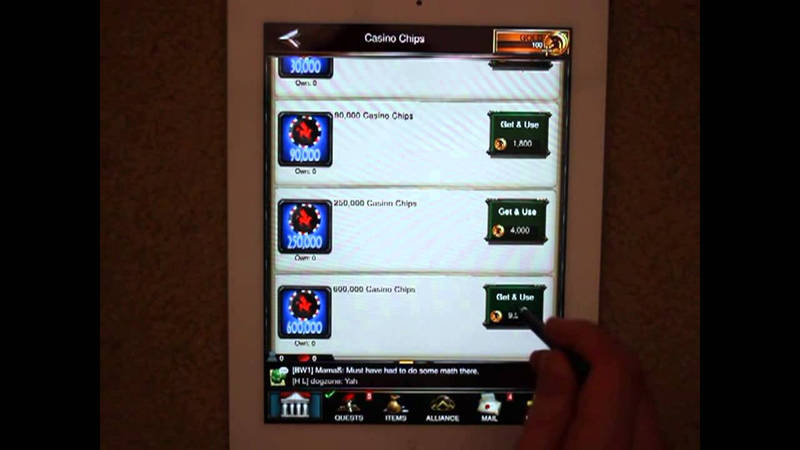
Monetizer: Machine Zone's Game of War: Fire Age
Game of War: Fire Age, developed by Machine Zone, is a complex, menu-driven massively multiplayer online game (MMOG) designed for mobile platforms.
- Machine Zone utilizes a social-first retention strategy in Game of War: Fire Age, leveraging alliance systems and global chat with automatic translation to foster deep player engagement.
- The game transitions players from a 'free-to-instant' early experience to a time-gated progression model that necessitates either significant time investment or microtransactions.
- Monetization is driven by a multi-layered economy featuring gold, resources, and casino-style chips, supported by time-limited bundles and 'high roller' status perks.

Mobile games industry news (w/e 2 August 2013)
The mobile games industry as of early August 2013 is characterized by a strategic shift toward platform-led distribution and the maturation of monetization models.
- Facebook’s mobile game distribution initiative generated 25 million downloads in the second quarter of 2013, signaling a move toward high-volume distribution alongside major partners like Gameloft and Gamevil.
- WeChat is leveraging its 330 million user base to enter the mobile gaming market, launching with four titles including international franchises like Fruit Ninja and Plants vs. Zombies 2.
- Puzzle & Dragons reached one million users in the United States, driving global daily revenues to approximately $5 million.
A Little Bit of Yesterday - Why We Love Retro Games So Much - Extra Credits
The enduring appeal of retro gaming stems from a desire to recapture a sense of uninhibited imagination, optimism, and playfulness that is frequently absent in contemporary, high-budget titles.
- The primary driver of retro gaming's popularity is a longing for the creative freedom, optimism, and over-the-top design choices that characterized early game development.
- Modern game design has increasingly prioritized realism and grounded narratives, which has inadvertently led to a loss of the exuberant joy and childlike wonder found in classic titles.
- The industry’s shift toward 'mature' themes was fueled by a sense of insecurity and a desire for mainstream legitimacy, causing developers to view the inherent silliness of games with shame.

Dealing with 10 app stores is harder than dealing with 400 app stores, says iDreamcast's Jeff Lyndon
The Chinese mobile gaming market presents unique challenges for Western developers, primarily regarding localization and distribution.
- iDreamSky, a major Chinese publisher with 260 million registered users and 60 million monthly active users, specializes in localizing Western mobile hits like Temple Run 2 and Fruit Ninja for the Chinese market.
- Successful localization in China requires significant adjustments to monetization strategy and UI/UX, such as placing store buttons in prominent locations rather than tucked away, to accommodate a user base that may be new to gaming.
- The Chinese mobile market is shifting away from Western titles toward Korean and Japanese games, which offer comparable quality but higher cultural resonance with local players.

Yodo1's Henry Fong talks massive Chinese mobile gaming growth
The Chinese mobile gaming market represents a high-growth landscape characterized by rapid smartphone adoption and increasing monetization efficiency.
- The Chinese mobile gaming market is experiencing rapid expansion, with active handset projections reaching 500 million by the end of 2013 and quarterly revenue growth rates consistently between 50 and 100 percent.
- Successful market entry requires comprehensive culturalization—adapting gameplay, narrative, and visuals—rather than simple translation to ensure titles resonate as locally produced content.
- The distribution landscape is highly fragmented, featuring over 400 distinct app stores that necessitate specialized navigation to achieve commercial success.

Mobile games industry news (w/e 27 July 2013)
The mobile games industry experienced significant divergence in late July 2013, characterized by robust growth in China and mixed financial results among major Western publishers.
- The Chinese mobile gaming market is experiencing rapid expansion, with first-half 2013 revenues estimated between $400 million and $2 billion.
- Baidu’s $2 billion acquisition of 91 Wireless signals a major consolidation trend, as the Chinese market shifts from hundreds of disparate app stores to approximately 40 key platforms.
- Zynga reported a 31 percent year-over-year revenue decline as it struggled to transition its social gaming model from Facebook to mobile platforms.

India is the next big mobile games market, says Reliance Games' Manish Agarwal
India is poised to become a premier emerging market for mobile gaming, driven by rapid growth in Android device adoption.
- India’s Android installed base is projected to reach 100 million devices within 12 to 15 months, positioning the country as a major emerging market for mobile gaming.
- Monetization in India is currently hindered by a reliance on Western pricing models and a lack of localized payment infrastructure rather than a lack of consumer willingness to pay.
- To drive revenue, developers must shift to mobile carrier billing and adopt pricing strategies tailored to the Indian market instead of standard dollar-denominated price points.

Mobile games industry news (w/e 19 July 2013)
The mobile gaming industry in mid-2013 is characterized by rapid growth in user acquisition and significant consolidation, particularly within Asian markets.
- Baidu’s $1.9 billion bid for 91 Wireless highlights intense competition among Chinese tech giants like Tencent and 360 to control Android distribution channels.
- The Korean messaging platform Kakao generated over $300 million in revenue during the first half of 2013 through its integrated games platform.
- Kabam reached a $700 million valuation following a private share placement, signaling strong investor confidence in the scalability of free-to-play business models.

Used Games - Ownership in the Digital Age - Extra Credits
The debate surrounding used game sales centers on the tension between consumer property rights and the financial interests of developers and publishers.
- The transition from physical to digital distribution has effectively shifted the consumer model from ownership to leasing, granting corporations the power to revoke access to purchased content.
- Publishers argue that the secondary market for physical games deprives them of essential revenue, leading them to use digital rights management (DRM) to restrict resale and distribution.
- A proposed solution to the loss of resale value is the implementation of publisher-managed digital trade-in programs, which would allow users to exchange digital titles for store credit.
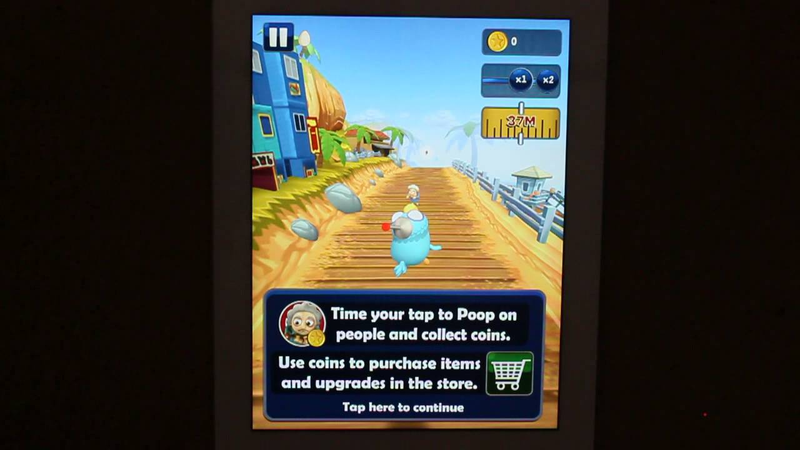
Monetizer: 2K's Turd Birds
Turd Birds, an endless runner developed by Cat Daddy Games and published by 2K, utilizes an aggressive monetization strategy that prioritizes immediate conversion over player retention.
- Cat Daddy Games and 2K utilize an aggressive monetization model in 'Turd Birds' that prioritizes immediate revenue conversion over long-term player retention.
- The game employs a coercive design that prompts players to spend hard currency gems to continue gameplay sessions immediately following a failure.
- Unlike standard industry practices, the game omits complimentary currency gifts during the initial session, failing to habituate players to the spending process through positive reinforcement.