1 free read left. Create a free account for unlimited reading + AI research.
Create free account
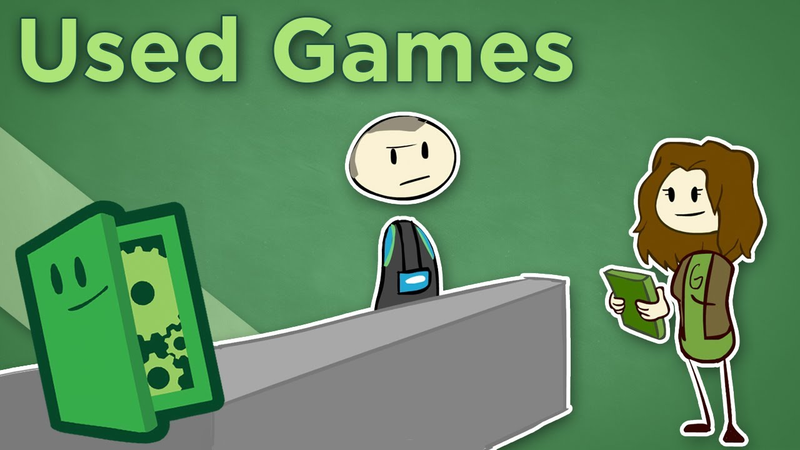
Used Games - Ownership in the Digital Age - Extra Credits
Key insights
6 takeaways- 01The used game market historically functioned as a discovery mechanism that fostered franchise loyalty, a benefit that is currently being lost as digital platforms consolidate control.
- 02The transition from physical to digital distribution has effectively shifted the consumer model from ownership to leasing, granting corporations the power to revoke access to purchased content.
- 03Publishers argue that the secondary market for physical games deprives them of essential revenue, leading them to use digital rights management (DRM) to restrict resale and distribution.
- 04While consumers historically resisted physical console restrictions, there has been a notable lack of public outcry regarding the restrictive nature of digital platforms like Steam and iTunes.
- 05A proposed solution to the loss of resale value is the implementation of publisher-managed digital trade-in programs, which would allow users to exchange digital titles for store credit.
- 06The industry lacks equitable return policies for digital goods, despite the fact that modern DRM and persistent internet connectivity make managing such returns technically feasible.
Ask AI about this video
Transcript
[Music] Hello, welcome to the new look. We figured we were due for a bit of an update. We've discussed elements of this topic in our project $10 and digital resale episodes before, but used games have become a pretty important subject of discussion lately, and a lot of you have been asking about it. We're going to try to avoid repeating too much of what we said in those previous shows, so it might be worth refreshing on them if you're really interested in this. I put some links in the text in case you don't feel like hunting for them. Also, we did originally write this before E3 and everything that followed, so apologies if any of this seems a bit outdated. Anyway, on to the questions at hand. First, the most basic question. Why are used game sales such a big issue? Well, on the consumer side, it's pretty clear. You bought a thing, you should have the right to sell it back. That's how it works for most physical goods in our society by law. On the developer and publisher side, things are a little more opaque. But the short version is that when you buy a used game at GameStop, the developer and the publisher see none of that money. Nada, zero sense. In a
world where the AAA market is shrinking and publishers are trying to find ways to squeeze every cent they can out of their games, this is a big deal. They feel like they need to reclaim that money if they're going to continue making the big budget titles we all know and love. So, as you can see, there's actually a fairly reasonable argument on both sides. But one thing needs to be made clear. Used games are not inherently bad for the game industry. It's not uncommon browsing the internet to see people say that used games are terrible and if you buy used, you're a bad person, which is ridiculous. Not only because in many ways it's a right given to you by law, at least in the States, but because used games have actually been a huge boon to the industry. For the seven generations of consoles that relied principally on physical media, what would have happened if you eliminated used games? Well, after they stopped printing discs for a certain game, you just wouldn't be able to get a copy anymore. And many gaming franchises have gained a lot of fans by having people pick up a cheap copy of the original when a sequel is about to come out, or by having a friend to tell them about this game that came out 2 years ago that they really should try. But now that we've entered an age where digital releases will become more and more prevalent, where publishers can leave something up for sale forever without having to worry about manufacturing runs or the costs of goods sold, that longevity advantage that used
games used to provide publishers has sort of disappeared. At the same time, publishers are less reliant on physical distributors now than ever before, which means they don't have to worry as much about reprisals from retailers as they used to, which means they can lean on console manufacturers to prevent used sales, which leads us more or less to where we are today. We recently had quite a storm brewing over the idea of nextgen restrictions on used games, and with good reason. Manufacturers were threatening to take away from us something that we used to be able to do freely. But before we get too riled up, I think it's worth asking, why isn't there this outrage over Steam or iTunes? Both of these services sell us DRM fil digital media that we can't ever resell. Yet, they don't garner the same level of fury. In fact, about 8 weeks ago, a US District Court made it official. It is illegal to sell your iTunes library without permission from the record companies that own the copyright. Why aren't we angry about that? Cuz, you know, maybe we should be. I mean, I don't want to live in a world where I'm just leasing all of my property from the companies that sold or, I guess, rented it to me. It gives them too much power over how we consume. We've already seen players get the banhammer just for asking for a refund or complaining about
a game. Now, I strongly believe in terms of service and the right to remove disruptive members from the community, but taking ownership of the basic product away from the player is going a little too far. All right, enough soap boxing. Just know that the fight for whether you will own anything digital in the future is going on today. As for games, I think there's actually a great middle ground solution that I haven't heard anybody talk about, which is to give publisher specific credit for tradeins of digital goods. Imagine if you traded in Assassin's Creed and got $15 toward your next purchase of an Ubisoft game. It's a great way for publishers to help establish brand loyalty and really get consumers to know which games they make. On the flip side, it gives players a way to at least get some return on their investment. And the developers can still get paid. There is the question of what happens with small games and independent games. And who knows, maybe that's why Microsoft's trying to get all indies to use a publisher with them. But it's a piece of the puzzle still to be worked out. Still, it would allow publishers to do really cool things that are good for everybody, publisher, consumer, and developer alike, like doubling the amount of money you get for a game shortly before the next one in the series comes out. It reminds the customer that the game's coming out. It gives them some extra cash toward it so they can feel better about buying it,
and it helps to push day one sales numbers. Now, at first, I was a little worried about the idea of giving publishers control over the buyback price of their own games. But I'm 90% sure that the way the free market plays out on this one, publishers are likely to give much higher trade-in rewards than GameStop does because they would know that all that money is coming back for their games. And a lot of people already seem okay with trading it at GameStop as it is. That just leaves trading and selling with your friends, but we covered that pretty extensively in the digital resale episode, so I will just point you back to that one again. Besides, I have one last can of worms to open. Digital return policies. When we talk about consumer rights, why doesn't anybody talk about returns on digital goods? Heck, I might be old, but I still remember when Electronic Boutique used to give you 7 days to return anything you bought there, new or used. Now, is it because piracy is an issue that we're denied returns on physical products? Sure. But do you know how hard it is to cut through Steam's DRM? In the digital age, we've actually got better protections than the physical products, not worse. If you couple that with an always connected requirement, there's no way you're telling me you can't protect your product enough to have an equitable return policy. And truth is, all of us
have had the experience where after 30 minutes, we realize a game wasn't as advertised, or heck, that we just didn't like it. Now, I don't care if you only give back store credit for such returns, but there's no reason why in the modern age, if you're going to make the customer put up with all the hassles of DRM and always on internet requirements and such, that we can't give them some benefits to go with that. See you next week. [Music] Heat. Heat. [Music] Heat. [Applause] [Music]
Summary
The debate surrounding used game sales centers on the tension between consumer property rights and the financial interests of developers and publishers. While consumers maintain a legal expectation to resell physical goods, publishers argue that the secondary market deprives them of revenue necessary to sustain high-budget AAA development. Historically, the used game market served as a vital discovery mechanism, allowing players to access older titles and build franchise loyalty. However, the transition toward digital distribution has rendered the traditional benefits of physical resale obsolete, prompting publishers to seek greater control over ownership and distribution through digital rights management and platform restrictions.
The industry currently faces a critical juncture regarding digital ownership, as consumers increasingly lease rather than own their media. The lack of public outcry regarding restrictive digital platforms, such as Steam or iTunes, contrasts sharply with the resistance against physical console restrictions. This shift threatens to grant corporations excessive power over consumer access, including the ability to revoke access to products based on account disputes. To address these concerns, a potential middle ground exists in the form of publisher-managed digital trade-in programs. By allowing users to trade digital titles for store credit toward future purchases from the same publisher, companies could foster brand loyalty and recapture revenue while providing consumers with a tangible return on their investments.
Beyond resale, the industry lacks equitable return policies for digital goods, despite the robust protections afforded by modern digital rights management and persistent internet connectivity. Implementing return windows for digital purchases would provide a necessary consumer benefit to offset the inconveniences of DRM and always-online requirements. Ultimately, the industry must balance the protection of intellectual property with the establishment of fair consumer practices to ensure a sustainable digital ecosystem that benefits developers, publishers, and players alike.



















Comments