Live Ops reports and market data
Documents
LiveOps Report 2025
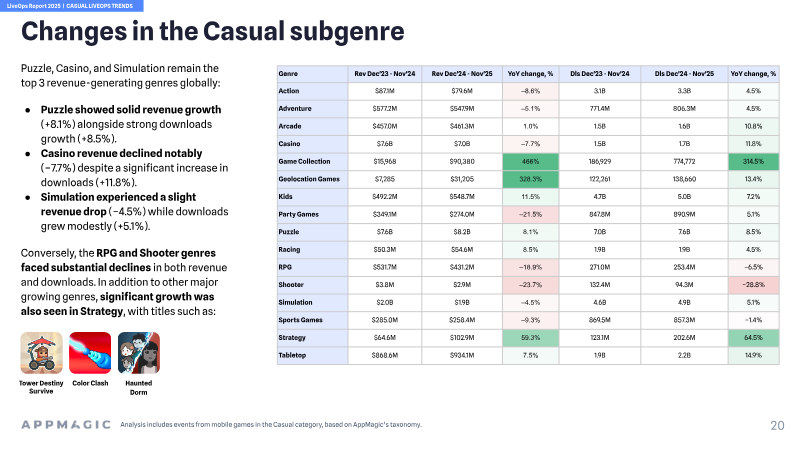
The mobile gaming industry is currently navigating a period of significant maturation, characterized by a marked deceleration in overall revenue and download growth.
- Mobile gaming is shifting toward high-frequency engagement, with developers now averaging 89 events per month to combat stagnant revenue and download growth.
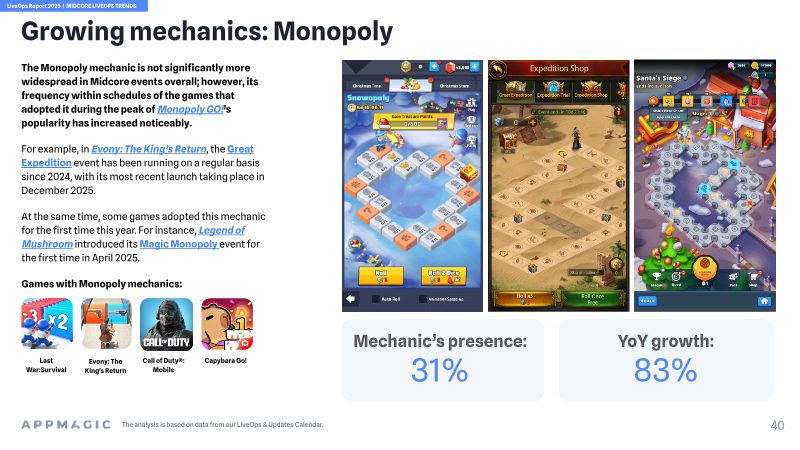
- The Hybridcasual segment is experiencing explosive revenue growth by integrating complex, midcore-inspired mechanics and ad-driven monetization models.
- Strategy has overtaken RPGs as the top-earning subgenre within the Midcore segment, which continues to be dominated by legacy titles launched between 2015 and 2020.

🚨📢 BREAKING NEWS: Meta Buys AI Brains, Love & Deep Space Goes Royal, GOG Goes Home
The gaming industry is currently navigating a period of significant transformation characterized by aggressive AI integration, strategic corporate restructuring, and the elevation of live-ops into global cultural phenomena.
- Meta has acquired the Singapore-based startup Manus to consolidate autonomous AI agent capabilities for its consumer and business product lines.
- CD Projekt has divested the GOG platform to co-founder Mikall Kinski for approximately 90 million PLN to refocus its corporate strategy exclusively on AAA game development.
- Gamebyte secured $1 million in funding to develop AI tools capable of generating playable games and advertisements directly from text prompts, signaling a shift toward rapid prototyping.
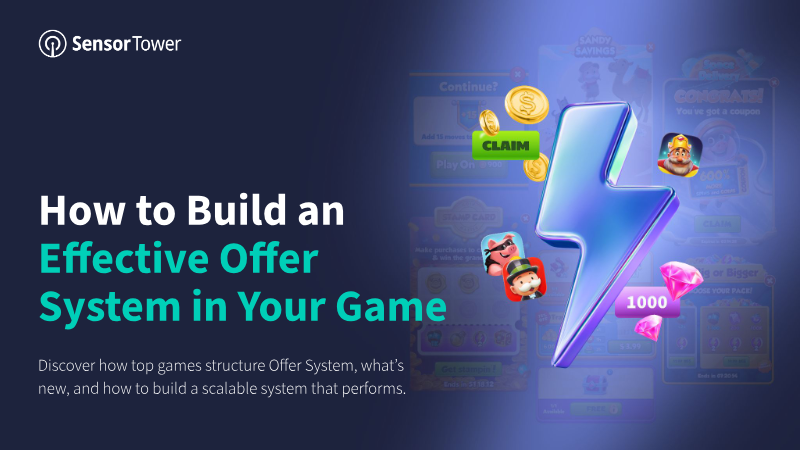
How to Build an Effective Offer System in Your Game
A well-designed in-game offer system is presented as the most potent driver of lifetime value and average revenue per paying user.
- A tiered pricing ladder ranging from under $1 to $99, which escalates after purchases and regresses during inactivity, allows for precise alignment with individual player spend propensity.
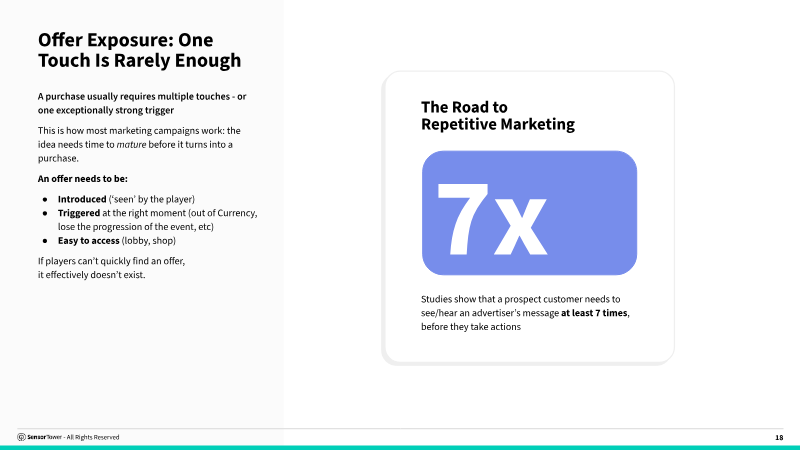
- Conversion is driven by repeated exposure, with players typically requiring seven viewings of an offer before completing a purchase.
- Strategic implementation of a limited set of offer types can drive conversion rates as high as 96% on login offers and increase repeat-purchase value by approximately 20% through endless offers.
From Space Ape to Duolingo via Supercell with Simon Hade
The evolution of modern mobile gaming studios reveals a critical shift from rapid, decentralized experimentation toward a model defined by genre mastery and operational focus.
- The mobile gaming industry has shifted from decentralized, rapid experimentation to a model of genre mastery and operational focus, as the market now demands blockbuster-level commercial performance.
- High-autonomy, broad-spectrum R&D strategies are increasingly ineffective because studios that diversify across too many genres dilute their expertise and fail to meet modern growth thresholds.
- Integrating gaming expertise into non-gaming sectors like educational technology allows companies to leverage game-like mechanics and engagement loops to drive user retention.
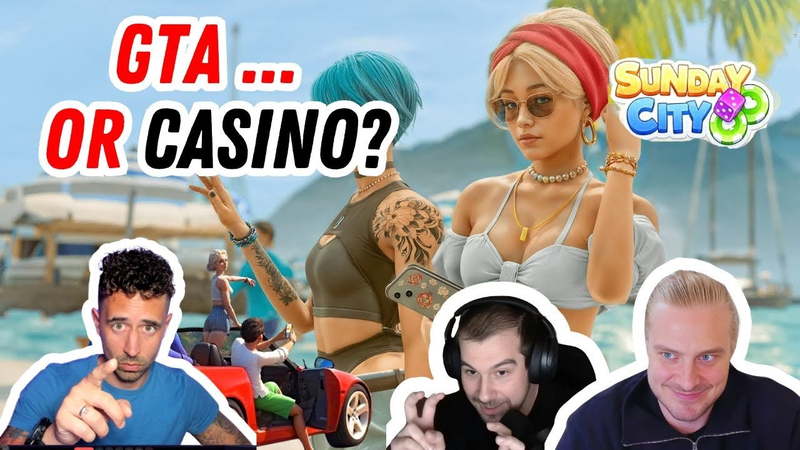
Sunday City Review: GTA or Casino? Sunday City’s INSANE Onboarding
Sunday City represents a sophisticated evolution in the social casino genre, successfully employing a bait-and-switch strategy that masks a traditional gambling core behind the aesthetic of a life-simulation or open-world game.
- Sunday City generates over $60,000 in daily in-app purchase revenue and currently holds a top-10 position within the social casino category.
- The game utilizes a 'bait-and-switch' design, masking a traditional gambling core behind an urban life-simulation aesthetic to lower the barrier to entry for casual players.
- Long-term engagement is driven by a 'third-generation' social casino model that layers meta-game systems, such as collectible albums and seasonal events, over core slot machine mechanics.
That Unity-Epic deal, Minecraft Blast, Netflix Games 2.0, Duolingo, Ubisoft, Stash, EA and more
The mobile gaming industry is currently defined by strategic alliances, platform pivots, and significant consolidation within the web shop and monetization sectors.
- Unity and Epic Games have entered a strategic partnership allowing Unity-made games to publish directly to Fortnite and integrating Unreal Engine support into Unity’s monetization and web shop tools.
- Netflix has pivoted its gaming strategy toward mainstream, family-oriented, and party games, moving away from the underperforming indie titles that previously populated the service.
- King has entered soft launch for 'Minecraft Blast' in Malaysia, marking a significant effort to bring the Minecraft IP to mobile via a puzzle-based gameplay model.
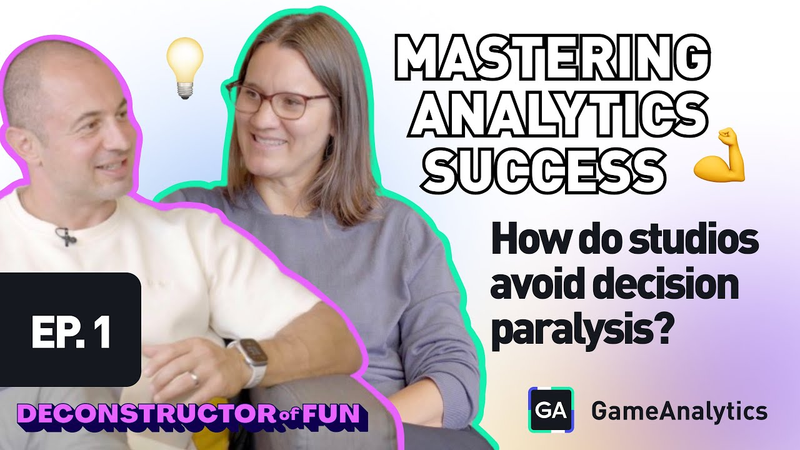
Game Analytics 01 - Building
The modern game industry requires a sophisticated approach to data that balances infrastructure maturity with proactive decision-making.
- Successful studios must transition from generalist data tracking to specialized roles, utilizing data analysts for team-specific decisions and data scientists for predictive modeling and automation.
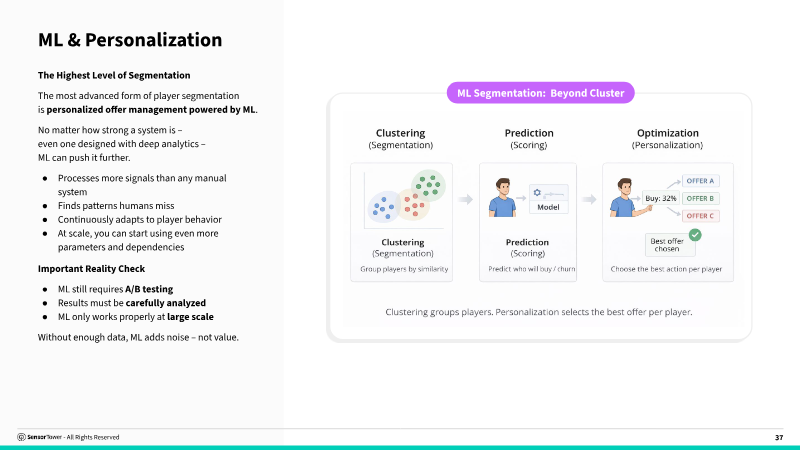
- Data strategy should evolve from basic AB testing to complex player segmentation and, eventually, AI-driven automated personalization to optimize experiences for diverse player bases.
- Studios should prioritize third-party analytics services over proprietary infrastructure to maintain focus on core product development and achieve better cost-efficiency and scalability.
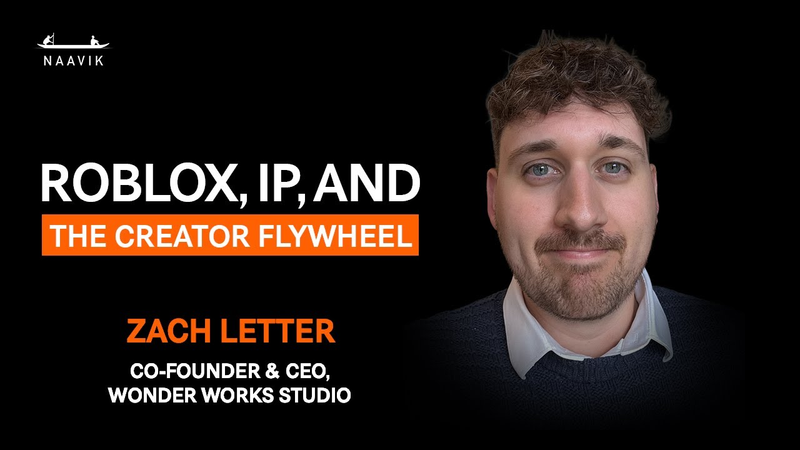
The Creator-Led Studio Playbook
The creator-led studio model represents a fundamental shift in game development, moving away from traditional paid user acquisition toward organic growth driven by influencer-led strategies and platform-native engagement.
- Wonder Works Studio leverages licensed IP like SpongeBob to eliminate paid user acquisition costs, using the brand's existing recognition to drive organic traffic while maintaining high retention through quality game design.
- Roblox experiences can function as massive marketing engines for major IP holders; for example, a SpongeBob trailer integrated into a Wonder Works game generated 100 million impressions in two weeks.
- Successful Roblox titles require a 'flywheel' approach where live-ops updates are specifically designed to compel influencers to create multiple videos, ensuring sustained organic discovery.
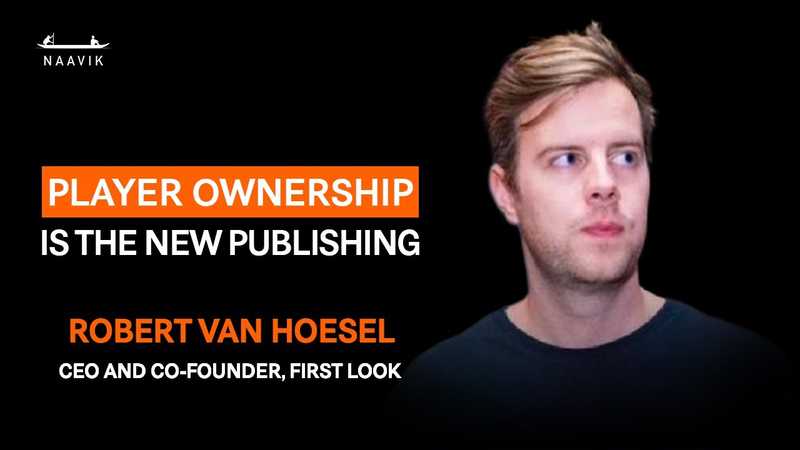
The Future of Game Publishing Is Player Ownership
The modern game publishing landscape is undergoing a fundamental shift toward self-publishing, necessitating a transition from traditional marketing models to data-driven player relationship management.
- First Look acts as a CRM for game studios, centralizing player data from platforms like Steam, Discord, and email to streamline playtesting, feedback collection, and community management.
- The platform currently serves over 100 active game studios, helping them manage self-publishing operations that were previously handled by external publishers.
- First Look was acquired by Pragma to unify the backend and frontend of game development, creating a more cohesive infrastructure for studios to manage player relationships and game operations.
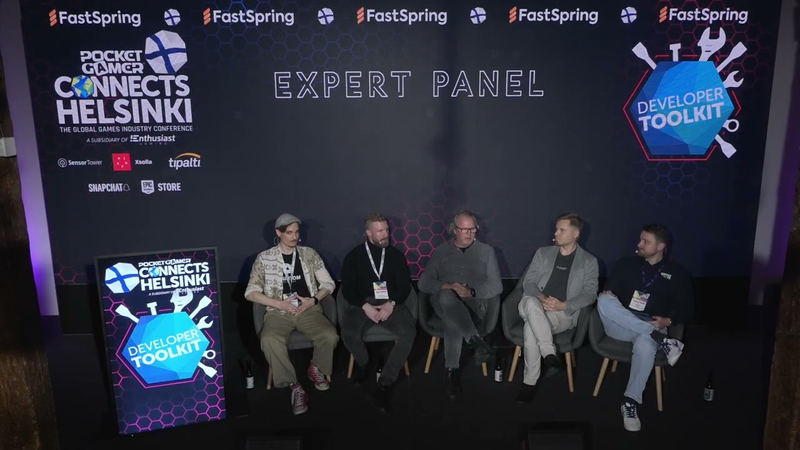
Panel: How To Ship A Top-Tier Game Without A Top-Tier Budget: Practical Tips For Cost-Effective.....
Achieving high-quality game production with limited capital requires a disciplined, lean operational strategy that prioritizes agility and long-term efficiency over traditional large-scale development models.
- Prioritize 'buy' over 'build' for core infrastructure, as small teams lack the resources to maintain custom tech stacks, which are only cost-effective for massive companies like Supercell that require specific competitive advantages like millisecond-level load time optimizations.
- Avoid over-funding in early stages; raising the minimum necessary capital forces a disciplined, lean mindset and prevents the common pitfall of hiring too many people before achieving product-market fit.
- When selecting third-party services, prioritize providers that offer access to source code or clear exit strategies to avoid vendor lock-in, as seen when the sudden shutdown of analytics platforms like Omniata forced studios to rebuild their entire tech stack.
Masters of Publishing 1: Secrets to Getting Signed by a Publisher
The mobile gaming industry has undergone a fundamental transition from the high-volume hypercasual model toward a hybrid-casual framework that prioritizes long-term engagement and quality.
- The mobile gaming market has shifted from hypercasual models to hybrid-casual frameworks that prioritize long-term player engagement and sophisticated progression systems.
- Successful hybrid-casual titles require a dual monetization strategy and robust live operations, as these elements are now essential for scaling in the current market.
- Publishers now act as full-stack partners, providing expertise in game economy design and user acquisition to fill capability gaps within development studios.
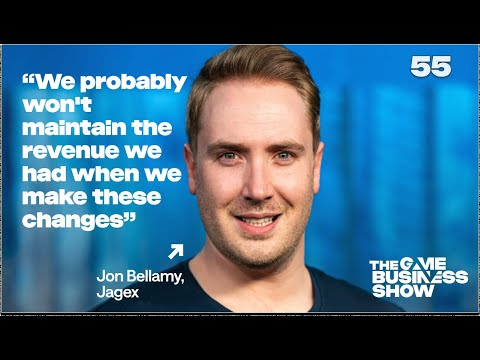
Jagex prepared to take financial hit to save RuneScape
Jagex is currently undergoing a strategic pivot to prioritize the long-term health and integrity of the RuneScape franchise over short-term revenue gains.
- Jagex is prioritizing the long-term sustainability of the RuneScape franchise over short-term revenue by re-evaluating and potentially reducing microtransactions in RuneScape 3.
- The company has abandoned third-party publishing and large-scale acquisitions to focus exclusively on its core MMO portfolio: RuneScape, Old School RuneScape, and RuneScape: Dragonwilds.
- Old School RuneScape maintains its market position through a democratic development model that requires a 70% player approval rating for all content updates.